





The Saildrone Surveyor: Revolutionary Ocean Cartography
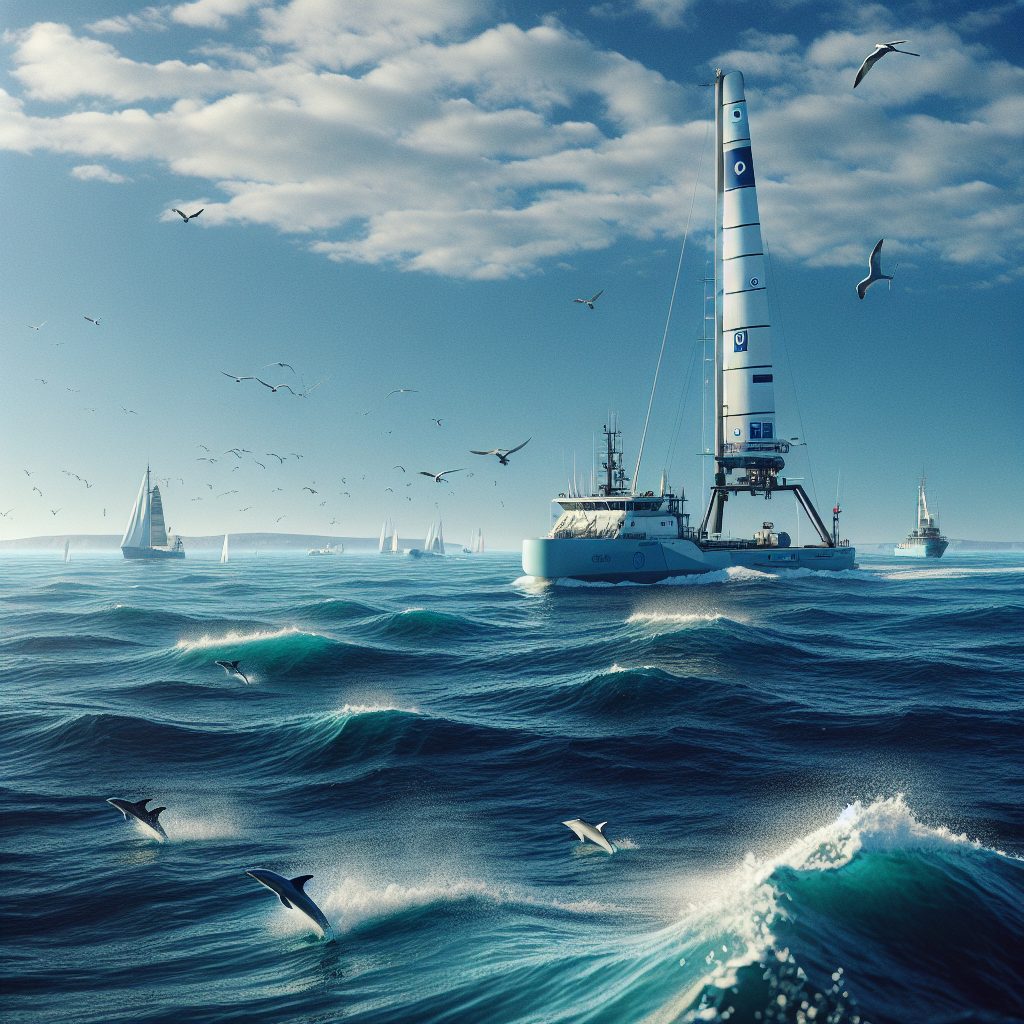
The Saildrone Surveyor: Revolutionary Ocean Cartography The world of maritime navigation and oceanic research is constantly evolving, pushing the industry to explore new frontiers. The recent launch of the Saildrone Surveyor represents a significant milestone in this technological evolution. This unmanned surface vehicle (USV), with its impressive 20 meters in length, has been classified by the American Bureau of Shipping (ABS) and is ready to operate in the most challenging waters on the planet, opening up new possibilities for ocean cartography. The Surveyor is the flagship of Saildrone’s largest class of USVs, a pioneering company in providing maritime safety solutions, mapping, and meteorological and oceanographic data. The classification granted by the ABS is a recognition not only of its robust design and advanced capabilities but also of its potential to transform the way we understand and navigate our oceans. The autonomous technology of the Surveyor is revolutionizing ocean cartography, allowing for the collection of high-precision data without the need for direct human intervention. This capability is crucial for investigating remote and dangerous regions where crew deployment would be impractical or too costly. Furthermore, these unmanned operations are more sustainable, reducing the carbon footprint of maritime research campaigns. Practical Applications: Safety, Research, and Exploration The impact of the Saildrone Surveyor goes beyond ocean cartography. Its applications extend to maritime safety and the research of meteorological and oceanographic phenomena. Equipped with cutting-edge technology for real-time data detection and analysis, the Surveyor can monitor weather patterns and changes in marine ecosystems, providing vital information for real-time decision-making. This tool is especially valuable for maritime professionals looking to enhance safety at sea. For example, the use of USVs like the Surveyor on maritime routes can help identify and communicate potential hazards, such as abrupt changes in weather or unusual ocean currents, ensuring a safe passage for commercial vessels. In addition, the data collected by the Surveyor is essential for scientists studying climate change and its effects on the oceans. By providing a clearer picture of current conditions, researchers can model future trends, which is crucial for the development of effective conservation and environmental management policies. Labour and Investment Opportunities in the Maritime Sector The deployment of the Saildrone Surveyor also opens doors to new job opportunities and investments in the maritime sector. The advancement of USVs represents a growing area in the industry, requiring new professionals trained to manage, operate, and analyze data generated by these advanced technologies. Companies like Saildrone are constantly seeking talent in engineering, data analysis, and ocean science experts to join their team, offering an attractive opportunity for professionals seeking challenging new careers in the maritime field. Interested readers should consider submitting their resumes to these innovative companies to be part of the maritime technological forefront. For investors, the growth potential of USV technology and its applications is immense. The efficiency and ability of Saildrones to operate autonomously in extreme conditions make them an attractive investment, with applications in multiple sectors including scientific research, defense and maritime security, as well as natural resource exploration. Future Perspectives: Beyond the Horizon As technology continues to advance, the use of unmanned vehicles like the Saildrone Surveyor promises to redefine our methods of interacting with the oceans. Current innovations only scratch the surface of what is possible, and future generations of USVs are likely to be even more sophisticated and capable. This expansive horizon of opportunities underscores the relevance of staying informed about developments in maritime technologies. WishToSail.com will closely follow these innovations, providing readers with up-to-date and relevant information to take their skills and knowledge to the next level. In conclusion, the Saildrone Surveyor is much more than a technological breakthrough; it is a catalyst for change in the way we explore and understand our oceans. For nautical professionals, investors, and sea enthusiasts, it represents an exciting new frontier to be explored.
The Future of Autonomous Maritime Technology
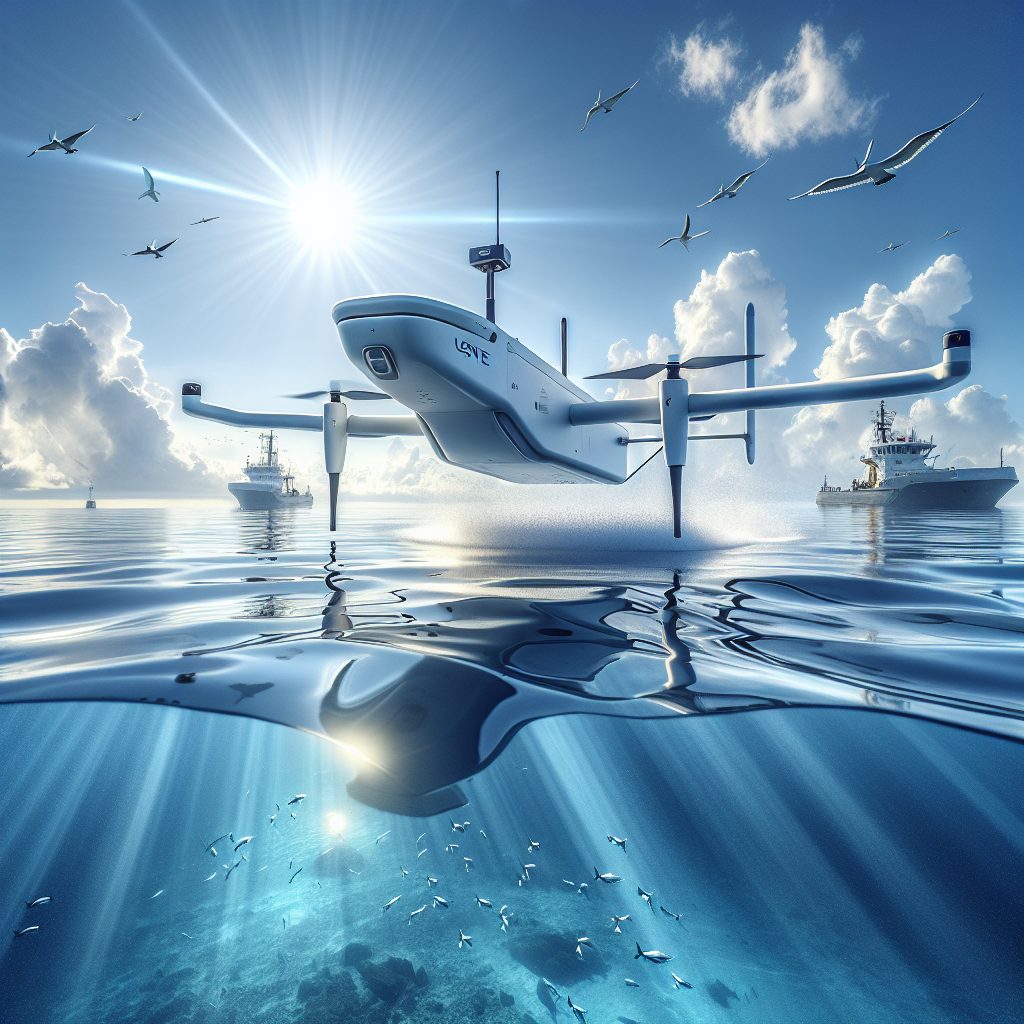
The Future of Autonomous Maritime Technology With the rapid advancement of technology in today’s world, the maritime industry is also making strides towards innovation. Saildrone, a pioneering company in the development of unmanned surface vehicles (USVs), has achieved a significant milestone that solidifies its position as a leader in maritime autonomy. The recent announcement of the American Bureau of Shipping’s (ABS) full classification for their Surveyor-class USV marks a new era in the sector. The Rise of Autonomous Vehicles in the Maritime Industry The use of autonomous vehicles in the maritime sector has seen unprecedented growth in the last decade. Vehicles like Saildrone’s Surveyor are designed to operate without human crew onboard, reducing operational costs and minimizing risks in dangerous or long-duration missions. The ABS classification, one of the most respected classification societies globally, not only validates the robustness and effectiveness of Saildrone’s design but also boosts confidence in the safety and functionality of these vehicles. The importance of ABS classification lies in ensuring that the vehicle meets strict international safety and operational standards. This certification allows Saildrone to offer its customers additional peace of mind regarding the reliability of their products, which is crucial in the adoption of new maritime technologies. This certification not only benefits the company but also sets a precedent for future developments in the sector. Labour and Technological Opportunities With the consolidation of these technological advances, new opportunities arise in the maritime job market. The integration of autonomous vehicles like the Surveyor may require a new set of skills, ranging from software development to the management and maintenance of advanced technologies. Professionals specializing in autonomous systems and data analysis will be in high demand, as these vessels require a combination of specific technical and operational knowledge. The implementation of this technology presents a practical case for use in various applications, such as oceanographic data surveys, marine cartography, and environmental monitoring. These tasks, traditionally expensive and labor-intensive, can be carried out more efficiently and accurately with autonomous vehicles. Inviting maritime professionals to seize this job opportunity not only increases the number of trained experts but also fosters a culture of continuous innovation in the sector. Economic and Environmental Impact The adoption of autonomous vehicles is not only transforming vessel operations but also has significant economic and environmental implications. USVs like the Surveyor offer an operational model that can reduce fuel consumption and the carbon footprint of maritime missions, contributing to a more sustainable future for the sector. From an economic perspective, the use of USVs can significantly lower operational costs by eliminating the need for human crew, reducing logistics and onboard life support maintenance costs. This results in considerable savings, especially in long-duration missions or remote areas. Furthermore, the efficient use of resources and the optimization of maritime routes, guided by real-time data analysis provided by these vehicles, can increase the efficiency and effectiveness of maritime operations. This not only enhances operational profitability but also makes the industry more globally competitive. The Future of Maritime Autonomy Looking ahead, it is clear that autonomous vehicle technology in the maritime sector is in its early stages. Companies like Saildrone are leading the way, but new players in the sector are expected to emerge, further driving innovation and competition. Cooperation between technology companies and regulatory entities will be key to developing standards that ensure the safety and efficiency of these new technologies. As the infrastructure supporting autonomous vehicles continues to expand, we are likely to see greater integration of these technologies into daily maritime operations. Artificial intelligence and machine learning are expected to play a central role in this evolution, continuously improving the autonomy and analytical capabilities of USVs. Conclusion and Call to Action The ABS certification of Saildrone’s Surveyor represents a significant advancement for maritime autonomy and offers multiple benefits for professionals, investors, and enthusiasts in the sector. The opportunity to participate in the growth of this field lies not only in financial investment but also in preparedness and adaptation to the new skills required by the market. This milestone demonstrates how technological innovation can be a catalyst for sustainable development and economic progress in the maritime industry. As technology continues to advance, those who are prepared to adapt and embrace these new tools will be better positioned to lead the change. We invite those interested to delve into these innovations and consider how they can be part of this exciting journey towards a more efficient and sustainable future in the maritime sector. The possibilities are endless, and now is the time to take the plunge into the world of autonomous maritime technology.
Sustainable Innovation in the Maritime Sector: The Strategic Alliance to Decarbonize the Cruise Industry
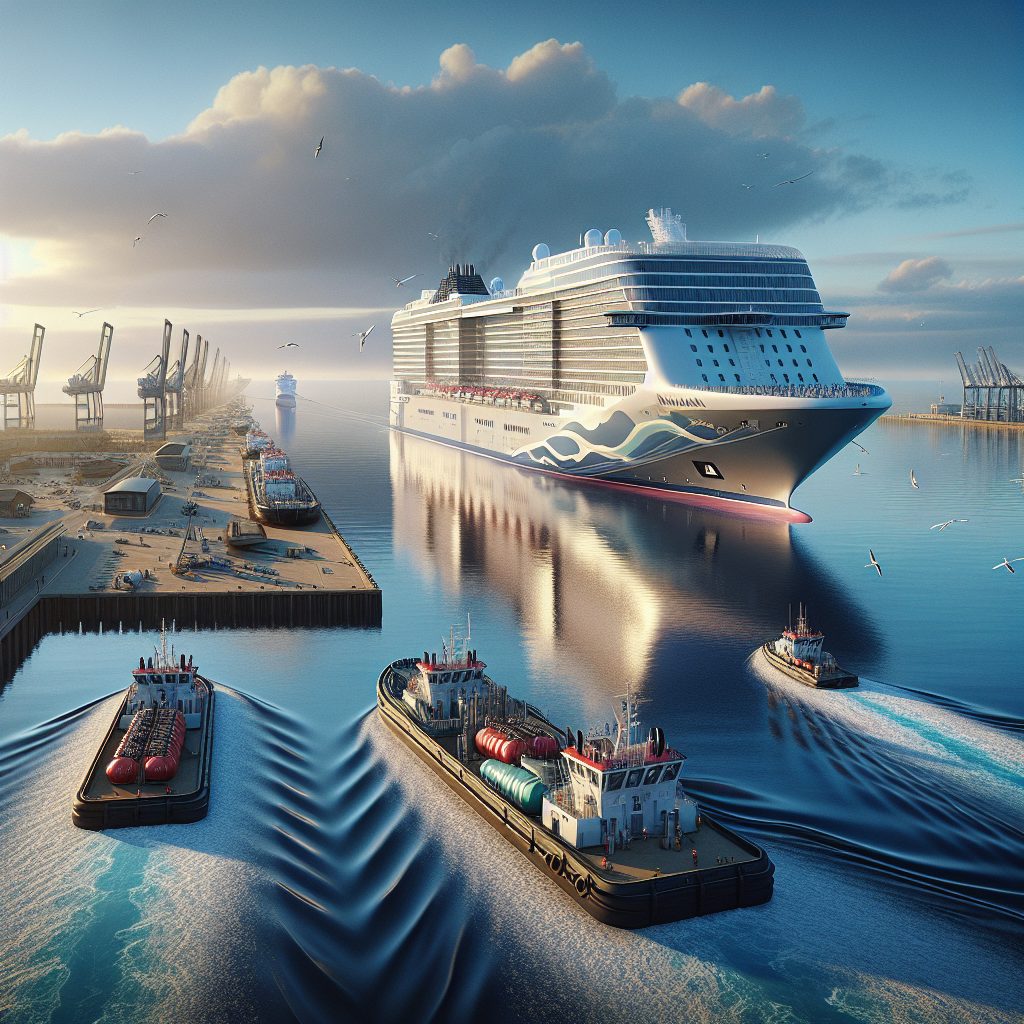
Sustainable Innovation in the Maritime Sector: The Strategic Alliance to Decarbonize the Cruise Industry On the 27th of August 2025, a significant milestone was reached in the maritime industry with the collaboration of Burando Energies, Norwegian Cruise Line Holdings Ltd. (NCLH), and World Fuel Services. These three leading organizations have joined forces to supply sustainable biofuels to NCLH cruises during their stops in the Netherlands, an initiative that stands out for its capacity to reduce emissions immediately and practically. The strategic agreement will focus on delivering ISCC-certified biofuel blends to six ships in the NCLH fleet, including their flagship vessel, the Norwegian Prima. This venture aligns with the 2025 European cruise season, offering an immediate and accessible solution for reducing greenhouse gas emissions, a critical challenge for the cruise industry. Burando Energies, Norwegian Cruise Line Holdings Ltd. (NCLH), and World Fuel Services have formed a strategic alliance to supply sustainable biofuels to NCLH cruises. The biofuel blend B30, consisting of 30% biodiesel derived from waste, is designed to function without modifications in current engine systems. NCLH’s Sail & Sustain™ program focuses on responsible operations and a significant reduction of carbon emissions across its fleet. Effective Method: The B30 Biofuel Blend The B30 biofuel blend, composed of 30% biodiesel derived from waste, ensures a reduced environmental impact by utilizing existing resources. This biofuel is designed to operate without modifications in current engine systems, setting a precedent for the technical viability of future sustainable fuels. The implementation of B30 provides an immediate solution compared to theoretical proposals for future fuels still in the early stages of research and development. This type of biofuel not only guarantees a significant reduction in greenhouse gas emissions but also minimizes transition costs due to its compatibility with existing maritime infrastructure. For sailors and marine professionals, B30 represents a viable and practical option that can be implemented immediately, reinforcing the importance of moving towards a more sustainable industry without waiting for future technologies still in development. Sail & Sustain™: Commitment to Sustainability Norwegian Cruise Line Holdings Ltd. has integrated this biofuel initiative into its comprehensive environmental program, Sail & Sustain™. This program aims at responsible operations and a significant reduction of carbon across its fleet, a tangible commitment reflecting its orientation towards future carbon neutrality. The philosophy of Sail & Sustain™ emphasizes the importance of not only focusing on sustainability at sea but also integrating ecological practices during port stops. This dual approach ensures a holistic application of sustainability in every operational aspect, from fuel sources to onboard efficiency improvements. The Crucial Role of Burando Energies As a key physical and logistical provider, Burando Energies leads the delivery and blending of this innovative biofuel. Their fleet of specialized supply barges, some already adapted to handle green methanol, continues to position Burando as a leader in the logistics of next-generation fuels. Burando Energies’ logistical precision and quality control ensured a smooth transition from traditional fuels to sustainable alternatives, reinforcing the viability of biofuel bunkering on a commercial scale. World Fuel Services: Facilitator of the Transition As the project facilitator, World Fuel Services ensured the strategic alignment of all stakeholders and managed the complex coordination of the supply chain. Their vast experience in global fuel markets and integration of alternative energies was crucial in bridging regulatory, logistical, and technical gaps. World Fuel Services guarantees both regulatory compliance and operational continuity, critical aspects for cruise lines sailing under EU sustainability mandates. A Replicable Model for the Industry The collaboration between Burando Energies, NCLH, and World Fuel Services is not just a case study but a model to follow for the maritime sector as a whole. This joint effort proves that cruise lines, fuel providers, and global facilitators can deliver real decarbonization results using fuels that meet current infrastructure standards. By opting for an approved and widely available fuel solution, these entities show the industry what responsible energy transition entails: practical, proactive, and performance-oriented. Looking to the Future: From Discussion to Action With increasing regulatory pressure and growing public scrutiny, cruise lines must do more than just promise; they must show results. This partnership offers precisely that: a measurable reduction in emissions, implemented through efficient and transparent collaboration. The message is clear: the
The Green Energy Revolution in the Maritime Sector: The World’s Largest Battery Hybrid Project
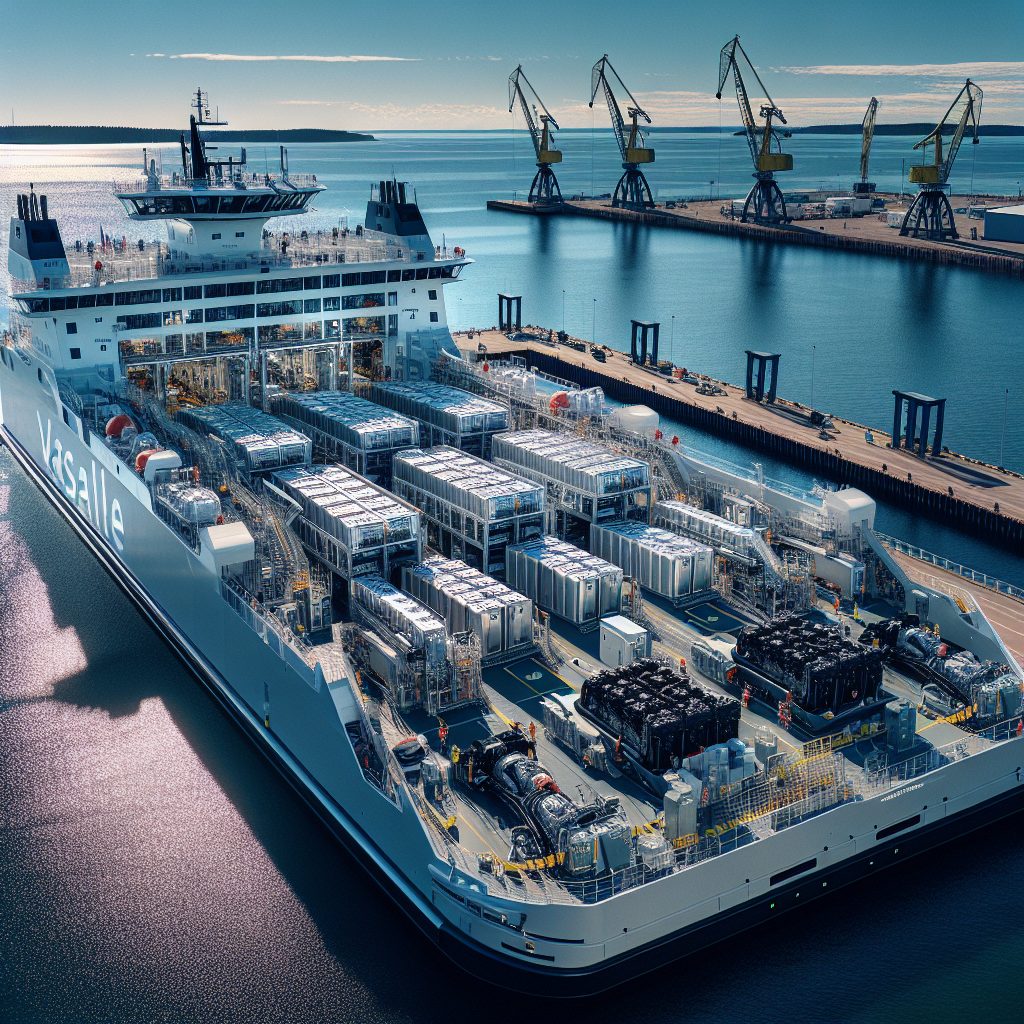
The Green Energy Revolution in the Maritime Sector: The World’s Largest Battery Hybrid Project In a pioneering move towards sustainability in the maritime sector, the technology group Wärtsilä has been selected as the electrical integrator for an ambitious battery capacity expansion project on the ROPAX ferry ‘Aurora Botnia’ of Wasaline. This project will increase the ship’s battery capacity from 2.2 MWh to an unprecedented 12.6 MWh, making it the largest marine battery hybrid system in operation. This achievement marks a milestone in maritime decarbonization. The Hybrid Battery System Wärtsilä to integrate 10.4 MWh battery extension Supply Energy Management System (EMS) Enhance power drive systems Seamlessly incorporate control systems The implementation of this system is expected by early 2026, at which point the Aurora Botnia will stand out as a floating beacon of sustainable maritime transport. Projects like these are crucial not only for the companies involved but also for setting a standard in the maritime sector as a whole. From Innovation to Emission Elimination Hybrid propulsion systems represent a pivotal solution in the maritime industry’s transition to a cleaner future. By combining advanced energy storage with traditional engines, these systems drastically reduce greenhouse gas emissions, fuel consumption, and operating costs. The Aurora Botnia, launched in 2021, is already a leader in green propulsion. A Floating Innovation Laboratory Beyond its commercial operations, the Aurora Botnia now acts as a floating test lab, directly connected with Wärtsilä’s Sustainable Technology Center in Vaasa. This innovative partnership allows for continuous testing and refinement of hybrid technologies, optimizing fuel efficiency and emission reduction in real-time. Opportunities for Industry Professionals The growth of innovative projects like this in the maritime industry offers various opportunities for sector professionals. Engineers, technicians, and sustainability specialists will find Wärtsilä and Wasaline to be not only challenging work environments but also opportunities to contribute to significant changes in global ship operations. Conclusion: A Step Forward for the Maritime Industry The Aurora Botnia’s battery expansion project represents a revolution in maritime technology and a model for the industry to follow. By focusing on advanced energy system integration and emissions reduction, this project not only sets a new standard but also acts as a catalyst for change across the maritime sector. For merchant mariners, sailors, investors, and nautical enthusiasts, this project offers a clear vision of how technology can transform the industry for the better. By adopting more sustainable practices, the maritime sector moves towards a greener and more efficient future. The future of maritime transportation is here, and it is brighter and more sustainable than ever.
The Green Future Driven by Fratelli Cosulich: The New Tanker Ship “Anna Cosulich” and its Milestone in Construction
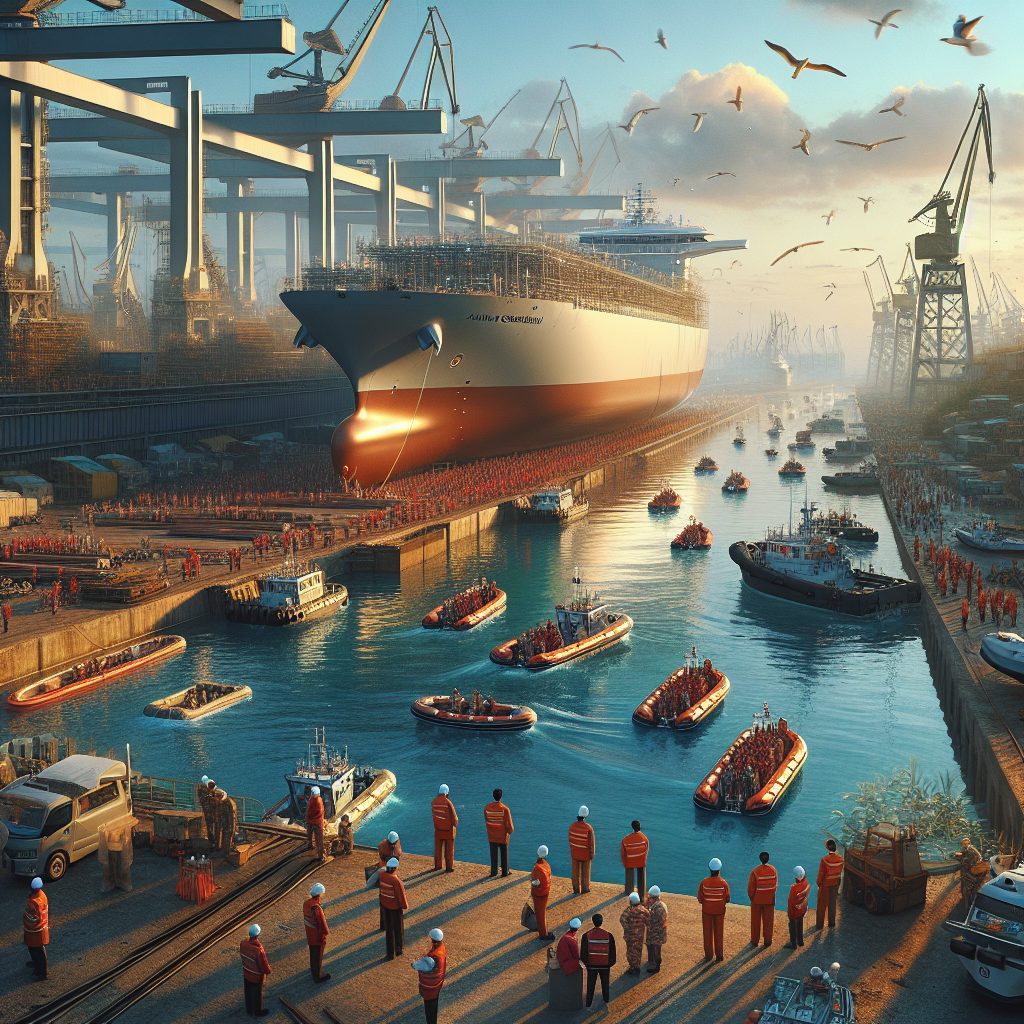
The Green Future Driven by Fratelli Cosulich: The New Tanker Ship “Anna Cosulich” and its Milestone in Construction Fratelli Cosulich Marine Energy is leading the way towards sustainability in the maritime sector. The recent keel-laying event for the tanker ship “Anna Cosulich” marks a significant turning point in the transition to cleaner energies. Held on August 26, 2025, at the Taizhou Maple Leaf Shipbuilding Co., Ltd. shipyards in China, this act symbolizes the beginning of the construction of a ship that redefines the concept of efficiency and sustainability in global bunkering. The “Anna Cosulich” is the first of a series of four ships designed to be ready for the use of methanol, a low carbon footprint fuel that is rapidly gaining ground in the global maritime fleet. This pioneering ship emphasizes Fratelli Cosulich’s commitment to innovation and environmental responsibility, strengthening its leadership in the global marine fuel supply sector. Technical Features Setting the Difference Methanol Bunkering Readiness: The vessel is fully equipped with the necessary safety and handling systems for methanol supply, ensuring it can support its customers in transitioning to cleaner fuels. This not only makes it relevant in the current context but also prepares it for the future energy landscape. Advanced Coating of Cargo Tanks: Using the MarineLINE® tank coating, the ship offers superior chemical resistance that allows for quick conversion between different types of fuels, from conventional fuels to biofuel blends and methanol. This not only extends the vessel’s lifespan but also ensures greater operational efficiency. Enhanced Maneuverability: With a dual-propulsion system, the “Anna Cosulich” offers improved maneuverability, crucial for conducting precise and safe bunkering operations in busy ports. This is vital for maintaining high standards of safety and efficiency. Safety and Precision Commitment In the design of the “Anna Cosulich,” safety and precision have not been secondary aspects. The ship is equipped with two segregations and quick connection/disconnection couplings (QCDC), along with two certified mass flow meters (MFM). This configuration ensures the highest levels of safety, accuracy, and efficiency during bunkering operations. Additionally, it has an onboard nitrogen generator that enhances the safety of the cargo tank by providing an inert gas layer, mitigating risks associated with handling low flashpoint fuels like methanol. The significance of the keel-laying ceremony goes beyond tradition. It represents the convergence of vision, engineering, and craftsmanship in a single act, a testimony to Fratelli Cosulich’s commitment to building a cleaner and more efficient maritime future. The “Anna Cosulich” will not only serve forward-thinking partners demanding operational excellence but also be a symbol of confidence in a maritime industry embarking on a cleaner and more efficient transformative change. Strengthening a World-Class Bunkering Fleet The “Anna Cosulich” will join Fratelli Cosulich’s growing fleet of cutting-edge tanker ships, reflecting a strategic investment of over $150 million in the last five years. This expansion has focused on LNG dual-fuel ships, biofuel blends, and small-scale LNG supply, pushing the boundaries of sustainable maritime energy solutions. Operating in key bunkering hubs like Singapore and Genoa, the Marine Energy division provides high-quality fuel supply underpinned by ISCC certification for sustainability and traceability in biofuel. The “Anna Cosulich” is designed to meet the diverse and growing demand for cleaner fuels, not only facilitating fuel delivery but also supporting a global energy transition. With this initiative, Fratelli Cosulich demonstrates that sustainability is not just an option but an inevitable and profitable path for the maritime industry. Professionals in the sector, from sailors to investors, now have more reasons to closely monitor technological advancements and employment opportunities arising from this energy transformation. Opportunities for Sector Professionals The construction of the “Anna Cosulich” represents not only a technological advancement but also a job opportunity for maritime sector professionals. Fratelli Cosulich,
The Impact of K-Tourism on Maritime Industry
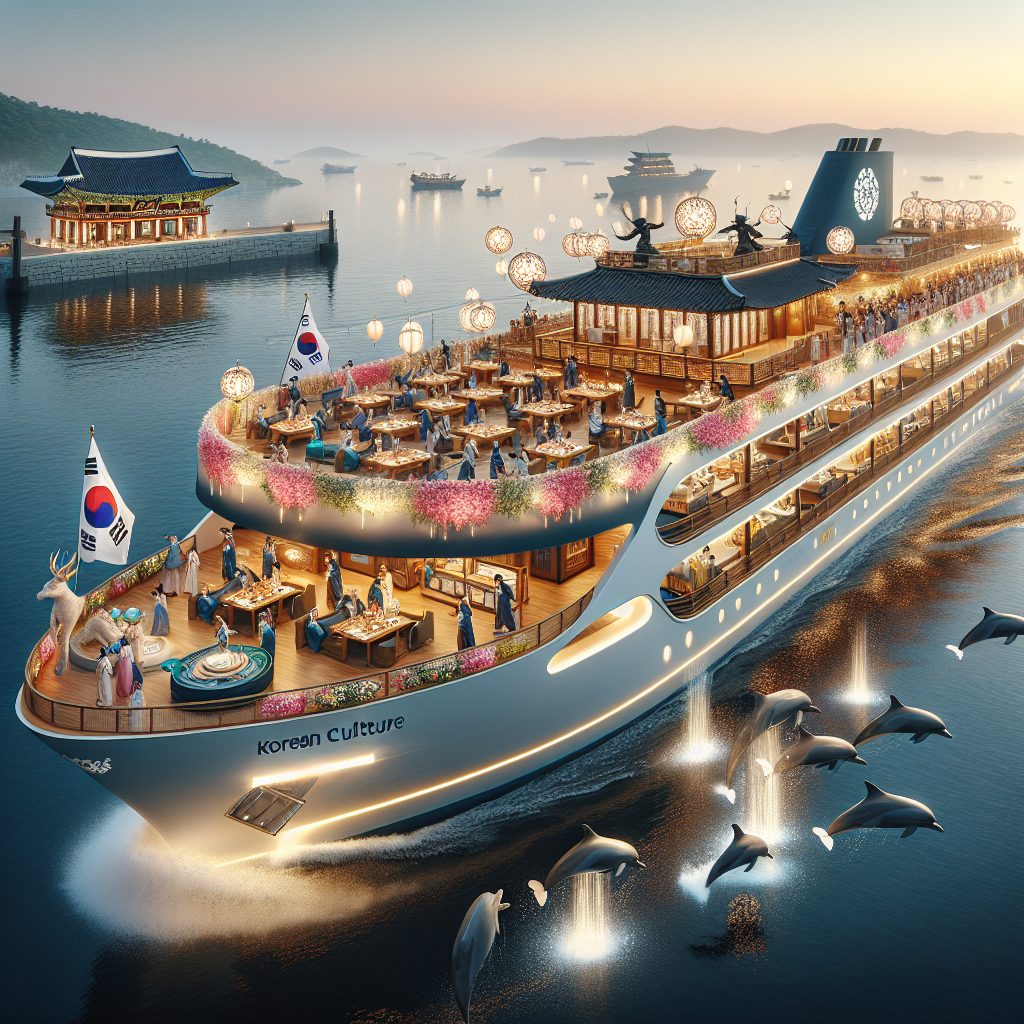
The Impact of K-Tourism on Maritime Industry The recent success of the ‘Experience Your Korea – K-Tourism Roadshow’ in Tysons Corner Center, Virginia, highlights not only the growing popularity of Korean culture in the United States but also the immense opportunities presented for the maritime sector. This event, held on August 23 and 24, 2025, attracted over 40,000 visitors interested in immersing themselves in Korean cultural richness, reflecting the increasing global interest in K-content. But beyond entertainment, how does this impact the maritime industry? Cultural tourism is undoubtedly a powerful driver for the blue economy, where travel and experiences through maritime routes play a crucial role. The possibility of connecting these cultural experiences with maritime itineraries can open new routes for sailors and new job opportunities for merchant navy professionals. In addition, maritime investors will be able to explore new business avenues around this trend. In an increasingly globalized world where culture transcends borders, it is logical for sailors and industry professionals to seek ways to collaborate with this growing cultural demand, whether through thematic cruises or specialized maritime excursions that offer a unique cultural experience on board. Innovation and Connectivity: The Role of Maritime Tourism in Expanding K-Content The impact of K-Tourism is not limited to the mainland. Technological innovations in tourist boats offer new ways to connect cultures. With the advancement of technologies such as augmented reality and smart navigation systems, boats are transforming into floating stages where tourists can experience Korean culture without the need to disembark. These technologies allow for the integration of digitized cultural content on board, enhancing the traveler’s experience and offering real-time education on Korean traditions and history. The vessels equipped with these innovations will not only attract more tourists but will also require trained personnel to operate such technologies, opening up new job opportunities. For investors, these innovations represent a unique opportunity to be at the forefront of a booming industry. Investing in ships equipped with advanced technology not only meets current demand but also positions companies at the top of the technology adoption curve, preparing them for the future of maritime tourism. Maritime Routes: A Canvas for New Cultural Experiences New maritime routes, inspired by K-Tourism, offer endless possibilities for sailors. Imagine cruises that connect strategic geographical points where Korean culture has left its mark, from historic ports in Asia to cultural enclaves in the United States and Europe. These itineraries not only enrich the tourist offer but also contribute to a deeper cultural exchange. For merchant navy professionals, the expansion of routes based on cultural interactions means more jobs and the need for specialization in these specific areas. At the same time, for nautical enthusiasts, these routes offer an unparalleled opportunity to combine their passion for the sea with personal cultural enrichment. Emphasizing the importance of these routes also highlights the economic potential for ports serving as stops. Local businesses, from restaurants to craft shops, may experience an increase in economic activity, stimulating local development and strengthening regional economies. Professional and Economic Opportunities on the Horizon The rise of K-Tourism and its links to the maritime industry provide several reasons why these developments are particularly relevant to WishToSail.com readers: Innovation and Employment: Advanced technologies on ships require a new set of skills, generating employment. Professionals trained in these areas will be in high demand, presenting an opportunity for those looking to specialize. New Routes, New Adventures: Sailors and nautical enthusiasts have the opportunity to explore uncharted routes that not only offer adventure but also a richer cultural experience. Attractive Investment: For maritime investors, integrating cultural tourism and maritime technology is a fertile field for investment, with the potential for significant returns as the industry continues to grow. Navigating Towards a Future Rich in Opportunities The success of the ‘Experience Your Korea – K-Tourism Roadshow’ is a clear indicator of a global trend that shows no signs of slowing down. By bridging culture and maritime tourism, new opportunities are being created that benefit industry professionals, investors, and enthusiasts alike. For those in the industry, it is the perfect time to invest in training and technology, and to explore new routes that offer unforgettable experiences. As the seas connect cultures, the maritime industry continues to be an essential pillar in this global exchange, promising a future full of discoveries and economic growth. The invitation is open: whether as an investor, professional, or enthusiast, it is time to set sail towards new opportunities and explore the vast ocean of possibilities that K-Tourism and nautical activities bring.