



The Future of Autonomous Maritime Technology
With the rapid advancement of technology in today’s world, the maritime industry is also making strides towards innovation. Saildrone, a pioneering company in the development of unmanned surface vehicles (USVs), has achieved a significant milestone that solidifies its position as a leader in maritime autonomy. The recent announcement of the American Bureau of Shipping’s (ABS) full classification for their Surveyor-class USV marks a new era in the sector.
The Rise of Autonomous Vehicles in the Maritime Industry
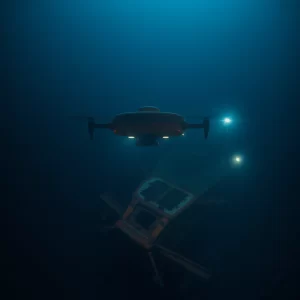
The use of autonomous vehicles in the maritime sector has seen unprecedented growth in the last decade. Vehicles like Saildrone’s Surveyor are designed to operate without human crew onboard, reducing operational costs and minimizing risks in dangerous or long-duration missions. The ABS classification, one of the most respected classification societies globally, not only validates the robustness and effectiveness of Saildrone’s design but also boosts confidence in the safety and functionality of these vehicles.
The importance of ABS classification lies in ensuring that the vehicle meets strict international safety and operational standards. This certification allows Saildrone to offer its customers additional peace of mind regarding the reliability of their products, which is crucial in the adoption of new maritime technologies. This certification not only benefits the company but also sets a precedent for future developments in the sector.
Labour and Technological Opportunities
With the consolidation of these technological advances, new opportunities arise in the maritime job market. The integration of autonomous vehicles like the Surveyor may require a new set of skills, ranging from software development to the management and maintenance of advanced technologies. Professionals specializing in autonomous systems and data analysis will be in high demand, as these vessels require a combination of specific technical and operational knowledge.
- The implementation of this technology presents a practical case for use in various applications, such as oceanographic data surveys, marine cartography, and environmental monitoring. These tasks, traditionally expensive and labor-intensive, can be carried out more efficiently and accurately with autonomous vehicles.
- Inviting maritime professionals to seize this job opportunity not only increases the number of trained experts but also fosters a culture of continuous innovation in the sector.
Economic and Environmental Impact
The adoption of autonomous vehicles is not only transforming vessel operations but also has significant economic and environmental implications. USVs like the Surveyor offer an operational model that can reduce fuel consumption and the carbon footprint of maritime missions, contributing to a more sustainable future for the sector.
- From an economic perspective, the use of USVs can significantly lower operational costs by eliminating the need for human crew, reducing logistics and onboard life support maintenance costs. This results in considerable savings, especially in long-duration missions or remote areas.
- Furthermore, the efficient use of resources and the optimization of maritime routes, guided by real-time data analysis provided by these vehicles, can increase the efficiency and effectiveness of maritime operations. This not only enhances operational profitability but also makes the industry more globally competitive.
The Future of Maritime Autonomy
Looking ahead, it is clear that autonomous vehicle technology in the maritime sector is in its early stages. Companies like Saildrone are leading the way, but new players in the sector are expected to emerge, further driving innovation and competition.
- Cooperation between technology companies and regulatory entities will be key to developing standards that ensure the safety and efficiency of these new technologies.
- As the infrastructure supporting autonomous vehicles continues to expand, we are likely to see greater integration of these technologies into daily maritime operations.
- Artificial intelligence and machine learning are expected to play a central role in this evolution, continuously improving the autonomy and analytical capabilities of USVs.
Conclusion and Call to Action
The ABS certification of Saildrone’s Surveyor represents a significant advancement for maritime autonomy and offers multiple benefits for professionals, investors, and enthusiasts in the sector. The opportunity to participate in the growth of this field lies not only in financial investment but also in preparedness and adaptation to the new skills required by the market.
This milestone demonstrates how technological innovation can be a catalyst for sustainable development and economic progress in the maritime industry. As technology continues to advance, those who are prepared to adapt and embrace these new tools will be better positioned to lead the change.
We invite those interested to delve into these innovations and consider how they can be part of this exciting journey towards a more efficient and sustainable future in the maritime sector. The possibilities are endless, and now is the time to take the plunge into the world of autonomous maritime technology.