



The Revolution of HVO in the Port of Açu: Innovations and Sustainability
The Revolution of HVO in the Port of Açu: Innovations and Sustainability In the journey towards a cleaner and more sustainable future, the contemporary maritime industry has made it a top priority. Taking a decisive step towards this goal, the companies Vast Infraestrutura and OceanPact Servicios Marítimos have successfully conducted an HVO (Hydrotreated Vegetable Oil) refuelling operation at the Açu Liquid Terminal (TLA), marking a milestone in the use of biofuels in Brazilian waters. Commitment to Decarbonization: A Strategic Endeavour The agreement between Vast Infraestrutura and OceanPact, signed in May 2025, aims to explore the feasibility of incorporating renewable biofuels into the energy matrix of maritime operations. The supply of HVO, a second-generation biofuel, not only demonstrates the commitment of both companies to decarbonization but also their intention to lead this transformation in Latin America. The importance of this project lies in its potential to reduce greenhouse gas emissions. Studies conducted in collaboration with regulatory bodies have shown that HVO can significantly decrease the carbon footprint of maritime operations when used as a substitute for traditional fossil fuels. Additionally, this biofuel is compatible with conventional marine engines, allowing for immediate use without requiring complex modifications to existing equipment. HVO significantly reduces greenhouse gas emissions in maritime operations. It is a second-generation biofuel, making it more sustainable. The biofuel is compatible with existing marine engines, simplifying the adoption process. Vast Infraestrutura, in its statement, emphasized its pride in leading sustainable initiatives that not only reduce emissions but also ensure operational efficiency. This approach not only supports the energy transition but also helps shape it, setting standards for future operations in the region. The Port of Açu: A Potential Bunkering Centre for Biofuels The strategic location of the Port of Açu, in the northern region of the state of Rio de Janeiro, makes it a national reference point for green energy solutions. The successful HVO operation has paved the way for the port to evolve into a biofuel supply centre, serving both national and international maritime routes. The project by Vast Infraestrutura and OceanPact aims to provide insights based on real data on the feasibility and scalability of biofuel supply at Brazilian ports. Collaboration with regulatory and academic entities will allow for valuable information on the operational performance of HVO in real-world conditions, providing a solid foundation for expanding its use. This initiative not only has environmental implications but also represents a significant job opportunity for maritime professionals. As the port expands and adapts its facilities to handle biofuels, employment opportunities in areas such as logistics, terminal operations, and specialized equipment maintenance are expected to increase. Vast Infraestrutura: Leading the Energy Modernization The recent HVO refuelling operation adds to the development of a modern storage terminal at the Açu Liquid Terminal (TLA), a project with an initial investment of 250 million reals. This advancement will significantly expand Brazil’s bulk liquid handling capacity, including the infrastructure needed to store and distribute future fuels like e-methanol and SAF. The investment in the modern storage terminal at TLA is expected to boost Brazil’s liquid bulk handling capacity. e-Methanol and SAF are future fuels that will be stored and distributed at the terminal. The terminal reinforces Vast Infraestrutura’s strategic commitment to modernization and energy transition. This approach not only enhances the port’s logistical capacity but also positions it as a leader in low-carbon maritime logistics. The benefits of these initiatives are manifold. About OceanPact Servicios Marítimos Founded in 2007, OceanPact is a prominent Brazilian company specializing in emergency management and response in the maritime, oil, and gas sectors. Its commitment to operational excellence is evident in the critical services it provides to support oil companies, ports, and terminals in meeting environmental regulations and standards. About Vast Infraestrutura As part of the Prumo Group, Vast Infraestrutura is a Brazilian logistics company specializing in managing energy terminals at the Port of Açu. With a focus on sustainability and energy transition, Vast Infraestrutura is expanding its capacity to include the storage and movement of future fuels. Its goal is to become a benchmark in safety, sustainability, and innovation, leading the industry towards cleaner and more efficient operations. The advancement of these HVO refuelling initiatives underscores the practical utility for various segments of the WishToSail.com audience. Merchant marine professionals can apply these technologies to reduce the environmental impact of their operations. Maritime investors have a unique opportunity to participate in an emerging market with significant return potential. Finally, nautical enthusiasts find in these developments an inspiring example of how the industry can evolve towards more sustainable practices.
A.P. Moller-Maersk Strengthens Presence in the Iberian Peninsula: Opportunities and Challenges of the New Agreement with Bergé
A.P. Moller-Maersk Strengthens Presence in the Iberian Peninsula: Opportunities and Challenges of the New Agreement with Bergé The recent announcement of the acquisition of 51% of the Spanish port operator Bergé by A.P. Moller Capital, the investing arm of A.P. Moller-Maersk, not only marks a milestone in logistic distribution in the Iberian Peninsula, but also highlights the growing importance of strategic alliances in the maritime sector. This move, formalized after obtaining approval from the relevant authorities, underscores Maersk’s intention to expand its influence in a key market. With the 51% ownership, A.P. Moller-Maersk not only secures a significant position in the thriving logistics infrastructure market in the region but also strategically positions itself to increase its market share in the Hispanic American market. Bergé, on the other hand, retains the remaining 49% of the capital, thus ensuring an active participation in the future decisions of the company. This agreement is particularly relevant for maritime professionals and logistics operators as it represents potential growth in service offerings and consequently in job opportunities. The importance of a strong and diversified logistics operator is crucial for the efficiency of maritime commerce, especially in a region considered a strategic bridge between Europe, America, and North Africa. Increase in Bergé’s Growth and Logistics Expansion One of the main motivations behind this agreement is the acceleration of Bergé’s growth. With the financial and operational experience provided by A.P. Moller-Maersk, it is expected that Bergé will not only improve its current operations but will also seek new acquisitions to strengthen its position as a leader in port terminals and logistic infrastructures. The expansion of Bergé’s capacity is a necessary step to meet the increasing demand for logistic and port services in the Iberian Peninsula and Latin America. These regions, with their growing economies and expanding logistics needs, are targeted for significant investments. For maritime investors, this move offers an interesting example of how logistics companies can grow and expand in an increasingly competitive global market. The combination of industrial and financial expertise from both companies creates a conducive environment for innovation and development, which can attract a continuous flow of new investments. Transformation and Consolidation of the Port Sector The agreement between A.P. Moller-Maersk and Bergé comes at a time of increasing consolidation in the port sector. Strategic alliances have become a common strategy to compete in a market marked by the concentration of powerful companies and the entry of infrastructure funds looking to capitalize on this growth. With the addition of Joe Nielsen from A.P. Moller Capital as non-executive chairman and Jaime Gorbeña from Bergé as non-executive vice-chairman, the company has outlined an ambitious roadmap. Under the continued leadership of Juan Aguirre as CEO, a phase of transformation and expansion is anticipated that could redefine the port landscape in the region. This move not only benefits the companies involved but also has implications for sailors and nautical enthusiasts. With an increasingly advanced port infrastructure and better logistic services, the flow of goods and the efficiency of maritime traffic can significantly improve, offering smoother and safer experiences to those who depend on these routes for their activities. Strategic Relevance for the Future of Nautical From a strategic perspective, the purchase of 51% of Bergé by A.P. Moller Capital can be seen as a catalyst for the development of the port sector not only in the Iberian Peninsula but also internationally. This could be an opportunity for industry professionals to participate in expansion and development projects that could introduce technologically innovative advances in logistic management. Furthermore, for investment professionals, this case underscores the growing trend of infrastructure funds seeking opportunities in the logistic and port sectors, key areas to maintain the global flow of goods. The combination of capital and experience offers an attractive entry point for new investors looking to diversify their portfolios with tangible and strategic assets. Finally, from an operational perspective, the entry of A.P. Moller-Maersk could lead to a broader application of innovative technologies in port and logistic management, potentially improving the efficiency and sustainability of operations. This could mark a significant advancement for those interested in technological innovations within the naval sector. Final Thoughts: A Promising Future for Bergé and A.P. Moller-Maersk The merger of forces between Bergé and A.P. Moller-Maersk represents a logical step towards consolidation and expansion in the Iberian and Hispanic American logistic market. These types of strategic alliances not only benefit the companies involved but also have a significant impact on infrastructure development and service offerings in the region. By leveraging the combined expertise of both partners, Bergé is well positioned to lead significant transformations in the port sector. These initiatives can translate into an increase in specialized jobs and the opening of new trade routes, offering maritime professionals and sailors new opportunities to grow and develop in a dynamic market.
The Innovative eSAIL Suction Sail Revolutionizes Liquefied Petroleum Gas Transport
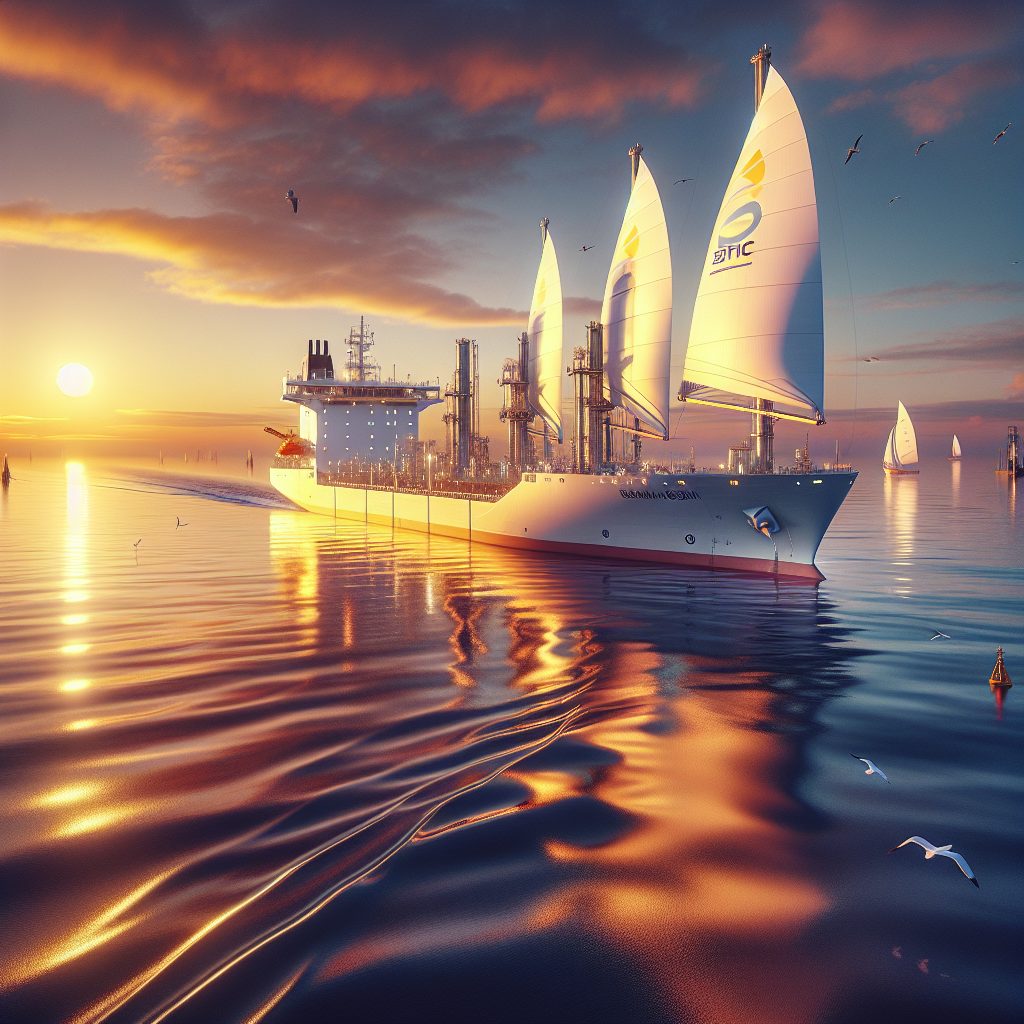
The Innovative eSAIL Suction Sail Revolutionizes Liquefied Petroleum Gas Transport The partnership between Bound4blue and BW Epic Kosan Bound4blue, a pioneering Spanish company in wind propulsion technology, has taken a significant step by teaming up with the shipping company BW Epic Kosan (BWEK) to install their revolutionary eSAIL suction sail on the gas carrier Helena Kosan. This agreement marks a major milestone as the company’s first project on a liquefied petroleum gas (LPG) carrier, as well as their first collaboration with this renowned shipowner. The ambitious installation project will be carried out in two phases: the first will involve preparatory work during the ship’s scheduled dry docking in 2025, while the final assembly of the sail is planned for 2026. This initiative underscores BW Epic Kosan’s commitment to innovation and sustainability in the maritime sector. Jose Miguel Bermúdez, CEO of Bound4blue, has highlighted the advantages that eSAIL technology offers to the gas and oil tanker sector, allowing for installation free of explosion-proof equipment. This feature is particularly crucial, as maintenance access is located above hazardous areas on the ship. eSAIL Technology: A Breakthrough in Efficiency and Sustainability The eSAIL system represents a significant advancement in auxiliary wind propulsion for the maritime sector. It utilizes a thick aerodynamic profile combined with an intelligent suction system that maximizes energy efficiency. This innovative design enables a notable reduction in fuel consumption and emissions of polluting gases, contributing to compliance with regulations such as the EU ETS and the CII. BWEK has made a strategic decision to implement this technology after a comprehensive analysis of various wind propulsion options available in the market. Jakob Bode, CEO of the shipping company, has stated that this measure complements other efficiency initiatives the company has adopted in recent years, such as the use of graphene-coated propellers and advanced weather analysis systems to optimize routes. eSAIL technology solidifies BW Epic Kosan’s commitment to reducing carbon footprint and improving the operational efficiency of its fleet, which consists of around 50 units dedicated to the transport of LPG, petrochemicals, and specialty gases. Impact on the Industry and Job Opportunities The installation of the eSAIL sail on the Helena Kosan represents not only a technological advancement but also sets a positive precedent for the entire maritime industry. Innovations of this kind are crucial to meeting the demanding environmental standards and international regulations expected in the coming years, aligned with global sustainability goals. For maritime professionals, both technical and operational, this project can represent significant job opportunities. The installation and maintenance of these technologies require specific knowledge and can open the door to new roles and specializations in the industry. Furthermore, the success of this project may encourage other shipping companies to adopt similar technologies, increasing the demand for specialists in these systems. Companies interested in following this trend may be keen to receive resumes from experts in naval engineering and renewable energies, thus offering a rewarding path for industry professionals. Relevance for the Future of Maritime Transport The advancement represented by the eSAIL suction sail is relevant for several reasons. Firstly, it signifies a step forward towards sustainability in a sector traditionally known for its high carbon footprint. Emissions reduction not only benefits the environment but also provides long-term economic advantages by reducing operational costs. In addition, the implementation of technologies like eSAIL positions shipping companies as leaders in innovation, granting them a competitive advantage in an increasingly green-oriented market. This not only appeals to environmentally conscious customers but can also serve as an incentive for investors interested in sustainable projects. Lastly, the introduction of advanced technologies in the maritime industry can inspire a new approach to training and continuous education for industry professionals. Educational and vocational training institutions may expand their curricula to include competencies in renewable energies and innovative propulsion technologies. Exploring the Future of Wind Propulsion at Sea The case of the Helena Kosan and eSAIL technology invites reflection on the future of wind propulsion and its potential not only in the gas carrier sector but in global maritime navigation. As more companies recognize the viability and benefits of these technologies, it is foreseeable that their adoption will accelerate, fostering a significant change in global maritime operations. The collaboration between Bound4blue and BWEK highlights the importance of strategic partnerships for innovation and progress in the maritime industry. Investments in research and development, supported by partnerships with technological companies, are essential to drive advances that improve energy efficiency and reduce emissions. In the future, wind propulsion could become a standard in the architecture of new ships, offering a hybrid approach that combines the best of renewable energies with conventional technology. This not only presents an opportunity for industry professionals but also signifies a commitment to a cleaner and more sustainable future for maritime transport.
Challenges and Innovations in the Transition to Sustainable Maritime Fuels
Challenges and Innovations in the Transition to Sustainable Maritime Fuels The Goal of Net Zero Emissions by 2050 The maritime industry, responsible for a significant portion of global greenhouse gas emissions, faces a monumental challenge in transitioning to cleaner fuels. With the target set by the International Maritime Organization (IMO) to achieve net zero emissions by 2050, profound and technologically complex changes are on the horizon for the sector. Transition fuels such as liquefied natural gas (LNG) and fossil-origin methanol are currently in the spotlight, while low or zero-emission solutions like ammonia, hydrogen, and advanced biofuels are emerging as the future alternatives. Each of these fuels presents unique challenges that require careful planning and the development of new technologies. For industry professionals, this transition signifies not just a change in current practices and technologies but also an opportunity to lead in innovation and sustainability. Shipowners are already filling their order books with vessels powered by LNG and methanol, paving the way for a significant reduction in emissions. Technical and Safety Challenges The Society of Classification DNV highlights that each alternative fuel presents a specific risk profile that must be carefully managed. Hydrogen, for example, requires cryogenic storage at extremely low temperatures of -253°C or high pressures, demanding strict requirements to prevent leaks and explosions. Ammonia poses toxicity and corrosion issues, as well as increased material frailty at low temperatures, requiring considerations from the outset of ship design. Technological Innovations: Carbon Capture and Storage One of the most significant innovations in the transition to sustainable fuels is the adoption of onboard carbon capture and storage technologies. This innovation allows for the capture of CO₂ emissions produced during fossil fuel combustion, significantly reducing vessels’ carbon footprint. Carbon dioxide has recently been classified by the IMO as a toxic substance, necessitating the implementation of strict safety protocols, adequate ventilation, and specific crew training. It is crucial for shipowners to combine these technological solutions with appropriate crew training, emergency procedures, and rigorous maintenance to ensure a safe transition to low-carbon fuels, safeguarding both personnel and the environment. Regulatory Framework and Operational Guidelines The regulatory framework, supported by the IGF Code and IMO’s alternative design guidelines, is continuously evolving to adapt to new technological realities. Comprehensive regulations for the use of methanol, ammonia, and hydrogen are a priority, encompassing technical aspects and clear guidelines on crew training and emergency procedures. The collaboration between shipowners, shipyards, and regulatory bodies is key to overcoming the challenges associated with the transition and promoting the adoption of sustainable practices throughout the maritime sector. Relevance for Industry Professionals The transition to sustainable maritime fuels is of enormous relevance to various segments of the audience at WishToSail.com. For merchant navy professionals, it represents a shift in daily operations, requiring the acquisition of new skills related to the management and handling of these alternative fuels. For maritime investors, this transition provides significant opportunities to invest in innovative technologies and sustainable solutions that not only meet emission reduction goals but also offer competitive advantages in the global market. A Sustainable Future for the Maritime Industry In conclusion, the transition to sustainable maritime fuels is not only an obligation to meet climate goals but also an opportunity to fundamentally transform the industry and move towards a cleaner and more efficient future. This transformation, while challenging, offers fertile ground for innovation and the development of new technologies. The maritime industry faces the challenge of balancing safety, sustainability, and profitability, a trilemma that can be addressed through planning, collaboration, and a firm commitment to change. We invite our readers to continue exploring this exciting topic and consider the career and investment opportunities that will arise in this transformative process. Companies in the sector are seeking talent and expertise to drive the transition towards greener maritime transport.
The Historic Agreement Between Hapag-Lloyd and Shell: A Crucial Advance in Maritime Decarbonization
The Historic Agreement Between Hapag-Lloyd and Shell: A Crucial Advance in Maritime Decarbonization In a context where sustainability has become a fundamental pillar for the development of any industry, Hapag-Lloyd and Shell have taken a significant step towards a more sustainable future by signing a long-term agreement for the supply of liquefied biogas (Bio-LNG). This agreement marks a milestone in the global transition towards sustainable marine fuels. This commitment is the result of a strategic collaboration initiated in 2023, aimed at accelerating the decarbonization of the maritime sector through the use of alternative fuels. With this partnership, both companies strengthen their position as leaders in the implementation of renewable solutions that are ready for immediate deployment. Biogas, also known as Bio-LNG, is a renewable fuel derived from organic waste, such as agricultural and food waste. Its use in Hapag-Lloyd’s dual-fuel ship fleet does not require modifications to the engines or onboard infrastructure, representing a significant advancement towards emission reduction. The Role of Bio-LNG in Carbon Neutrality Liquefied biogas emerges as a real and tangible solution within the maritime sector to move towards carbon neutrality. Being a fuel that does not require drastic technological changes, it allows for immediate emissions reductions and long-term sustainability benefits. In addition, the use of Bio-LNG enables a smoother and more cost-effective transition for companies, as it adapts to existing infrastructures. This approach is not only practical but also demonstrates that leadership in the maritime sector involves proactive action using lower-emission fuels that are already available. For maritime professionals, this news is relevant in several ways. It highlights a clear job opportunity in companies that are committed to sustainability, offers maritime investors a promising long-term profitability outlook in a market aligned with environmental regulations, and represents an evolution in the maritime world that will have a positive impact on routes and daily operations. Global Expansion of Bio-LNG Supply Shell has expanded its global Bio-LNG supply capabilities, now offering this fuel in 22 strategic locations in ports worldwide. This deployment is part of Shell’s LNG supply network, ensuring supply certainty and scalability for shipping companies like Hapag-Lloyd. This growth in Bio-LNG infrastructure reinforces confidence in renewable fuels and demonstrates that biogas is a viable and competitive option compared to traditional alternatives. The ability to scale these renewable fuels is crucial to meeting global decarbonization goals and represents a crucial step in transforming the sector. For maritime companies and investors, this expansion means greater security and predictability in the supply of clean fuels, essential for planning long-term operations and ensuring sustainable returns. Certification and Traceability: Ensuring a Sustainable Future One of the standout features of the agreement between Hapag-Lloyd and Shell is the certification of Bio-LNG by ISCC EU (International Sustainability and Carbon Certification). This certification ensures that the fuel comes from sustainable sources, with complete traceability throughout the supply chain and emissions reductions verified by third parties. ISCC EU certification assures shipping companies and their customers that they are using a fuel that meets the highest environmental and ethical standards. This level of assurance is crucial in a market where transparency and accountability are increasingly demanded. For stakeholders in the maritime sector, implementing certified fuels like Bio-LNG offers a competitive advantage, allowing them not only to comply with current and future regulations but also to meet the demands of an increasingly conscious and demanding market in terms of sustainability. The Logistics of Biogas: A Mass Balance System One of the innovative features of biogas distribution is the mass balance approach. The process begins with the treatment of organic waste to generate biogas, which is then purified and liquefied before being injected into local gas networks. The distribution model through mass balance allows biogas to be extracted and delivered to strategic locations efficiently, ensuring supply traceability and sustainability. This approach eliminates the need for entirely new infrastructure, thus facilitating the large-scale adoption of renewable fuels. This innovative methodology highlights the maritime sector’s ability to adapt to new forms of clean energy distribution, providing both companies and industry professionals with a solid platform to move towards more sustainable operations. Joint Commitment Towards Net Zero The agreement between Hapag-Lloyd and Shell reinforces their commitment to carbon neutrality by 2045. Bio-LNG will play a crucial role in reducing emissions from Hapag-Lloyd’s fleet, while also enabling customers to reduce the carbon footprint of their supply chains. For Shell, this agreement aligns with its broader energy transition strategy, investing in renewables and low-carbon fuels to support global decarbonization across various industries. The impact of this joint strategy is significant, not only in terms of regulatory compliance but also in public perception, positioning both companies as leaders in innovation and sustainability in the maritime sector. Conclusion: A Turning Point for Renewable Marine Fuels The liquefied biogas agreement between Shell and Hapag-Lloyd goes beyond a simple fuel supply contract. It represents a strategic alliance, a statement of intentions, and a model to follow for the sustainable future of maritime
The Sustainable Navigation of EPS: 450 LNG Bunkering Operations Shaping the Future of the Maritime Sector
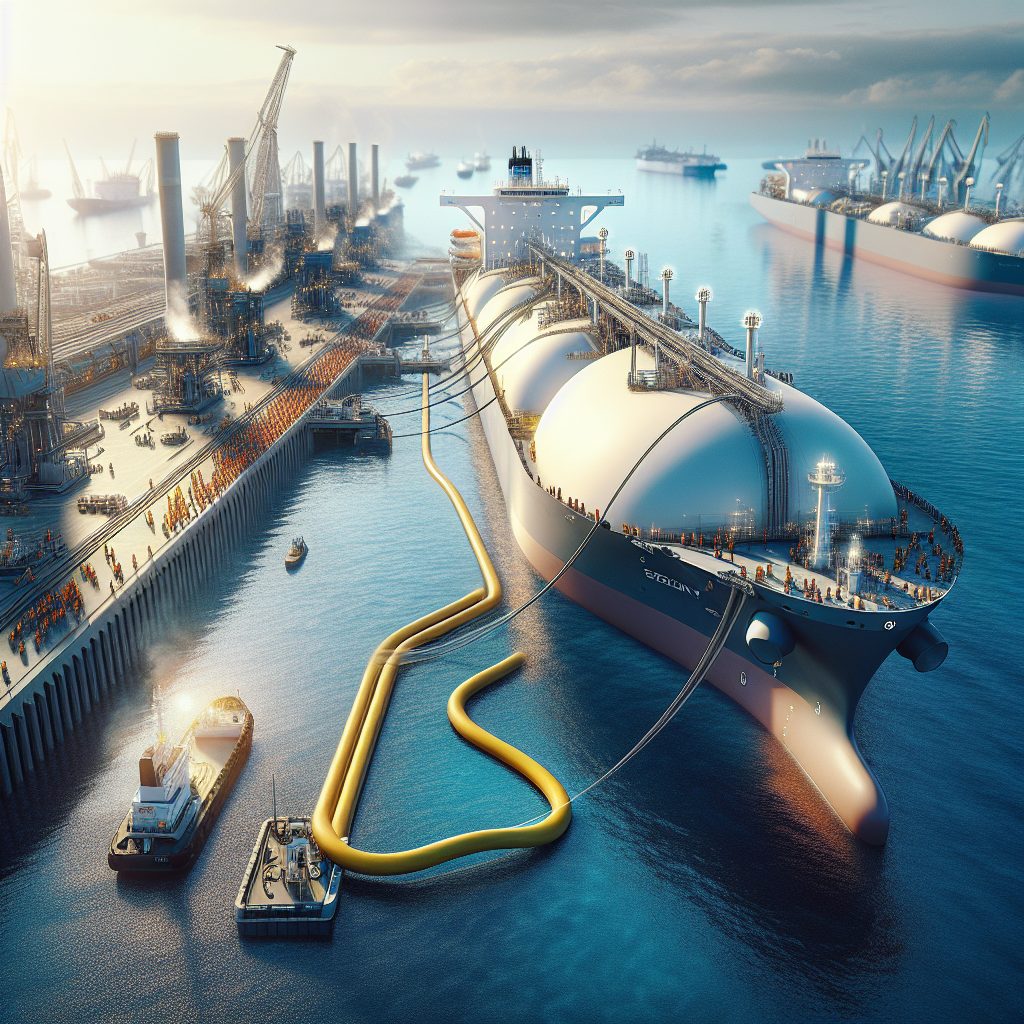
The Sustainable Navigation of EPS: 450 LNG Bunkering Operations Shaping the Future of the Maritime Sector In a significant step towards maritime sustainability, Eastern Pacific Shipping Pte. Ltd. (EPS) has reached its milestone of 450 ship-to-ship (STS) liquefied natural gas (LNG) bunkering operations. This achievement not only highlights EPS’s leadership in bunkering operations but also its commitment to a low-emission fleet. The Journey of EPS in LNG Bunkering: From Pioneers to Role Models EPS embarked on its journey in LNG bunkering in 2020 and has maintained steady growth over the years. They have gone from 250 operations in 2024 to reaching 450 recently. This solid progress is aligned with global decarbonization goals and demonstrates EPS’s ability to integrate clean fuel into commercial shipping. The Segway vessel, equipped with dual fuel technology, was the star of this operation, showcasing the extraordinary technical competence and coordination required between onboard and onshore teams to achieve safe and efficient LNG bunkering procedures. This milestone reflects EPS’s dedication to operational excellence, safety, and environmental responsibility. Each successful operation brings EPS closer to its vision of net-zero emissions and establishes its leadership in the transition to alternative maritime fuels. The Importance of LNG Bunkering for Maritime Sustainability LNG is widely recognized as a key transitional fuel in the maritime sector. It reduces CO₂ emissions by 20-25% compared to traditional marine fuels and virtually eliminates sulphur oxides (SOx). LNG also contributes to lower nitrogen oxides (NOx) and particulate matter, improving air quality around port cities and shipping routes. STS LNG bunkering operations enable flexible refueling for offshore vessels without disrupting tight travel schedules. EPS has demonstrated how these operations can be safely and efficiently scaled, establishing itself as a leader in adopting alternative fuels. The Role of Segway: EPS’s Next-Generation Tanker The Segway is one of EPS’s recent advancements in its fleet renewal strategy. Equipped with LNG propulsion systems and cutting-edge energy efficiency technologies, this vessel represents a new generation of tankers designed to comply with regulations and long-term carbon reduction. Its participation in the 450th STS operation underscores EPS’s strategy to ensure low-emission transport solutions while anticipating the future of maritime transport. The integration of innovative technologies in the Segway reflects not only EPS’s commitment to sustainability but also its focus on adaptation and continuous improvement in the maritime field. Setting Standards in LNG Bunkering Operations Few maritime companies have managed to implement LNG bunkering on the scale and speed of EPS. Each bunkering operation requires intricate orchestration with fuel suppliers, port approvals, onboard technical readiness, and strict safety procedures. With 450 operations under its belt, EPS not only demonstrates consistency but also a deep strategy in handling alternative fuels across various types of vessels and geographies. This achievement directly contributes to the industry’s efforts to reduce greenhouse gas emissions, aligning with the IMO’s climate goals for 2030 and 2050 and reinforcing LNG’s role as a reliable and mature option in the alternative fuel mix today. A Broader Commitment to Net Zero While LNG remains central to EPS’s fuel strategy, the company is actively exploring other decarbonization pathways, including biofuels, methanol, ammonia, and carbon capture-ready vessels. Their integrated approach combines fleet renewal with dual-fuel vessels, collaborations with global bunkering partners, digital optimization tools, and crew training for the safe handling of alternative fuels. With over 21 million deadweight tonnages under management and operations spanning containerships, bulk carriers, tankers, and car carriers, EPS is shaping the future of large-scale sustainable maritime transport. Conclusion: Driving a Cleaner Maritime Future EPS’s 450th LNG bunkering operation is more than just a number; it is a demonstration of what is possible when innovation, commitment, and safety merge in maritime operations. As the shipping industry faces increasing regulatory and social pressure to decarbonize, leaders like EPS are proving that LNG bunkering is not only viable but also scalable and effective. With this milestone, EPS continues to raise the standard for how global shipping companies can integrate sustainability without compromising reliability or safety. For the bunkering sector, this marks another significant advancement, where LNG bunkering has evolved from a pilot project to a standard practice. About Eastern Pacific Shipping (EPS) Eastern Pacific Shipping is a global shipowner and operator based in Singapore, with a fleet exceeding 21 million deadweight tons. The company manages a wide range of vessel types, including containerships, tankers, dry bulk carriers, and PCTCs. With over 60 years of heritage and a team of over 6,000 professionals worldwide, EPS is committed to leading the maritime energy transition through innovation, sustainability, and operational excellence.