


The LOTUS Project: Innovations in Biofuels for Maritime Decarbonization
The LOTUS Project: Innovations in Biofuels for Maritime Decarbonization The Global Centre for Maritime Decarbonisation (GCMD), in collaboration with NYK Line, has announced a significant breakthrough in the use of biofuels in the maritime sector. The LOTUS Project has confirmed the viability of continued use of a B24 biofuel blend on vessels, marking a milestone in reducing greenhouse gas emissions in maritime transport. This ambitious project, initiated in May 2024, lasted for six months and focused on assessing the long-term effects of B24 on marine engines and onboard fuel systems. The mixture used in this trial consists of 24% fatty acid methyl ester (FAME) combined with very low sulfur fuel oil (VLSFO). The urgency to reduce the environmental impact of the maritime industry is growing day by day. With this project, GCMD has filled a significant data gap regarding the long-term impact of biofuels, providing concrete evidence supporting their safe and reliable use. Results of the LOTUS Project: Solid Testing in Real Conditions The tests carried out during the project included an extensive set of laboratory analyses, detailed inspections of the fuel delivery system and engine components. A total of 94 fuel tests and 91 lubricant oil tests were conducted, with continuous use of B24 for 2,888 hours on the main engine and 1,813 hours on the generators. One of the key findings was the absence of operational degradation in the tested vessels. The engines operated comparably to when using conventional VLSFO, with no excessive wear on fuel injection valves, pump plungers, liners, and pistons that remained within manufacturer specifications. The testing period also revealed no sludge or microbial growth, even with a 2.5-fold increase in the acid value of stored B24 over six months. These remained within ISO 8217 standards, confirming the total compatibility of the biofuel with vessels. Adoption in the Industry GCMD conducted a survey among vessel operators currently using biofuels, revealing a trend towards practical adoption strategies based on risk. Many operators are successfully adapting their existing standard operating procedures for biodiesel use. This adaptation reflects a broader shift within the industry, where classification societies, OEMs, and ship operators must collaborate to balance safety standards with operational realities. This is key to a wider and safer implementation of biofuels in maritime transport. The experience gained during the LOTUS project will provide valuable knowledge for operators to adapt their practices and maximize fleet efficiency using biofuels. Strategic Importance in a Low-Carbon Future The results of the LOTUS Project are highly relevant in the context of the IMO’s net-zero emissions framework and upcoming Greenhouse Gas Fuel Intensity (GFI) targets. Biofuels, especially drop-in blends like B24, represent a short-term opportunity for vessel owners looking to comply with regulations. In addition to meeting regulatory requirements, the use of biofuels can help reduce greenhouse gas-related penalties and generate surplus carbon units for future trading. These measures are essential for the economic and environmental sustainability of the industry. In the words of NYK Line’s senior executive Nobuhiro Kashima, “The use of biofuels is one of the key options for advancing the sustainable development of the maritime industry.” This approach represents a crucial competitive advantage for shipping companies in an increasingly sustainability-focused market. A Monitoring Framework for the Future A highlight of the LOTUS Project is the structured monitoring framework, now publicly available, that will enable ship owners and operators to systematically track biodiesel performance and detect anomalies early on. This framework includes a customized data logging template, derived from conventional engine logs, which has proven effective during the trial and is ready for adoption across the industry. This resource can be adapted to different vessel configurations and operational requirements, facilitating a smooth transition to greener practices. The availability of this monitoring framework not only provides operators with confidence in the continued use of biofuels but also fosters a culture of innovation in the maritime sector, accelerating its transition to a more sustainable future. Conclusions and the Next Frontier in Maritime Biofuels The success of the LOTUS Project offers multiple reasons to be relevant to WishToSail.com readers. Firstly, it provides a practical solution to the growing demand for sustainable fuel options, essential for meeting increasingly stringent environmental regulations. Secondly, the implementation of biofuels like B24 can create new job opportunities in the sector, as companies will need trained personnel to operate and maintain facilities with these fuels. We invite our readers interested in this field to consider submitting their resumes to companies adopting these new fuels. Lastly, it promotes innovation and collaboration among different sector players, laying the groundwork for a structural shift towards more sustainable practices. It is a reminder that concerted action and technological innovation are key to addressing current environmental challenges. In summary, the LOTUS Project represents not only a significant technical advancement but also a promise for the future of sustainable maritime transport. Industry professionals are called to lead this change, making the ocean a cleaner and safer environment for future generations.
Technological Innovations in the Maritime Sector
Technological Innovations in the Maritime Sector In a dynamic sector like the maritime industry, constant adaptation and evolution are crucial. TechnipFMC, a leading company in services and technology for the energy and maritime industry, is about to share its results for the third quarter of 2025. This event, scheduled for October 23, offers a unique opportunity to analyze the strategies and recent innovations that the company has implemented in the global market. The conference, set for 13:30 London time, will be live-streamed through their investor relations webpage. This not only allows direct access to updated financial data but also provides an in-depth analysis of current trends in the maritime and energy market. The information becomes an invaluable resource for those looking to understand the future direction of the industry. For professionals, investors, and maritime enthusiasts, this conference is not just a review of numbers but a window into technological innovations and emerging business opportunities. TechnipFMC has been at the forefront of integrating cutting-edge technology into its operations, highlighting the importance of staying informed about their strategic movements. TechnipFMC’s commitment to technological innovation is evident. The company has been a pioneer in implementing advanced automation systems and digitization technology in its operations. These developments have not only improved the efficiency of their projects but have set a precedent for how technology can transform the maritime sector. One of the most notable innovations has been the application of artificial intelligence (AI) tools and data analysis. These technologies allow TechnipFMC to optimize routes and operations, reducing costs and improving the environmental sustainability of their projects. By integrating these tools, the company not only enhances its own processes but also offers a model for how other companies in the sector can follow similar steps. For sailors and industry professionals, these innovations represent opportunities to improve their own work practices. Understanding and using these technologies can be a key differentiator for professionals looking to advance in their maritime careers. Job and Investment Opportunities in the Maritime Sector The maritime sector is constantly expanding, bringing new job opportunities. TechnipFMC, with its innovative approach, is looking for talents that can contribute to its continuous growth. The results conference is an ideal platform for professionals interested in joining a cutting-edge company. TechnipFMC’s initiatives translate not only into job opportunities but also into potential investments for those interested in the sector. The company has shown leadership in adopting new technologies and sustainable practices, making it an attractive option for investors looking for solid proposals in the maritime and energy market. Participating in these events and closely following TechnipFMC’s actions can offer industry professionals a competitive advantage. Understanding the strategies and developments of a leading company allows professionals to position themselves better in the job market and investors to make informed decisions. Relevance for WishToSail.com Readers For merchant marine professionals and sailors, staying informed about technological innovations and corporate strategies of companies like TechnipFMC is crucial. First, it allows them to identify new job opportunities and collaborations within an evolving sector. Second, it offers the possibility to improve their skills and adapt to the new technologies transforming the industry. As for maritime investors, these events are essential for making informed decisions on where and how to invest. TechnipFMC, with its focus on sustainability and advanced technology, represents a safe bet and an indicator of future sector trends. Finally, for nautical enthusiasts, following these conferences provides a deeper understanding of the impact of technological innovations on their recreational activities. The adaptation of advanced technologies can also be applied to recreational boating, enhancing the overall sailing experience. Conclusion The TechnipFMC event is much more than just a financial results presentation. It is a crucial opportunity for professionals, investors, and enthusiasts to understand the innovations and strategies that are transforming the maritime sector. With its focus on advanced technologies and sustainability, TechnipFMC demonstrates how the maritime sector can evolve effectively and efficiently. It’s not just about adapting to changes but leading them. For those interested in understanding how current innovations can impact their work or hobby, this conference is an event not to be missed. We encourage our readers to closely follow these developments to always stay at the forefront in such a dynamic sector as the maritime industry.
Posco International and Korea Southern Power Driving LNG Supply in South Korea
Posco International and Korea Southern Power Driving LNG Supply in South Korea Posco International and Korea Southern Power Co., Ltd. (KOSPO) have signed a Memorandum of Understanding (MOU) to promote the business of supplying Liquefied Natural Gas (LNG) in South Korea, marking a significant milestone for the country’s energy and maritime fuel landscape. The signing ceremony took place at the prestigious Posco Center in Seoul, signaling a crucial step towards establishing South Korea as a competitive hub for LNG supply in Asia. The agreement will enable Korea Southern Power to start using Posco International’s LNG supply services from 2027, significantly reducing dependence on foreign supply operations and establishing a cleaner and more efficient energy supply chain for LNG-powered vessels. This initiative is particularly relevant in the global context of transitioning to carbon neutrality, where LNG has emerged as a key alternative fuel option due to its significantly lower emissions compared to conventional marine fuels. Despite the global momentum towards LNG supply, the industry in South Korea is still in its early stages. Insufficient infrastructure and high operating costs have led to continued reliance on foreign supplies, such as Singapore. South Korea Southern Power’s vessels, Nambu 1 and Nambu 2, pioneers in the country’s efficient energy maritime transport, have been forced to make costly detours to refuel abroad since their launch in 2023. Strategic Public-Private Collaboration The signed MOU represents a transformative collaboration between the public and private sectors aiming to change this paradigm. The event was attended by over ten high-level representatives from both companies, including Min Chang-Kie, Director of Posco International, and Park Young-Chul, Vice President of Korea Southern Power. This agreement not only sets new standards for the energy industry in terms of technology, logistics, and supply chains but also creates a model case for South Korea’s energy sector, ensuring both environmental sustainability and energy security through a stable and clean marine fuel supply chain. Park Young-Chul, Vice President of Korea Southern Power, emphasized the broader implications of the agreement for national carbon goals by pointing out that this agreement not only extends carbon neutrality efforts from power generation to fuel supply chain but also fosters collaboration beyond traditional borders to achieve South Korea’s net-zero emissions targets. This type of collaboration is a notable example of how public-private partnerships can promote sustainable progress, reshape industry standards, and position South Korea as a leader in clean marine energy. Posco International: A World-Class LNG Ecosystem Since its merger with Posco Energy in 2023, Posco International has rapidly consolidated its position as the leading integrated LNG player in South Korea. The company now manages the entire LNG value chain, including exploration and production in locations such as Myanmar and Australia, long-term procurement contracts with Cheniere Energy in North America, and the operation of its own vessel for LNG transport. Moreover, it is undergoing a significant expansion at the Gwangyang LNG Terminal, increasing its storage capacity from 930,000㎘ to 1,330,000㎘, enhancing the country’s energy reliability. This vertically integrated model not only improves energy reliability but also gives Posco International a unique advantage in LNG supply operations in South Korea by combining technical capability, infrastructure, and fuel availability. Therefore, for merchant marine professionals, this evolution presents an opportunity for both employment and investment as the creation of new jobs and the expansion of LNG infrastructure can create a favourable environment for professional growth and sector investment. Posco International’s ability to operate a cohesive and integrated LNG supply chain is not only a triumph for the company but also an encouraging sign for South Korea as a whole, showing how technology and strategic operations can position the country as a leader in sustainable marine fuel supply. Korea Southern Power: Innovation and Environmental Commitment As South Korea’s first public power generation company to operate LNG-powered vessels, Korea Southern Power has been at the forefront of decarbonizing maritime operations. By securing domestic LNG supply services through this partnership, KOSPO is poised to lead the transition towards low-emission maritime logistics, reinforcing its commitment to environmental management. The company has shown exemplary commitment to sustainability, and with this new collaboration, aims to establish a gold standard in the maritime industry for clean and efficient operations. This is not only beneficial for the environment but also for maritime investors as it presents a viable and sustainable business model that can attract investments and build confidence in the sector. For sailors and nautical enthusiasts, this news represents an opportunity to closely observe how green initiatives are reshaping the maritime industry, inspiring similar projects in different regions and fostering the development of more ecological and efficient maritime routes. South Korea Towards Leadership in LNG Supply The collaboration between Posco International and Korea Southern Power is seen as a strategic turning point for South Korea’s ambitions to become a global LNG supply hub. By addressing key bottlenecks
Renault Joins UECC to Drive Green Maritime Transport: A Step Towards Sustainability
Renault Joins UECC to Drive Green Maritime Transport: A Step Towards Sustainability Renault and UECC: A Strategic Alliance for Decarbonization The maritime industry is undergoing a significant shift towards a more sustainable future, and Renault Group has demonstrated its commitment by joining United European Car Carriers’ (UECC) “Sail for Change” initiative. This collaboration aims to reduce CO₂ emissions through the implementation of sustainable fuels in maritime transport. The partnership underscores the crucial role that automotive companies play in combating climate change. Renault’s main goal in joining the initiative is to drastically reduce Scope 3 emissions, which represent a significant portion of a company’s carbon footprint. By using bioLNG, Renault anticipates an annual reduction of 1,000 tonnes in these emissions, marking a significant milestone on its path to carbon neutrality. With the entrance of Renault, Sail for Change now has the participation of five major global automakers, enhancing UECC’s ability to offer low-emission RoRo transport throughout Europe. Green Route: The Path to Sustainable Shipping The official start of Renault’s pilot shipments under the “Sail for Change” program took place on July 1, 2025. These shipments, originating from the port of Zeebrugge, Belgium, and heading to Esbjerg, Denmark, use ships powered by liquefied biomethane, known as bioLNG. This advancement not only contributes to emission reduction but also sets a standard for future maritime operations. By choosing these routes, Renault and UECC not only maximize logistics efficiency but also set an example of how sustainable practices can be integrated into daily operations in the automotive industry. By reducing emissions on specific routes, Renault is advancing towards achieving cleaner and more efficient logistics. This approach to green maritime transport is not only a step towards environmental sustainability but also opens up opportunities for professionals in the sector looking to be part of real change. The Role of BioLNG in the Decarbonization Strategy BioLNG has become a flagship fuel in UECC’s decarbonization strategy. This fuel not only significantly reduces CO₂ emissions but also complies with EU and International Maritime Organization decarbonization regulations. In 2024, UECC’s ships burned over 107,000 tonnes less CO₂, with a projected 50% increase for 2025. The supply of bioLNG comes from an agreement with Titan Clean Fuels, enabling large-scale reductions in carbon intensity. This comprehensive vision is crucial for advancing towards a more sustainable future in maritime transport. Renault’s Commitment to Net Zero: Towards 2040 Renault’s participation in “Sail for Change” aligns with its “Renaulution” strategy, which aims to reduce logistics-related emissions by 27% by 2030, with the goal of achieving carbon neutrality in Europe by 2040 and globally by 2050. This commitment emphasizes the importance of addressing Scope 3 emissions, the most challenging to control in a company’s carbon footprint. Renault has shown that by implementing practical and effective measures in its supply chain, significant progress towards sustainability can be made. Regulation and the Future of Sustainable Fuels UECC is not stopping at bioLNG. The company plans to expand its portfolio of sustainable fuels to include eLNG and other next-generation marine fuels. This proactive approach supports UECC’s goal of reducing carbon intensity by 45% by 2030 and achieving net zero by 2040. UECC’s strategic investments in low-emission maritime transport are already protecting its customers from rising compliance costs under the EU Emissions Trading System and FuelEU Maritime regulations. Competitiveness Through Compliance With over half of UECC’s projected fuel usage expected to come from alternative sources by 2030, the company is well-positioned to maintain fleet ratings compliant with the Carbon Intensity Index (CII) and generate surplus credits under the EU system.
Molgas Leads Maritime Sustainability in Portugal with First LNG Supply at the Port of Leixões
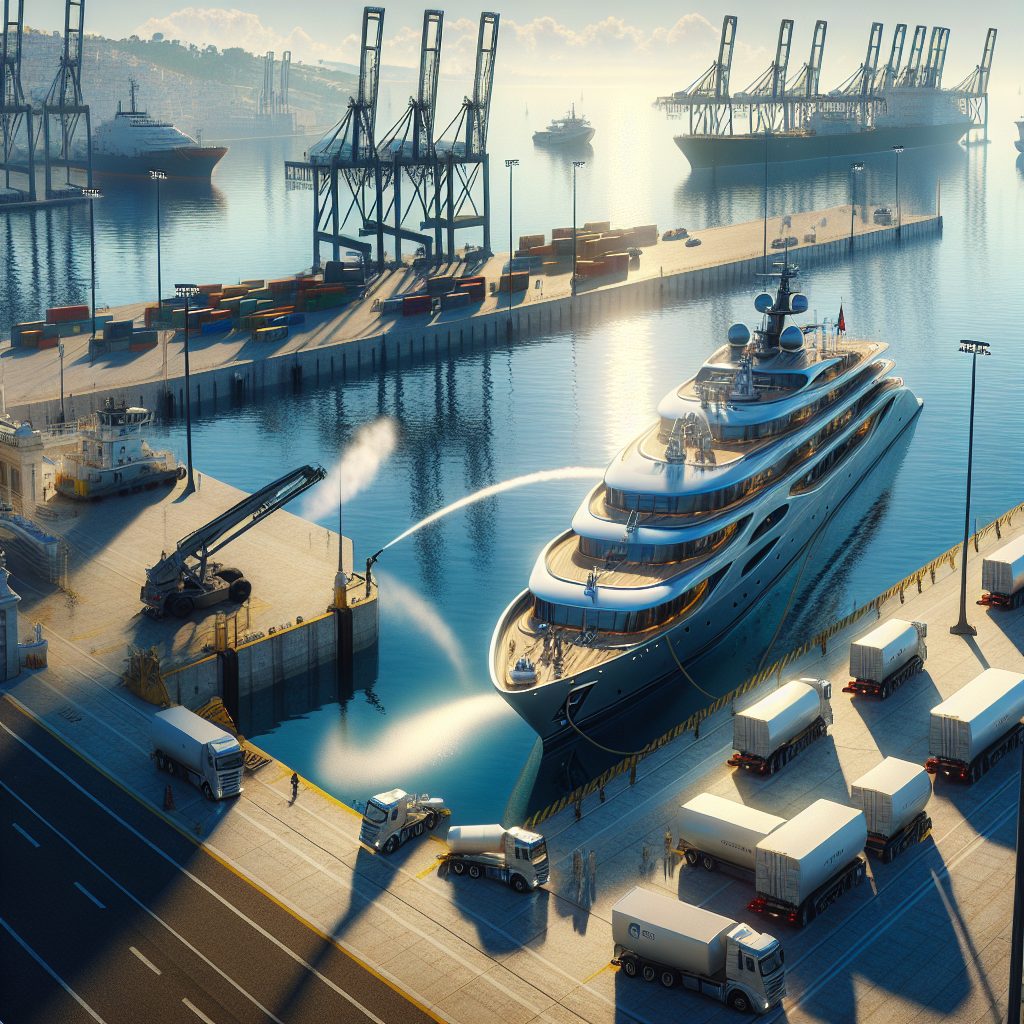
Molgas Leads Maritime Sustainability in Portugal with First LNG Supply at the Port of Leixões In a significant advancement for the Portuguese and European maritime sector, the Energy Group Molgas has achieved the first supply of Liquefied Natural Gas (LNG) at the Port of Leixões, Portugal. This operation marks the official launch of a permanent LNG supply point in the country, positioning Portugal as a key player in Europe’s sustainable marine energy network. Innovation in LNG Supply: A Step towards Decarbonization The milestone was achieved through the refuelling of the motor vessel Ilma, the new luxury yacht from The Ritz-Carlton Yacht Collection. The operation was carried out through the Multi-Truck-to-Ship (MTTS) method, ensuring a safe, efficient, and flexible delivery. This achievement not only reinforces Molgas’ commitment to sustainability but also highlights the advanced logistical capabilities that the company brings to the sector. Fernando Breda, Commercial Director of Molgas Portugal, highlighted the long-term impact of this operation, emphasizing its importance in the journey towards decarbonizing oceanic mobility. These words were supported by Johannes R. Richter, Leader of Molgas’ Maritime Group, who emphasized the importance of adding Portugal to their flexible European supply network. This pioneering operation not only marks a turning point for Portugal but also for Europe as a whole, incorporating cleaner energy and contributing to the EU’s climate goals. From Amsterdam to Porto: The Growing footprint of LNG This achievement at the Port of Leixões follows a previous successful operation at the Port of Amsterdam, in collaboration with Titan. These initiatives are part of Molgas’ broader strategy to establish an LNG and bio-LNG supply network across the continent, underscoring their commitment to sustainability and operational excellence. The establishment of a permanent supply point in Leixões is the first step towards further expanding LNG capabilities in Portuguese ports. This not only strengthens European infrastructures but also opens up new job and business opportunities for maritime professionals. Merchant mariners and maritime investors should consider these initiatives as an opportunity to strategically position themselves in a growing market. Additionally, shipping companies interested in transitioning to cleaner fuels will find Molgas to be a crucial ally. Molgas’ Impact on European Maritime Sustainability The operation at Leixões represents a crucial point in the development of cleaner fuel infrastructures in Portugal and Europe. The climate goals set by the EU require a transition to cleaner energies, and Molgas is at the forefront, providing advanced logistical and technological solutions. The words of Captain Rui Cunha, from the Port of Leixões, highlight the strategic importance of this operation, showcasing the port’s ability to meet the new demands for sustainability and innovation. Molgas’ commitment to sustainability not only positions Portugal as a hub for LNG supply in Southern Europe but also offers new pathways for ship operators to explore cleaner alternatives to traditional marine fuels. Future Expansion: Enhanced Access to LNG on the Portuguese Coast Following the success at Leixões, other Portuguese ports will join Molgas’ LNG supply network, increasing access to cleaner fuel alternatives along the Atlantic corridor. As the maritime sector evolves, Molgas continues to lead, providing the infrastructure, logistics, and innovation necessary to drive the next generation of green maritime transport. The future expansion of LNG on the Portuguese coast is not only an opportunity for the local economy but also a significant step towards greater sustainability in maritime transport. For maritime investors, this represents a unique opportunity to participate in the growth of a rapidly evolving sector. Molgas Energy Group: A Leader in Clean Energy With over 30 years of experience in cryogenic logistics, Molgas Energy Group is a European leader in supplying LNG and bio-LNG, operating in more than 16 countries. The company has built the most comprehensive low-carbon fuel logistics network in Europe, offering clean and cost-effective solutions on land and at sea. Molgas combines expertise in energy supply, safety, and scalability to deliver tailored solutions to customer needs in both industrial and maritime environments. Molgas Maritime Operations: Safety, Flexibility, and Reach The company’s Maritime Operations Division offers comprehensive LNG solutions in the Mediterranean, Baltic, and North Seas, including ship-to-ship transfers, truck-to-ship supplies, and terminal-to-ship loading. With a proven track record of technical reliability and environmental leadership, Molgas positions itself as a trusted partner in the transition to sustainable maritime energy. Molgas’ commitment to safety and innovation not only benefits the maritime industry but also drives the transition towards a cleaner and more sustainable future. Professionals and enthusiasts in the nautical sector will find these initiatives an inspiring example of what can be achieved through collaboration and innovation. In conclusion, the first LNG supply at the Port of Leixões is a significant advancement for Portugal and Europe. Molgas emerges as a leader in transitioning to cleaner maritime fuels, offering unique opportunities for professionals and investors in the sector. With an expanding network and a focus on sustainability, the future of maritime transport looks cleaner and more efficient.
The Strategic Expansion of Hawks Group in the Mediterranean
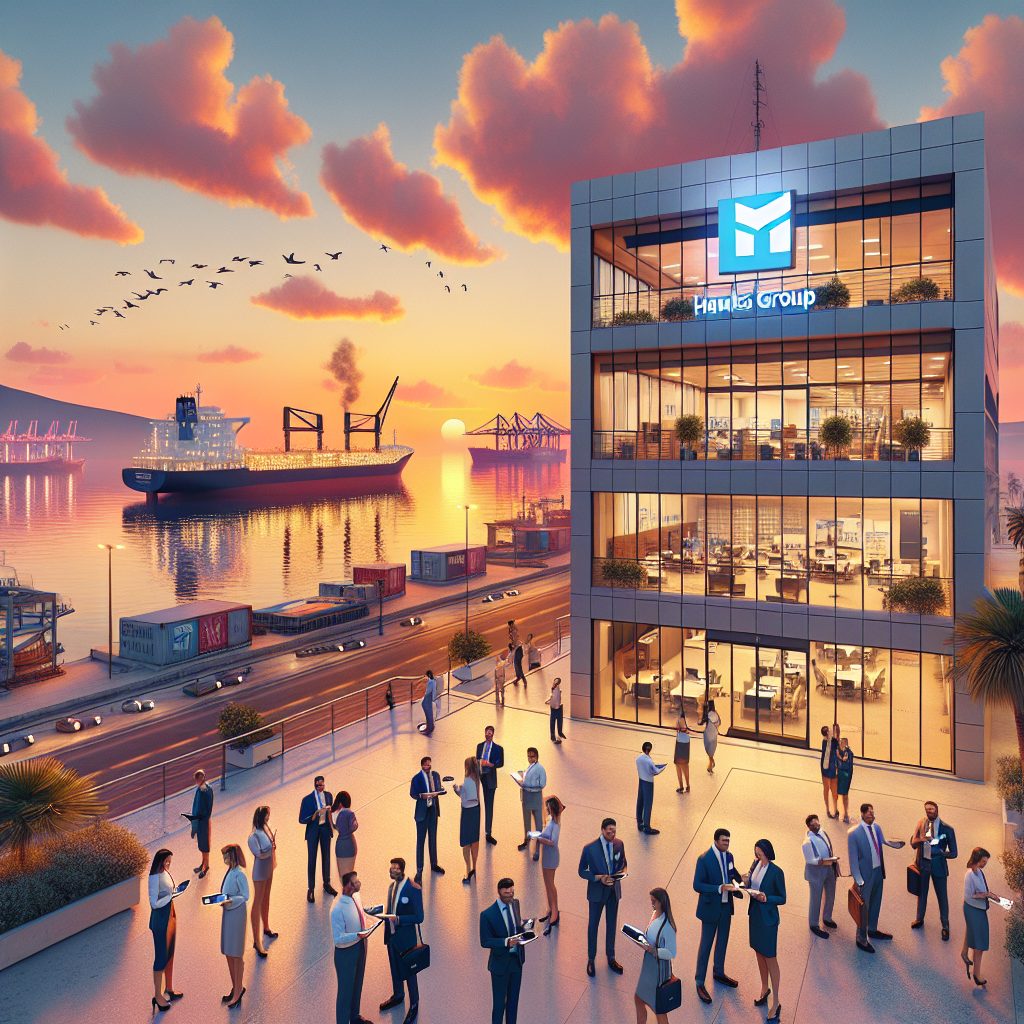
The Strategic Expansion of Hawks Group in the Mediterranean Hawks Group, a global leader in the supply and trading of marine fuels, has announced the opening of a new office in Athens, Greece. This move not only reaffirms the company’s commitment to expanding its presence in the Mediterranean but also represents an opportunity for growth in a strategic market for international maritime trade. Athens, historically an epicentre of navigation and maritime routes, will offer Hawks Group privileged access to global trade circuits. The new office in the Greek capital will optimize operational flow and ensure closer management of its activities in the region. With offices already established in the United Arab Emirates, Singapore, and several key cities worldwide, this expansion highlights the strategic importance of Greece in the group’s growth plans. Hawks Group expects this new headquarters to serve as a bridge between Asia, the Middle East, and Europe, facilitating its goal of providing marine energy solutions globally. Innovations and Opportunities in the Marine Fuel Trade The marine fuel trade is an essential part of the global logistics sector, and innovation in this area is crucial for maintaining operational efficiency and economic sustainability. Hawks Group has distinguished itself by integrating advanced technology into its operations, improving not only supply efficiency but also ensuring strict compliance with international regulations. With over 500,000 metric tons of fuel marketed in 2024, the company continues to innovate in its procedures to enhance customer experience. The implementation of real-time monitoring technologies for supply and route optimization are just a few examples of how this company is at the forefront of the sector. For maritime industry professionals, joining Hawks Group offers a valuable opportunity to be part of a dynamic environment that prioritizes innovation and growth. Aspiring bunker traders in Athens will have access to a global network of professionals, strengthening their international experience and projection in the fuel trade. The Role of Bunker Trader: Key to Mediterranean Growth The role of a bunker trader is crucial within Hawks Group’s operational structure. These professionals are responsible for managing and expanding a portfolio of marine fuel clients, ensuring efficient coordination of the supply chain from initial inquiry to final delivery. Among the responsibilities of this position is the development of commercial strategies, building strong relationships with shipowners, operators, and charterers, as well as collaborating with suppliers and logistics partners worldwide. Bunker traders are the critical point of contact that ensures operational fluidity and maximizes opportunities in the global market. Furthermore, the ability to work autonomously, handle complex negotiations, and provide daily price updates is crucial. Proficiency in English and Greek, along with a robust commercial mindset, are highly valued aspects for those interested in joining the Athens team. Advantages of Joining Hawks Group Becoming part of Hawks Group during this expansion phase is a strategic step for any maritime industry professional. The company offers a dynamic and global work environment where personal and professional growth is supported by a consolidated international network. Hawks Group employees benefit from a corporate culture that values regulatory compliance, customer service, and sustainable growth. With the opening of the Athens office, new team members will have the opportunity to directly impact the development of operations in the Mediterranean. Lastly, access to advanced resources and a solid operational infrastructure ensures that employees can focus on innovating and leading the future of marine fuel trade in Europe while enjoying the benefits of belonging to a global industry leader. Career Opportunities in a Leading Company The expansion of Hawks Group in Athens not only represents a milestone in its growth strategy but also opens up a range of opportunities for maritime industry professionals. This initiative promises to contribute to the development of the marine fuel market in the Mediterranean, offering an environment rich in resources and growth potential. For sailors, investors, and merchant navy professionals, this is a clear signal of emerging opportunities in the sector. Those interested in being part of this exciting project can submit their resumes through the Hawks Group website, in what promises to be a significant step in their careers. The future of marine fuel trade is full of possibilities, and Hawkins Group is at the forefront of these developments. Industry professionals now have the opportunity to be part of a company that not only leads in innovation and efficiency but also deeply values the personal and professional growth of its team.