Renault Joins UECC to Drive Green Maritime Transport: A Step Towards Sustainability
Renault and UECC: A Strategic Alliance for Decarbonization
The maritime industry is undergoing a significant shift towards a more sustainable future, and Renault Group has demonstrated its commitment by joining United European Car Carriers’ (UECC) “Sail for Change” initiative. This collaboration aims to reduce CO₂ emissions through the implementation of sustainable fuels in maritime transport. The partnership underscores the crucial role that automotive companies play in combating climate change. Renault’s main goal in joining the initiative is to drastically reduce Scope 3 emissions, which represent a significant portion of a company’s carbon footprint. By using bioLNG, Renault anticipates an annual reduction of 1,000 tonnes in these emissions, marking a significant milestone on its path to carbon neutrality.
With the entrance of Renault, Sail for Change now has the participation of five major global automakers, enhancing UECC’s ability to offer low-emission RoRo transport throughout Europe.
Green Route: The Path to Sustainable Shipping
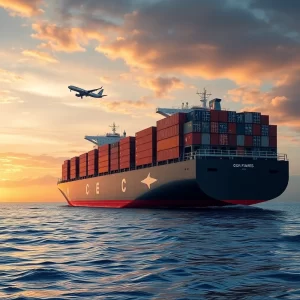
The official start of Renault’s pilot shipments under the “Sail for Change” program took place on July 1, 2025. These shipments, originating from the port of Zeebrugge, Belgium, and heading to Esbjerg, Denmark, use ships powered by liquefied biomethane, known as bioLNG. This advancement not only contributes to emission reduction but also sets a standard for future maritime operations. By choosing these routes, Renault and UECC not only maximize logistics efficiency but also set an example of how sustainable practices can be integrated into daily operations in the automotive industry.
By reducing emissions on specific routes, Renault is advancing towards achieving cleaner and more efficient logistics. This approach to green maritime transport is not only a step towards environmental sustainability but also opens up opportunities for professionals in the sector looking to be part of real change.
The Role of BioLNG in the Decarbonization Strategy
BioLNG has become a flagship fuel in UECC’s decarbonization strategy. This fuel not only significantly reduces CO₂ emissions but also complies with EU and International Maritime Organization decarbonization regulations. In 2024, UECC’s ships burned over 107,000 tonnes less CO₂, with a projected 50% increase for 2025. The supply of bioLNG comes from an agreement with Titan Clean Fuels, enabling large-scale reductions in carbon intensity.
This comprehensive vision is crucial for advancing towards a more sustainable future in maritime transport.
Renault’s Commitment to Net Zero: Towards 2040
Renault’s participation in “Sail for Change” aligns with its “Renaulution” strategy, which aims to reduce logistics-related emissions by 27% by 2030, with the goal of achieving carbon neutrality in Europe by 2040 and globally by 2050. This commitment emphasizes the importance of addressing Scope 3 emissions, the most challenging to control in a company’s carbon footprint.
Renault has shown that by implementing practical and effective measures in its supply chain, significant progress towards sustainability can be made.
Regulation and the Future of Sustainable Fuels
UECC is not stopping at bioLNG. The company plans to expand its portfolio of sustainable fuels to include eLNG and other next-generation marine fuels. This proactive approach supports UECC’s goal of reducing carbon intensity by 45% by 2030 and achieving net zero by 2040.
UECC’s strategic investments in low-emission maritime transport are already protecting its customers from rising compliance costs under the EU Emissions Trading System and FuelEU Maritime regulations.
Competitiveness Through Compliance
With over half of UECC’s projected fuel usage expected to come from alternative sources by 2030, the company is well-positioned to maintain fleet ratings compliant with the Carbon Intensity Index (CII) and generate surplus credits under the EU system.