




Uni-Tankers Boost Sustainability with New Vessel M/T Marex Mia
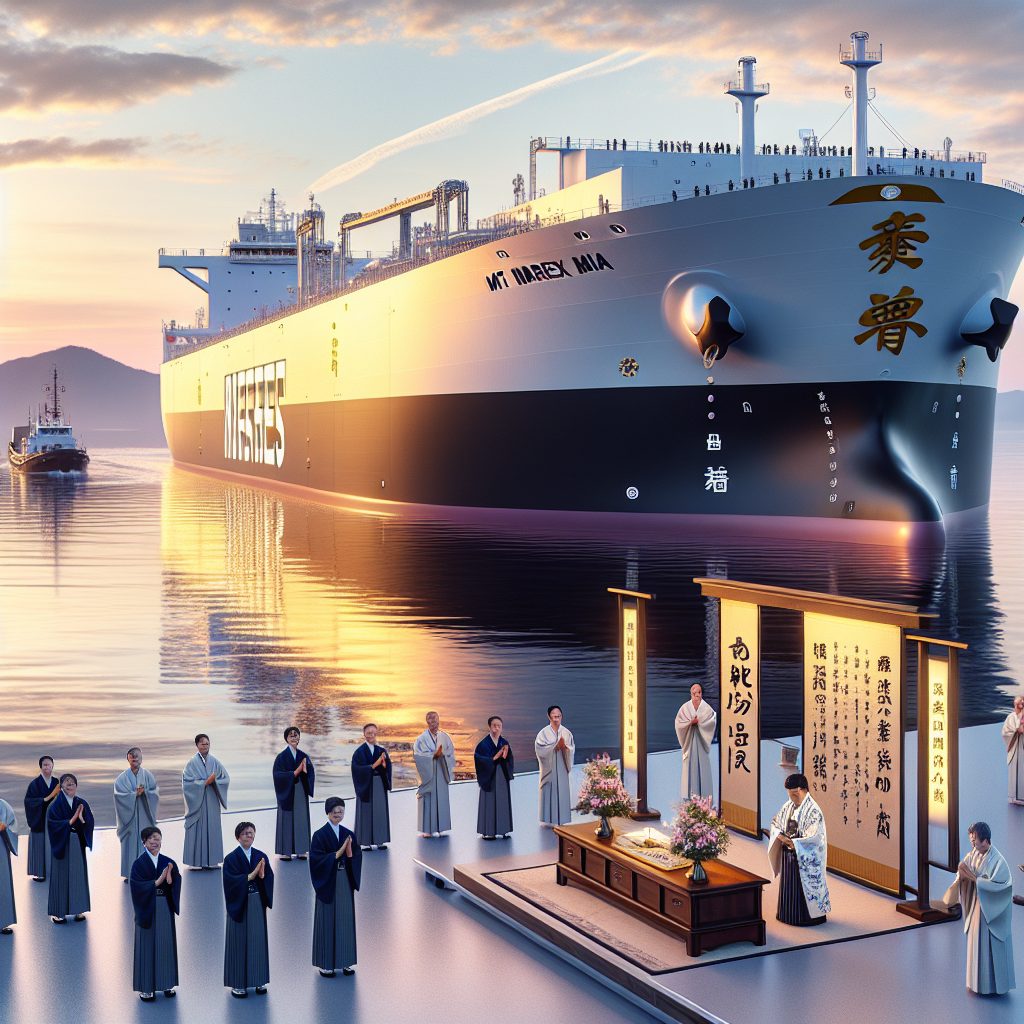
Uni-Tankers Boost Sustainability with New Vessel M/T Marex Mia Uni-Tankers Boost Sustainability with New Vessel M/T Marex Mia Uni-Tankers, a renowned Danish shipping company, has expanded its fleet with the addition of M/T Marex Mia, a modern chemical tanker. This vessel, built in collaboration with Japanese partner Marex Maritime, represents a significant milestone in the company’s strategy towards sustainability and modernization of its resources. The M/T Marex Mia has been named in honour of Mia Østergaard Rechnitzer, co-owner of the USTC group and was delivered during a traditional Japanese ceremony. The event, held in Japan, reflects the close cooperation between Uni-Tankers and Marex Maritime, a relationship that began in 2020 with the delivery of M/T Jutlandia Swan. This new addition stands out for its deadweight capacity of 12,500 tonnes and its length of 130 meters, ensuring compliance with modern environmental standards and enhancing overall operational performance. The delivery of this vessel underscores Uni-Tankers’ commitment to renewing its fleet, promoting energy efficiency, and reducing environmental impact. This Danish-Japanese partnership is a clear example of how cultural traditions and technological innovations can be integrated to advance the maritime sector. Significant Ceremony and Cultural Respect The naming ceremony of the M/T Marex Mia followed ancient Shinto traditions, seeking to bless the new vessel and ensure its safety at sea. This practice not only symbolizes respect for the sea and nature but also reflects appreciation for those who work on the sea. Mia Østergaard Rechnitzer, who had the honour of christening the vessel, expressed her gratitude for being part of such a significant event. This act of cultural and business respect strengthens the relationship between Danish and Japanese companies, demonstrating how tradition and modernity can coexist in a globalized environment. Mutual respect and collaboration between nations are essential elements for building a more sustainable and efficient future in the maritime industry. The M/T Marex Mia not only represents an investment in advanced technology but also a connection between generations and cultures. These types of ceremonies help foster greater understanding and collaboration between countries, strengthening commercial and cultural ties in the maritime field. Technological Innovation and Sustainability The M/T Marex Mia stands out for its improvements in energy efficiency, aligning with global objectives to reduce greenhouse gas emissions. Uni-Tankers has prioritized the implementation of innovative technologies to enhance the sustainability of its operations, an effort that is crucial to comply with increasingly strict environmental regulations. The technological advancements incorporated in the M/T Marex Mia not only improve operational performance but also enhance safety and reduce long-term costs. By investing in more efficient vessels, Uni-Tankers is positioning the company as a leader in sustainable shipping, aligning with stakeholder expectations and market demands. Sustainability is now imperative in the maritime industry, and companies like Uni-Tankers are paving the way towards a cleaner and safer future. This initiative not only benefits the environment but also provides job opportunities in the field of maritime technology and engineering, calling on professionals to explore new career paths in a growing sector. Professional Opportunities and Global Expansion The addition of M/T Marex Mia to Uni-Tankers’ fleet offers numerous professional opportunities in the shipping industry. Innovative companies like Uni-Tankers are constantly seeking talent that can contribute to their sustainability and efficiency mission. Professionals in engineering, maritime management, and technology can find fertile ground for career development in such companies. Furthermore, the expansion of Uni-Tankers’ fleet symbolizes economic growth and the globalization of the maritime industry. With new routes and international partnerships in development, the demand for qualified professionals will increase, which is excellent news for those interested in pursuing a career in the maritime sector. For maritime investors, these initiatives represent a significant investment opportunity. Companies demonstrating a commitment to sustainability and technological innovation offer potential long-term returns, appealing to those looking to invest in a greener and more efficient future. Conclusion: A Promising Future The launch of M/T Marex Mia not only expands Uni-Tankers’ operational capacity but also reinforces the role of innovation and sustainability in maritime development. This vessel is an example of how companies can combine tradition and modernity to create value for both their partners and the environment. As the maritime sector continues to evolve, it is exciting to see how new technologies and sustainable approaches are reshaping the industry. Professionals in the sector have a future full of opportunities ahead, and the M/T Marex Mia is a beacon lighting the way to a more efficient and environmentally respectful maritime world. For those interested in being part of this exciting sector, Uni-Tankers and other innovative companies offer an excellent opportunity to advance their careers and contribute to a more sustainable world.
PHINIA Inc.: Innovations in Fuel and Electrical Systems Shaping the Maritime Future
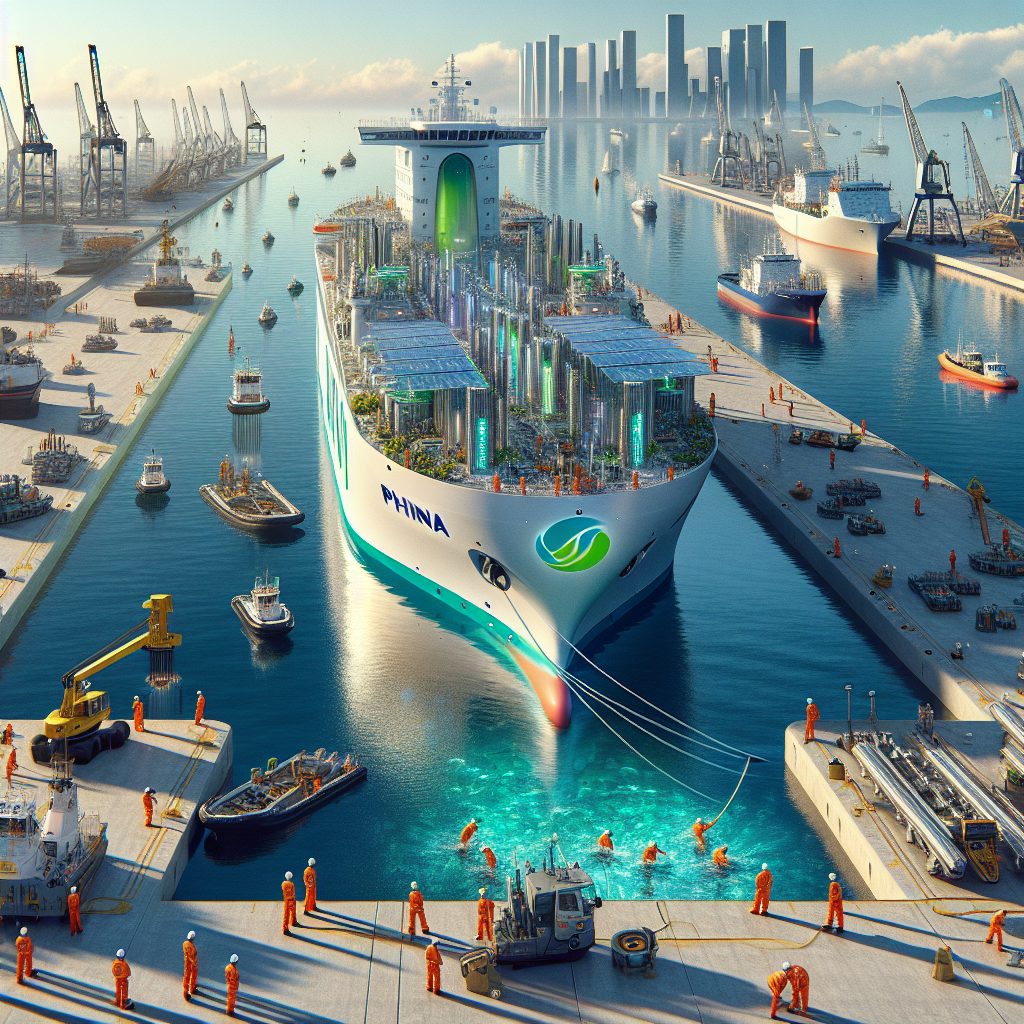
PHINIA Inc.: Innovations in Fuel and Electrical Systems Shaping the Maritime Future Introduction to PHINIA and Its Impact on the Maritime Sector PHINIA Inc. has established itself as a leader in the fuel and electrical systems industry, and its advancements are significantly impacting the maritime world. The company, listed on the New York Stock Exchange under the symbol PHIN, is renowned for its premium aftermarket solutions that have revolutionized the market. With the presentation of its third-quarter results scheduled for October 28, 2025, there is anticipation surrounding how these advancements could influence both the merchant navy and recreational sailors. The relevance of PHINIA extends beyond financial figures. Their innovations in fuel systems not only aim to improve energy efficiency but also to reduce polluting emissions, a crucial aspect in an increasingly sustainability-focused world. For professionals in the merchant navy, this means the possibility of operating more efficient and environmentally friendly vessels. Furthermore, PHINIA’s advanced electrical systems offer enhanced reliability, which is particularly relevant for long maritime transits where safety and energy efficiency are paramount. For maritime investors, these innovations represent a solid business opportunity in an ever-evolving market. Innovative Technologies: A Crucial Detail At the forefront of their efforts, PHINIA has deployed a range of fuel systems incorporating cutting-edge technology to maximize performance and minimize environmental impact. These include fuel injectors that optimize combustion, thereby improving engine efficiency and reducing harmful gas emissions. These advancements are of particular interest to shipping companies looking to adhere to stricter environmental regulations. On the other hand, their integrated electrical systems provide more reliable and durable energy solutions. This is crucial for navigation, where adverse sea conditions can test even the most advanced systems. PHINIA’s ability to offer products that withstand such environments has made the company an essential ally for commercial fleets and nautical enthusiasts. For recreational sailors, these innovations mean safer and more sustainable vessels. The adoption of advanced technology in their fuel and electrical systems ensures that engines operate optimally, translating into peace of mind and safety on every voyage. Relevance for Professionals and Enthusiasts in the Sector There are several reasons why PHINIA’s technological evolution is relevant to WishToSail.com readers. Firstly, merchant mariners can anticipate an improvement in the operational efficiency of their vessels, which could result in lower operating costs and a reduced environmental footprint. This not only represents savings but also signifies a commitment to international emission regulations. Secondly, technology maritime investors will find in PHINIA an attractive opportunity to support a company that not only leads in innovation but also responds to the growing demand for sustainable solutions in the sector. The growth outlook and commitment to environmental responsibility make PHINIA a strategic investment with positive return prospects. Finally, for nautical enthusiasts, PHINIA’s solutions offer tangible improvements in the sailing experience. The adoption of these technologies promotes a cleaner and more efficient ecosystem, ensuring that future generations can enjoy the sea without compromising their well-being. Growth and Engagement Opportunities With the recent presentation of their quarterly results, PHINIA lays the foundations for a period of continuous growth. The company is perfectly positioned to capitalize on the increasing demand for advanced maritime technologies. Additionally, those interested in being part of this innovative company may consider submitting their resumes, as PHINIA continues to expand and seek talent in the sector. The new maritime routes and innovative vessels incorporating PHINIA technology also open up job opportunities for maritime professionals. Advances in efficiency and sustainability not only benefit the environment but also optimize the cost and operation of voyages, making this an attractive field for professional development. In conclusion, PHINIA’s focus on advanced and sustainable technological solutions promises to reshape the future of both commercial and recreational navigation. It invites sector professionals to explore these opportunities and be part of a movement that prioritizes innovation and environmental responsibility. Conclusions: A Promising Future As the maritime market evolves, PHINIA Inc.’s innovations play a crucial role in advancing towards a more efficient and ecological sector. The ability to operate cleaner and safer vessels not only benefits companies but also ensures the preservation of our oceans for future generations. For maritime investors and sailing enthusiasts, PHINIA offers a clear path to modernization and sustainable growth. The company stands as a model of how technology can be leveraged to improve operational efficiency, reduce environmental impact, and provide security and confidence on all voyages. In conclusion, PHINIA’s commitment to innovation and sustainability paves the way for the maritime sector, presenting a unique opportunity for all those interested in the future of navigation. The advancements it offers are not only a promise of efficiency but also a call to all sector players to participate in this exciting journey towards technological transformation.
The Success of the First Two-Stroke Engine Powered by Ethanol by Everllence
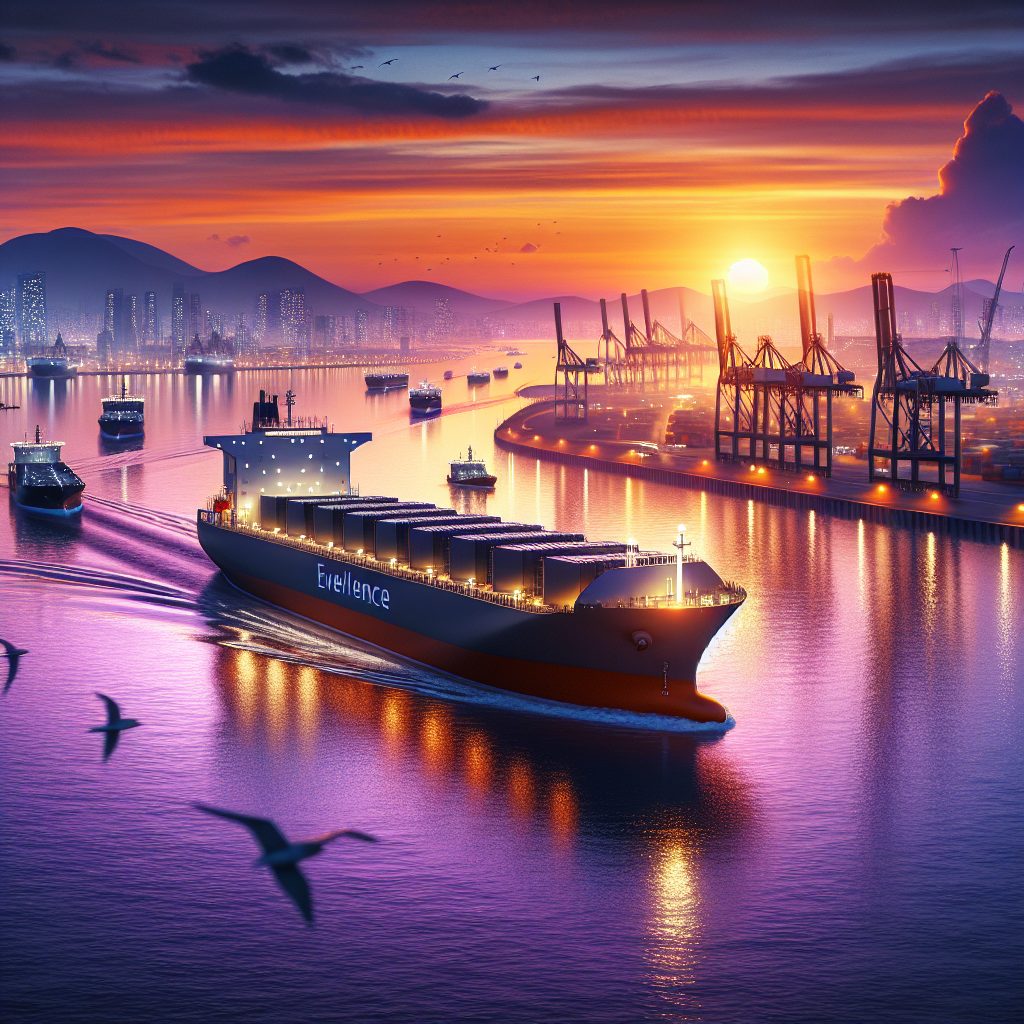
The Success of the First Two-Stroke Engine Powered by Ethanol by Everllence At a crucial moment for the push towards alternative fuels in the maritime industry, Everllence has achieved a significant breakthrough by confirming the operational success of its two-stroke engine powered by ethanol. Known for its dedication to technological innovation within the sector, the company has set a milestone by introducing the world’s first engine of this kind, thus opening a new chapter in the quest for sustainable solutions for marine propulsion. This 90-cylinder engine, tested in Japan, operated smoothly in all loading phases using ethanol as fuel. The significance of this achievement not only lies in validating ethanol as a viable fuel for navigation but also in Everllence’s commitment to developing low-carbon emission propulsion technologies. For merchant navy professionals and nautical enthusiasts, this news represents a ray of hope in transitioning towards cleaner maritime operations. The success of this engine could lead to potential job opportunities as companies will seek technicians and specialists in new technologies to implement and maintain these innovative systems. From Methanol to Ethanol: Expanding Fuel Boundaries Everllence’s ME-LGIM platform, originally designed for methanol and commercially launched in 2016, has evolved to include ethanol, an alcohol-based fuel with lower carbon emissions. This expansion not only demonstrates the company’s technological versatility and adaptability but also indicates a growing market interest in alternative fuel options. With over 225 units of this platform ordered and more than 50 already operational, it showcases the adaptation potential for different vessel segments. The use of ethanol, driven by accumulated technical knowledge over the years, offers shipowners flexibility in their fuel strategies, allowing them to manage regulatory and operational demands more effectively. This innovation translates into practical reasons for its relevance: firstly, it offers a more sustainable alternative; secondly, it promotes increased operational efficiency; and thirdly, it ensures compatibility with future environmental regulations. A New Path Towards Decarbonization The success of the ethanol-powered engine is a strategic step towards decarbonizing the maritime sector. Everllence takes pride in this pioneering achievement, which not only reinforces its engineering legacy but also meets the sector’s urgent need for cleaner propulsion solutions. The company already has five dual-fuel technologies in service and is close to launching an ammonia engine. This portfolio highlights its future fuel strategy, which caters to various market needs and trends. For this technological progress to result in a true transformation of the industry, it is essential for global regulators to recognize ethanol as a viable marine fuel and establish adequate safety standards, frameworks, and supply networks. This recognition would pave the way for broader and faster adoption of these innovations. Adaptation Potential and Applicability in the Fleet The recent successful test of the ethanol engine has significant implications for existing fleets, especially those already operating ME-LGIM engines. Everllence is evaluating the possibility of offering ethanol as an adaptation solution, allowing shipowners to upgrade their engine technology without replacing their propulsion systems. Including ethanol as part of the adaptation portfolio could accelerate the adoption of alternative fuels in a larger proportion of the global fleet. For operators interested in aligning with the decarbonization goals of the International Maritime Organization (IMO), this option represents a valuable path towards sustainability. Michael Petersen, Senior Vice President and Head of PrimeServ in Denmark, highlights that ethanol is increasingly close to being available as an adaptation option, similar to the existing ME-GI and ME-LGIP solutions. This adaptation perspective provides shipowners with the necessary flexibility to integrate ethanol into their decarbonization strategies. Fuel Strategies, Regulation, and the Road Ahead While the technical success is evident, the widespread adoption of ethanol will depend on the development of the entire ecosystem. It is crucial for global regulators to recognize ethanol and establish standards and supply networks. This will not only boost ethanol adoption but also bring more players into the market, strengthening the supply and increasing commercial viability. Recognizing ethanol as a legitimate fuel could shorten implementation times, as it is based on proven technology, unlike other fuels that require completely new platforms. This advancement adds a powerful tool to the clean fuels arsenal of the maritime industry. With ethanol now among the credible contenders, alternative fuel strategy is expected to further diversify, encompassing methanol, LNG, ammonia, hydrogen, and biofuels. Ethanol Enters the Mainstream Maritime Scene Everllence’s successful tests with ethanol send a crucial message to the global maritime industry: the future of propulsion lies in flexibility, innovation, and willingness to adapt. The proven capability of the ME-LGIM engine to operate with both methanol and ethanol positions Everllence as a leader in low-carbon engine development. For maritime investors and shipowners, these innovations not only offer a competitive advantage but also ensure greater alignment with global regulatory and sustainability goals. The flexibility provided by Everllence’s platform allows shipowners to navigate the transition towards a more sustainable future with confidence. With a track record of successes and a clear vision for the future, Everllence is positioned as a key player.
The Maritime and Nautical Investment Horizon in Senegal: A Strategic Meeting Point

The Maritime and Nautical Investment Horizon in Senegal: A Strategic Meeting Point Senegal is becoming a crucial reference point for Foreign Direct Investment (FDI) in Africa, especially in the maritime and nautical sectors. With the opening of the Invest in Senegal 2025 Forum in Diamniadio, the country aims to attract an increasing share of foreign capital, technology, and specialized knowledge. This event serves as a significant platform to discuss opportunities in the region and how Senegal is positioning itself as a strategic crossroads between Africa and the rest of the world. The Director-General, Bakary Séga Bathily, emphasizes Senegal’s geopolitical position as a unique competitive advantage. Thanks to its location, Senegal is seen as a gateway for trade and investment in West Africa. This position not only facilitates the flow of goods and services but also provides unparalleled opportunities for maritime investors looking to expand their operations on the African continent. For professionals in the maritime and nautical sector, this initiative offers the opportunity to engage in an emerging market at the heart of Africa. Participation in the development of port and maritime transport infrastructure in Senegal is not only viable but also highly promising. Companies in the sector are invited to submit their resumes and expressions of interest to collaborate on these innovative projects. Senegal’s Position as a Strategic Crossroads Opportunities for Maritime and Nautical Professionals Investing in Port and Maritime Infrastructure Technological Innovations Shaping the Maritime Sector Technology plays a key role in transforming Senegal’s maritime sector. From advanced navigation systems to digitized logistics platforms, the integration of technological solutions is crucial to attracting investments and increasing operational efficiency. This not only optimizes the maritime trade process but also opens up opportunities for professionals specializing in marine technology. Furthermore, Senegal is implementing renewable energy projects for its port facilities, reducing the carbon footprint and enhancing sector sustainability. These innovations are not only vital for meeting international environmental standards but also reduce long-term operating costs. For investors and sector professionals looking to make a positive impact on the environment, these green initiatives in Senegal represent an investment opportunity that combines profitability with social responsibility. Impact of Technology in Senegal’s Maritime Sector Sustainability Initiatives in Port Facilities Green Investment Opportunities Maritime Routes and New Job Opportunities The development of new maritime routes is another essential element in Senegal’s strategy to attract Foreign Direct Investment. These routes will not only improve connectivity between Africa and the rest of the world but also facilitate access to international markets, promoting trade and international collaboration. For sailors and sector professionals, the expansion and improvement of maritime routes translate to an increased demand for specialized services in logistics, maintenance, and port operations. This, in turn, creates multiple job opportunities in the area, opening the door for qualified professionals to work in a dynamic and growing environment. The nautical sector will also benefit from the growth of maritime tourism, encouraged by improved infrastructures and route safety. Tour operators and boat rental companies can capitalize on this growth by offering unique experiences that attract international tourists to the Senegalese coast. Enhancing Maritime Connectivity through New Routes Job Opportunities in the Maritime Sector Promoting Maritime Tourism Advantages for Maritime Investors Senegal offers three key reasons for maritime investors to consider this country as their next investment destination. Firstly, the country’s strategic location provides access to a vast network of markets in Africa and beyond, making it an unparalleled geographical advantage for companies looking to expand their influence on the continent. Secondly, the political and economic reforms implemented by the Senegalese government have created a favorable environment for foreign investment. These changes not only improve bureaucratic efficiency and transparency but also offer attractive financial incentives for new projects and companies. Lastly, the availability of a young and skilled workforce provides a solid foundation for the growth and development of the maritime sector. Local educational institutions are collaborating with international companies to offer tailored training programs to meet market needs, ensuring that the next generation of professionals is prepared to face sector challenges. Strategic Location and Market Access Political and Economic Reforms for Investment Skilled Workforce for Sector Development A Promising Future for Maritime and Nautical Sectors in Senegal The investment landscape in Senegal presents a promising future for the maritime and nautical sectors. With a focus on technology and sustainability, the country is building an ecosystem that promises benefits for both investors and sector professionals. The Invest in Senegal 2025 Forum provides a unique opportunity to explore these opportunities and participate in the growth of one of Africa’s most dynamic regions. Readers of WishToSail.com interested in expanding their professional or business horizons will find in Senegal a market full of opportunities. For those looking to get involved in this exciting transformation process, submitting their resumes and investment proposals to relevant companies may be the first step towards a future full of possibilities.
The Future of Maritime Transportation: Metanol-Powered Ships Enter the Game
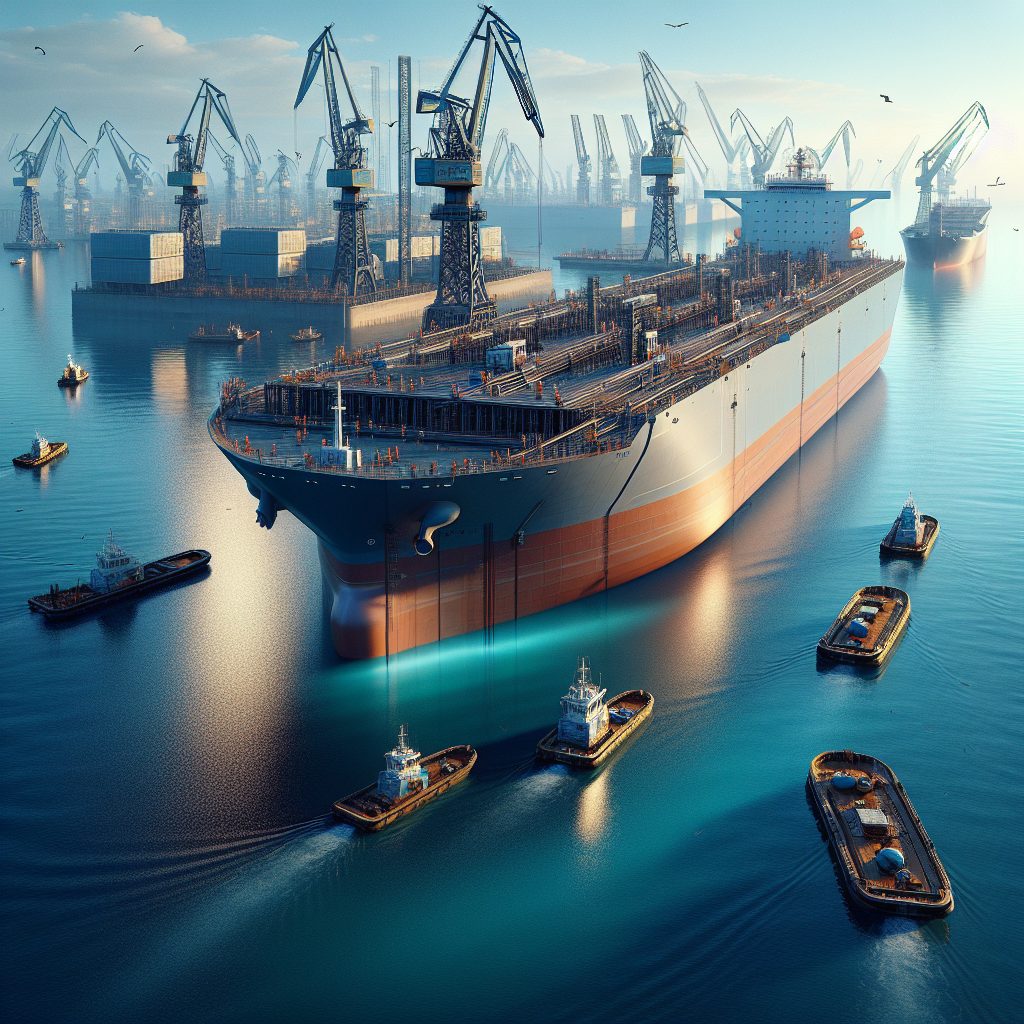
The Future of Maritime Transportation: Metanol-Powered Ships Enter the Game In a groundbreaking move that sets a new standard in the low-emission maritime transport sector, Qingdao Beihai Shipbuilding Heavy Industry Co. has embarked on the construction of ten Very Large Ore Carriers (VLOCs) weighing 325,000 deadweight tons. These vessels will be equipped with dual-fuel ME-LGIM engines powered by methanol, an alternative fuel that is gaining traction in the transition towards more sustainable maritime transport. The Revolutionary ME-LGIM Engine Technology At the core of these new VLOCs lies the Everllence B&W 7G80ME-LGIM Mk10.5 engine, an advanced two-stroke technology that enables the use of methanol as fuel. This engine not only provides a cleaner and renewable solution but also opens the door to potentially carbon-neutral operations, a pressing need in the context of international emissions regulations. The engine is equipped with Everllence’s patented EGRTC system, ensuring compliance with the International Maritime Organization’s (IMO) Tier III emission standards, especially in emission control areas. This not only improves environmental performance but also enhances the operational flexibility of the vessels. The adaptability and advanced technology of this engine represent a significant step towards sustainability and technological innovation in the maritime sector. Methanol: The Fuel of the Future Methanol is compatible with existing bunkering infrastructure. Methanol engines are less complex and more cost-effective to install than other zero-carbon fuel alternatives like liquefied natural gas (LNG) or ammonia. Large-scale production of methanol, including green methanol, is rapidly increasing worldwide, facilitating its universal adoption and enabling the maritime industry to meet the ambitious decarbonization goals set by the IMO for 2030 and 2050. Economic Impact and Employment Opportunities The construction of these new methanol-powered VLOCs not only represents a technological advancement but also opens up new economic and job opportunities. The partnership between Qingdao Beihai Shipbuilding, Shandong Shipping, Bohai Ocean Shipping, and Vale S.A. signals a joint commitment to leading the way towards cleaner and more sustainable maritime trade. The high-capacity trade routes between Brazil and China, where these ships will operate, underscore the importance of adopting cleaner and more efficient vessels to handle some of the world’s largest dry bulk cargo flows. Everllence: Leading the Change Everllence, formerly known as MAN Energy Solutions, has established itself as a leader in sustainable propulsion solutions. From advanced engine technology to climate-neutral fuels and carbon capture systems, the company is well-positioned to lead the transition towards a more sustainable future in maritime transport. Conclusion: A New Era for Maritime Transportation The order for these ten methanol-powered VLOCs represents a tangible step towards decarbonizing maritime transport, demonstrating that a cleaner and more efficient future is already a reality. The commitment of companies like Qingdao Beihai, Shandong Shipping, Bohai Ocean Shipping, and Vale to lead this change sends a powerful message that the shift towards cleaner technologies is no longer just an ambition but a reality in the present. Professionals in the industry are encouraged to continue exploring these innovations and consider the long-term impact of these technologies on their careers and the sector as a whole. With these considerations, it is clear that the transition to sustainable maritime transport has begun, and companies and professionals actively participating in this change will be better positioned to face the challenges of the future.
ArcBest Revolutionizes Integrated Logistics: Innovations and Opportunities in the Maritime Sector
ArcBest Revolutionizes Integrated Logistics: Innovations and Opportunities in the Maritime Sector A glimpse into the future: ArcBest and its Investor Day 2025 The logistics world is constantly evolving, and ArcBest, one of the leading companies in this field, has shown its ability to adapt and make a difference. Recently, during its Investor Day 2025 in Fort Smith, Arkansas, ArcBest shared its strategies and long-term vision with investors and analysts, highlighting its commitment to sustainable growth and value creation. The event was an opportunity for ArcBest to present its roadmap for the future, emphasizing the strategic pillars that will guide the company’s course. These pillars focus on technological innovation, sustainability, and continuous improvement of its logistics operations. These aspects are crucial to maintaining competitiveness in an increasingly demanding market. For maritime professionals and maritime investors, strategic decisions by companies like ArcBest can have a significant impact on their daily operations and long-term planning. Understanding these strategies allows stakeholders in the sector to anticipate trends and prepare their teams for the changes that lie ahead. Technological Innovations: Driving Maritime Logistics ArcBest has placed a strong emphasis on implementing advanced technologies to optimize every aspect of its supply chain. From artificial intelligence to big data analysis, these tools allow for more efficient management of maritime routes and port traffic, minimizing wait times and maximizing transportation efficiency. One of the most notable innovations is the use of AI-based fleet management systems that, through predictive analysis, improve route planning and asset utilization. This not only reduces operating costs but also decreases environmental impact, an increasingly relevant aspect in the industry. For sailors and industry professionals, these technologies represent an opportunity to enhance their skills and efficiency. Being aware of these innovations enables crews and fleet management teams to adapt to the new technological and operational standards that will shape the future of maritime logistics. New Job Opportunities on the Horizon With the expansion of its operations, ArcBest is creating new job opportunities, especially in the maritime sector. The company is looking for professionals skilled in logistics, fleet management, and emerging technologies to strengthen its team and continue leading the market. Those interested in joining ArcBest have a unique opportunity before them. The company offers a dynamic work environment and the chance to work on pioneering projects that will shape the future of the sector. Submitting a resume to ArcBest is a step towards a professional career in a company that values innovation and operational excellence. For sailors and nautical enthusiasts, these opportunities represent not only professional advancement but also a way to contribute to the development of more sustainable and efficient logistics solutions that will have a positive impact on the environment and the communities that depend on maritime trade. ArcBest’s Relevance to the Maritime Sector: Three Key Reasons The emphasis ArcBest places on technological innovation reconfigures operational efficiency and reduces environmental impact, priorities in today’s world. The creation of new job opportunities in the maritime logistics industry reinforces ArcBest’s importance as a key player offering job stability and professional growth for those interested in working in a dynamic and innovative environment. ArcBest provides a clear and strategic vision of the future of integrated logistics. For maritime investors and industry professionals, understanding these strategies is essential for making informed decisions that affect their businesses and long-term operations. Looking Ahead: An Invitation to Connect and Explore ArcBest not only offers a set of innovative solutions for integrated logistics but also invites maritime industry professionals to be part of its journey towards a more efficient and sustainable future. Staying informed about these developments and considering the job opportunities that arise is a proactive step towards professional success. The dynamics of global trade demand that sailors and nautical professionals stay informed about innovative trends and strategies. Exploring more about ArcBest and other industry-leading companies can provide a crucial competitive advantage for those looking to stand out in the industry. In conclusion, ArcBest’s long-term vision for integrated logistics not only redefines the present but also paves the way for a promising future for all stakeholders in the maritime sector. Seizing these opportunities can make the difference between falling behind or leading the change in an ever-evolving industry.