


The Arctic Route: Revolutionizing the Connection Between Asia and Europe

The Arctic Route: Revolutionizing the Connection Between Asia and Europe The emergence of the Arctic Route as an efficient alternative has been a game-changer in the maritime transportation sector. The container ship Istanbul Bridge made a significant milestone by completing a journey from Ningbo, China, to Felixstowe, United Kingdom, in just 20 days. This achievement represents a crucial advancement in commercial navigation between Asia and Europe, potentially reshaping global logistics dynamics. Operated by Sealegend, the vessel crossed the Arctic Ocean using the Northern Sea Route (NSR), a route that drastically reduces the traditional 11,000-mile journey through the Suez Canal to just 7,500 miles. This reduction in distance translates to a drastic decrease in travel times, often being cut in half or even more. The Istanbul Bridge, with a capacity of 4,843 TEU, sailed at an average speed of 17 knots in extreme conditions, without the assistance of icebreakers. This feat was made possible thanks to its Ice-1 classification, allowing it to operate effectively in these icy waters. Economic Impact and Job Opportunities The China-Europe Arctic Express service introduced by Sealegend has the potential to revolutionize global supply chains. It not only accelerates delivery times but also reduces inventory needs and capital costs by 40%, which is encouraging news for investors and logistics companies. For maritime professionals, this route opens up new job opportunities. It not only means an increase in maritime traffic but also a demand for specialized personnel in navigating in Arctic conditions. This presents a unique opportunity for those looking to expand their professional experience in extreme maritime environments. Furthermore, the consolidation of the Arctic Route offers European ports like Felixstowe, Rotterdam, Hamburg, and Gdansk the chance to reposition themselves as key nodes in intercontinental trade, potentially boosting the local economy and creating more jobs in the region. Environmental and Geopolitical Challenges Despite the economic benefits, the increase in maritime traffic in the Arctic is not without criticism. Environmental organizations have expressed concerns about potential negative impacts, such as the use of heavy fuel oil, which is a significant source of carbon emissions. The shift towards increased activity in this region also poses geopolitical challenges. While Russia and China have signed an agreement to jointly develop this route, heightened interest could lead to tensions with other global players concerned about sovereignty and resource exploitation in the Arctic. These factors highlight the importance of properly managing maritime traffic in polar routes, ensuring that sustainable practices and international cooperation are prioritized to mitigate environmental and diplomatic risks. Future Projections and Growth Potential The transit of the Istanbul Bridge coincides with a notable increase in activity on the Northern Sea Route, with over 20 container ship transits in the summer of 2025. This growth reflects China’s growing interest in strengthening its presence in polar routes, a trend that could continue as more companies recognize the benefits of this pathway. Additionally, this surge in activity presents an opportunity for technological innovation in building ships capable of navigating in such extreme conditions. The demand for technological innovations that facilitate these operations can also spur new investments and collaborations in the naval sector. For nautical enthusiasts, the opening of new routes and advancements in technologies related to ice navigation offer a promising and exciting field to explore, both in terms of new experiences and the development of unique technical skills. Conclusion The establishment of the Arctic Route as a viable and efficient alternative for maritime transportation between Asia and Europe not only signifies a turning point in global logistics but also offers multiple benefits and opportunities for various stakeholders in the maritime sector. For investors, business opportunities are evident through cost reductions and delivery times. For maritime professionals, this new route presents significant technical challenges and personal development opportunities in a unique environment. Finally, for nautical enthusiasts, innovation and new routes open up a world of possibilities to explore and learn. The Istanbul Bridge and the Arctic Route are just the beginning of a broader change in the maritime industry, one that promises to revolutionize how we perceive transportation and global connections, as long as the involved parties carefully manage the environmental and geopolitical challenges that come with these advancements.
Innovation in Filtration Industry: Atmus and Its Impact on the Nautical Sector

Innovation in Filtration Industry: Atmus and Its Impact on the Nautical Sector Atmus Filtration Technologies: A Global Leader in Filtration Atmus Filtration Technologies Inc. (NYSE: ATMU) has established itself as a driving force in the global filtration industry. This company, renowned for its innovation and leadership, recently announced that it will be presenting its financial results for the third quarter of 2025 on November 7, before the market opens. Additionally, the company will be hosting a conference call to discuss these results with the investment community. This event provides a valuable opportunity to understand Atmus’ impact on the maritime sector and the implications for professionals and investors. The focus of Atmus on technological filtration is particularly relevant to the nautical industry. Their advanced solutions are vital for maintaining vessel efficiency and complying with increasingly strict environmental regulations. The importance of reducing emissions and optimizing fuel consumption is growing, and Atmus positions itself as a strategic ally for the industry. Verificable Data: According to industry reports, the global filtration market is projected to reach a value of $46.2 billion by 2026, with a compound annual growth rate (CAGR) of 6.2% during the forecast period. For maritime professionals, Atmus’ innovations not only represent technological advancement but also a potential source of job opportunities. Companies worldwide are looking to integrate these technologies into their operations, opening doors for technicians and engineers specializing in filtration. Impact of Filtration Innovations in the Nautical Sector The filtration innovations developed by Atmus have a significant impact on vessel performance and sustainability. These advanced systems enable more efficient management of energy resources, reducing environmental impact and improving fleet operational sustainability. Verificable Data: Studies show that implementing advanced filtration systems can lead to fuel savings of up to 5%, resulting in reduced greenhouse gas emissions. At a time when ecological awareness is on the rise, Atmus’ ability to offer solutions that reduce emissions adds value for vessel owners and operators. Furthermore, filtration efficiency entails less frequent and less costly maintenance, translating into significant long-term savings for maritime companies. Job Opportunities and Strategic Collaborations The growing demand for advanced filtration technology has created new job opportunities in the nautical sector. Atmus, as a leader in this field, collaborates with multiple maritime companies to integrate their filtration systems, resulting in an increasing need for professionals trained in the installation and maintenance of these technologies. Verificable Data: The maritime industry employs over 1.5 million people in the UK alone, with a wide range of specializations, including engineering, navigation, and logistics. Collaborations between Atmus and shipping companies not only strengthen the sector’s technological infrastructure but also create a knowledge-sharing network. Professionals looking to deepen their expertise in this field have the opportunity to learn from experts and advance in their careers, whether technically or in project management. Relevance of Atmus for Maritime Investors For investors in the maritime sector, Atmus’ innovations represent a highly attractive investment opportunity. The company is not only well-positioned in the filtration market but also anticipates the future needs of the sector. Its focus on developing sustainable and efficient technologies is a key factor that instills confidence and growth projection. Verificable Data: Sustainable investing in the maritime industry has seen a significant increase in recent years, with ESG (Environmental, Social, and Governance) considerations playing a crucial role in investment decisions. The conference on Atmus’ financial results provides valuable insights into the company’s performance and future expansion areas. The figures and analysis presented can assist investors in making informed decisions regarding their stakes in the filtration industry and its relationship with the maritime sector. Conclusion: Atmus, a Strategic Partner for the Future of the Nautical Sector Atmus Filtration Technologies Inc. emerges as a strategic partner for the future of the nautical sector. Their filtration innovations not only enhance operational efficiency and sustainability in maritime operations but also offer significant job and investment opportunities. By anticipating market needs and providing solutions that address environmental challenges, Atmus solidifies its position as a leader in the sector. For merchant marine professionals, sailors, and nautical enthusiasts, understanding the implications of these technological advances is crucial. Leveraging these innovations can be the differentiator that maximizes operational efficiency and profitability in maritime operations, while also ensuring a commitment to sustainability. Exploring Atmus technologies can open new doors in professional and business realms, whether to enhance daily operations or make informed investment decisions.
MarineMax Announces Financial Results for the Fourth Quarter of 2025: Opportunities and Insights in the Nautical Sector
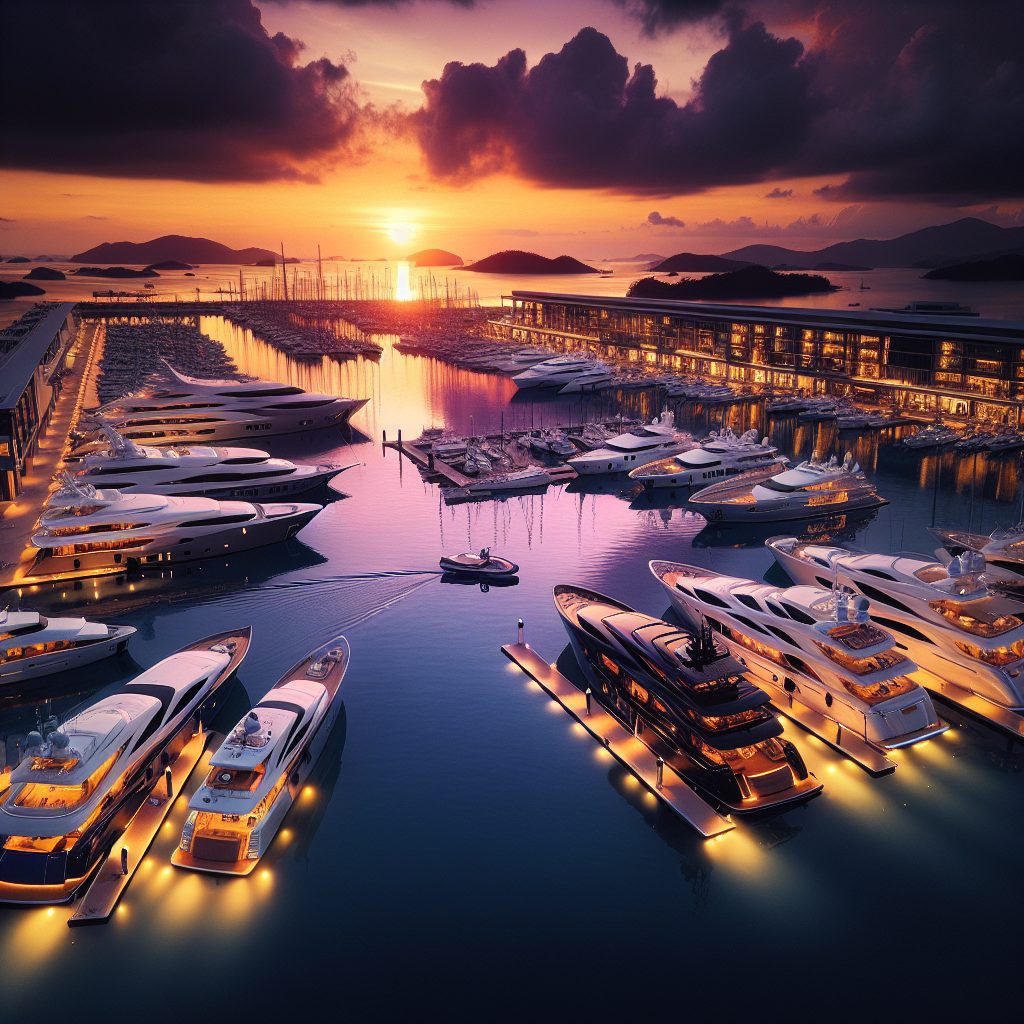
MarineMax Announces Financial Results for the Fourth Quarter of 2025: Opportunities and Insights in the Nautical Sector Introduction to the MarineMax Giant MarineMax, Inc. positions itself as the global leader in the sale and servicing of recreational boats, yachts, and superyachts. This publicly traded company, listed on the New York Stock Exchange under the symbol HZO, is not only known for its extensive distribution network but also for its constant innovation in the nautical sector. The company is gearing up to share its financial results for the fourth quarter and fiscal year 2025, which is an eagerly anticipated event for investors and industry professionals. On Thursday, November 13, 2025, before the market opens, MarineMax will unveil its key figures. The announcement will be complemented by a conference call, providing a unique opportunity to understand how the company has performed in a year full of challenges and opportunities for the maritime industry. The event will be led by Brett McGill, Chief Executive Officer and President, along with Mike McLamb, Executive Vice President. This presentation will not only be an opportunity to learn about MarineMax’s financial status but also to identify trends and future expectations that will guide the strategic decisions of many companies and professionals in the industry. Innovations and Impact in the Nautical Sector One of the most anticipated elements of MarineMax’s presentation is its focus on innovation. The company has led the market by integrating advanced technologies into its services and products. From smart navigation systems to the implementation of personalized customer experiences, these innovations are crucial to staying relevant in a highly competitive market. The implementation of technologies such as artificial intelligence and the Internet of Things (IoT) in modern boats provides a safer and more efficient sailing experience. This is not only advantageous for recreational boat owners but also creates new job opportunities for specialized technicians and software developers in the maritime sector. Besides technological innovations, MarineMax has embraced sustainable practices, such as using more eco-friendly materials and optimizing fuel consumption, aligning with the growing global demand for sustainability in navigation. This reinforces its position as a responsible leader in the sector, attracting an increasingly environmentally conscious consumer segment. Employment and Investment Opportunities The announcement of MarineMax’s financial results is relevant not only for current investors but also for those seeking new job opportunities in the nautical sector. The company’s sustained growth indicates potential expansions in its service and sales network, which could lead to the creation of new jobs in various areas. MarineMax, with its network of marinas and associated services, is continually looking for qualified professionals in marina management, sales, marketing, and specialized technical support. For sailors and nautical enthusiasts, this represents an opportunity to work in a dynamic and constantly evolving environment. Additionally, for maritime investors, MarineMax presents an appealing expansion portfolio, especially considering its focus on technology and sustainability. The financial results will provide a clearer insight into their long-term growth strategy, making this presentation a crucial moment for investment decisions. Relevance of Financial Results MarineMax’s financial results will provide a transparent view of the company’s economic performance in 2025. This is vital not only for investors but also for industry professionals who rely on these figures to assess the stability and projection of the nautical market. For sailors, the financial stability of a company like MarineMax can influence their decisions regarding the purchase, maintenance, and sale of boats. Knowing that they are dealing with an industry leader gives them confidence and security, which is essential in the sector. Finally, the detailed financial analysis provided by MarineMax can serve as a reference for other companies in the sector, allowing them to identify areas for improvement and successful strategies that they can adapt to their own operations. Conclusion: Expectations for the Future The upcoming disclosure of MarineMax’s financial results is not only a significant event for the company but also for the entire maritime sector. This presentation will offer a window into the company’s future strategies and plans, which is of great interest to investors, professionals, and nautical enthusiasts. From a professional standpoint, potential expansions and the integration of new technologies open doors for professionals looking to grow in the sector. Likewise, MarineMax’s sustainable initiatives reinforce its commitment to the environment, a value increasingly appreciated by consumers and investors alike. Ultimately, this announcement presents an unbeatable opportunity to closely examine the dynamics of a leading company and evaluate how emerging trends could influence the future of navigation and maritime commerce. All of this lays the groundwork for a sector that will continue to evolve strongly in the coming years.
Innovation in Maritime Traffic Control: Smart Technology and Job Opportunities

Innovation in Maritime Traffic Control: Smart Technology and Job Opportunities Innovation in Maritime Traffic Control: Smart Technology and Job Opportunities In the dynamic world of sailing and maritime transport, technological innovation has become a fundamental pillar for improving the efficiency and safety of operations. An outstanding example of this trend is the success of Street Smart at the 2025 ITS Arizona Annual Conference, where it was awarded for its innovative use of intelligent transportation systems. Although the award-winning project took place in a land-based context, its applications and implications for the maritime sector are vast and promising. Smart Technology Serving Maritime Traffic The Street Smart project focused on the use of portable traffic signals and pedestrian crossing systems to safely manage traffic at one of the busiest intersections in the United States, in Scottsdale, Arizona. These intelligent systems not only improve road safety but could also be adapted to the maritime environment to optimize the flow of vessels in ports and channels, areas where efficient traffic management is crucial to avoid collisions and delays. The implementation of portable traffic signals and traffic management systems in the maritime sector could revolutionize navigation in congested environments. Integrating this technology with Geographic Information Systems (GIS) and real-time data platforms could provide sailors with a clear and updated view of traffic and navigation conditions. The possibilities are endless, and the maritime sector could greatly benefit from these innovations, optimizing not only safety but also the profitability and sustainability of operations. Job Opportunities in the Era of Maritime Innovation The adaptation of these technologies to the maritime environment not only implies a qualitative leap in traffic management but also the creation of numerous job opportunities. Merchant navy professionals, engineers, data analysts, and navigation systems technicians could find in this new technological era a fertile field for professional development. Companies in the sector looking to integrate these innovative systems into their operations will need to hire specialized personnel to manage, maintain, and optimize these technological platforms. This represents a unique opportunity for those who wish to advance in their careers and be part of a constantly evolving industry. For professionals interested, it is crucial to stay updated and acquire skills in intelligent systems management and data analysis. Participating in training courses and obtaining specialized certifications can be an efficient step to secure a position in this emerging field. Socioeconomic and Environmental Impact of Innovation Beyond operational and job-related benefits, the incorporation of smart technology in maritime traffic management has a significant impact on socioeconomic and environmental aspects. Optimizing traffic flow not only reduces waiting times but also decreases fuel consumption and, therefore, emissions of polluting gases. These innovations are key to maintaining the sustainability of maritime operations in an increasingly environmentally conscious world. From an economic perspective, fewer accidents and improved operational punctuality can result in significant savings for companies in the sector. Smart traffic technology allows companies to operate more effectively, which can lead to more competitive rates and better services for customers. These economic and environmental benefits reinforce the relevance and need to adopt intelligent technologies in the maritime sector. Conclusion: A Promising Future The adaptation of intelligent transportation technologies for use in the maritime sector is a crucial step towards a more efficient and secure future in our navigation routes. Innovations like those of Street Smart are just the beginning of a paradigm shift in maritime traffic management, with the potential to transform the industry on multiple levels. For professionals and nautical enthusiasts, staying informed about these trends is essential to make the most of the opportunities that will arise. From new careers to strategic investments, the possibilities are vast and promising. Maritime companies, aware of the positive impact, are ready to lead this transition towards a technological era that promises to revolutionize the industry. In this context, WishToSail.com is committed to informing and guiding its readers on the path to a more innovative, sustainable, and prosperous maritime sector. The integration of intelligent technologies is not just a trend but a necessity to address the challenges of the present and future maritime industry.
Advancing Sustainability in Maritime Transport: The Brittany Ferries Saint-Malo Ferry Embraces BioLNG

Advancing Sustainability in Maritime Transport: The Brittany Ferries Saint-Malo Ferry Embraces BioLNG In a world where sustainability has become a fundamental pillar of maritime operations, Brittany Ferries has taken a significant step by powering its hybrid ferry, the Saint-Malo, with bioLNG. This innovation was carried out at the international port of Portsmouth, in collaboration with Titan Clean Fuels, marking a milestone in the energy transformation of the sector. Green Innovation at the Heart of Maritime Transport The use of bioLNG by Brittany Ferries is not just a technological advancement, but also a statement of intent in transitioning towards cleaner forms of transportation. This type of fuel, derived from organic waste, is capable of reducing CO₂ emissions by up to 90% compared to traditional marine fuels. Additionally, its compatibility with existing LNG infrastructure makes it a practical and efficient solution for current fleets. The Saint-Malo has become an example of how hybrid vessels can operate more sustainably, combining the use of LNG, electricity, and now bioLNG. This approach not only reduces greenhouse gas emissions but also eliminates sulfur and particle pollution in port areas, a crucial benefit for coastal cities and their residents. The adoption of bioLNG by Brittany Ferries is another step in their roadmap towards carbon neutrality, a goal the company is pursuing with determination. This effort not only has positive environmental implications but also opens up new job opportunities for those interested in being part of a greener and more responsible industry. Titan Clean Fuels: Leading in the Decarbonization of the Naval Sector Titan Clean Fuels, based in Amsterdam, is the key partner behind this initiative, providing the bioLNG needed for the operation of the Saint-Malo. This collaboration reflects the growing maturity of methane decarbonization routes, including LNG, bioLNG, and e-methane, all of which are scalable and ready for implementation in navigating towards zero emissions. The company has emphasized how bioLNG not only complies with the FuelEU Maritime regulations but exceeds requirements, allowing naval operators to benefit from compensation mechanisms and optimize environmental performance. These mechanisms provide flexibility for companies to manage their regulatory compliance across their fleets efficiently and cost-effectively. Titan Clean Fuels highlights that the path to methane decarbonization is already yielding tangible results, emphasizing that technology and innovation are essential tools in the fight against climate change. For industry professionals, this evolution presents an opportunity to participate in a sector that leads by example in sustainability. Portsmouth International Port: An Epicentre of Clean Marine Fuels Portsmouth International Port has emerged as a prominent center for innovation in alternative marine fuels in the UK, evidenced by its role in the country’s first bioLNG operation. Owned by the Portsmouth City Council, the port is committed to achieving carbon neutrality by 2030 and net-zero emissions by 2050. With the imminent introduction of a shore power system, the port will strengthen its environmental credibility by allowing hybrid and electric ships to operate with zero emissions while docked. This advance not only benefits the environment but also positions the port as a role model in transitioning to cleaner maritime transportation. The port facilities not only offer environmental benefits but also present a significant economic opportunity. Contributing £390 million to the national economy and £189 million to the local economy, Portsmouth International Port plays a crucial role in regional employment, supporting over 5,500 jobs. Impact and Future of BioLNG in European Navigation The collaboration between Brittany Ferries, Titan Clean Fuels, and Portsmouth International Port is an example of how the integration of infrastructure, innovation in renewable fuels, and visionary operators can accelerate the decarbonization of the maritime sector. This joint approach demonstrates that low-carbon navigation solutions are not just future promises but operational realities today. The first bioLNG supply to the Saint-Malo represents more than a technical success; it is a new chapter in maritime sustainability that paves the way for broader adoption of renewable fuels in Europe’s ferry networks and short-sea maritime transport. The potential benefits are undeniable for maritime investors, sailors, and industry professionals, who see how these innovations not only reduce emissions but also offer a competitive advantage in an increasingly environmentally conscious market. With the growing demand for clean energy solutions, sector professionals are encouraged to explore these initiatives and consider how they can engage or apply these innovative technologies in their own operational contexts. The transition not only contributes to a healthier planet but also promises a more prosperous and sustainable future for the maritime industry.
ElbOil: Pioneering the Transition to Green Methanol in the Global Maritime Industry

ElbOil: Pioneering the Transition to Green Methanol in the Global Maritime Industry The Strategic Alliance for a Sustainable Future The maritime world is at a crossroads, and ElbOil, a renowned German marine fuels company, is paving a clear path towards sustainability. During the eighth International Petroleum and Natural Gas Conference (IPEC 2025) in Zhoushan, China, ElbOil signed a decisive Memorandum of Understanding (MoU) for the supply of green methanol. This agreement, a collaboration with leading Chinese companies such as Shandong Shunli Hydrogen Energy Technology Co., Ltd. and Shanghai Wenji Biotechnology Co., Ltd., is a significant step towards maritime decarbonization. The importance of this agreement lies in the commitment to supply up to one million metric tons of green methanol annually starting in 2027. This volume not only marks a milestone for ElbOil but also signals a paradigm shift towards cleaner and more sustainable fuels in the maritime industry. The implementation of carbon recycling technologies, which convert captured CO₂ into low-carbon methanol, is a tangible example of applied circular economy. For maritime professionals, this agreement not only represents a cleaner source of energy but also an opportunity to participate in an energy transition that redefines the future of maritime fuels. The global industry is watching, and ElbOil is positioning itself as a leader in this transformation. Driving Decarbonization and Global Expansion The signing event of the MoU in Zhoushan, one of the fastest-growing bunkering centers in Asia, is a bold statement of ElbOil’s commitment to innovation and sustainability. More than just a commercial agreement, it is a shared commitment to drive long-term innovation and sustainability in the maritime energy sector. The impact of this agreement extends beyond geographical borders, setting a precedent for future international collaborations. ElbOil’s ambition to expand its global presence is evident with the planning of a project site visit in early 2026. This visit will reinforce the company’s practical and responsible approach to developing partnerships and business practices in the green fuels sector. Furthermore, this agreement underscores the importance of international collaboration to expand the use of alternative fuels. For maritime investors, this is a signal that the market is ripe for new investments in technologies and sustainable solutions that can transform the maritime sector in the coming decades. ElbOil: A Global Leader in Marine Fuels Established in 2011 and headquartered in Hamburg, Germany, ElbOil has established itself as a global marine fuels company, specializing in marketing, brokerage, and risk coverage services. With a strong presence in key markets such as Hamburg, Zug, London, Singapore, Dubai, and recently in Shanghai, ElbOil has expanded its reputation as a reliable partner in the ever-evolving maritime energy landscape. The company not only offers traditional marine fuels like VLSFO and MGO but is also actively expanding its offerings towards biofuels and green methanol. This proactive approach reflects its sustainability strategy, supported by ISCC EU certification, enabling the certified trade of sustainable biofuels. Lastly, ElbOil has invested in carbon offset initiatives like ESG-NRG, underscoring its commitment to decarbonization goals. For those in the industry, this represents an opportunity to align with a company that not only understands the current market but is also poised to lead the way towards a more sustainable future. Reasons to Pay Attention to this Agreement For maritime professionals, the transition to green methanol can mean a significant reduction in carbon emissions, aligning with stricter environmental regulations. Engaging in this transformation is not only a competitive advantage but also an ethical responsibility. For maritime investors, ElbOil’s green methanol agreement is a clear indicator of where future investment opportunities are heading. Carbon recycling technologies and the push towards alternative fuels are key areas promising significant returns as the industry evolves. For nautical enthusiasts, this advancement inspires a shift towards more sustainable practices, offering a vision of a future where navigation is not only efficient but also environmentally responsible. Invitation to Keep Exploring ElbOil is at the forefront of a green revolution in the maritime industry, and its commitment to green methanol is just one chapter in a global transformation story. This agreement provides a clear roadmap for decarbonization and a call to action for professionals, investors, and enthusiasts alike. Readers of WishToSail.com are invited to continue exploring these initiatives, participating in discussions and collaborations that can lead to real and sustainable change in the maritime industry. The doors are open for those who wish to be part of this exciting transition towards a greener future. The path to sustainability in the maritime sector is a shared journey, and ElbOil is leading the way. Will you be part of this transformation?