The Arctic Route: Revolutionizing the Connection Between Asia and Europe
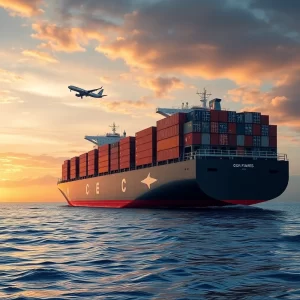
The emergence of the Arctic Route as an efficient alternative has been a game-changer in the maritime transportation sector. The container ship Istanbul Bridge made a significant milestone by completing a journey from Ningbo, China, to Felixstowe, United Kingdom, in just 20 days. This achievement represents a crucial advancement in commercial navigation between Asia and Europe, potentially reshaping global logistics dynamics. Operated by Sealegend, the vessel crossed the Arctic Ocean using the Northern Sea Route (NSR), a route that drastically reduces the traditional 11,000-mile journey through the Suez Canal to just 7,500 miles. This reduction in distance translates to a drastic decrease in travel times, often being cut in half or even more. The Istanbul Bridge, with a capacity of 4,843 TEU, sailed at an average speed of 17 knots in extreme conditions, without the assistance of icebreakers. This feat was made possible thanks to its Ice-1 classification, allowing it to operate effectively in these icy waters.
Economic Impact and Job Opportunities
- The China-Europe Arctic Express service introduced by Sealegend has the potential to revolutionize global supply chains. It not only accelerates delivery times but also reduces inventory needs and capital costs by 40%, which is encouraging news for investors and logistics companies.
- For maritime professionals, this route opens up new job opportunities. It not only means an increase in maritime traffic but also a demand for specialized personnel in navigating in Arctic conditions. This presents a unique opportunity for those looking to expand their professional experience in extreme maritime environments.
- Furthermore, the consolidation of the Arctic Route offers European ports like Felixstowe, Rotterdam, Hamburg, and Gdansk the chance to reposition themselves as key nodes in intercontinental trade, potentially boosting the local economy and creating more jobs in the region.
Environmental and Geopolitical Challenges
- Despite the economic benefits, the increase in maritime traffic in the Arctic is not without criticism. Environmental organizations have expressed concerns about potential negative impacts, such as the use of heavy fuel oil, which is a significant source of carbon emissions.
- The shift towards increased activity in this region also poses geopolitical challenges. While Russia and China have signed an agreement to jointly develop this route, heightened interest could lead to tensions with other global players concerned about sovereignty and resource exploitation in the Arctic.
- These factors highlight the importance of properly managing maritime traffic in polar routes, ensuring that sustainable practices and international cooperation are prioritized to mitigate environmental and diplomatic risks.
Future Projections and Growth Potential
- The transit of the Istanbul Bridge coincides with a notable increase in activity on the Northern Sea Route, with over 20 container ship transits in the summer of 2025. This growth reflects China’s growing interest in strengthening its presence in polar routes, a trend that could continue as more companies recognize the benefits of this pathway.
- Additionally, this surge in activity presents an opportunity for technological innovation in building ships capable of navigating in such extreme conditions. The demand for technological innovations that facilitate these operations can also spur new investments and collaborations in the naval sector.
- For nautical enthusiasts, the opening of new routes and advancements in technologies related to ice navigation offer a promising and exciting field to explore, both in terms of new experiences and the development of unique technical skills.
Conclusion
The establishment of the Arctic Route as a viable and efficient alternative for maritime transportation between Asia and Europe not only signifies a turning point in global logistics but also offers multiple benefits and opportunities for various stakeholders in the maritime sector. For investors, business opportunities are evident through cost reductions and delivery times. For maritime professionals, this new route presents significant technical challenges and personal development opportunities in a unique environment. Finally, for nautical enthusiasts, innovation and new routes open up a world of possibilities to explore and learn.
The Istanbul Bridge and the Arctic Route are just the beginning of a broader change in the maritime industry, one that promises to revolutionize how we perceive transportation and global connections, as long as the involved parties carefully manage the environmental and geopolitical challenges that come with these advancements.