


The Fort Lauderdale International Boat Show: Cruisers Yachts Leading the Way with Four New Luxury Models
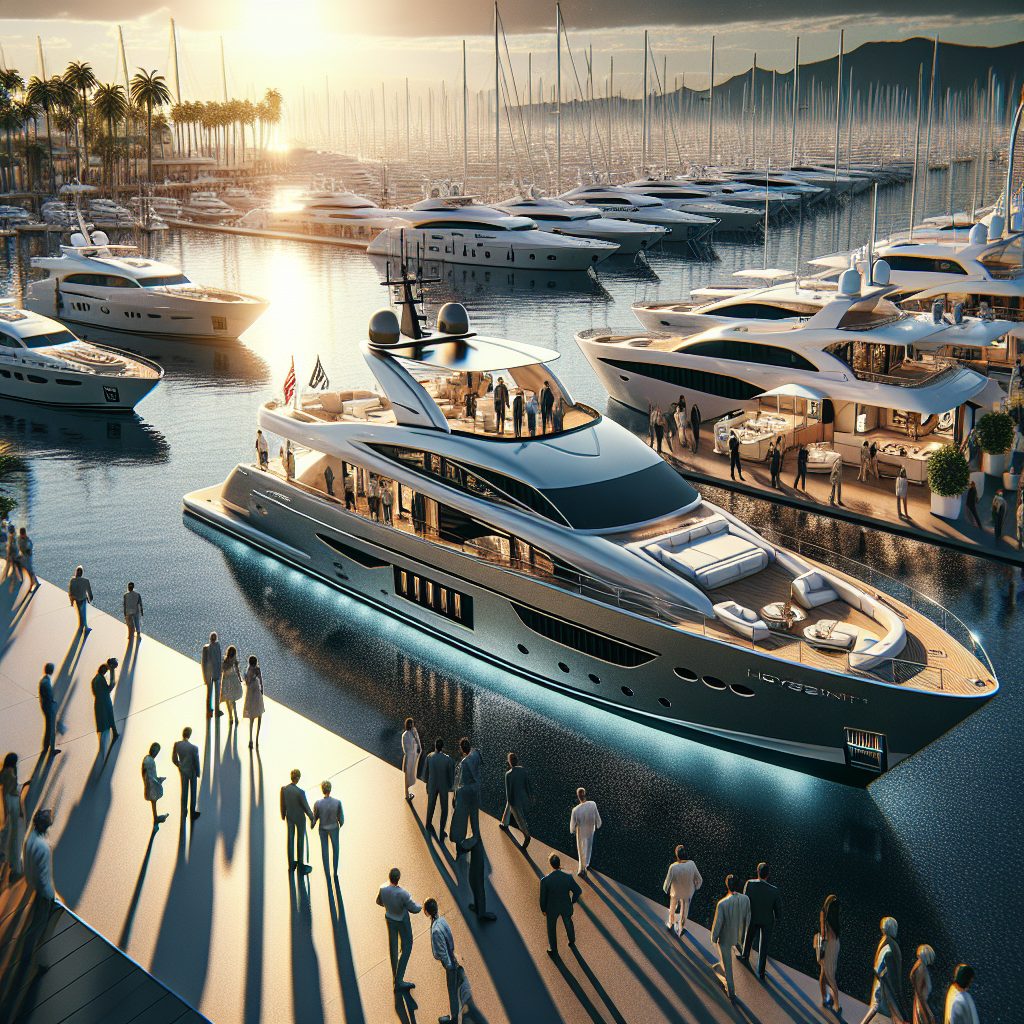
The Fort Lauderdale International Boat Show: Cruisers Yachts Leading the Way with Four New Luxury Models The recent 66th Fort Lauderdale International Boat Show, held in a post-COVID recovery context, has been a significant milestone for one of the giants in the luxury nautical sector: Cruisers Yachts. This American manufacturer, a subsidiary of MarineMax Inc., showcased its capacity for innovation and adaptation with the unveiling of four new models that promise to redefine the luxury boating experience. A Triumphant Display in Times of Change In an industry still absorbing the lessons of the pandemic, Cruisers Yachts has seized the opportunity to set new standards of luxury and functionality. The unveiling of these four new models at the event was not only a spectacular display of nautical engineering but also an affirmation of economic recovery and the sector’s potential. Among the highlights, the 50 FLY model stood out for its impressively spacious flybridge, a feature that not only enhances the luxury feel but also offers outstanding functionality for those looking to maximize their sea experience. This design, ideal for entertainment and relaxation, is an example of how Cruisers Yachts integrates comfort with technological innovation. This success is not only measured by the features of the new boats but also by the response from industry specialists and investors. Cruisers Yachts’ presentation in Fort Lauderdale symbolizes a turning point that inspires confidence and optimism in the future of luxury yachts. The company is positioning itself as a reference point in nautical design innovation. The introduction of these new models not only represents a technological and aesthetic advancement but also a significant job opportunity for industry professionals. Cruisers Yachts and MarineMax are looking to strengthen their global presence, leading to an increase in demand for qualified professionals. Technology and Design: A Winning Combination The new models presented by Cruisers Yachts are not simply an aesthetic update; they represent a significant technological advancement in the construction and design of luxury yachts. Each of the four models features the implementation of cutting-edge technologies aimed at enhancing not only user comfort and experience but also the efficiency and sustainability of the vessels. In an increasingly sustainability-conscious world, the incorporation of more efficient propulsion systems and advanced construction materials reflects Cruisers Yachts’ commitment to the environment. These innovations not only improve the performance of yachts but also reduce emissions, aligning with the growing expectations of environmental responsibility in the sector. Additionally, the ergonomic design and sophisticated interiors of these new models redefine luxury. Every detail is meticulously crafted to offer an unparalleled boating experience. With spaces optimized for comfort and aesthetics, Cruisers Yachts demonstrates that luxury and functionality can coexist in perfect harmony. Opportunities on the Horizon: A Call to Action The introduction of these new models not only represents a technological and aesthetic advancement but also a significant job opportunity for industry professionals. The expansion of the fleet entails the creation of new job positions in various areas, from engineering and design to operation and maintenance. Cruisers Yachts, in collaboration with MarineMax, aims to consolidate its global presence, leading to an increase in demand for qualified professionals. For those interested in exploring new job opportunities, this is an invitation to consider submitting their resumes and being part of a company at the forefront of nautical innovation. For maritime investors, the expansion of Cruisers Yachts’ product lines is tangible proof of successful strategic direction. Investing in a company that has not only weathered global economic challenges but also leads in innovation can be a financially beneficial decision. Relevance for the Nautical Community The announcement of these new models has multiple implications for different segments of the WishToSail.com audience. For commercial maritime professionals, these innovations represent new standards and expectations in the design and operation of luxury vessels, fostering a higher standard that can inspire the entire industry. For nautical enthusiasts, the introduction of these yachts offers an exciting glimpse into the future of recreational boating. Enthusiasts can expect a richer and more sophisticated onboard experience, enjoying advanced technology and revolutionary designs. Finally, for maritime investors, Cruisers Yachts’ success at the boat show is a positive indicator of the luxury market’s state and an invitation to participate in a sector showing sustainable and profitable growth. The combination of innovation, design, and sustainability promises long-term appeal. Looking to the Future: Innovation and Sustainability as Pillars Cruisers Yachts not only leads with these new releases but also lays the groundwork for the future of the luxury yacht industry. Their focus on innovation and sustainability not only attracts modern consumers but also sets a path for other industry players to follow. By adopting sustainable practices and advanced technologies, the company not only enhances its own profile but also positively influences the industry as a whole. This long-term vision ensures that the nautical sector not only survives but thrives in a changing world. In summary, the introduction of new Cruisers Yachts models at the Fort Lauderdale International Boat Show not only excites and inspires but also sets an example of how innovation and environmental commitment can align for the benefit of the customer, the industry, and the planet.
The Financial Innovation in the Nautical Sector: The Revolutionary Securitization of Boats by MP 2023 LLC

The Financial Innovation in the Nautical Sector: The Revolutionary Securitization of Boats by MP 2023 LLC Financial innovation is taking the maritime industry by storm, with new forms of financing reshaping the landscape. The news of KBRA’s preliminary rating assignment to a series of notes issued by MP 2023 LLC, Series 2025-1, stands out as a groundbreaking advancement. This transaction, known as an ABS (Asset Backed Securities) securitization of riverboats, is a clear example of how structured finance is revolutionizing the industry. MP 2023 LLC has taken a crucial step by structuring its second securitization of this kind, highlighting the growing confidence in maritime assets as a solid foundation for financing. These notes, backed by river vessels, offer investors a unique opportunity to access a market previously limited to entities with direct operations in the sector. The use of a master trust in the transaction structure is particularly significant, allowing for the issuance of additional classes and series of notes. This provides flexibility to adapt to changing market conditions and maximize value for investors. Implications for Professionals and Investors For maritime industry professionals, this financial innovation represents a significant opportunity for career development. Companies involved in boat securitization, like MP 2023 LLC, are constantly seeking qualified personnel to manage and operate the insured fleets, creating jobs in the sector. For maritime investors, these transactions offer an efficient way to diversify their portfolios through assets they traditionally wouldn’t have considered. The rating given by KBRA provides an additional layer of security, giving investors crucial information to assess potential risks and benefits. Enthusiasts of nautical activities also have reasons to be interested in these securitizations. While their passion may be more recreational, the stability and economic strengthening of the sector through these financial innovations ensure a healthier and robust market for the pleasure of sailing. Key Aspects of ABS Securitization ABS securitization is gaining ground in the maritime sector due to its ability to release capital and improve financial efficiency. This type of instrument allows maritime companies to turn a set of assets into securities, offering investors an attractive opportunity in terms of risk-adjusted return. In this case, riverboats are used as underlying assets, making them highly relevant for the domestic transportation market. The choice of these assets is not random; riverboats often have a long lifespan and relatively low operating costs, making them attractive assets for this type of financial structuring. This approach not only helps companies raise capital without the need to sell assets directly, but also provides investors with the ability to participate in the maritime sector without the need to be direct operators, democratizing access to the market. The Future of Maritime Financing MP 2023 LLC’s initiative not only highlights a shift in maritime financing but also paves the way for a future where financial innovation is the norm rather than the exception. With the ability to issue additional classes and series of notes, the maritime sector is preparing to face economic challenges with greater flexibility and resilience. For professionals in the sector, this flexibility translates into a more dynamic work environment where financial and management skills add value. Those interested in advancing their careers will find that a solid understanding of these financial structures can be key to their professional development. In the investment realm, these securitizations offer a route to reduce risk exposure through asset diversification. As more companies adopt these practices, investors will be able to choose from a wider range of opportunities, tailoring to their financial needs and goals. Conclusion: A Call to Action The securitization of boats by MP 2023 LLC, Series 2025-1, is a prime example of how innovation and creativity can transform entire sectors. It invites maritime industry professionals to consider how these opportunities can benefit their careers and encourages investors to explore new avenues of growth. The call to action is clear: let’s adapt our business models and investment approaches to align with the emerging trends that are transforming the maritime industry. Whether in the workplace or investment, opportunities are within reach for those willing to innovate and evolve. For those interested in advancing in this exciting field, now is the time to delve deeper into the knowledge of structured finance and explore how it can contribute to success in the dynamic world of nautical and maritime industry.
Marine Exploration: Innovations and Opportunities in Critical Minerals Development in the Ocean

Marine Exploration: Innovations and Opportunities in Critical Minerals Development in the Ocean Marine mineral exploration has gained prominence in recent years, emerging as an activity with significant economic and technological potential. Leading companies in the sector, such as Odyssey Marine Exploration, Inc., are at the forefront of this innovative industry. Odyssey has recently taken a significant step by submitting an Unsolicited Nomination for the Sale of Lease Rights for Marine Mineral Exploration and Development to the United States Department of the Interior (DOI). This move represents one of the first under the regulation of the Outer Continental Shelf Lands Act (OCSLA) of 1953, highlighting the importance of establishing a regulatory framework that supports the sustainable development of mineral resources in the ocean. The significance of this initiative lies not only in the potential of the resources to be explored but also in the employment and investment opportunities it generates in the maritime sector. In a world where the demand for critical minerals for advanced technologies continues to grow, marine exploration emerges as a viable and necessary alternative. For professionals and enthusiasts in the maritime field, this topic is of interest not only economically but also technologically and environmentally. Technological Innovations in Marine Exploration Technology plays a crucial role in the exploration of minerals on the ocean floor. The use of Autonomous Underwater Vehicles (AUVs) and remote sensing systems has revolutionized how companies investigate the seabed. These technologies allow for the collection of precise and detailed data on the composition and location of mineral deposits, reducing the risks associated with exploration and improving operational efficiency. Odyssey Marine Exploration stands out for its investment in cutting-edge technology, essential for conducting complex geological studies and detailed seabed mapping. These innovations not only streamline the exploration process but also contribute to minimizing environmental impact, a key aspect in the sustainable development of this activity. Technological advancement in marine exploration also opens doors to new training and employment opportunities. Professionals in the maritime sector with skills in robotics, data analysis, and marine geology are in high demand, a trend expected to grow as the industry continues to expand. Employment and Investment Opportunities in the Industry The current boom in marine mineral exploration offers multiple job opportunities, especially for those interested in technology and science applied to the ocean. Companies like Odyssey are constantly seeking talents capable of operating and improving the technologies used in their expeditions. From engineers to marine biologists, a wide variety of profiles are required, which energizes the job market. Additionally, the development of these projects often involves significant investment in maritime infrastructures, attracting investors interested in supporting sustainable and profitable initiatives. For maritime investors, this is a unique opportunity to get involved in an emerging industry with high return potential, supported by the growing demand for minerals crucial to the technology industry. Therefore, professionals in the sector are encouraged to consider these opportunities and submit their resumes to companies like Odyssey, which are leading the way in this exciting field of exploration. Those with experience and appropriate training may find a valuable niche in this thriving industry. Environmental and Ethical Impacts in Mineral Exploration Mineral exploration in the ocean, like any extractive activity, poses environmental challenges. However, leading companies in the sector are increasingly committed to developing techniques that minimize negative impacts on marine ecosystems. Odyssey is among the companies that adopt responsible practices, ensuring that their operations are as sustainable as possible. Environmental concerns include the disturbance of underwater habitats and potential water contamination. However, thanks to technological innovations and greater environmental awareness, the industry is implementing cleaner and more sustainable methods to mitigate these effects. An ethical approach to mineral exploration is essential to maintain a social license to operate. Companies must collaborate with environmental organizations and scientific communities to ensure that their practices are transparent and responsible, allowing the industry to thrive without compromising ecological balance. Conclusion: A Promising Future for Marine Exploration Mineral exploration in the ocean represents an exciting frontier in the maritime sector. With key players like Odyssey Marine Exploration leading the way, this industry is shaping up as a field full of opportunities for professionals and investors alike. Technological innovations, along with an ethical and sustainable approach, ensure that this sector continues to grow responsibly. For professionals in the merchant navy and nautical enthusiasts, this is a unique opportunity to get involved in a field that promises transformation and progress. Marine exploration is relevant not only for its economic potential but also for the technological and environmental impact it generates. In conclusion, marine mineral exploration is an expanding area that offers significant benefits to the maritime sector as a whole. As global demand for resources continues to rise, this sector will play a crucial role in meeting those needs in an innovative and sustainable manner.
The Evolution of Maritime Navigation: The Significance of Yatra Online for the Maritime Sector
The Evolution of Maritime Navigation: The Significance of Yatra Online for the Maritime Sector In the dynamic world of maritime navigation and nautical activities, staying informed about emerging innovations and opportunities is crucial. Companies like Yatra Online, Inc. are not only reshaping the landscape of the travel industry but also presenting significant opportunities for professionals in the maritime sector. Yatra Online is set to announce its financial results for the second quarter of 2026 on November 12, 2025, an event closely monitored by investors and industry analysts. The evolution of Yatra Online highlights the importance of digital platforms in modern navigation. This Indian-based company has made significant advancements in online travel management, offering valuable lessons for the maritime sector. Yatra Online’s approach to digitalization exemplifies how advanced technologies can be used to enhance efficiency and reduce costs. For maritime professionals, this means easier access to information on routes, weather conditions, and necessary resources for their operations. It also provides an opportunity for maritime companies to optimize their fleets and services, increasing competitiveness in a global market. Interconnection and Trade Opportunities The announcement of Yatra Online’s financial results is also relevant for maritime investors. The economic performance of online travel management companies provides a key indicator of trends and growth potential in the industry. Investors can use this information to identify investment opportunities in related sectors, such as maritime transportation and logistics, where similar technologies are applied. Furthermore, Yatra Online’s focus on digitalization creates a precedent for the maritime sector in terms of global interconnection. By facilitating data management and communication among different industry players, these technologies promote unprecedented operational efficiency. This not only allows for better route planning but also fosters international trade by minimizing entry barriers for small and medium-sized maritime companies seeking global expansion. Impact on New Ships and Maritime Routes The maritime sector is undergoing a transition phase, with a growing focus on sustainability and technological innovation. Digital tools provided by platforms like Yatra Online play a crucial role in creating more efficient and secure maritime routes. This is essential in planning and executing new ship projects and opening commercial routes. For recreational boaters and nautical enthusiasts, following these innovations is essential to enhance their boating experiences. Digital tools offer the ability to customize and plan trips, access real-time conditions, and even access maintenance and emergency services more easily and quickly. Yatra Online’s commitment to technological solutions provides a model for developing vessels equipped with advanced management systems. These systems not only identify opportunities to save time and fuel but also help comply with increasingly stringent environmental regulations. Relevance for WishToSail.com Readers For readers of WishToSail.com, tracking these dynamics offers several advantages. Firstly, it represents an opportunity to update and expand their skills and knowledge in a rapidly changing sector. Understanding how digital tools can facilitate and enhance their daily operations is essential to remain competitive in the sector. Secondly, identifying potential investments in maritime management technology can be a key strategic decision for maritime investors. By being informed about financial movements and technological innovations, they can make more informed and secure investment decisions. Lastly, for maritime professionals and boaters, these innovations suggest a horizon of job opportunities. Companies committed to digitalization are continuously looking for experienced sector professionals to lead their technological initiatives. Presenting an updated resume to these companies can open doors to new and exciting opportunities. The Synergy between Technology and the Sea The convergence of technology and the maritime sector is charting a new course for the industry. Yatra Online and its outstanding track record in the travel e-commerce sector illustrate how digitalization can transform the traditional navigation landscape into something much more efficient and sustainable. In conclusion, the presentation of Yatra Online’s financial results is not only an event of interest for investors but also a reminder for professionals in the maritime sector of the importance of adapting and innovating continuously. This perspective not only ensures their professional relevance but also ensures the growth and sustainability of the maritime sector in a globalized economy. Finally, we invite our readers to continue exploring these trends, as the integration of technology into navigation offers endless opportunities for all those interested in the nautical world. Staying informed and prepared will be the key to success on this exciting journey into the future.
The Revolution of FuelEU Pooling: A Strategic Alliance between BetterSea and Evigo
The Revolution of FuelEU Pooling: A Strategic Alliance between BetterSea and Evigo Innovation and Sustainability: The Future of Maritime Transport In a strategic move towards sustainability in maritime transport, BetterSea, known for its leadership in FuelEU compliance solutions and resource pooling, has established an alliance with Evigo, an OSM Thome company specialized in emissions management and sustainable maritime operations. This partnership aims to accelerate compliance with FuelEU Maritime regulations and simplify emissions reporting globally. The FuelEU Maritime regulations are key to decarbonizing the maritime sector, imposing the need for a comprehensive approach to emissions management. The collaboration between BetterSea and Evigo aims to optimize this process by combining BetterSea’s advanced digital infrastructure with Evigo’s expertise and support in sustainable advisory. This move comes at a time when the maritime industry is facing increasing pressures to adopt sustainable practices. Companies in the sector are seeking efficient alternatives to comply with environmental regulations without compromising operational efficiency. Streamlining Compliance with FuelEU Maritime Regulations Transparent Pooling Options for Collaborative Management of Emission Data and Fuel Integrated Operational Execution to Reduce Administrative Complexity According to Maximilian Schroer, co-CEO of BetterSea, this collaboration reinforces the company’s commitment to accessibility and transparency in FuelEU pooling for the entire maritime industry, transforming regulatory compliance into a collaborative and value-based process. Driving a Sustainable and Transparent Maritime Future The importance of this development is reflected in the statements of Pia Meling, Managing Director of Evigo, who highlights how BetterSea’s platform equips customers with a robust solution to achieve compliance transparently and competitively. Sustainability in the maritime sector is not just a compliance issue, but also a path towards more responsible and efficient operations. With a global presence, Evigo offers customized solutions that integrate operational efficiency, cutting-edge advisory services, and FuelEU compliance and emissions, positioning the company as a leader in transforming maritime operations towards a cleaner and greener future. This partnership not only presents an opportunity for maritime companies to optimize their performance and ensure regulatory compliance, but also facilitates the achievement of measurable sustainable outcomes, crucial for the long-term reputation and success of these operators. About Evigo: Innovation for a Sustainable Maritime Sector Evigo, an OSM Thome company, is a pioneer in the maritime sector, focusing on reducing the carbon footprint of shipping operations. Its mission is to combine innovation with environmental management, using advanced technologies such as energy-efficient systems, alternative fuel strategies, and computational fluid dynamics modeling. With headquarters in strategic locations such as Singapore, Oslo, Bergen, Cyprus, and Mumbai, Evigo empowers vessel operators to optimize their performance and achieve sustainable results. This translates into cleaner and more efficient operations, aligned with modern sustainability expectations. Evigo’s approach to environmental compliance focuses on offering personalized advisory and comprehensive services that enable operators to comply with international regulations while improving their operational efficiency. About BetterSea: Leadership in FuelEU Compliance Platform BetterSea has emerged as the leading platform for FuelEU compliance in the maritime industry, trusted by over 5,000 ships. Its comprehensive approach redefines how companies address regulatory compliance, offering a robust pooling market supported by a strong legal and financial framework. BetterSea’s platform is designed to provide end-to-end solutions, integrating strategic partnerships with the most reliable verifiers, data providers, and the prestigious P&I club, NorthStandard. This unified approach allows vessel owners, operators, and charterers to efficiently comply with regulations while contributing to the sector’s decarbonization goals. By maximizing transparency and standardization in regulatory compliance, BetterSea and its FuelEU platform pave a clear path towards a more sustainable maritime future. Relevance and Opportunities for the Maritime Sector This innovative approach to FuelEU compliance has several significant implications for the maritime industry. Firstly, it represents an opportunity for operators to enhance efficiency and competitiveness in an increasingly complex regulatory environment. Secondly, the collaborative and transparent approach of BetterSea’s pooling platform enables more efficient management of emissions and fuel data, potentially resulting in significant operational savings and a better brand reputation in an environmentally conscious market. Lastly, the expansion of technological and compliance capabilities of Evigo and BetterSea suggests job opportunities for professionals in the maritime sector, inviting interested individuals to explore career possibilities in these companies leading the way towards a more sustainable maritime transport.
Pioneers in LNG Bunkering: Italy Sets a New Milestone in Maritime Sustainability
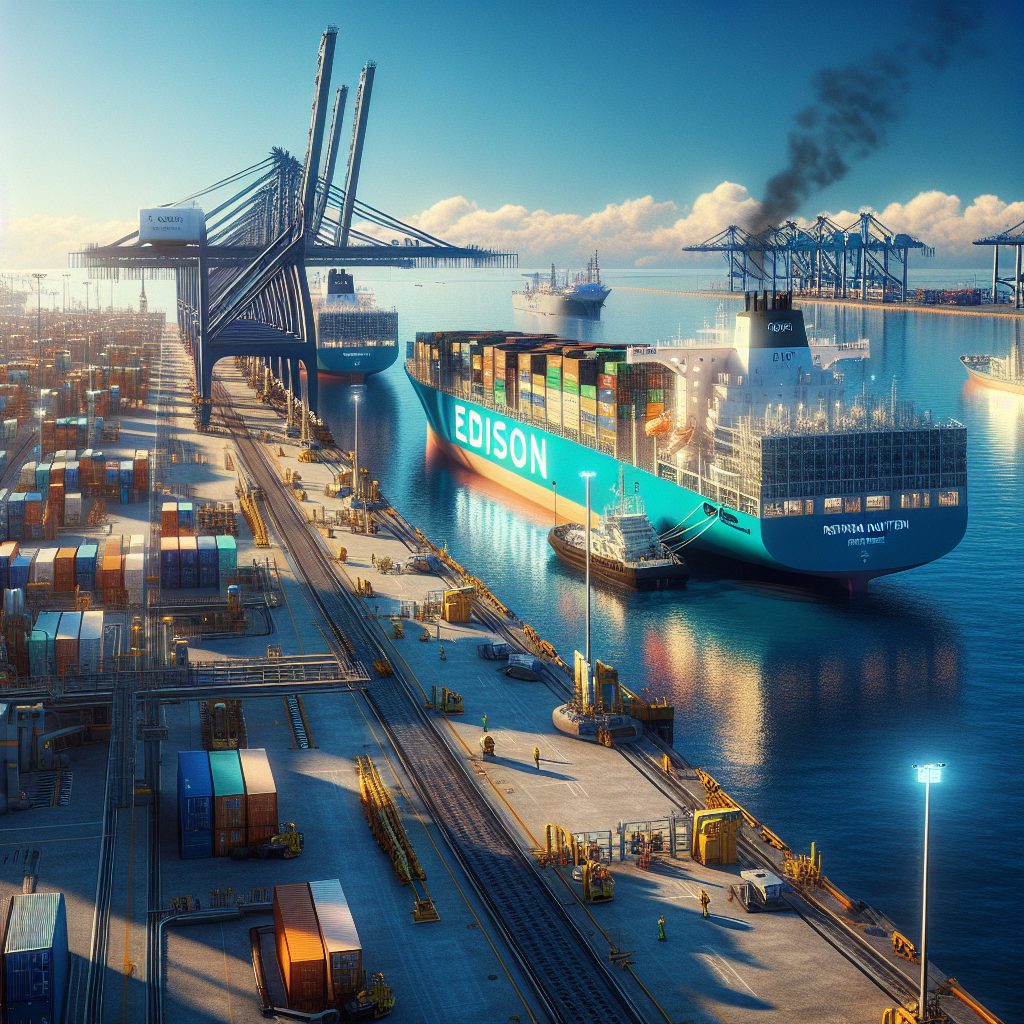
Pioneers in LNG Bunkering: Italy Sets a New Milestone in Maritime Sustainability In a groundbreaking development for the Italian maritime sector, Edison, the Italian energy giant, and CMA CGM, one of the world’s leading shipping companies, have achieved the first ship-to-ship (STS) liquefied natural gas (LNG) supply for a container ship in Italy. This milestone took place in the port of Trieste, where Edison’s Ravenna Knutsen supplied fuel to CMA CGM’s Salamanque, a LNG-powered container ship operating in the Mediterranean. This achievement not only highlights Edison’s growing leadership in LNG bunkering but also demonstrates CMA CGM’s ongoing commitment to decarbonizing the shipping industry. It is the first time a LNG-powered container ship has been refuelled in Italy, following Edison’s successful inaugural LNG operation with a cruise ship in the Adriatic in 2024. For maritime professionals and nautical enthusiasts, this initiative represents a step towards sustainability in Italian ports, contributing to the reduction of carbon emissions and other pollutants in maritime transport. Integration of Alternative Fuels: The Role of LNG The use of LNG as an alternative fuel is gaining importance as a practical solution to reduce emissions in maritime transport. LNG, considered a transitional fuel, allows for a significant reduction in CO₂ emissions, up to 85%, compared to conventional fuels. This technology is paving the way for the introduction of alternative fuels such as bio-LNG and synthetic LNG. LNG is a cleaner alternative fuel that can significantly reduce greenhouse gas emissions in the maritime sector. It is a transitional fuel that facilitates the shift towards more sustainable energy sources. The collaboration between Edison and CMA CGM demonstrates the gradual adoption of LNG-powered fleets in Italian ports. By integrating LNG into their operations, CMA CGM is not only reducing emissions but also laying the foundation for the future adoption of even more sustainable fuels. The growing adoption of alternative fuels not only signals progress towards a cleaner future but also opens up new job opportunities in a market increasingly focused on sustainability and technological innovation. Ravenna Knutsen: Operational Flexibility and Safety The Ravenna Knutsen ship, in operation since 2021, is an example of adaptable and efficient design, capable of handling different types of vessels and port configurations. With a capacity of 30,000 cubic meters, it ensures safe and versatile bunkering operations. The flexibility of the Ravenna Knutsen was crucial for successfully completing the STS LNG transfer to the Salamanque ship, highlighting Edison’s ability to scale its LNG operations for various sectors, including container shipping, cruises, and other maritime vessels. The success of the Ravenna Knutsen operation reflects a growing trend towards cleaner and more sustainable solutions in the maritime sector. LNG bunkering operations represent strategic investment opportunities in the maritime industry. LNG plays a vital role in reducing maritime emissions in line with European regulations and industry standards. LNG: A Green Transitional Fuel LNG plays a crucial role in reducing maritime emissions, aligning with European ETS Maritime and FuelEU Maritime regulations, as well as IMO standards. Edison’s efforts align with the Mediterranean SECA regulations, which came into effect in May 2025, to control sulfur emissions. This operation also reinforces the shipping industry’s strategic focus on sustainability, supporting CMA CGM’s fleet of dual-fuel LNG-powered container ships. By adopting cleaner fuels, CMA CGM continues to drive operational decarbonization and demonstrate leadership in energy transition. For maritime professionals, the implementation of such technologies offers the possibility of improving maritime operations while complying with increasingly stringent regulations, resulting in better practices and professional development opportunities. A Milestone for Maritime Decarbonization The success of LNG bunkering in Trieste not only represents a unique operation but also signals Italy’s readiness to adopt alternative fuels. The increasing collaboration between energy providers and shipping companies in Europe is facilitating the expansion of LNG bunkering in the Mediterranean and beyond. As the maritime sector moves towards greener transportation solutions, milestones like this pave the way for a more sustainable and low-carbon future, an essential step in meeting global climate goals and redefining energy use in maritime logistics. In conclusion, technological innovation and a commitment to sustainability provide maritime industry professionals with a platform to explore new areas of growth and personal development, paving the way for a more prosperous and ecological sector. Opportunities and Future: A Call to Action For those interested in being part of this exciting advancement in the maritime industry, there are numerous job opportunities and avenues for professional development. Edison and CMA CGM are at the forefront of this transformation, encouraging professionals to submit their resumes to join an ever-evolving sector. The adoption of sustainable technologies is not only beneficial for the environment but also promises an innovative and dynamic future for those seeking new opportunities in the maritime industry. Readers are invited to continue exploring the fascinating world of LNG and its applications in maritime transport, an area that will undoubtedly continue to shape the future of global commerce.