


Pioneers in LNG Bunkering: Italy Sets a New Milestone in Maritime Sustainability
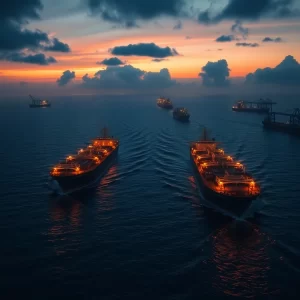
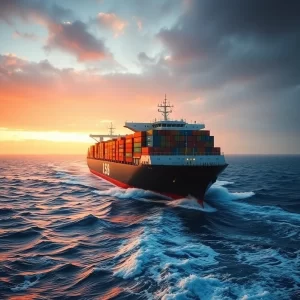
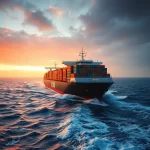
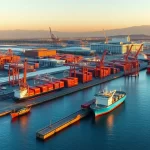
In a groundbreaking development for the Italian maritime sector, Edison, the Italian energy giant, and CMA CGM, one of the world’s leading shipping companies, have achieved the first ship-to-ship (STS) liquefied natural gas (LNG) supply for a container ship in Italy. This milestone took place in the port of Trieste, where Edison’s Ravenna Knutsen supplied fuel to CMA CGM’s Salamanque, a LNG-powered container ship operating in the Mediterranean. This achievement not only highlights Edison’s growing leadership in LNG bunkering but also demonstrates CMA CGM’s ongoing commitment to decarbonizing the shipping industry. It is the first time a LNG-powered container ship has been refuelled in Italy, following Edison’s successful inaugural LNG operation with a cruise ship in the Adriatic in 2024.
For maritime professionals and nautical enthusiasts, this initiative represents a step towards sustainability in Italian ports, contributing to the reduction of carbon emissions and other pollutants in maritime transport.
Integration of Alternative Fuels: The Role of LNG
The use of LNG as an alternative fuel is gaining importance as a practical solution to reduce emissions in maritime transport. LNG, considered a transitional fuel, allows for a significant reduction in CO₂ emissions, up to 85%, compared to conventional fuels. This technology is paving the way for the introduction of alternative fuels such as bio-LNG and synthetic LNG.
- LNG is a cleaner alternative fuel that can significantly reduce greenhouse gas emissions in the maritime sector.
- It is a transitional fuel that facilitates the shift towards more sustainable energy sources.
- The collaboration between Edison and CMA CGM demonstrates the gradual adoption of LNG-powered fleets in Italian ports.
By integrating LNG into their operations, CMA CGM is not only reducing emissions but also laying the foundation for the future adoption of even more sustainable fuels. The growing adoption of alternative fuels not only signals progress towards a cleaner future but also opens up new job opportunities in a market increasingly focused on sustainability and technological innovation.
Ravenna Knutsen: Operational Flexibility and Safety
The Ravenna Knutsen ship, in operation since 2021, is an example of adaptable and efficient design, capable of handling different types of vessels and port configurations. With a capacity of 30,000 cubic meters, it ensures safe and versatile bunkering operations. The flexibility of the Ravenna Knutsen was crucial for successfully completing the STS LNG transfer to the Salamanque ship, highlighting Edison’s ability to scale its LNG operations for various sectors, including container shipping, cruises, and other maritime vessels.
- The success of the Ravenna Knutsen operation reflects a growing trend towards cleaner and more sustainable solutions in the maritime sector.
- LNG bunkering operations represent strategic investment opportunities in the maritime industry.
- LNG plays a vital role in reducing maritime emissions in line with European regulations and industry standards.
LNG: A Green Transitional Fuel
LNG plays a crucial role in reducing maritime emissions, aligning with European ETS Maritime and FuelEU Maritime regulations, as well as IMO standards. Edison’s efforts align with the Mediterranean SECA regulations, which came into effect in May 2025, to control sulfur emissions. This operation also reinforces the shipping industry’s strategic focus on sustainability, supporting CMA CGM’s fleet of dual-fuel LNG-powered container ships. By adopting cleaner fuels, CMA CGM continues to drive operational decarbonization and demonstrate leadership in energy transition.
For maritime professionals, the implementation of such technologies offers the possibility of improving maritime operations while complying with increasingly stringent regulations, resulting in better practices and professional development opportunities.
A Milestone for Maritime Decarbonization
The success of LNG bunkering in Trieste not only represents a unique operation but also signals Italy’s readiness to adopt alternative fuels. The increasing collaboration between energy providers and shipping companies in Europe is facilitating the expansion of LNG bunkering in the Mediterranean and beyond. As the maritime sector moves towards greener transportation solutions, milestones like this pave the way for a more sustainable and low-carbon future, an essential step in meeting global climate goals and redefining energy use in maritime logistics.
In conclusion, technological innovation and a commitment to sustainability provide maritime industry professionals with a platform to explore new areas of growth and personal development, paving the way for a more prosperous and ecological sector.
Opportunities and Future: A Call to Action
For those interested in being part of this exciting advancement in the maritime industry, there are numerous job opportunities and avenues for professional development. Edison and CMA CGM are at the forefront of this transformation, encouraging professionals to submit their resumes to join an ever-evolving sector. The adoption of sustainable technologies is not only beneficial for the environment but also promises an innovative and dynamic future for those seeking new opportunities in the maritime industry.
Readers are invited to continue exploring the fascinating world of LNG and its applications in maritime transport, an area that will undoubtedly continue to shape the future of global commerce.