


The FINE Awards 2025: A Overview of Innovation and Achievements in the Maritime Sector
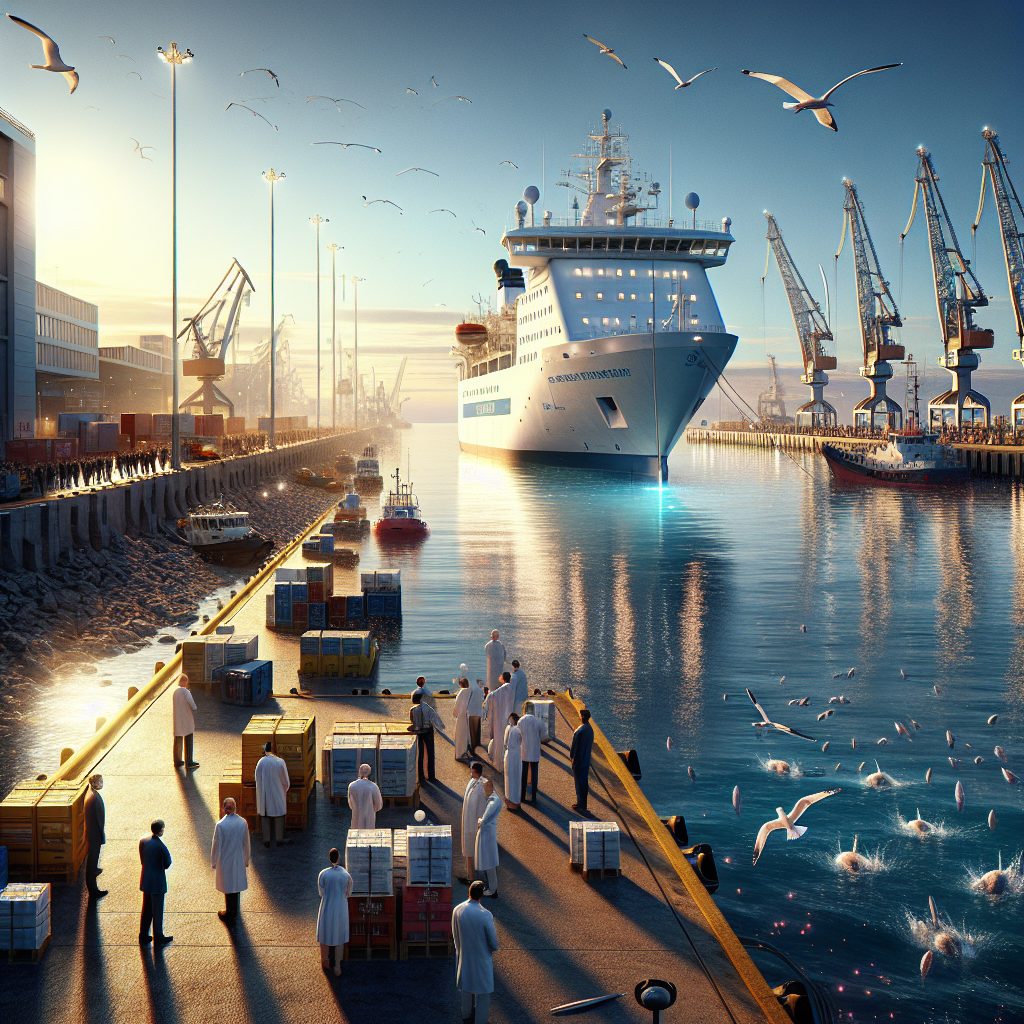
The FINE Awards 2025: A Overview of Innovation and Achievements in the Maritime Sector In the recent edition of the FINE Awards 2025, held in Puerto Real, Cádiz, the maritime sector came together to honor individuals and entities that have made significant contributions to the industry. These awards, presented at the prestigious Maritime Blue Growth Congress, highlighted not only individual efforts but also the collective impact within the maritime realm. Mureloil, led by its manager José Luis Caraballo, was awarded the Outstanding Shipowner of the Year. This recognition not only highlights the company’s operational efficiency and technological innovation but also its commitment to the environment and sustainability. Caraballo has been praised for a management style that optimizes resources while minimizing environmental impact, making Mureloil a role model in the industry. On the other hand, Boluda Shipping, represented by Ignacio Boluda, won the award in the Ports and Terminals category, thanks to its innovative approach at the Santander container terminal. This terminal stands out for its use of advanced technologies that enhance efficiency and reduce waiting times, crucial aspects for global maritime trade. A Tribute to Career Paths and Innovation Juan Riva, president of the Suardiaz Group, was honored with the 2025 Lifetime Achievement Award for his dedication to the maritime sector. His leadership has driven significant expansion and sustainability projects in maritime transport, aligning with the industry’s evolving demands for efficiency and emission reduction. The distinction awarded to the Freire shipyard and the new scientific vessel Odón de Buen of the Spanish Oceanographic Institute symbolizes the technological advancement characterizing our era, offering new capabilities for deep-sea research. Additionally, the recognition of the innovative project by Ghenova and Enerocean in engineering underscores the importance of integrating technological solutions in shipbuilding, focusing on energy efficiency and sustainability. Furthermore, the outstanding award granted to the NGO Salarte for its work in the recovery of salt marshes in Andalucía highlights the industry’s commitment to conservation and environmental sustainability, fundamental pillars of the blue economy. The Maritime Blue Growth Congress: A Hub of Opportunities The Maritime Blue Growth Congress, where these awards were presented, serves as a key event for maritime sector professionals. This year, essential topics such as ecological transition in the sector, the benefits and challenges of the blue economy, and the need for strategic partnerships for a sustainable and prosperous future were discussed. With speakers like Vítor Jiménez, president of the International Maritime Organization Council, and Simon Bennett, Deputy Secretary-General of the International Chamber of Shipping, the congress provided an unparalleled platform for the exchange of technical and policy knowledge. The participation of figures like Katalin Dobranszky, who addressed technological innovations and fiscal issues in the sector, was particularly noteworthy. For sector professionals and enthusiasts, these days not only provide valuable knowledge but also present attractive job opportunities. Award-winning companies like Boluda Shipping and Mureloil are always seeking new talent, creating pathways for advancing careers within a rapidly expanding sector. Relevance for the Future of the Maritime Sector The FINE Awards 2025 not only celebrate past achievements but also set an inspiring vision for the future of the maritime sector. The award-winning innovation in these ceremonies highlights the importance of technology and sustainability, essential principles for an industry seeking to reduce its environmental impact and enhance operational efficiency. For maritime investors, these events represent an opportunity to identify leading companies in innovation and sustainability, factors increasingly critical in financial decision-making. At the same time, for merchant marine professionals, these awards serve as a reminder of the sector’s dynamism and the numerous personal and professional growth opportunities available. Ultimately, for nautical enthusiasts, the FINE Awards serve as a source of inspiration and an incentive to continue exploring and participating in a sector that is constantly evolving. The awarded technologies and recognized career paths are a testament to the fact that innovation and passion go hand in hand on the journey towards a brighter and more sustainable maritime future. Conclusion: A Sector in Transformation The FINE Awards 2025 have been a beacon of innovation and commitment in the maritime sector, highlighting those who are leading the change towards a more sustainable and efficient future. As the blue economy continues to be a focus of global interest, these awards reaffirm the need for collaboration and strategic investments in technology and training. For those interested in exploring new opportunities in the sector, these ceremonies offer a roadmap to growth and success. We invite all WishToSail.com readers to closely follow these developments, as they represent both a challenge and an opportunity to redefine the boundaries of what is possible in the maritime world.
The Success Story of Fred. Olsen Cargo Express

The Success Story of Fred. Olsen Cargo Express On the 12th of November 2024, Fred. Olsen Cargo Express embarked on a new chapter with the introduction of the Bahía Cargo vessel. In its inaugural year, this ro-ro vessel has travelled 54,396 nautical miles and completed 841 journeys, carrying a remarkable total of 100,700 linear meters of cargo. This asset is an integral part of a broader strategy implemented by the Canary Islands shipping company to enhance its logistics services in the archipelago, significantly contributing to the economic and social development of the Canary Islands. The operation of three dedicated ro-ro vessels – the Bentayga Cargo, the Bahía Cargo, and the Breñas Cargo – has allowed Fred. Olsen to strengthen its position in the interisland transport market. The services include four daily connections between Gran Canaria and Tenerife, as well as various routes connecting other islands such as Fuerteventura, Lanzarote, and La Palma, in addition to a link to the Iberian Peninsula through Huelva. These routes facilitate the continuous flow of essential goods for the daily life of the islanders. One of the cornerstones of this success has been the commitment to service excellence, as highlighted by Juan Jesús Dionis, head of the company’s cargo department. In addition to bottled water, Fred. Olsen has transported a variety of goods such as food products, beverages, glass containers, and general cargo. These achievements have been made possible through a focus on route optimization and logistical efficiency, ensuring continuous supply in an island environment that presents its own challenges. Technological Advancements and Capabilities of the Bahía Cargo With its 160 meters in length, the Bahía Cargo can carry up to 9,000 tons of cargo and offers 1,800 linear meters of space for goods, including large or hazardous items. This capacity is crucial to meet the specific logistical needs of an island environment like the Canary Islands, where the transport of essential goods is a daily challenge. The design of the Bahía Cargo and its sister ship, the Bentayga Cargo, not only optimizes transport capacity but also enhances energy efficiency, reducing the company’s carbon footprint. This technological innovation is part of a trend in the maritime industry towards more sustainable operations, an increasingly relevant aspect in the fight against climate change. For maritime professionals, these advancements represent an opportunity to engage in projects that seek not only economic efficiency but also sustainability and environmental responsibility. Furthermore, these innovations create new job opportunities, as trained individuals are needed to operate and maintain this advanced technology. Opportunities for Professionals and Mariners The expansion and consolidation of Fred. Olsen Express operations not only benefit consumers but also have a positive impact on the maritime sector job market. With a fleet that completes 22,500 journeys annually and transports millions of passengers and goods, Fred. Olsen is a leading maritime transport provider in the archipelago. The company presents a significant employment opportunity for those interested in joining a continually expanding shipping company. Fred. Olsen invites qualified professionals to submit their resumes, especially those with experience in logistics, maritime operations, and sustainability. This development is relevant not only for maritime professionals but also for investors interested in the growth of interisland transport. The stability and growth demonstrated by Fred. Olsen are a testament to the strength of its business model, making it an attractive destination for investment. Relevance for the Nautical Sector The case of the Bahía Cargo and Fred. Olsen’s strategy highlights three key aspects of interest to the WishToSail.com audience. Firstly, the technological innovation implemented in these operations demonstrates a commitment to sustainability and efficiency, essential values in the current industry. Secondly, route optimization and a focus on service excellence are examples of how shipping companies can enhance their operations to meet the specific needs of an island environment, offering valuable lessons to other industry professionals. Finally, the success of the Bahía Cargo in its first year of operations reaffirms the importance of adaptability and strategic vision in a dynamic market like maritime logistics. These attributes are crucial for any entity seeking to thrive in the competitive world of maritime navigation and transport. Exploring the Future of Maritime Transport in the Canary Islands Looking ahead, the success of the Bahía Cargo lays the groundwork for new developments and improvements in maritime transport in the Canary Islands. Fred. Olsen Express, like other shipping companies, is in an optimal position to lead innovations that continue to transform the sector, focusing on sustainability, efficiency, and operational optimization. For industry professionals, these trends represent opportunities to learn and grow in a dynamic industry. Additionally, the growing demand for efficient logistics services in the archipelago can be a catalyst for further investments in infrastructure and new innovative projects. In conclusion, the success of the Bahía Cargo is not only an achievement for Fred. Olsen Express but also an inspiration for the entire nautical and maritime industry, showcasing how innovation, sustainability, and a commitment to excellence can shape the future of maritime transport in the Canary Islands and beyond.
The Strategic Navigation of CMA CGM and the Return of Container Traffic via the Suez Canal
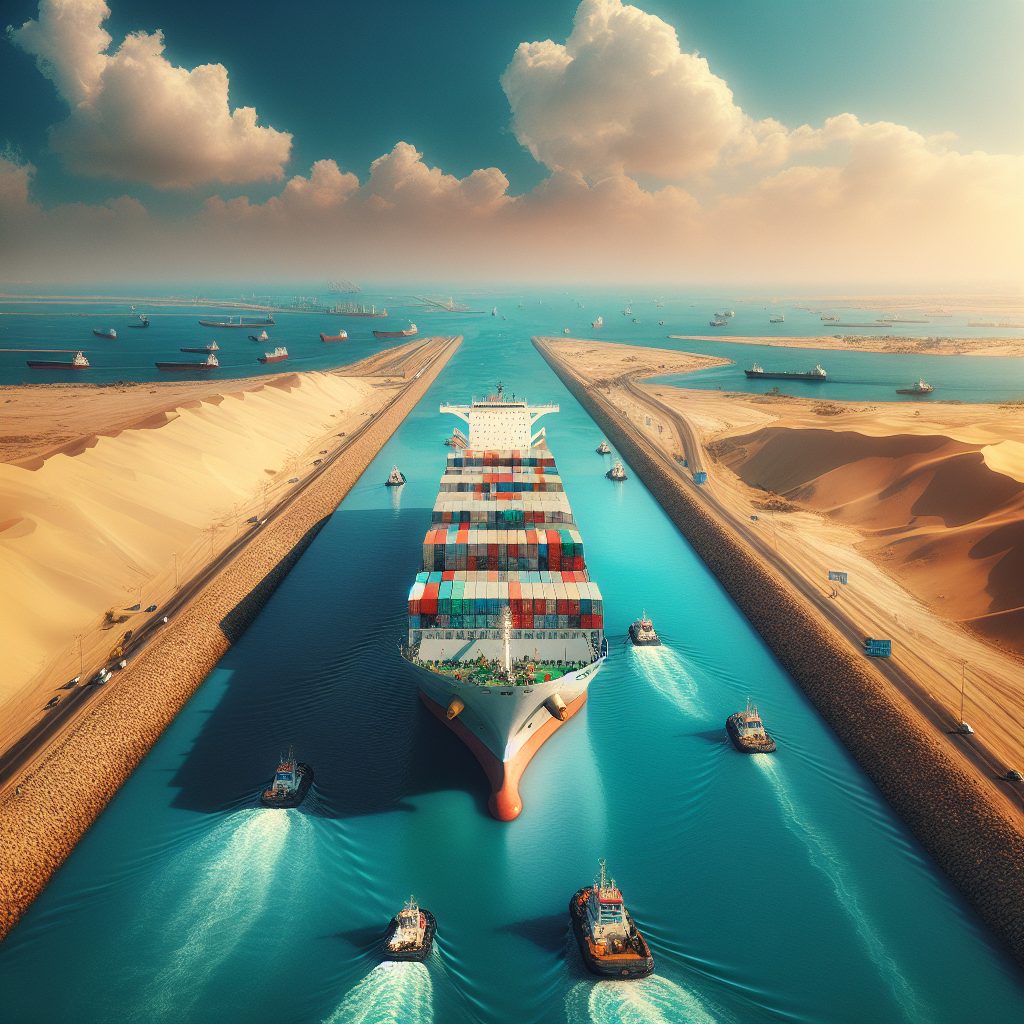
The Strategic Navigation of CMA CGM and the Return of Container Traffic via the Suez Canal The French maritime transport giant, CMA CGM, has made the decision to resume its operations through the Suez Canal, reopening crucial strategic routes for global trade. This move comes amidst geopolitical instability, especially with the recent cessation of attacks by Houthi militias, who had maintained a naval blockade on Israeli ports. The significance of this reopening is particularly important following the announcement by the Houthis to temporarily halt their attacks in response to the evolving situation in Gaza. This could provide relief for carriers who have seen their routes disrupted and costs increased due to the diversion around the Cape of Good Hope. The Suez route not only represents a significant reduction in transit time but also in operational costs. The return of large container ships like the CMA CGM Benjamin Franklin, with a capacity of almost 18,000 TEU, through the Suez Canal marks a turning point in the recovery of this passage. The reactivation of traffic through the canal could also revitalize local economies and improve connectivity between Asia and Europe, playing a key role in stabilizing global maritime trade. Challenges and Opportunities for the Maritime Sector Despite the resurgence in traffic through the Suez Canal, normalcy in the Red Sea still seems distant. According to data from Lloyd’s List Intelligence, container passage through Bab el-Mandeb remains below pre-crisis levels, especially for high-capacity vessels. This situation poses significant challenges for shipping companies seeking to optimize their routes. However, for industry professionals, the resumption of maritime traffic through Suez presents potential job opportunities. Sector companies, such as CMA CGM, may require specialized personnel to manage the increase in operations. This represents an opportunity for captains, deck officers, and technical personnel seeking new job opportunities in a challenging yet promising environment. Maritime investors should also pay attention to this development. The gradual reactivation of the canal may impact freight rates and insurance costs, providing fertile ground for strategic investment. Furthermore, this movement could stimulate renewed interest in technological innovation in fleet management and energy efficiency, crucial aspects in the current maritime industry. Innovation and Sustainability: Keys to the Future In the context of the return to the Suez Canal, CMA CGM and other major shipping companies have the opportunity to lead technological innovation in maritime transport. The integration of sustainable and efficient technologies is not only a response to current environmental demands but also a fundamental competitive advantage. The implementation of cleaner propulsion systems, fuel consumption optimization, and the use of artificial intelligence for route management are just some of the areas where the industry can progress. These innovations will not only benefit companies in terms of costs but also help reduce the environmental impact of maritime transport, an increasingly important factor for consumers and regulators. Finally, for nautical enthusiasts and the general public, the return of large ships to the Suez Canal can spark interest and admiration for maritime engineering, highlighting the importance of technological advances in overcoming geopolitical and economic challenges. Conclusion: The Rebirth of the Suez Canal In conclusion, the return of container ships to the Suez Canal, led by CMA CGM, is a symbol of resilience and adaptation in the maritime world. This reactivation not only boosts trade between Asia and Europe but also offers new job and investment opportunities while promoting the technological innovation necessary for a more sustainable future. In times of uncertainty, the maritime sector continues to demonstrate its ability to adapt and overcome complex challenges. For those interested in closely following this evolution, the Suez Canal now presents itself as a dynamic stage of change, progress, and potential growth. We invite maritime professionals, investors, and enthusiasts to stay tuned to these transformations and consider the various opportunities emerging in a constantly evolving global scenario.
The Green Revolution in Gijón: El Musel Terminal Starts Supplying BioLNG to Ships
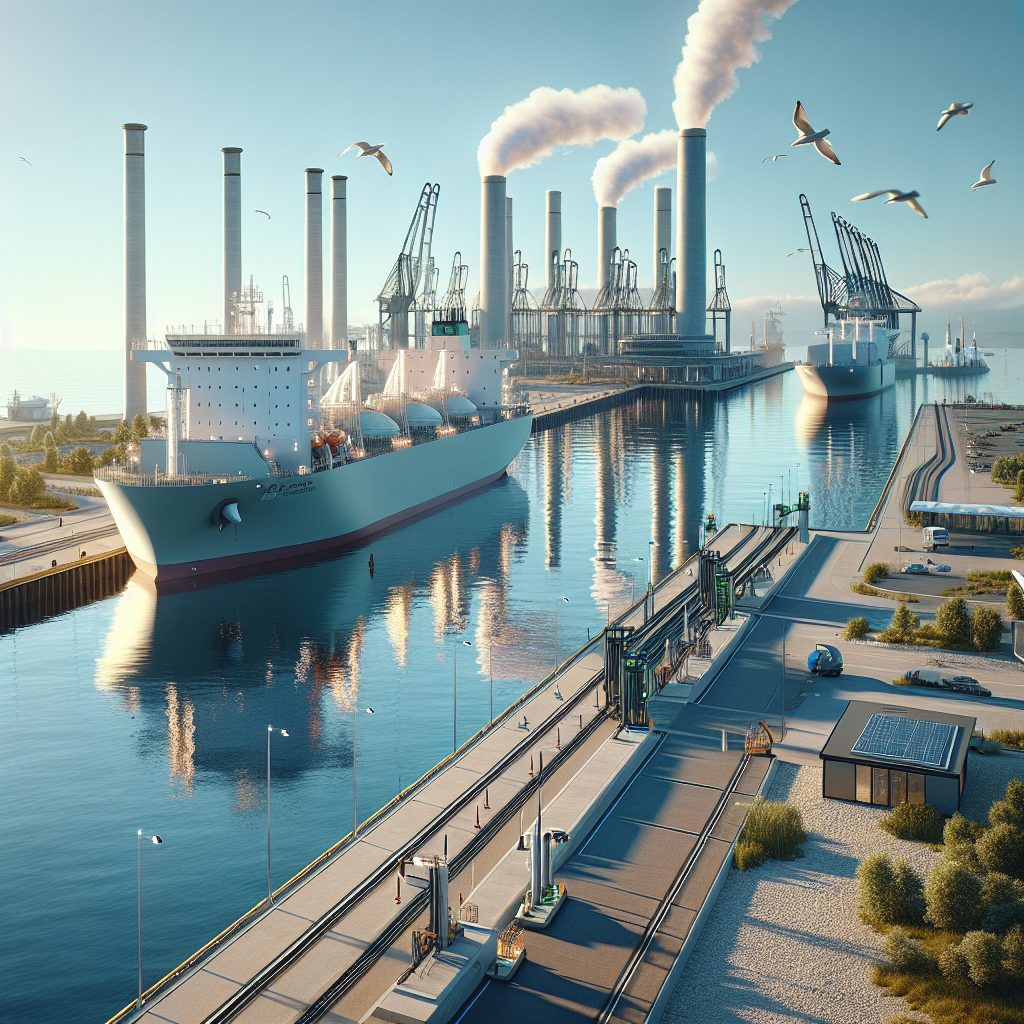
The Green Revolution in Gijón: El Musel Terminal Starts Supplying BioLNG to Ships The sustainable innovation in the Port of El Musel has taken a significant step towards sustainability with the launch of a new service to supply BioLNG to ships and tanker trucks. This project, known as the LNG Musel Energy Hub, is a collaboration between Enagás and Reganosa, who own 75% and 25% of the hub, respectively. This initiative not only strengthens the port’s infrastructure as a multi-molecule plant, but also reinforces its crucial role in the security of the energy supply in Spain and Europe. Since November 5, 2025, the BioLNG produced is certified under environmental and social criteria of the European Union, a milestone that not only enhances the competitiveness of the port but also positions it as a leader in technological innovation. This step represents a great opportunity for shipping companies that already have engines adaptable to BioLNG and a boost for the industry seeking to reduce its carbon footprint. Antonio Manzano, CEO of the Musel Energy Hub, emphasizes that the terminal is not only seeking to innovate in technology but also in sustainability, setting a precedent in the method of biofuel supply. Furthermore, Nieves Roqueñí, president of the Port Authority of Gijón, highlights the strategic importance of the port given its location and direct connection to the Atlantic, making it a key logistical point. Exponential Growth of LNG in Spain In recent years, the supply of LNG as fuel for ships has experienced unprecedented growth in Spain. Since 2022, activity has increased tenfold, reflecting a clear shift towards cleaner fuels in the maritime sector. In the first nine months of 2025, Enagás and Reganosa’s terminals have recorded a supply of 4.6 TWh of LNG, distributed among small ships and tanker trucks. The rise of LNG responds not only to domestic demand but also to the growing European regulations pushing for decarbonization of maritime transport. Additionally, the effort made for over a decade to develop small-scale infrastructure in all terminals has begun to bear fruit, allowing for a more efficient and flexible supply. Thanks to these initiatives, ship operators now have more options and supply guarantees, facilitating logistical planning and reducing dependence on traditional fossil fuels. This structure not only improves the sustainability of the sector but also generates new business and investment opportunities in Spanish ports. Job and Economic Opportunities The implementation of BioLNG in Gijón presents a range of job opportunities for those interested in energy transition within the maritime sector. Shipping companies that are committed to sustainability are looking for professionals trained to handle this new technology, from engineers to specialists in biofuels. Additionally, the operation of the Musel Energy Hub could be an economic driver for the Asturian region, generating employment and attracting foreign investments. The sustainability certification of the service expands its export possibilities to European markets interested in reducing their carbon emissions. For maritime investors, these developments offer a promising environment to invest in green technology and are part of a broader movement towards sustainable business practices. Companies wishing to be part of this ecosystem are invited to submit their resumes and explore the opportunities available at the Musel Energy Hub. The Future of BioLNG in Maritime Transport With the entry of BioLNG into the market, the port of Gijón is at the forefront of a green revolution in the maritime sector. This innovation not only benefits local companies but also positions Spain as a leader in sustainability and energy transition at the European level. The adoption of BioLNG by shipping companies could be a testament to a paradigm shift in the industry. As the world faces the challenges of climate change, the adoption of alternatives such as BioLNG becomes essential. The possibility of significantly reducing carbon emissions from ships is a crucial step towards a cleaner and more sustainable future. For industry professionals, understanding and using this technology can make a difference in their careers. The GNL Musel Energy Hub embodies the need for evolution in maritime transport, and its success could influence the implementation of similar projects in other ports. Thus, Gijón not only becomes a vital logistical node but also a center of innovation and sustainability driving the future of the maritime industry. Relevance of the Project for Audience Segments For merchant navy professionals, this development represents a step towards a more sustainable industry, increasing their technical knowledge and professional opportunities. The green revolution led by the Musel Energy Hub can transform how maritime transport is conceived in the future. Maritime investors will find in BioLNG a unique opportunity to invest in cutting-edge technology promising a sustainable and responsible return. Additionally, the support of European regulations ensures a favorable regulatory framework for these investments. For nautical enthusiasts and sector enthusiasts, the move towards more ecological navigation expands their choices when opting for environmentally-friendly transportation. The project in Gijón not only reflects a commitment to the environment but also promotes the adoption of clean technologies. In conclusion, the GNL Musel Energy Hub not only marks a milestone in the energy history of the port of Gijón but also represents a crucial step towards the green transition demanded by the maritime sector. We invite our readers to explore more about this initiative and the opportunities it offers, being an active part of this global change.
Advancing Towards Sustainability: Partnership Between EnviTec Biogas and TT-Line in Bio-LNG Supply

Advancing Towards Sustainability: Partnership Between EnviTec Biogas and TT-Line in Bio-LNG Supply In a strategic move towards sustainability in maritime transport, EnviTec Biogas AG and TT-Line have signed a groundbreaking agreement for the supply of bio-LNG, marking a milestone in the industry. This agreement follows a successful trial supply of 40 tonnes of renewable fuel for the TT-Line Ro-Pax ferry Peter Pan in Travemünde, Germany. Markus Pille, CEO of EnviTec Energy GmbH & Co. KG, emphasized the importance of this agreement by stating: “We are delighted to supply renewable bio-LNG to TT-Line’s passenger and vehicle combination ferries. This collaboration represents a tangible step towards sustainable maritime logistics.” This partnership not only strengthens TT-Line’s position in the market but also showcases their commitment to emissions reduction in the maritime transport sector, providing a case study on how companies can align their operations with global sustainability goals. Compliance with FuelEU Maritime Regulations The agreement is established within the framework of the EU’s FuelEU Maritime regulations, which require vessels operating in European waters to comply with strict greenhouse gas intensity limits for onboard energy use. This regulation applies to all commercial passenger and cargo vessels with a gross tonnage exceeding 5,000, regardless of flag. The regulation will remain in effect until further notice, providing a basis for shipping companies to adjust their approach to sustainability. While the International Maritime Organization (IMO) was expected to adopt its global Net Zero framework for 2050, the postponement of this adoption highlights the importance of regional initiatives like FuelEU Maritime. This regulation positions TT-Line as an innovation leader within the sector, advancing clean energy solutions that not only comply with current regulations but also prepare the company for future, more stringent standards. TT-Line’s Green Strategy TT-Line has bolstered its sustainable fleet strategy by incorporating LNG-powered Ro-Pax vessels, such as the Peter Pan and its sister ship, Nils Holgersson. These vessels represent technological innovation in maritime transport, aligning with the highest standards of energy efficiency and sustainability. Torben Nikolay, CFO of TT-Line, emphasized: “These vessels are more than compliance tools; they are the cornerstone of our sustainable fleet strategy. This year, we have already conducted extensive bio-LNG supplies and have now found a German partner in EnviTec Biogas for flexible truck-based supply.” Operating in the Baltic Sea, TT-Line connects major ports in Germany, Poland, Lithuania, and Sweden, annually transporting approximately one million passengers and a significant volume of cargo, consolidating its position as a market leader in ferry traffic in southern Sweden. Production of Bio-LNG and its Sustainability Impact EnviTec Biogas produces its bio-LNG from organic residual biomass, including manure, food, and agricultural waste. The process converts these materials into biogas, which is then upgraded to biomethane and liquefied into bio-LNG using EnviThan technology. The use of bio-LNG offers emissions reductions of up to 100% compared to marine diesel, providing shipping companies with a solid starting point to meet greenhouse gas reduction targets set by FuelEU Maritime. The Güstrow BioEnergy Park, Germany’s largest bio-LNG plant, is a key source of this carbon-neutral fuel. Since 2023, EnviTec has established itself as an independent bio-LNG provider for the maritime sector, underscoring its pioneering role in the energy transition. Relevance of the Partnership for the Maritime Sector For maritime professionals, this agreement symbolizes an opportunity to be at the forefront of the energy transition in the sector. The adoption of cleaner fuels not only complies with regulations but also promotes a more sustainable and competitive future. For maritime investors, the alliance between EnviTec and TT-Line is a tangible example of how companies can align with current sustainability trends, offering potential opportunities for long-term profitable investments in green technologies. Additionally, for nautical enthusiasts, the implementation of bio-LNG in Ro-Pax ferries exemplifies how the industry can modernize to meet its environmental responsibilities, inspiring positive change towards more responsible practices. Conclusion: A Green Future on the Horizon The collaboration between EnviTec Biogas and TT-Line is a significant step towards a more sustainable future in maritime transport. By integrating bio-LNG into their operations, TT-Line not only meets current standards but also establishes a framework for future sustainability innovations. This alliance highlights the viability of adopting alternative fuels as a key part of operational strategy, demonstrating that environmental commitment can go hand in hand with business success. We invite professionals and enthusiasts to closely follow these developments as they represent an opportunity not only to move towards a cleaner future but also to actively participate in transforming the maritime sector towards sustainability.
TechnipFMC and Their Participation in the Annual Energy Conference: Opportunities and Advances in the Maritime Sector

TechnipFMC and Their Participation in the Annual Energy Conference: Opportunities and Advances in the Maritime Sector Innovation and Strategy in the Maritime Sector: The Role of TechnipFMC In a constantly evolving sector like maritime, TechnipFMC has positioned itself as an undisputed leader in innovation and technological development. The recent announcement of Doug Pferdehirt, the company’s president and CEO, participating in the second Annual Energy Conference organized by TD Cowen underscores the importance of their strategic focus in the energy field. This conference, scheduled for November 18, 2025, in New York, represents a unique opportunity to discuss emerging trends and challenges in the sector. Pferdehirt’s presence at this event is significant as TechnipFMC is known for its ability to integrate advanced technologies into its maritime and energy operations. The company has been a pioneer in developing innovative solutions aimed at optimizing efficiency and sustainability in offshore operations. The intervention of TechnipFMC in this context is a testimony to its leadership and future vision. Emerging Technologies and their Impact on Maritime Efficiency One of the most fascinating aspects of the current maritime sector is the emergence of emerging technologies that have the potential to revolutionize operations at sea. TechnipFMC has been at the forefront of these innovations, developing technologies that not only improve efficiency but also promote more sustainable and environmentally friendly practices. The company’s focus on the automation and digitization of processes has significantly reduced the time and resources required for complex operations at sea. This not only translates into considerable cost savings for companies but also minimizes the environmental impact of maritime activities. Data-based technologies allow companies to anticipate potential problems, managing projects more efficiently. The adaptation of these technologies has also created new job opportunities in the maritime sector, with a growing need for skilled personnel to handle and maintain these advanced technological tools. Employment Opportunities in an Expanding Sector The continuous evolution of the maritime and energy sector not only presents challenges but also significant opportunities for professionals and new talents. With the growth of advanced technologies, the sector requires a trained workforce that can operate and optimize these new tools. Participation in events like TD Cowen’s Annual Energy Conference is crucial for those looking to expand their professional horizons. TechnipFMC, with its focus on innovation, is constantly seeking talent that can contribute to its mission of leading the global energy sector. Reasons to Attend the Conference: Added Value for Sector Professionals For professionals in the maritime and energy sector, attending events like the Annual Energy Conference offers multiple benefits. Firstly, it provides a unique insight into current and future trends in the sector, allowing attendees to stay up to date with the latest innovations and practices. Secondly, the conference provides a forum for the exchange of ideas and strategies with some of the most influential leaders in the sector. This not only enriches the participant’s knowledge but could also inspire new ways of addressing common challenges within their own organizations or projects. Finally, and perhaps most importantly, it is an opportunity to establish key contacts that could open doors to future collaborations. Interacting with colleagues and industry leaders can result in strategic partnerships that benefit not only the individuals involved but the sector as a whole. Conclusion: A Promising Horizon for the Maritime Sector TechnipFMC’s participation in the Annual Energy Conference reaffirms its commitment to innovation and leadership in the maritime sector. For readers of WishToSail.com, this event represents more than just a conference. It is a window to the opportunities and advances that define the future of the sector. As the industry evolves, those who are informed and prepared to take advantage of these innovations will be better positioned for success. Participating in these discussions is not only relevant today but will be crucial to facing the challenges of tomorrow and ensuring a prosperous and sustainable maritime sector. We invite you to continue exploring these topics and stay informed about future events and developments that could affect your careers and the industry as a whole. The future of the maritime sector is bright, and events like this are the springboard to an innovative and sustainable tomorrow.