


The Strategic Alliance between Straits Bio-LNG and Bureau Veritas Malaysia: Paving the Way for Maritime Decarbonization

The Strategic Alliance between Straits Bio-LNG and Bureau Veritas Malaysia: Paving the Way for Maritime Decarbonization In an effort to accelerate the maritime industry’s transition to low-carbon fuels, Straits Bio-LNG Pte Ltd and Bureau Veritas (BV) Malaysia have signed a Memorandum of Understanding (MoU). This agreement focuses on the production and certification of sustainable bio-methane certified by ISCC EU, a crucial component in decarbonizing the global LNG supply chain. The collaboration is centered around the development of a sustainable bio-methane liquefaction facility. Through this MoU, both parties have committed to establishing a comprehensive framework designed to ensure regulatory compliance and high sustainability standards throughout the supply chain. This agreement represents a significant step forward considering the increasing pressure on the shipping industry to meet the IMO’s greenhouse gas reduction goals for 2030 and 2050. By focusing on three key pillars, this agreement aims to set new sustainability standards in the sector. Compliance with ISCC EU: Establishing a rigorous framework to ensure that all production meets the sustainability standards and carbon certification required for the European market. Regulatory Alignment: Proactively adapting sustainability practices to comply with evolving global and regional environmental regulations. Establishment of Industry References: Promoting the development of certification references that enhance market confidence and credibility of bio-methane as a marine fuel. The Key Role of Bio-LNG in the Shipping Industry Bio-LNG has emerged as a leader in the industry due to its compatibility with current LNG-powered vessels, making it easy to implement without significant modifications. The agreement between Straits Bio-LNG and Bureau Veritas focuses on three essential aspects: The signing of this agreement was led by Dato’ Mohd Nizam Abdulmalik, CEO of Bureau Veritas Malaysia, and Tan Soo Koong, CEO of Straits Bio-LNG, who highlighted their joint commitment to advancing towards a low-carbon energy future. Focusing on Innovation: The Muar Liquefaction Facility Straits Bio-LNG is developing a specialized liquefaction, storage, and export facility for bio-methane in Muar, Peninsular Malaysia. This facility is strategically located in the Maharani Energy Gateway, along the Malacca Strait, one of the world’s busiest shipping lanes. The facility aims to produce 250,000 tons of bio-LNG per year, processing sustainable raw materials. This production volume is anticipated to significantly fill the regional supply gap for renewable and clean maritime gases, offering a viable alternative to fossil fuels. The continuous access through 24/7 ship-to-ship transfers without detours represents a significant logistical advantage for operations, optimizing time and resources on one of the planet’s most traveled maritime routes. Transforming Agricultural Waste into Marine Energy In Southeast Asia, a region rich in agriculture, bio-LNG has emerged as a transformative solution to reduce dependence on fossil fuels by converting waste into a high-value energy resource. This innovation is positioned as a key piece in the transition to a low-carbon future. Projects such as the Muar facility use agro-industrial waste such as Palm Oil Mill Effluent (POME) and Empty Fruit Bunches (EFB), not only providing a carbon-neutral fuel source for the global fleet but also addressing local environmental challenges by capturing methane emissions from agricultural by-products. The integration of these local resources not only promotes environmental sustainability but also boosts the local economy by creating new employment opportunities and reducing the environmental impact of agricultural waste. Straits Bio-LNG and Their Commitment to the Future Based in Singapore, Straits Bio-LNG is led by industry veterans with extensive experience in LNG terminal operations and offshore docking. The company’s mission is to use bio-methane to decarbonize LNG, considering it as the most competitive alternative fuel in terms of cost and abundance for energy transition. The company’s focus on bio-methanization represents a significant advancement in the search for sustainable energy alternatives, fostering not only emission reduction but also technological innovation in the maritime sector. Straits Bio-LNG’s strategy aligns with global sustainability and decarbonization goals, emphasizing the importance of international collaboration in tackling future environmental challenges. Bureau Veritas: Leading in Certification and Sustainability Bureau Veritas is a global leader in Testing, Inspection, and Certification (TIC) services, with a legacy of over 190 years supporting clients in the marine and offshore sectors. BV’s expertise in environmental protection, health, and safety becomes an invaluable asset for global energy transition. Bureau Veritas’ role in certification and independent verification reinforces market confidence, ensuring that companies meet the highest standards of quality and sustainability. Their participation in this agreement underscores their ongoing commitment to innovation and corporate responsibility. As the maritime sector sails towards a more sustainable future, collaboration with entities like Bureau Veritas ensures that new technologies and practices are not only safe and efficient but also environmentally responsible. Opportunities and Relevance for the Maritime Sector This agreement represents a milestone in the transition to cleaner fuels and also opens up a variety of opportunities for maritime professionals. The industry is witnessing a growth in demand for sustainability, certification, and clean technology experts, which can present significant job opportunities. For maritime investors, the development of bio-LNG infrastructure represents a strategic opportunity to invest in a sector that is
The Sustainable Future of Sallaum Lines with the Ocean Explorer

The Sustainable Future of Sallaum Lines with the Ocean Explorer The Sustainable Future of Sallaum Lines with the Ocean Explorer The maritime industry is constantly evolving, with a strong emphasis on sustainability and innovation. One notable milestone in this journey is the delivery of the MV Ocean Explorer by Sallaum Lines in January 2026. This state-of-the-art Pure Car and Truck Carrier (PCTC) with a capacity of 7,500 car equivalent units (CEU) is powered by liquefied natural gas (LNG) and dual-fuel technology, showcasing the company’s commitment to sustainability and its target of achieving net-zero emissions by 2050. Setting the Standard for Maritime Sustainability With the introduction of the Ocean Explorer, Sallaum Lines not only enhances its capability to serve automotive trade routes between Asia, Europe, and North America but also demonstrates its leadership in driving the industry towards a greener future. This innovative vessel highlights how technology can play a crucial role in combating climate change. As the maritime sector faces stringent environmental regulations, the use of LNG and dual-fuel systems emerges as a viable option to reduce emissions while ensuring operational efficiency. Technical Specifications of the Ocean Explorer The Ocean Explorer is designed to maximize volume efficiency and comply with the most stringent environmental standards. With 13 decks allowing for the transportation of a wide range of cargo, from electric passenger vehicles to heavy trucks, this vessel measures 199.90 meters in length and 38 meters in breadth, offering a formidable carrying capacity of 7,500 CEU. Equipped with a dual-fuel propulsion system and a 3,536.21 cubic meter LNG tank, the Ocean Explorer is well-equipped to address the challenges of the current maritime industry. Built at the Fujian Mawei Shipbuilding yards in China, this innovative vessel is a testament to modern engineering’s potential to meet sustainable transport needs. It exemplifies how design and technology innovation can transform the industry. Bunkering and Environmental Impact The successful LNG bunkering operation of the Ocean Explorer in December 2025 ensures compliance with rigorous environmental standards. The use of LNG as fuel allows for nearly 100% reduction in sulphur oxides (SOx), up to 96% reduction in nitrogen oxides (NOx), and over 95% reduction in particulate matter. Additionally, LNG offers a significant reduction in CO2 emissions compared to traditional heavy oil. This transition to cleaner fuels is a key component of Sallaum Lines’ strategy to lower its carbon footprint and progress towards its long-term sustainability goals. The Ocean Explorer’s ability to operate on LNG reinforces the reliability of the global LNG supply chain, ensuring efficient and sustainable operations along international routes. This successful bunkering operation is a clear example of how the industry is evolving to meet the environmental demands of our times. LNG: The Maritime Fuel of the Future Liquefied natural gas (LNG) is emerging as the preferred option for new PCTC constructions, offering a scalable pathway to the use of Bio-LNG and synthetic LNG. The viability of LNG as a marine fuel lies not only in its emission reduction capabilities but also in its global availability and reliability. The success of the Ocean Explorer with its bunkering operation at the Mawei shipyards underscores the robustness of the global LNG supply, well-positioned to support the demands of international maritime routes. The transition to this fuel is a critical step for the industry to move towards a cleaner and more sustainable future. As a green alternative, LNG provides not only environmental benefits but also economic and operational advantages by reducing the impact of emission regulations. For maritime investors, investing in clean fuel technologies like LNG represents an opportunity to lead in a transforming market. Strategic Growth: From Construction to Operation The Ocean Explorer exemplifies strategic execution in shipbuilding. From the laying of its keel as the second in the series, its launch in October 2025, to its delivery in January 2026, the vessel showcases an efficient transition from manufacturing to commercial operation. This rapid process, executed ahead of the original contractual schedule, highlights the successful collaboration between Sallaum Lines and Fujian Mawei Shipbuilding. The efficiency in the construction and delivery of this vessel demonstrates the industry’s capacity to adapt to the demands of a dynamic and evolving market. For maritime professionals, this initiative represents not only a technical advancement but also a job opportunity. As Sallaum Lines expands its fleet, new positions open up for qualified seafarers and technical personnel willing to embark on this new era of sustainable navigation. Heading Towards Net-Zero Emissions by 2050 Sallaum Lines’ commitment to sustainability is reflected in its ambitious goal of achieving net-zero emissions by 2050. With the Ocean Explorer in operation and the rest of the “Ocean Class” series set to operate in 2027, the company is on track to add a total of 45,000 CEU of “green” capacity to the global maritime market. Over the past year, the company has made strides in multiple strategic areas, including initiating biofuel trials in its existing fleet to progress towards total decarbonization. Additionally, they have enhanced satellite communication services with NexusWave, in partnership with Inmarsat, to optimize fleet connectivity. For sailing enthusiasts and investors, Sallaum Lines’ strategy offers a blueprint for transitioning towards sustainability in the industry.
Innovations in Maritime Navigation: How Climavision is Transforming the Industry with Advanced Radar Integration
Innovations in Maritime Navigation: How Climavision is Transforming the Industry with Advanced Radar Integration The advancement of technology in the maritime sector shows no signs of slowing down, with one of the most exciting innovations in recent times being the integration of Climavision into advanced maritime software. This collaboration is overcoming traditional radar limitations, significantly enhancing navigation safety and efficiency. Climavision, a leading company in meteorological solutions, has developed technology capable of filling radar gaps that have historically posed critical challenges for the industry. Thanks to this integration, maritime professionals can now leverage a more comprehensive and accurate data flow, avoiding risks associated with blind spots. This breakthrough not only improves safety at sea but also optimizes operational efficiency, reducing downtime and delays on strategic routes. This innovative technology is already available and promises to change the way real-time weather information is managed in the naval industry. For maritime investors, this innovation represents a significant opportunity to improve efficiency and safety. Enhanced radar systems can reduce the risk of accidents and cargo damage, ultimately having a positive impact on maritime insurance and operational profitability. Furthermore, sailors and industry professionals will find this technology to be an essential tool for navigating more safely and effectively. Benefits of Advanced Radar Technology for Navigation The integration provides more detailed and precise meteorological data, allowing vessels to receive early warnings about adverse weather conditions. This leads to more efficient and secure route planning, minimizing the risk of unexpected storms or dangerous weather conditions. Enhanced radar systems have a direct impact on operational efficiency, enabling maritime companies to optimize fuel consumption by choosing more direct and secure routes. This is especially relevant in a context where sustainability and carbon footprint reduction are increasingly important for the industry. Therefore, not only costs are reduced, but also environmental protection is promoted. Finally, for nautical enthusiasts and professionals, this technology represents an opportunity to acquire new skills and enhance their technical knowledge. Those interested in software development and real-time meteorological data management can find in this integration a promising and constantly growing field of specialization. Employment and Investment Opportunities on the Horizon The implementation of advanced technology like Climavision’s not only brings operational benefits but also opens up new job opportunities. Maritime companies integrating this technology into their operations are in search of professionals trained in advanced radar software and applied meteorology. For those interested in being part of this technological revolution, now is the ideal time to update their skills and consider sending their resumes to these innovative organizations. Furthermore, maritime investors may find this technology an area of interest with great growth potential. The demand for advanced radar systems and their ability to provide more accurate and reliable data means they are well-positioned to be an essential component of future maritime operations. Investing in companies that develop and integrate these technologies can be a smart strategy for those looking to diversify their portfolios with advanced technology assets. In summary, the integration of Climavision into the maritime sector represents a significant advancement that not only improves the safety and efficiency of operations but also offers professionals and investors a range of opportunities to develop in a constantly evolving field. With the increasing demand for advanced technology, now is the time to explore and take advantage of all the possibilities this innovation can offer. Understanding the Daily Relevance for Maritime Professionals The technological revolution driven by the integration of advanced radar systems marks a before and after in the management of maritime operations. Access to precise real-time data is crucial for sailors, allowing them to better plan their routes and avoid dangerous areas with greater confidence. This is especially relevant in a sector where safety and precision are vital. Additionally, optimizing routes and fuel consumption not only offers immediate economic benefits but also contributes to the industry’s sustainability efforts. Reducing carbon footprint is a top priority in the maritime field, and technologies that promote more ecological practices are well-received by both companies and consumers. Lastly, advances in radar technology offer a unique opportunity for professional development. The demand for skills in new systems and data management represents a path of specialization for those who wish to remain competitive and relevant in a constantly changing job market.
The Revolution in Filtration Technology in the Maritime Sector
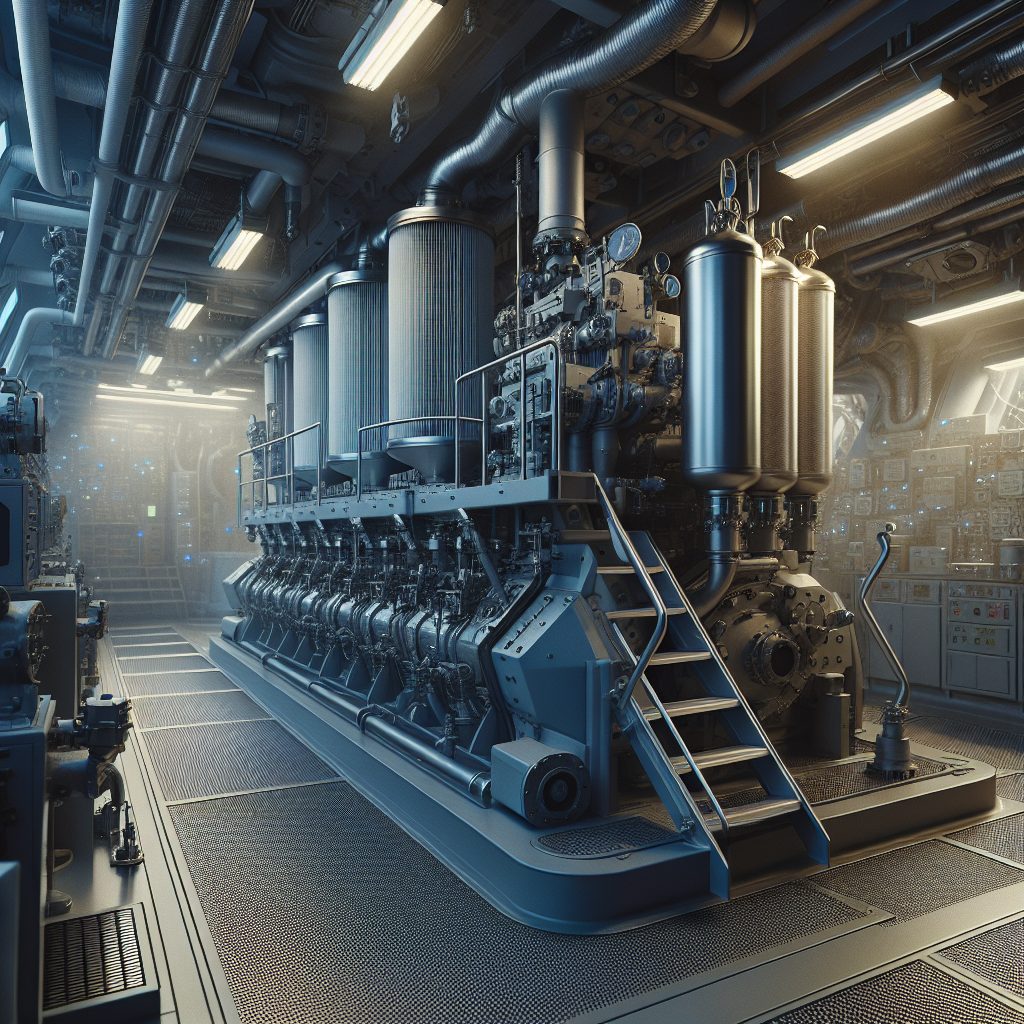
The Revolution in Filtration Technology in the Maritime Sector The maritime industry is at a turning point with the recent acquisition of Koch Filter Corporation by Atmus Filtration Technologies Inc. This transaction, valued at approximately 450 million dollars, marks a milestone in the search for more efficient and sustainable filtration solutions, vital for the advancement of the sector. Impact of the Acquisition on the Maritime Sector The agreement between Atmus and Koch Filter is not just a financial transaction; it represents a significant advancement in filtration technology applied to the maritime sector. Atmus, known for its advanced filtration solutions, now incorporates Koch Filter, expanding its knowledge base and technological capabilities. This opens the door to innovations that could reshape current practices in vessel maintenance and operation. For professionals in the merchant navy, this acquisition means access to more advanced filtration resources that not only improve operational efficiency but also align with increasingly stringent environmental standards. Reduction in emissions and optimization of fuel consumption are just some of the benefits that this synergy promises, adding tangible value to the daily work of those in the sector. Maritime investors will also benefit from this merger. The combination of these two powerhouses heralds a positive return on investment, as there is expected to be an increased demand for more effective filtration solutions. This scenario promotes a more competitive market and, ultimately, a more profitable one. Technological Innovations in Filtration The integration of Koch Filter brings a variety of products and technologies that are now accessible to Atmus. The combination of these capabilities promises to drive the development of new filters with a longer lifespan and superior performance, critical for the maintenance of large vessels where downtime can be costly. An innovative aspect lies in the implementation of advanced filtering media that allow for greater particle retention and improved airflow. When applied in vessel filtration systems, this technology could result in a significant reduction in operating costs and longer maintenance intervals. The development of more adaptable and personalized filtration systems is emerging as a key trend to address the specific needs of each type of vessel. This flexibility not only improves performance but also facilitates compliance with international emissions regulations. Projections and Job Opportunities The growth promised by this acquisition in the maritime filtration sector opens up new job opportunities, especially in research and development. Engineers, specialized technicians, and innovation personnel will have a broad field to explore and contribute to the improvement of these technologies. Companies dedicated to fleet maintenance and operation could also find a direct benefit. With increased efficiency and cost reduction, there is expected to be a growing demand for skilled personnel to manage and implement these new solutions, representing a significant opportunity for professionals in the sector. For those looking to advance their careers in the maritime industry, now is the time to consider these opportunities. Companies like Atmus and Koch Filter could be attractive destinations to submit resumes, given the growth potential that this merger heralds. Conclusions: A Promising Future for Maritime Filtration The acquisition of Koch Filter by Atmus Filtration Technologies Inc. is not just a change of ownership; it is an open door to a more efficient and innovative future for the maritime sector. The implications of this merger extend from technological improvement to the creation of new employment opportunities, highlighting its relevance for professionals and investors. The practical value of this acquisition is not limited to immediate operational improvement but also lays the foundation for easier regulatory compliance and a more sustainable maritime sector. For these reasons, those involved in this industry should not lose sight of the innovations that will arise from this strategic union. In summary, the acquisition of Koch Filter by Atmus represents a step forward in the evolution of filtration technology in the maritime sector. It is a reminder of the constant movement and progress of the industry, inviting all stakeholders to actively participate in this exciting chapter of maritime history.
Technological Innovations in the Maritime Sector: Key Insights from TechnipFMC’s Results Report

Technological Innovations in the Maritime Sector: Key Insights from TechnipFMC’s Results Report The Impact of New Technologies on the Maritime Industry The maritime sector, a fundamental pillar of the global economy, has undergone significant transformations in recent years due to technological innovations. In this context, the financial results of TechnipFMC’s fourth quarter of 2025, to be presented on February 19, 2026, promise to reflect these trends. Analysts and industry professionals are eagerly anticipating this announcement as it provides a detailed insight into how new technologies are reshaping the industry. TechnipFMC, a renowned company in the field of energy engineering and technology, has been a key player in implementing advanced technological solutions. These solutions not only optimize operations at sea but also improve energy efficiency and reduce environmental impact, an increasingly crucial aspect for the maritime sector. The presentation of their financial results is not just an economic event but an opportunity to explore how these advancements affect the future of navigation. For merchant navy professionals and maritime investors, staying informed about these innovations is essential not only to remain competitive but also to open up new business opportunities. From the development of more efficient vessels to the creation of optimized maritime routes, technology offers practical solutions that can transform the way the sector operates. TechnipFMC: A Leader in Innovation and Sustainability Another highlight of technological innovations in the maritime sector is the positive impact on the job market. New technologies require skilled and specialized professionals, leading to a growing demand for talent in areas such as maritime engineering and data management. TechnipFMC, in turn, offers numerous opportunities for those interested in advancing their careers in a company that not only values innovation but also encourages professional growth. The role of TechnipFMC in the industry goes beyond providing engineering services; its focus on sustainability and technological innovation has positioned it as a leading example to follow. The company has significantly invested in research and development in recent years, seeking ways to integrate sustainable technologies into its daily operations. This includes the use of artificial intelligence and data analysis to optimize maritime routes, which not only reduces costs but also minimizes the carbon footprint. Sustainability is a priority for TechnipFMC, reflected in its efforts to incorporate clean technologies in production and maritime transport. The company is actively working on developing hybrid propulsion systems and the use of alternative fuels, such as hydrogen, to reduce dependence on fossil fuels. These innovations not only improve operational efficiency but also represent a significant step towards a greener future for the maritime industry. The financial results of the fourth quarter of 2025 will provide a platform to assess the success of these initiatives and their impact on the global market. Investors and industry professionals will be watching how these figures reflect the sustainability and efficiency of TechnipFMC’s operations, as these dimensions are increasingly important in evaluating the long-term viability of any company within the sector. Labour Opportunities and Professional Development in the Sector The relevance of the financial results of the fourth quarter of 2025 from TechnipFMC, which will be disclosed in the upcoming conference, is particularly important for investors and industry professionals. Firstly, they provide a clear insight into the financial health of the company, crucial for making informed investment decisions. These results will allow investors to evaluate past performance and project the company’s future growth. Moreover, the results offer information on TechnipFMC’s strategies to address global challenges such as climate change and energy transition. For investors committed to sustainability, this information is essential as it indicates how the company is positioning itself to meet increasingly stringent environmental and regulatory demands. Ultimately, the financial results are an indicator of TechnipFMC’s innovation potential. A company demonstrating solid growth and continuous investment in technology is an attractive destination for professionals seeking stability and the opportunity to participate in cutting-edge projects. Thus, the presentation of these results becomes an event of interest not only for investors but also for all those involved in the maritime ecosystem. Final Reflections and Future Considerations In summary, the presentation of TechnipFMC’s financial results for the fourth quarter of 2025 is an event that goes beyond economic figures. It reflects a crucial moment in the technological and sustainable evolution of the maritime sector, offering valuable insight into the future of global navigation. This event highlights the importance of new technologies and their integration into maritime activities, essential for any professional or investor looking to be at the forefront of the sector. As the world seeks innovative solutions to address environmental challenges and optimize operations, companies like TechnipFMC play a vital role in shaping the future of the maritime industry. By investing in sustainable technologies and fostering a culture of innovation, they pave the way for a more efficient, greener, and competitive maritime sector. Remember to stay updated on the latest developments in maritime technology and industry trends by visiting WishToSail.com regularly. Explore the opportunities for professional growth and industry insights that can help you navigate the ever-evolving maritime landscape with confidence and knowledge. Happy sailing! This article was originally published on WishToSail.com.
Financial Perspectives and Opportunities in the Maritime Sector: C.H. Robinson Presents its Results

Financial Perspectives and Opportunities in the Maritime Sector: C.H. Robinson Presents its Results The maritime industry is constantly evolving, not only in terms of technology and route development, but also in its management and financial efficiency. Recently, the company C.H. Robinson, a leader in logistics and transportation, has announced the publication of its financial results for the last quarter of 2025 on January 28, 2026. This event, which will capture the attention of professionals and investors in the sector, is crucial for understanding the economic trends that may influence the future of navigation and merchant marine. The Importance of C.H. Robinson in the Maritime Logistics Sector C.H. Robinson is a prominent name in the global transportation and logistics industry. With a strong presence in various maritime markets, this company is dedicated not only to fleet and route management, but also to optimizing the supply chain through innovative solutions. From implementing cutting-edge technology to restructuring routes to improve energy efficiency, its impact on the industry cannot be underestimated. C.H. Robinson’s financial report will provide key indicators about the health and trends of the maritime sector. Efficient logistics strategies lead to more predictable and safer navigation, benefiting sailors and nautical enthusiasts. Technological Innovations and Their Impact on Maritime Logistics Technology plays a crucial role in the evolution of the maritime sector. C.H. Robinson has been proactive in integrating advanced cargo and transportation management systems. By using artificial intelligence and machine learning, the company adjusts its operations to improve efficiency, minimize costs, and reduce its carbon footprint. Technological advancements are reshaping the future of navigation, making operations more sustainable and efficient. Staying updated on the latest technological tools is essential for maritime professionals to stay competitive in the job market. Employment Opportunities and the Future of the Sector With the upcoming financial report, C.H. Robinson is expected to highlight potential areas of growth within its operations. This could mean new maritime routes or the addition of more ships to its fleet, opening up significant job opportunities for sector professionals. New developments in the sector create opportunities for career advancement and professional growth for sailors and maritime professionals. Investors can benefit from informed investments in companies adopting sustainable and efficient technologies. Conclusions and Future Perspectives With expectations set on C.H. Robinson’s financial report, maritime sector professionals have the opportunity to gain valuable insights into current and future trends. These reports not only reflect the economic health of a leading company in the sector but also the direction the industry may take in the coming years. Knowledge is power in both professional and personal spheres, and staying informed can lead to strategic advantages. Exploring further about this event and the potential opportunities it may bring is highly recommended for all interested parties.