


The Evolution of Unmanned Surface Vehicles (USVs) in the Defence and Security Sector: A Technological Paradigm Shift
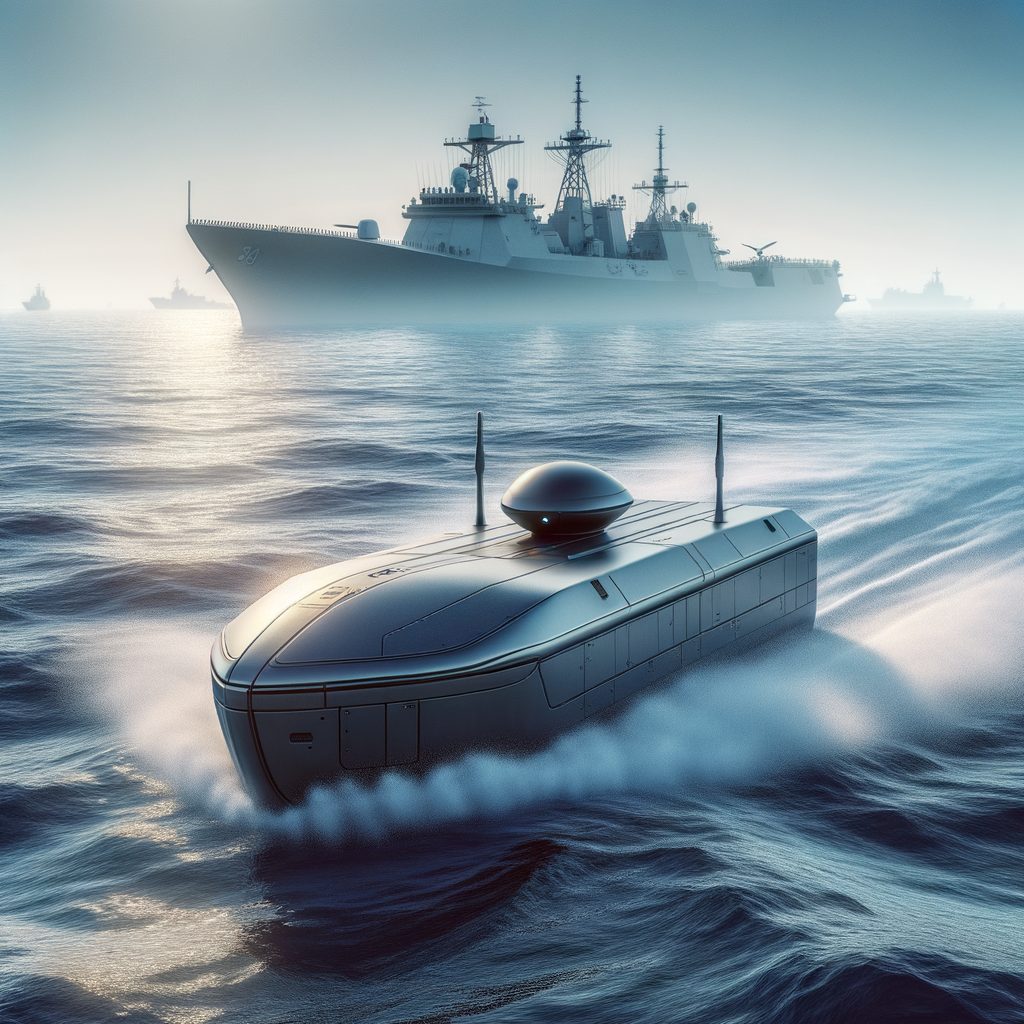
The Evolution of Unmanned Surface Vehicles (USVs) in the Defence and Security Sector: A Technological Paradigm Shift In recent years, the maritime sector has undergone a remarkable transformation with the introduction of advanced technologies seeking to redefine the way naval operations are conducted. One of the most notable developments in this field has been the emergence of Unmanned Surface Vehicles (USVs), which are gaining attention as critical tools for defence and security in the naval domain. This innovation comes at a time when naval forces worldwide are looking to modernize their fleets with more versatile and efficient capabilities. The interest in USVs has grown significantly due to their potential to carry out a variety of missions, from surveillance and reconnaissance to anti-submarine warfare and mine detection. USVs are becoming increasingly important in modern naval architectures. They are seen as essential components for a variety of missions. Advancements in technology have enabled USVs to operate autonomously and collaboratively. The Transition to System of Systems in Naval Architecture The report “Unmanned Surface Vehicles (USV) for Defence and Security – Market and Technology Forecast to 2033” highlights how USVs are evolving from experimental prototypes to integrated multi-mission assets within broader naval architectures. This shift represents a significant change in how navies conceive and deploy these platforms. Traditionally, unmanned vehicles were used for specific tasks; however, the new trend is to use them as collaborative nodes within an integrated system. This transition involves a focus on system of systems, where USVs act as interconnected elements that coordinate and share real-time information with other platforms, such as aerial drones, satellites, and manned ships. This approach not only increases operational efficiency but also enhances responsiveness to dynamic and diverse threats. The technology behind these systems includes advances in artificial intelligence, data processing, and secure communications, enabling USVs to operate autonomously and collaboratively in complex and challenging environments. Impact on the Merchant Navy and Nautical Sector The integration of USVs into naval operations not only affects military forces but also has significant implications for the merchant navy and the nautical sector in general. USVs have the potential to revolutionize the way port operations, maritime security, and real-time surveillance are managed. By being able to operate autonomously and for extended periods, these vehicles can patrol vast areas without the need for direct human intervention. For professionals in the nautical sector, this signifies a shift in how daily operations are designed and carried out. USVs can enhance efficiency in transporting goods and increase safety on strategic maritime routes. Integration of USVs in commercial fleets may reduce operational costs. Challenges in training and adapting to new technologies will require a renewed focus on skill development for merchant mariners. Challenges and Future of the Sector in the Coming Years The implementation of USVs in the naval domain holds much promise but also faces significant challenges. Interoperability between different platforms, cybersecurity of autonomous systems, and international regulation are areas that require ongoing attention. As technologies advance, it is crucial for naval forces and the maritime sector to collaborate in establishing standards and protocols to ensure the safe and efficient operation of these systems. In the years ahead, we can expect continued growth in the adoption of USVs, driven by the need to modernize fleets and enhance operational capabilities. Future trends are likely to include the development of more autonomous vehicles capable of making complex decisions independently, as well as expanding their use in civilian areas, such as oceanographic research and environmental management. Collaboration among different sector stakeholders will be essential to promote innovation and effectively address emerging challenges. Key Concepts To better understand the impact of USVs, it is important to familiarize oneself with certain technical terms relevant in this context. “System of systems” refers to an architecture in which multiple autonomous systems operate in an integrated and collaborative manner. “Interoperability” is the ability of different systems and platforms to work together and share information effectively. “Cybersecurity” involves protecting autonomous systems from digital threats that could compromise their operation. These concepts are fundamental to grasp the present and future of USVs in the maritime sector.
The Technological Revolution in Maritime Management: Agilysys Leads the Way

The Technological Revolution in Maritime Management: Agilysys Leads the Way The hospitality industry has undergone a significant technological transformation in the last decade. With digitalization driving change, companies like Agilysys, Inc. have emerged as leaders in the development of software solutions that go beyond traditional property management systems (PMS), point of sale (POS) systems, and food and beverage inventory and procurement systems. These innovations have not only redefined the hospitality sector but have also begun to influence other industries, including the maritime sector. Technological modernization in the maritime sector is imperative to stay competitive in an interconnected world. The need for operational efficiency, resource optimization, and data management improvements makes advanced software solutions indispensable. Agilysys, Inc.’s recent announcement regarding the launch of their financial results and the ongoing evolution of their products underscores the importance of adopting cutting-edge technologies to venture into new areas of opportunity. Agilysys Technological Innovations Agilysys is known for offering hospitality software solutions that integrate multiple functions and streamline complex processes. Their focus is on providing tools that enable organizations to overcome the limitations of traditional systems. Agilysys’ advanced platforms combine property management capabilities, point of sale transactions, and food and beverage inventory control, all within a unified ecosystem. The technical architecture of these solutions is based on the use of artificial intelligence and data analysis to provide users with a deeper understanding of their operations. This results in better decision-making, operational cost reduction, and increased customer satisfaction. Property Management System (PMS): Systems used to manage the daily operations of properties, including reservations, billing, and customer service. Point-of-Sale (POS): System that allows for commercial transactions, ideally integrating different payment methods and inventory management. Food & Beverage Inventory and Procurement (F&B I&P): Solutions to optimize inventory management and food and beverage procurement, reducing costs and avoiding waste. Artificial Intelligence: Technology that enables computer systems to perform tasks that require human intelligence, including learning, analysis, and decision-making. For the maritime sector, the implementation of this type of technology can mean increased fleet management efficiency, better onboard inventory control, and route optimization. Impact on Merchant Shipping and the Nautical Sector The incorporation of advanced technological solutions by companies like Agilysys has the potential to transform the daily work of professionals in merchant shipping. Integrated management systems can streamline processes such as trip planning, crew management, and port operations. Furthermore, the ability to access real-time data and conduct predictive analysis can enhance the safety and efficiency of maritime operations. For professionals in the nautical sector, the adoption of advanced technologies offers new opportunities to improve resource management and increase competitiveness in a globalized market. This includes enhancing the customer experience aboard cruises or recreational vessels by offering more personalized and efficient services through better data management. Challenges and the Future of the Sector Despite the evident benefits, the adoption of new technologies in the nautical sector poses significant challenges. The initial investment in technological infrastructure and staff training are barriers that many organizations will need to overcome. Additionally, cybersecurity becomes a crucial aspect when integrating advanced systems, as protecting sensitive data is paramount. In the future, digitalization is expected to continue driving changes in merchant shipping. Trends towards automation and the use of artificial intelligence are likely to redefine maritime operations, making navigation safer and more efficient. Companies that can quickly adapt to these changes will have a significant competitive advantage. The innovations introduced by Agilysys represent a significant step towards modernizing the nautical sector, offering tools that can enhance operational efficiency and customer satisfaction. As the sector evolves, the ability to adapt to these technologies will be crucial for future success.
The Automation of Nautical Charts: Esri and SHOM Transform Maritime Cartography

The Automation of Nautical Charts: Esri and SHOM Transform Maritime Cartography In the realm of maritime navigation, precision and safety are critical components that determine the efficiency of global maritime transport. For centuries, nautical charts have been essential tools for seafarers, providing vital information about coastal geography, sea depths, and potential hazards at sea. The production of these charts has evolved significantly from hand-drawn maps to today’s complex digital representations. Technological advancements have revolutionized many aspects of the nautical sector, and cartography is no exception. The new digital tools have allowed for greater precision, speed, and update capabilities in creating nautical charts. In this context, the recent adoption of the Custom Chart Builder (CCB) by SHOM, the French hydrographic and oceanographic office, represents a significant milestone in the automation of paper nautical chart production. Detailed Analysis: Esri’s Custom Chart Builder (CCB) The Custom Chart Builder (CCB), developed by Esri, is a software tool specifically designed to automate the generation of nautical charts. This technological innovation not only streamlines the production process but also ensures that the charts meet strict international standards of safety and precision. The CCB uses advanced algorithms to process geospatial data and convert it into detailed cartographic representations that are essential for safe navigation. This system allows SHOM to generate nautical charts more efficiently, reducing the time required for production and minimizing the risk of human errors. Facilitates the automation of nautical chart production Ensures compliance with international safety and precision standards Reduces the risk of errors in chart creation Through extensive testing and adjustments, SHOM has confirmed that the charts generated by the CCB meet the standards of the International Hydrographic Organization (IHO) and are suitable for use by the French Navy. This validation is crucial as it ensures that the charts provide the necessary information for the safe passage of vessels in French waters and beyond. Impact on the Merchant Navy and the Nautical Sector The adoption of automation technologies like the CCB has a significant impact on the daily work of maritime professionals. For the Merchant Navy and other stakeholders in the nautical sector, the availability of accurate and up-to-date nautical charts is essential for planning safe and efficient routes. With the CCB, charts can be updated more frequently, reflecting changes in maritime conditions and coastal infrastructure almost in real-time. Captains and navigators can rely on more precise data to make critical decisions, reducing the risk of incidents at sea. Additionally, the automation of the production process frees up resources that can be reallocated to other areas, improving the overall operational efficiency of the maritime sector. Improves route planning for the Merchant Navy Enhances decision-making with more accurate data Increases operational efficiency in the maritime sector Challenges and Future of the Sector in the Coming Years Despite significant advancements, the maritime industry faces several challenges in the coming years. The growing demand for international trade, the increase in maritime traffic, and climate change present ongoing challenges that require innovative technologies and strategies. The ability to adapt to these changes will be enhanced by tools like the CCB, which allow for a quicker and more accurate response to changing conditions. In the future, we are likely to see even greater integration of automation technologies and geographic information systems (GIS) in navigation and maritime cartography. Interoperability between different systems and the ability to integrate real-time data will be crucial to maintaining high standards of safety and efficiency in the sector. Integration of automation technologies in navigation and cartography Importance of interoperability and real-time data integration Addressing challenges in maritime industry through innovation Key Concepts To fully understand the impact of this innovation, it is helpful to define some key technical terms. The term “Hazmat” refers to hazardous materials that require careful management during maritime transport. “STCW” stands for the International Convention on Standards of Training, Certification, and Watchkeeping for Seafarers, which establishes competency and training requirements for mariners. “LMS” refers to Learning Management Systems, used for training and competency development in the maritime sector. These concepts underscore the complexity and technicality of the nautical sector, where automation and technological innovation play an increasingly crucial role in ensuring safe and efficient operations in international waters.
The Technological Advancement of AeroVironment’s “Wraith” and its Impact on Submarine Operations
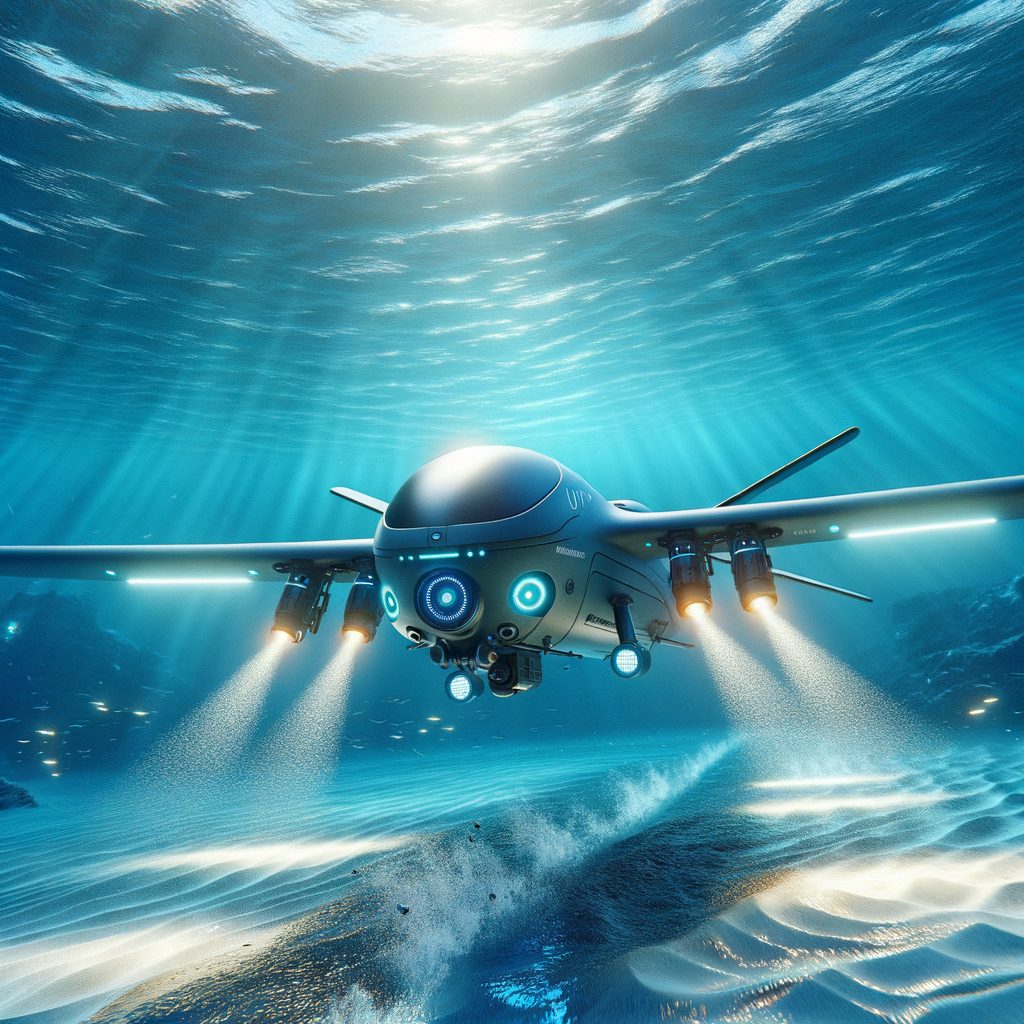
The Technological Advancement of AeroVironment’s “Wraith” and its Impact on Submarine Operations The technological advancement in the maritime sector has experienced an unprecedented acceleration in recent years, continuously setting the pace for innovation in different areas, from recreational boating to exploration and professional work. Among these advancements, Unmanned Underwater Vehicles (UUVs) have revolutionized the way we approach underwater missions, offering safe and efficient solutions in contexts ranging from oceanic research to military defense. In this context, the autonomous systems industry has seen essential players emerge, leading the research and development of cutting-edge technologies. AeroVironment Inc., known for its commitment to designing autonomous systems for all domains, has worked tirelessly to improve the capabilities of its underwater platforms. Recently, its subsidiary VideoRay has taken a significant step forward with the launch of the “Mission Specialist Wraith.” This new vehicle promises to redefine operational standards in complex and demanding underwater environments. Detailed Analysis: Mission Specialist Wraith The Mission Specialist Wraith represents a milestone in the design of UUVs, focused on providing a superior level of agility, power, and control. Designed for demanding underwater operations, the Wraith is presented as a compact and expedition-ready platform capable of facing extreme challenges thanks to its advanced engineering. The Wraith is equipped to offer unparalleled maneuverability, crucial in underwater environments where space is limited and conditions can change rapidly. Its compact design allows for quick and efficient deployment, ideal for missions requiring an agile response. Furthermore, the Wraith’s power enables it to operate for extended periods, delivering critical data through its advanced sensor array and real-time communication capabilities, essential for detailed exploration and information gathering in aquatic environments. Impact on the Merchant Navy and the Maritime Sector The introduction of the Mission Specialist Wraith has significant implications for the merchant navy and the maritime sector in general. Firstly, this UUV can change the way underwater inspections are conducted, reducing the need for diver deployments and minimizing associated risks. This not only increases safety but also reduces operational costs and vessel downtime during maintenance. In terms of maritime security, the Wraith offers enhanced capabilities for surveillance and protection of critical infrastructures, such as oil platforms and ports, where early threat detection can prevent serious incidents. For marine research, its ability to operate in extreme conditions will allow scientists and explorers to obtain valuable data from regions previously unexplored or dangerous for humans. Challenges and Future of the Sector for 2026 The future of the maritime sector and UUVs presents significant challenges and opportunities. Looking ahead to 2026, underwater technology is expected to continue advancing, with greater integration of artificial intelligence and machine learning to enhance the autonomous capabilities of vehicles. However, these advancements will need to address challenges such as the regulation of these technologies and the need for international standards to ensure their ethical and safe use. Sustainability will also play a crucial role, as the industry seeks to develop technologies that minimize environmental impact. This responsible innovation approach will be essential to align sector growth with global conservation goals and marine ecosystem protection. Key Concepts For a deeper understanding of this advancement, it is essential to familiarize oneself with some key concepts: UUV (Unmanned Underwater Vehicle): Refers to unmanned underwater vehicles used for various applications, from scientific research to defense. Maneuverability: The ability of these vehicles to move accurately and efficiently in different environments, a critical feature in complex underwater operations. Artificial Intelligence (AI) and Machine Learning: Technologies that allow UUVs to operate more autonomously, adapting and responding to changing conditions without direct human intervention, opening new frontiers in science and the naval industry.
Revolutionizing Maritime Training: BDG Upgrades Hazmat University Courses for 2026
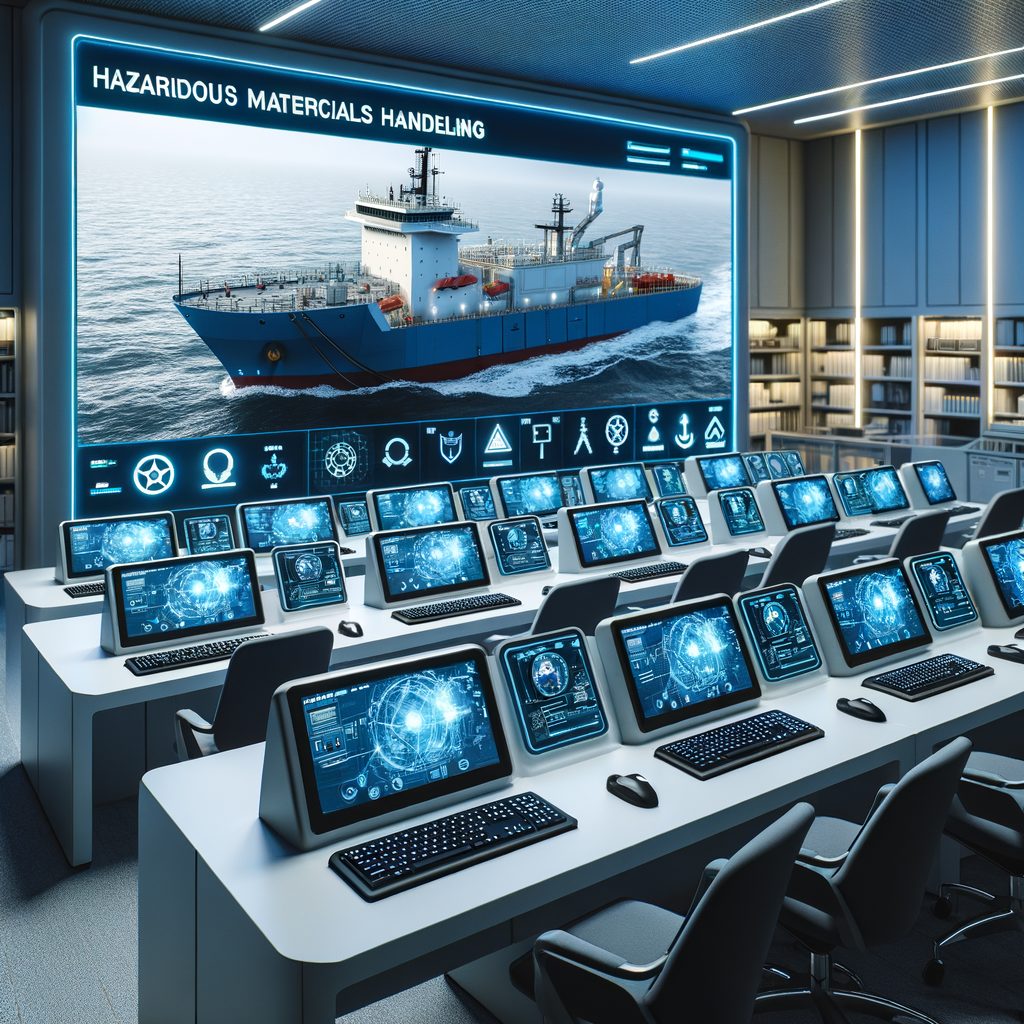
Revolutionizing Maritime Training: BDG Upgrades Hazmat University Courses for 2026 In an effort to enhance training in handling hazardous materials, BDG has announced a significant update to its Hazmat University courses for the year 2026. This initiative introduces online self-paced learning modes, instant certifications, and new licensing options for its Learning Management System (LMS), marking a milestone in continuous education within the maritime sector. The course updates are in response to the growing demand for flexible and accessible training, especially in such a critical area as hazardous materials management. The revised courses will allow maritime professionals to learn at their own pace, adapting to their schedules and specific needs. This is particularly relevant for those working in the maritime industry, where schedules can be unpredictable and compliance requirements with safety regulations are increasing. Flexible self-paced learning Instant certifications for competitive advantage Enhanced mobility within the industry Furthermore, the introduction of instant certifications gives participants a competitive edge, enabling them to demonstrate their competence immediately upon course completion. This approach not only streamlines the certification process but also enhances job mobility within the sector by facilitating real-time credential verification. In conclusion, BDG’s update of Hazmat University courses represents a significant advancement in the continuous training of the maritime sector. By providing a more flexible and accessible learning system, adherence to safety regulations is promoted, ultimately contributing to a safer and more efficient maritime environment. This evolution not only underscores the importance of training in hazardous materials management but also highlights the industry’s ability to adapt to the changing needs of the global market.
The Financial Growth Impact of Hunting PLC on the Maritime Industry

The Financial Growth Impact of Hunting PLC on the Maritime Industry Introduction to the Financial Scenario of Hunting PLC In a world where precision and technological innovation are key to success, Hunting PLC stands out as a reference in the global maritime sector. The company has recently released its financial results for the year 2025, showing a growth that could have significant implications for the nautical industry as a whole. The Group has reported an EBITDA close to $135 million, representing a 7% increase compared to the previous year. This growth not only reflects the company’s operational efficiency but also its ability to adapt to a constantly changing market environment. The relevance of these results lies in the potential impact on merchant marine professionals and maritime investors. An EBITDA margin of 13%, compared to 12% the previous year, indicates an improvement in profitability that could translate into new business and employment opportunities within the sector. This article explores how Hunting PLC’s financial figures are not only an indicator of corporate success but also a growth driver for the maritime industry. The aim of this analysis is to offer a detailed perspective on the practical implications of these results for sailors and nautical enthusiasts. The Evolution of a company like Hunting PLC can inspire significant transformations in operational and technological practices, critical to maintaining competitiveness in the sector. Impact of Technological Innovations in the Maritime Sector The growth of Hunting PLC is not only reflected in its financial results but also in its commitment to technological innovation. In a sector where efficiency and precision are fundamental, a company’s ability to integrate new technologies can make a difference. Hunting PLC has been at the forefront of implementing precision engineering solutions, which not only optimize its operations but also set a standard for the industry. The technological innovations introduced by Hunting PLC can have multiple practical applications in the maritime sector, from improving maintenance processes to optimizing naval routes. These improvements not only reduce costs but also increase safety and operational efficiency, crucial aspects in a context where margins of error can have significant consequences. For merchant marine professionals, the opportunity to work with cutting-edge technologies represents a competitive advantage in their careers. Furthermore, for maritime investors, the adoption of advanced technologies by companies like Hunting PLC can be indicative of promising investment areas, where innovation leads to sustained financial performance. Job and Investment Opportunities in the Nautical Sector The solid financial performance of Hunting PLC is not only a reflection of its internal success but also a sign of new opportunities in the maritime sector. With a sales order book close to $350 million, the demand for the company’s services and products is booming, which could translate into new hires and operational expansion. For professionals in the sector, this means an open window to explore new positions and roles within the industry. Emerging maritime routes and fleet expansion may require trained personnel, presenting an opportunity for those looking to develop their careers in a dynamic and technological environment. Interested individuals are encouraged to submit their resumes to leading companies like Hunting PLC, which are constantly seeking talent to drive their growth. For investors, the growth demonstrated by Hunting PLC suggests that the maritime sector remains a fertile field for investments. The combination of technological innovation and solid financial practices makes this sector attractive to those looking to diversify their portfolios with assets that offer stability and growth potential. A Promising Future for the Nautical Industry In conclusion, Hunting PLC’s financial results for 2025 not only reflect the success of a company but also represent an indicator of growth potential in the maritime sector. The improvements in EBITDA and operating margin are testament to efficient management and a clear strategic direction that prioritizes innovation and market adaptation. The relevance of these results for merchant marine professionals, maritime investors, and nautical enthusiasts is clear: companies that adapt and evolve with the market are the ones that not only survive but thrive. This growth offers multiple job and investment opportunities, and sets a standard of excellence that other companies in the industry should aspire to achieve. Readers are invited to explore more about technological innovations and investment opportunities in the nautical sector, drawing inspiration from the example of Hunting PLC to contribute to the continuous development of this fascinating industry.
The Growing Financial Success of Hunting PLC in the Maritime Sector

The Growing Financial Success of Hunting PLC in the Maritime Sector Hunting PLC, the global precision engineering group, has announced its preliminary financial results for the year 2025, demonstrating solid growth in a challenging economic environment. With an EBITDA of approximately 135 million dollars, the company has managed to increase its EBITDA margin to 13%, compared to 12% the previous year. This not only reflects efficient management but also an expanding market that offers new opportunities in the maritime sector. The 7% increase in EBITDA, even without being audited, highlights Hunting PLC’s ability to adapt and thrive in a competitive sector. This economic growth is crucial for merchant navy professionals and maritime investors as it means the company has more resources to invest in technological innovations and new maritime routes. With a sales order book reaching 350 million dollars by the end of the year, Hunting PLC is clearly on a path of robust growth. This data is relevant for sailors and nautical enthusiasts who are attentive to technological developments, as it reflects a continuous demand for high-precision products and services, which could translate into job and business opportunities. Technological Innovation and Development in the Nautical Field The ability to generate a strong EBITDA margin indicates that Hunting PLC is in a favorable position to invest in research and development. This is especially significant in the nautical sector, where innovation is key to maintaining competitiveness. The development of advanced technologies in precision engineering could revolutionize current maritime practices, offering more effective and safer solutions. For merchant navy professionals, these innovations can mean the implementation of new tools and techniques that optimize daily operations, improve safety, and reduce operational costs. Implementation of new tools and techniques for daily operations optimization Improvement in safety measures Reduction of operational costs Additionally, these technologies can foster the development of more efficient maritime routes, which is of interest to both sailors and investors in maritime infrastructure. Furthermore, investments in technology could result in the creation of new ships incorporating advanced navigation and safety systems. This opens up a wide range of possibilities not only for boat manufacturers but also for nautical training and certification companies, expanding the job market for captains, engineers, and other industry professionals. Employment Opportunities and Future Outlook The robust financial performance of Hunting PLC can be a catalyst for creating new jobs in the maritime sector. Those with experience in engineering, maritime technology, or fleet management could find valuable job opportunities as the company expands its operations and projects. Likewise, maritime investors have the opportunity to benefit from Hunting PLC’s growth by identifying key areas for expansion and development. Experience in engineering, maritime technology, or fleet management Identifying key areas for expansion and development With a focus on sustainability and efficiency, future projects could include the creation of green maritime infrastructure or the improvement of maritime supply chains, which is a significant added value in an increasingly environmentally conscious market. For nautical enthusiasts, Hunting PLC’s expansion promises an enhanced experience on the water, whether through the introduction of new technologies in recreational boats or the establishment of safer and more exciting routes. Additional training and certification may be necessary to take advantage of these new tools, suggesting a boom in nautical education. Relevance for the WishToSail.com Audience First and foremost, the economic growth of Hunting PLC has a direct impact on job creation, which is crucial for both merchant navy professionals and new graduates in nautical careers. New hires can mean an injection of young talent and a renewal of sector know-how. Secondly, investment in technological innovation can result in the development of more advanced and secure nautical products, directly benefiting sailors and the recreational boat industry. This could improve the sailing experience and reduce long-term maintenance costs. Finally, for maritime investors, Hunting PLC’s financial success suggests a growing market with high potential for return on investment. Financing projects in the precision engineering field can become a strategic investment in a sector that is constantly seeking to improve its practices and advance in sustainability. Conclusion: A Promising Future for the Maritime Sector The promising performance of Hunting PLC in 2025 marks a significant milestone for the maritime sector, offering a range of possibilities for professionals and enthusiasts in the nautical world. This financial growth is a clear indicator of new opportunities in both technological innovation and professional development. With a renewed focus on technology and sustainability, Hunting PLC is laying the groundwork for a more efficient and safe future in the maritime field. This not only benefits the company but also has a positive impact on the maritime community as a whole, improving the quality of practices and generating new opportunities for all involved. Therefore, it invites those interested to explore the possibilities that this growth offers, from sending resumes to companies in the sector to investing in innovations that will transform the future of maritime transport. Keeping up with these developments is not only advisable but essential for any professional or enthusiast looking to thrive in the dynamic world of nautical ventures.