The Evolution of Unmanned Surface Vehicles (USVs) in the Defence and Security Sector: A Technological Paradigm Shift
In recent years, the maritime sector has undergone a remarkable transformation with the introduction of advanced technologies seeking to redefine the way naval operations are conducted. One of the most notable developments in this field has been the emergence of Unmanned Surface Vehicles (USVs), which are gaining attention as critical tools for defence and security in the naval domain. This innovation comes at a time when naval forces worldwide are looking to modernize their fleets with more versatile and efficient capabilities. The interest in USVs has grown significantly due to their potential to carry out a variety of missions, from surveillance and reconnaissance to anti-submarine warfare and mine detection.
- USVs are becoming increasingly important in modern naval architectures.
- They are seen as essential components for a variety of missions.
- Advancements in technology have enabled USVs to operate autonomously and collaboratively.
The Transition to System of Systems in Naval Architecture
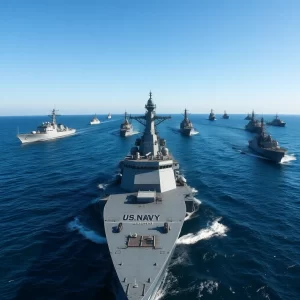
The report “Unmanned Surface Vehicles (USV) for Defence and Security – Market and Technology Forecast to 2033” highlights how USVs are evolving from experimental prototypes to integrated multi-mission assets within broader naval architectures. This shift represents a significant change in how navies conceive and deploy these platforms. Traditionally, unmanned vehicles were used for specific tasks; however, the new trend is to use them as collaborative nodes within an integrated system. This transition involves a focus on system of systems, where USVs act as interconnected elements that coordinate and share real-time information with other platforms, such as aerial drones, satellites, and manned ships. This approach not only increases operational efficiency but also enhances responsiveness to dynamic and diverse threats.
The technology behind these systems includes advances in artificial intelligence, data processing, and secure communications, enabling USVs to operate autonomously and collaboratively in complex and challenging environments.
Impact on the Merchant Navy and Nautical Sector
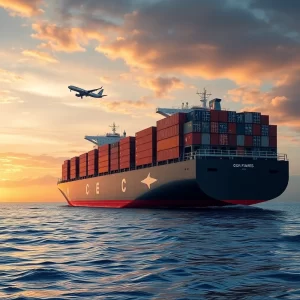
The integration of USVs into naval operations not only affects military forces but also has significant implications for the merchant navy and the nautical sector in general. USVs have the potential to revolutionize the way port operations, maritime security, and real-time surveillance are managed. By being able to operate autonomously and for extended periods, these vehicles can patrol vast areas without the need for direct human intervention. For professionals in the nautical sector, this signifies a shift in how daily operations are designed and carried out.
- USVs can enhance efficiency in transporting goods and increase safety on strategic maritime routes.
- Integration of USVs in commercial fleets may reduce operational costs.
- Challenges in training and adapting to new technologies will require a renewed focus on skill development for merchant mariners.
Challenges and Future of the Sector in the Coming Years
The implementation of USVs in the naval domain holds much promise but also faces significant challenges. Interoperability between different platforms, cybersecurity of autonomous systems, and international regulation are areas that require ongoing attention. As technologies advance, it is crucial for naval forces and the maritime sector to collaborate in establishing standards and protocols to ensure the safe and efficient operation of these systems.
In the years ahead, we can expect continued growth in the adoption of USVs, driven by the need to modernize fleets and enhance operational capabilities. Future trends are likely to include the development of more autonomous vehicles capable of making complex decisions independently, as well as expanding their use in civilian areas, such as oceanographic research and environmental management. Collaboration among different sector stakeholders will be essential to promote innovation and effectively address emerging challenges.
Key Concepts
To better understand the impact of USVs, it is important to familiarize oneself with certain technical terms relevant in this context. “System of systems” refers to an architecture in which multiple autonomous systems operate in an integrated and collaborative manner. “Interoperability” is the ability of different systems and platforms to work together and share information effectively. “Cybersecurity” involves protecting autonomous systems from digital threats that could compromise their operation. These concepts are fundamental to grasp the present and future of USVs in the maritime sector.