


Port Houston Unveils a Cutting-Edge Administrative Building in the Historic Fifth Ward: A Boost for the Nautical Community and Maritime Industry
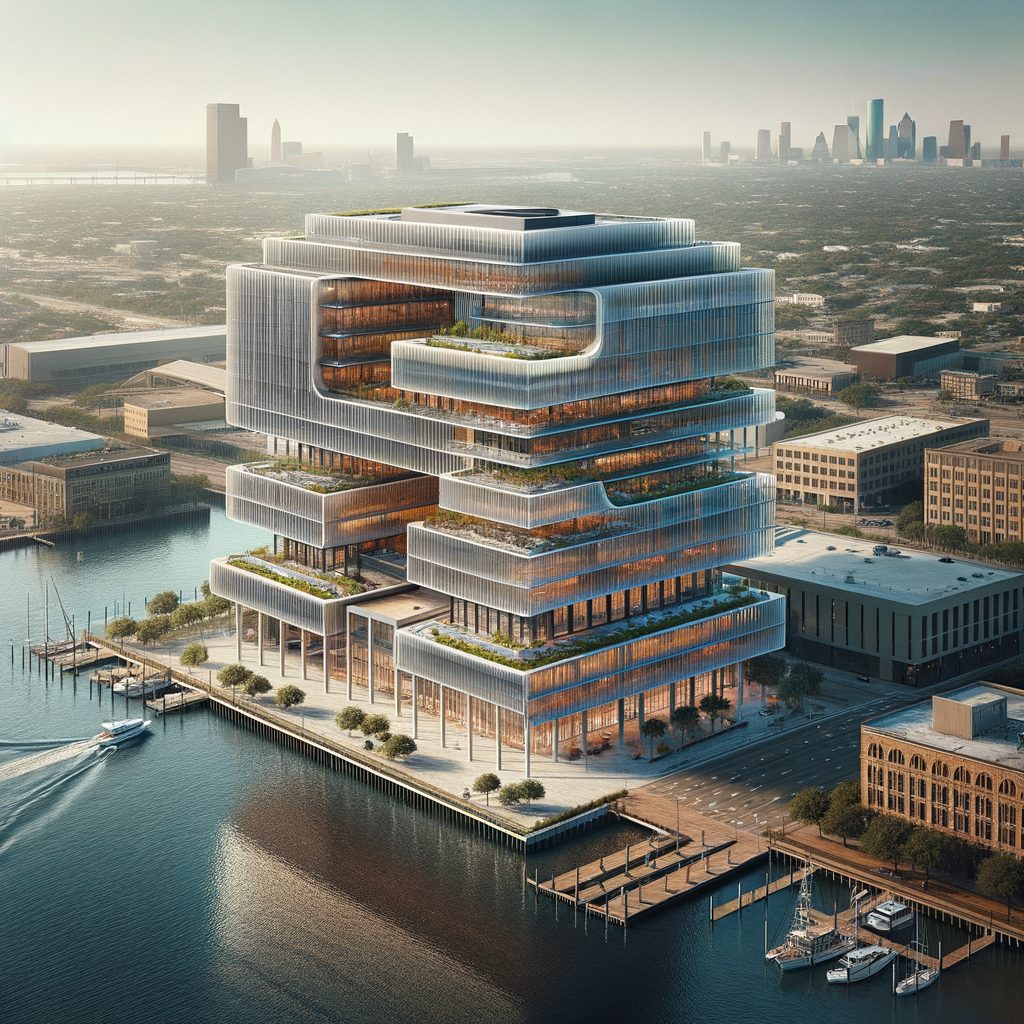
“`html Port Houston Unveils a Cutting-Edge Administrative Building in the Historic Fifth Ward: A Boost for the Nautical Community and Maritime Industry The maritime industry has historically been a cornerstone of economic and social development in coastal regions around the globe. Ports serve not only as gateways for international trade but also as engines for local innovation and growth. In this context, Port Houston has emerged as a key player in the Gulf of Mexico, with a history spanning decades of significant contributions to trade and logistics in the United States. With the growing demand for efficiency and sustainability in port operations, ports face constant pressure to modernise their infrastructure and services. Port Houston, aware of these challenges, has taken a bold step by relocating its administrative headquarters to Houston’s historic Fifth Ward. This move not only reinforces the port’s commitment to the local community but also marks a milestone in its strategy to adapt to future needs. Detailed Analysis: Port Houston’s New Administrative Building The new administrative building of Port Houston is a modern 93,000 square-foot facility strategically located along Buffalo Bayou in the East River development. This architectural project is not just a physical renovation but a symbol of the collaborative and innovative spirit that has propelled the region. The location in the Fifth Ward, an area rich in history and culture, reinforces the port’s commitment to the local community and its surroundings. This building incorporates sustainable design features and advanced technology to optimise energy efficiency and reduce environmental impact. The structure is equipped with smart energy management systems, low-consumption LED lighting, and automation technologies that allow precise control of internal environmental conditions. Additionally, the building offers spaces designed to foster collaboration among employees, port authorities, and the community, thus supporting the region’s economic and social growth. Impact on the Merchant Navy and Nautical Sector The inauguration of this new administrative centre has significant implications for professionals in the merchant navy and the nautical sector in general. Firstly, it provides a modern and efficient working environment that facilitates the management of complex port operations, from cargo logistics to maritime security. Additionally, being situated near the waterway, the new building allows for better coordination between land and water operations, enhancing operational efficiency. The focus on sustainability and innovation also translates into indirect benefits for the industry. By setting a standard for sustainable design, Port Houston encourages ecological practices that can be adopted by other ports and companies in the sector. This not only enhances the industry’s reputation but can also result in economic and regulatory incentives for those companies that implement similar practices. Challenges and Future of the Sector for the Coming Years As the maritime industry progresses towards a more digital and sustainable future, it faces several challenges. The automation and digitalisation of processes require a workforce skilled in new technologies and skills. Moreover, stricter environmental regulations demand significant investments in green infrastructure and sustainable practices. However, these trends also present opportunities. The adoption of advanced technologies such as blockchain for logistics management and the use of alternative fuels to reduce carbon emissions are areas that promise to transform the sector in the coming years. Port Houston, with its new headquarters, appears well-positioned to lead these changes, driving not only economic development but also innovation in sustainable maritime practices. Key Concepts To better understand the context and technical terms mentioned in this article, it is important to clarify some concepts: Hazmat: Refers to hazardous materials that can pose a risk to health, safety, or the environment. In the port context, their safe handling is crucial to prevent incidents. STCW: Acronym for “Standards of Training, Certification, and Watchkeeping for Seafarers”, which are international standards for the training and certification of mariners, ensuring a uniform level of competence worldwide. LMS: A Learning Management System used to administer, document, track, report, and deliver educational courses or training programs. With these developments, Port Houston not only reaffirms itself as a leader in the port industry but also sets a new standard for community collaboration and sustainable innovation in the maritime sector. The entry Port Houston Unveils a Cutting-Edge Administrative Building in the Historic Fifth Ward: A Boost for the Nautical Community and Maritime Industry was first published on WishToSail.com. “`
Fairbanks Morse Defense: Strategic Expansion to Strengthen Its Leadership in Global Naval Equipment
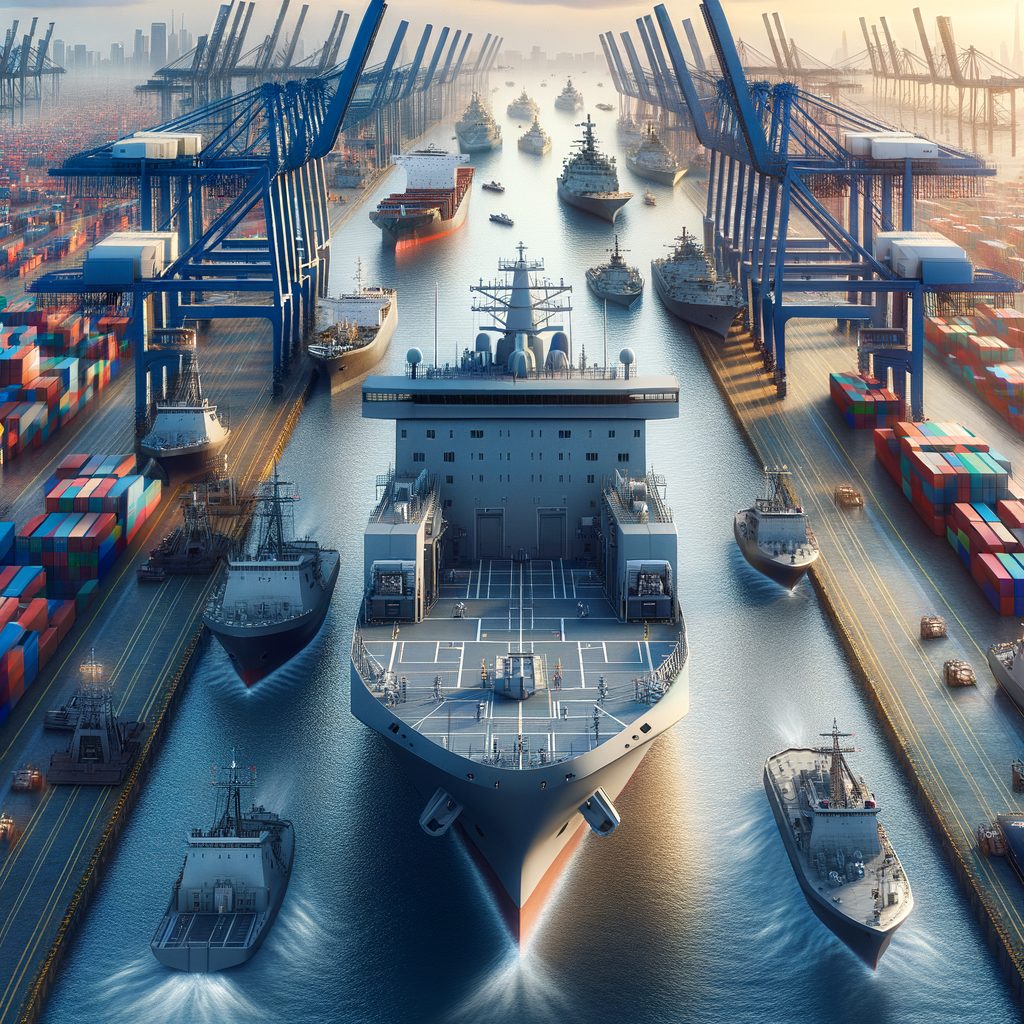
“`html Fairbanks Morse Defense: Strategic Expansion to Strengthen Its Leadership in Global Naval Equipment The maritime sector, crucial for global trade and national defence, is undergoing a significant transformation. As geopolitical challenges and technological demands increase, the need for robust and well-equipped naval fleets has become paramount. Companies such as Fairbanks Morse Defense (FMD) are at the forefront of this evolution, offering innovative solutions that not only meet current requirements but also anticipate the future needs of navies around the world. In this competitive context, the ability to provide mission-critical equipment with a high degree of reliability and technological adaptation has become a key differentiator. Navies and government fleets, particularly in the United States, are seeking suppliers who not only provide equipment but also offer comprehensive lifecycle services that ensure operational continuity and fleet readiness under any circumstances. Detailed Analysis: Strategic Expansion of Fairbanks Morse Defense Fairbanks Morse Defense has announced an expansion aligned with its mission to reinforce its position as a leading supplier of onboard equipment for naval and governmental fleets. This effort has been made possible through a disciplined integration of assets and growth of capabilities, enabling the company to offer a complete suite of critical systems and lifecycle services. These services are essential to ensuring the readiness, resilience, and operational superiority of the fleets of the United States Navy and allied nations. The expansion of FMD is not merely about increasing production capacity; it also encompasses the incorporation of advanced technologies and the optimisation of processes to enhance product efficiency and quality. This comprehensive approach allows FMD to offer solutions ranging from propulsion and power generation to advanced control systems, all designed to operate under the most demanding conditions and to meet the stringent standards of the naval industry. Impact on the Merchant Navy and Nautical Sector The expansion of FMD significantly impacts the merchant navy and the nautical sector. With improved capacity to provide high-tech equipment and advanced maintenance services, industry professionals can rely on greater operational reliability and reduced downtime for vessels. This is particularly crucial in critical operations where response time and operational efficiency determine success. Additionally, by providing exhaustive technical and logistical support, FMD contributes to enhancing the emergency planning and response capabilities of navies and governmental fleets. This translates into greater security and effectiveness in daily operations, allowing professionals in the nautical sector to focus on their missions without worrying about the reliability of their equipment. Challenges and Future of the Sector for the Coming Years The maritime sector faces multiple challenges in the coming years, from the need to reduce carbon emissions to the incorporation of advanced digital technologies such as artificial intelligence and the Internet of Things (IoT). Fairbanks Morse Defense, leading with its strategic expansion approach, is well-positioned to address these challenges, offering solutions that not only meet current requirements but are also future-ready. The trend towards greater automation and digitisation of maritime operations is undeniable. In this regard, FMD is working on integrating systems that allow for more precise and efficient control of onboard operations, optimising resource consumption and enhancing the safety of operations. Key Concepts Some technical terms essential to understanding the sector’s evolution include: Hazmat: Abbreviation for “Hazardous Materials”, primarily used in the context of transporting and managing materials that pose significant health, safety, or environmental risks. STCW: The International Convention on Standards of Training, Certification, and Watchkeeping for Seafarers sets minimum competency standards for seafarers and is crucial for the safety of operations at sea. LMS: Learning Management System, a digital platform for managing and distributing educational content, increasingly used in the maritime sector for the continuous training of professionals. The article Fairbanks Morse Defense: Strategic Expansion to Strengthen Its Leadership in Global Naval Equipment was first published on WishToSail.com. “`
Innovation in the Supply Chain: FourKites Launches a Manufacturing Customer Advisory Board with Fortune 500 Executives
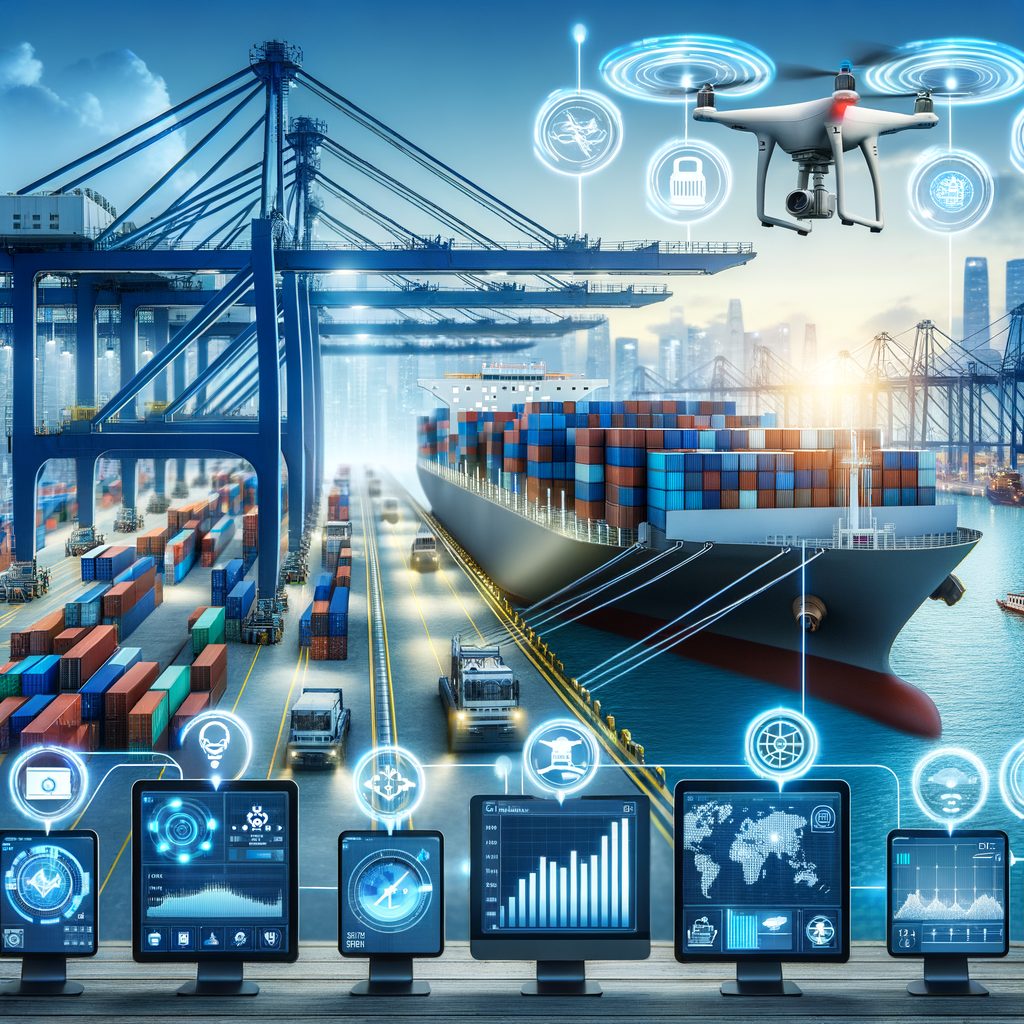
“`html Innovation in the Supply Chain: FourKites Launches a Manufacturing Customer Advisory Board with Fortune 500 Executives The supply chain industry is undergoing an unprecedented transformation, driven by significant technological advancements and a renewed focus on efficiency and transparency. In this context, companies are seeking ways to optimise their operations to remain competitive in a globalised market. A notable trend is the adoption of artificial intelligence (AI) and the digitalisation of processes that were historically manual and prone to errors. With the rise of e-commerce and ever-evolving consumer expectations, businesses need advanced tools to better manage and predict their supply chain flows. In this scenario, the news of FourKites launching a Manufacturing Customer Advisory Board marks a significant milestone. In collaboration with executives from Fortune 500 companies, this initiative aims to drive innovation in the supply chain using artificial intelligence. This collaborative approach reflects a growing trend among large corporations to work together with technology leaders to address complex challenges and develop adaptive solutions that can scale according to the needs of their global operations. Detailed Analysis: The Manufacturing Customer Advisory Board of FourKites The establishment of the Manufacturing Customer Advisory Board by FourKites represents a strategic effort to foster innovation in the realm of logistics and supply chain management. This board comprises high-level executives from Fortune 500 companies, ensuring that discussions and decisions are informed by a wide range of industry experiences and perspectives. The primary objective is to better align technological developments with the actual needs of manufacturers, ensuring that the solutions implemented are effective and sustainable. The application of artificial intelligence in supply chain management can radically transform the way operations are planned and executed. By using AI, companies can enhance the visibility of their supply chains, anticipate potential disruptions, and optimise performance across the entire chain. FourKites, by bringing together industry leaders, seeks to catalyse the development of innovative solutions that not only address current problems but also anticipate and mitigate future challenges. This proactive approach is essential in an environment where the ability to adapt quickly has become a critical success factor. Impact on the Merchant Navy and Nautical Sector The introduction of advanced technologies in the supply chain has significant implications for the merchant navy and the nautical sector. Route optimisation, improved predictability of arrival times, and reduced operational costs are just some of the benefits that these innovations can bring. For professionals in the sector, this means a transformation in their daily work, with a more strategic focus on operations management and less reliance on manual processes. With enhanced tracking and data analysis tools, shipping companies can make more informed decisions about routes, loading and unloading times, and inventory management. This not only improves efficiency but also allows for better risk management, which is crucial in a sector where margins can be extremely tight and disruptions potentially costly. Challenges and Future of the Sector for the Coming Years As technology continues to evolve, the supply chain sector, including the merchant navy, will face a series of challenges and opportunities. The integration of AI systems and big data analytics will require significant investment in technology and staff training. Companies will need to adapt their organisational structures to make the most of these innovations. In the coming years, automation and digitalisation are expected to continue redefining the sector, with an increasing focus on sustainability and environmental impact. Companies that successfully integrate these technologies will be better positioned to thrive in an increasingly competitive and cost-conscious market. Key Concepts In the context of this innovation, it is important to understand some technical terms. Artificial intelligence (AI) refers to computer systems capable of performing tasks that require human intelligence, such as pattern recognition, decision-making, and continuous learning. The supply chain encompasses all the steps involved in the production and distribution of goods, from obtaining raw materials to delivering the final product to the consumer. The term Fortune 500 refers to an annual list compiled and published by Fortune magazine that ranks the 500 largest US companies by revenue. Finally, digitalisation in this context involves converting manual processes into digital formats, facilitating data analysis and the automation of routine tasks. The entry Innovation in the Supply Chain: FourKites Launches a Manufacturing Customer Advisory Board with Fortune 500 Executives was first published on QuieroNavegar.app. “` This comprehensive adaptation provides a thorough understanding of the recent developments in the supply chain industry and their implications for the merchant navy and nautical sectors, while also adhering to the strict guidelines set forth.
The Revolution in Nautical Cartography: Shom Embraces Esri’s Custom Chart Builder for Automated Nautical Chart Production

“`html The Revolution in Nautical Cartography: Shom Embraces Esri’s Custom Chart Builder for Automated Nautical Chart Production Nautical cartography has been a cornerstone of navigation for centuries, crucial for the safety and efficiency of maritime operations. With technological advancements, the production of these charts has undergone significant transformations, evolving from a meticulous and labour-intensive manual process to one that leverages the capabilities of artificial intelligence and automation. This evolution has not only enabled faster and more efficient production but also ensured constant precision and updates—crucial in a sector where margins for error can translate into critical risks. In this context, Esri, globally recognised for its leadership in location intelligence, has taken a significant step forward with its Custom Chart Builder (CCB) tool. Recently, the Shom (Hydrographic and Oceanographic Service of the French Navy) has officially implemented this innovative technology for the automated production of its paper nautical charts. This adoption not only represents a technological leap but also underscores the confidence of one of the principal maritime bodies in the precision and effectiveness of the CCB to meet the rigorous safety standards demanded by the French Navy. In-depth Analysis: Esri’s Custom Chart Builder Esri’s Custom Chart Builder is a technological tool that focuses on automating the production of nautical charts, optimising both the time and resources required for their creation. This software relies on advanced algorithms that allow the transformation of complex hydrographic data into ready-to-use cartographic products, eliminating much of the manual work traditionally involved in the design and updating of these charts. The essence of CCB lies in its ability to integrate data from various sources, analyse large volumes of information, and generate precise graphical representations. This process not only drastically reduces production time but ensures that the charts comply with international standards, such as those established by the International Hydrographic Organization (IHO). Moreover, the tool enables customisation of outputs according to users’ specific needs, a critical aspect for adapting to different missions and operational scenarios. Impact on the Merchant Navy and Nautical Sector The adoption of the CCB by Shom has a direct and significant impact on the merchant navy and the nautical sector in general. For maritime professionals, having precise and up-to-date nautical charts is crucial for navigational safety. This technological advancement facilitates a quicker response to changing maritime conditions, reducing the risk of accidents and improving route planning. Furthermore, the use of automated charts liberates human resources previously dedicated to manual design and updating tasks, allowing professionals to focus on more strategic analysis and enhancing operational efficiency. In a sector facing constant pressure to improve sustainability and reduce operational costs, this innovation represents considerable progress. Challenges and Future of the Sector in the Coming Years Despite the benefits brought about by the automation of nautical cartography, the sector faces several challenges. The integration of new technologies requires significant investments and a shift in mindset within traditionally conservative organisations. Additionally, ensuring interoperability between different systems and standards is essential to maximise the benefits of these innovations. In the coming years, it is anticipated that the nautical sector will continue to evolve towards greater digitalisation. Technologies such as augmented reality, big data, and artificial intelligence will play a crucial role in the management of maritime operations. Continuous training and adaptation to these changes will be essential for professionals in the sector, who will need to integrate advanced technological knowledge into their daily practices. Key Concepts It is essential to understand some technical terms mentioned in this article to fully appreciate the scope of the advances in nautical cartography: Nautical Cartography: The science and art of representing the physical characteristics of the ocean, seas, and navigable bodies of water on a map. Location Intelligence: A field of geospatial technology that uses spatial and temporal data to make informed decisions. IHO (International Hydrographic Organization): An international body that sets standards for marine cartography to ensure navigation safety worldwide. This article in HTML is designed to provide a comprehensive and detailed view of the impact of the adoption of Esri’s Custom Chart Builder by Shom, reflecting its importance in the nautical and merchant sectors. The entry The Revolution in Nautical Cartography: Shom Embraces Esri’s Custom Chart Builder for Automated Nautical Chart Production was first published on WishToSail.com. “`
The Evolution of Robotic Welding in Naval Maintenance
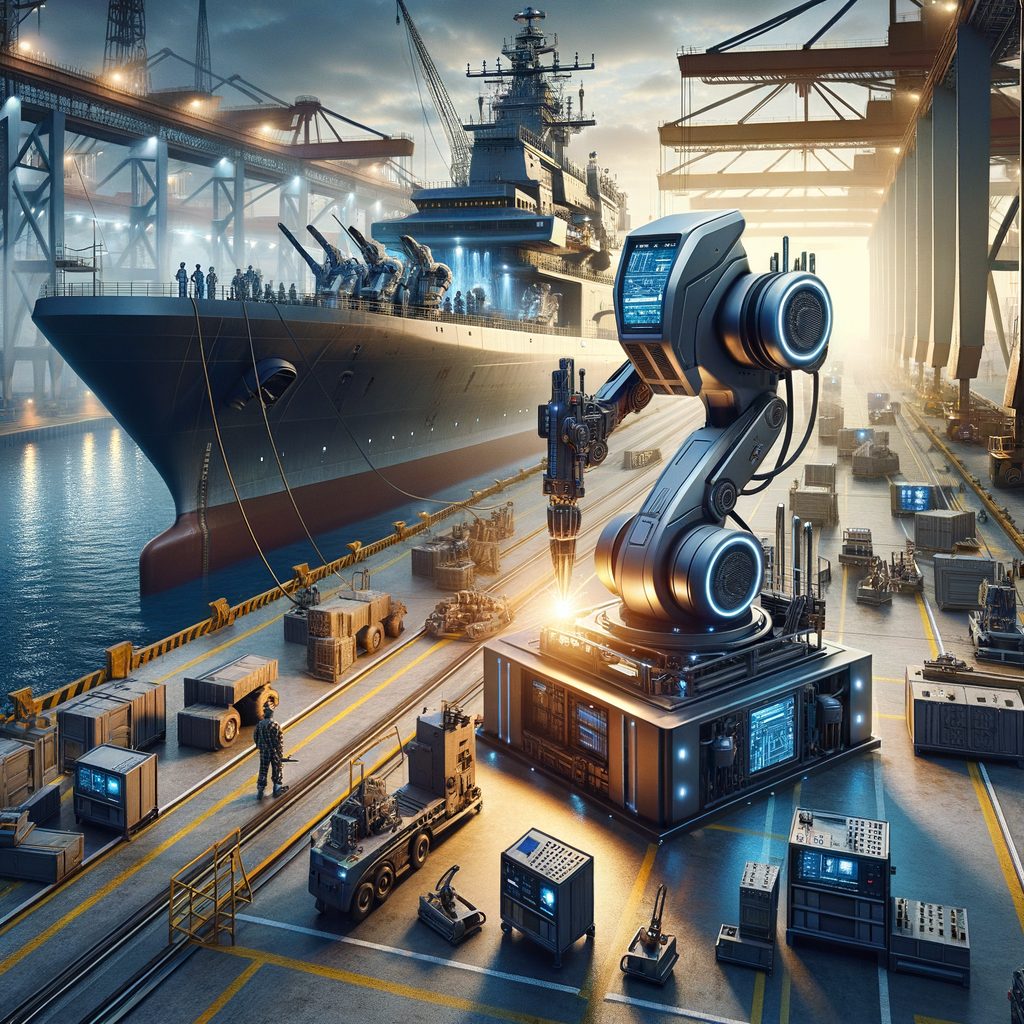
The Evolution of Robotic Welding in Naval Maintenance In the competitive and challenging world of the maritime industry, efficiency in ship maintenance and repair is crucial to ensure the operability and safety of fleets. Technological innovations have played a pivotal role in the evolution of these processes, allowing for a significant reduction in downtime and enhancing safety levels. Fairbanks Morse Defense (FMD), a company with a long history in maritime defense, has announced the expansion of its robotic welding program designed to optimize the repair and maintenance of US Navy ships and allied fleets. The demand for advanced technologies in the naval sector is steadily increasing, driven by the need to improve the accuracy and efficiency of maintenance operations. The introduction of robotics and automation has enabled companies to better address the inherent challenges of the industry, such as constant wear and tear on vessels, extreme sea conditions, and the need to comply with strict safety regulations. An In-depth Analysis of Fairbanks Morse Defense’s Robotic Welding Program Expansion FMD’s robotic welding program utilizes advanced automation technology that combines robotic precision with data-driven analysis. Through the integration of machine learning, FMD’s technology enables automated welding that adapts and improves with each operation. This not only reduces the time and costs associated with manual maintenance but also decreases risks for workers by minimizing exposure to hazardous environments. The implementation of this technology represents a significant advancement in operational efficiency. Robots are capable of performing millimeter-precise welds, which are challenging to achieve manually, especially in complex and hard-to-reach ship environments. With machine learning, these robots can adapt to different scenarios and carry out repetitive tasks with consistent quality, crucial for the structural integrity of vessels. Furthermore, this technology collects and analyzes real-time data, enabling the prediction of failures and proactive maintenance scheduling, thereby increasing the lifespan of naval assets. Impact on Merchant Navy and the Nautical Sector The introduction of robotic welding will have a significant impact on the daily work of maritime professionals. On one hand, it will reduce ship downtime, essential for maintaining maritime operations without prolonged interruptions. This translates to increased vessel availability to fulfill their missions, a critical factor for the US Navy and allied fleets. On the other hand, automating processes as critical as welding allows operators to focus on more strategic and less repetitive tasks, enhancing their professional development and improving workplace safety. We are likely to see a shift in the skills required within the industry, with a greater demand for professionals trained in handling and maintaining advanced robotics and automation technologies. Challenges and the Future of the Sector in the Coming Years The advancement of robotics in the naval sector is not without challenges. The integration of new technologies requires significant initial investments and adaptation of existing infrastructures and labor force. Additionally, cybersecurity becomes a critical aspect, as connectivity and data are fundamental for the operation of these automated systems. In the future, the use of technologies such as machine learning and artificial intelligence is expected to expand further, not only in welding but in other naval maintenance and operation processes. This will drive efficiency and fleet responsiveness, facilitating better asset management and more rigorous compliance with environmental and safety regulations. Key Concepts Robotic Welding: A process of joining materials using automated robots that ensure high precision and repeatability in operations. Machine Learning: A subfield of artificial intelligence that allows systems to learn and improve automatically from experience without being explicitly programmed. Fleet Operability: The ability of ships to be available and ready to fulfill their missions at any time, minimizing downtime. Cybersecurity: Practices and technologies used to protect systems, networks, and programs from digital attacks and unauthorized access.
The Strategic Acquisition of Store Opening Solutions Drives Growth for Koch Logistics & Warehousing: A Game-Changer in the Logistics Sector
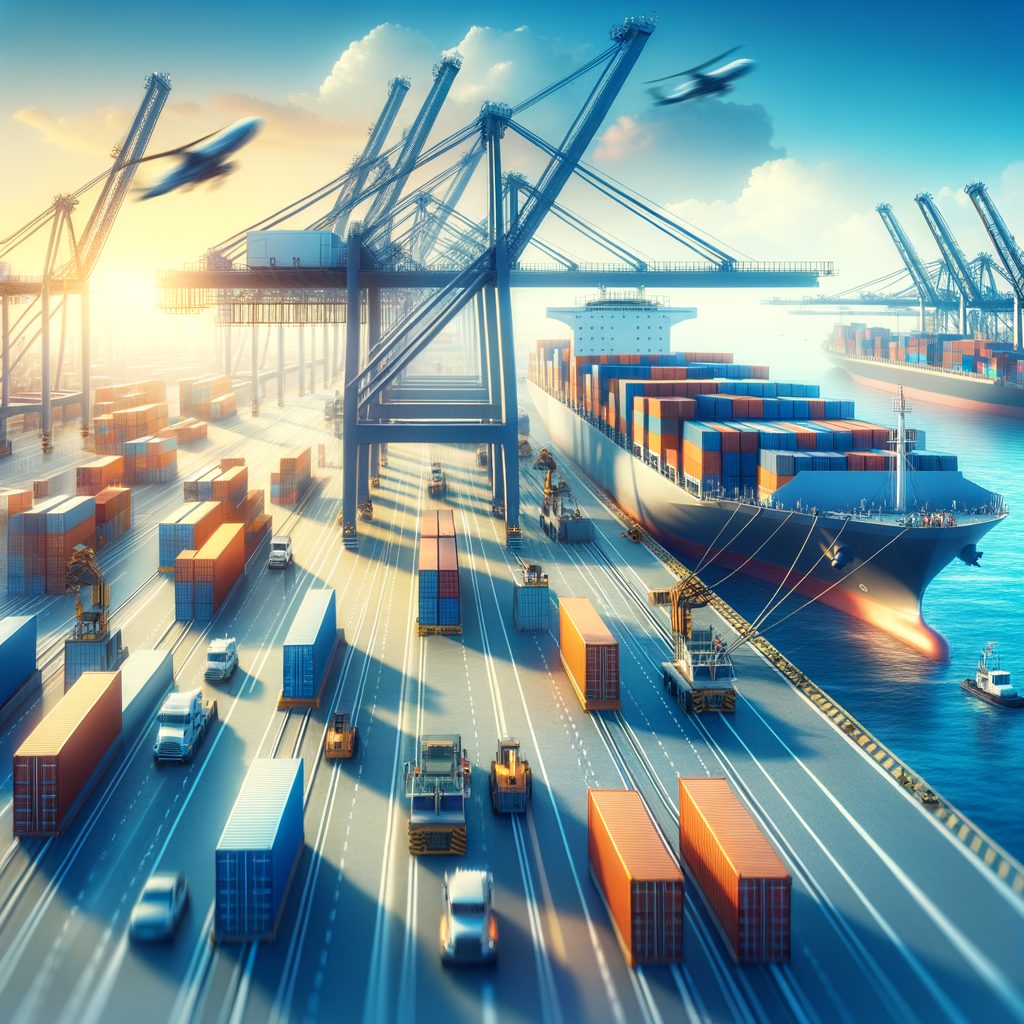
The Strategic Acquisition of Store Opening Solutions Drives Growth for Koch Logistics & Warehousing: A Game-Changer in the Logistics Sector In the dynamic world of logistics and transportation, companies are constantly looking for ways to optimize their operations and expand their capabilities. Competition is fierce, and innovation has become a key factor in staying relevant and efficient. Mergers and acquisitions are common strategies in this field, allowing companies to extend their reach and improve their services. A clear example of this trend is the recent acquisition of Store Opening Solutions by Koch Logistics & Warehousing, a move that promises to accelerate their growth and solidify their position in the market. Koch Logistics & Warehousing: A Leading Player in the Logistics Sector Koch Logistics & Warehousing, based in Minneapolis, has been a major player in the third-party logistics (3PL) sector, offering a wide range of services from transportation to storage and supply chain management. The acquisition of Store Opening Solutions is seen as a strategic move to strengthen their offerings and enhance their service capability, an increasingly urgent need in a globalized and demanding market. Detailed Analysis: The Acquisition of Store Opening Solutions The acquisition of Store Opening Solutions by Koch Logistics & Warehousing is a strategic maneuver designed to accelerate expansion and improve operational efficiency. Store Opening Solutions, known for their expertise in managing store openings and complex logistics projects, brings a range of capabilities that complement Koch Logistics’ existing offerings. This acquisition allows Koch Logistics to integrate specialized solutions in handling large-scale logistics projects, going beyond basic transportation to include strategic planning for store openings, inventory management, and on-the-ground logistics execution. 3PL (Third-Party Logistics): Refers to outsourcing logistics functions to an external provider who manages and coordinates services such as storage and transportation. Inventory Management: The process of overseeing and controlling the ordering, storage, and use of components a company will use in producing items for sale, as well as managing finished products ready for sale. Digitalization: In the logistics context, it refers to using digital technologies to enhance the efficiency and visibility of logistics operations, from storage to transportation. Impact on the Maritime and Nautical Sector The impact of this acquisition also extends to the maritime shipping sector and other areas related to the nautical industry, where logistics plays a crucial role. The integration of Store Opening Solutions will enable Koch Logistics to offer more comprehensive and personalized services, potentially leading to more efficient handling of maritime shipments and better management of international logistics projects. Challenges and Future of the Sector in the Coming Years Looking ahead, the acquisition of Store Opening Solutions by Koch Logistics presents both opportunities and challenges. On one hand, expanding services and capabilities can position the company as a leader in comprehensive logistics solutions. However, integrating two distinct entities always poses challenges, from unifying corporate cultures to optimizing joint operations. At a macro level, the logistics sector faces a series of trends and challenges that will shape its evolution in the coming years. Digitization, sustainability, and the need for resilience in the face of global crises are themes that will continue to be at the core of companies’ strategies. In this context, the ability to quickly adapt to changing market conditions will be a determining factor for success. These strategic acquisitions and expansions are indicative of an evolving sector, where the integration of services and process optimization are vital for long-term success.