


Revolution in 3D Perception: NODAR Launches Ultra-Long-Range Stereo Vision Products for Autonomous Systems
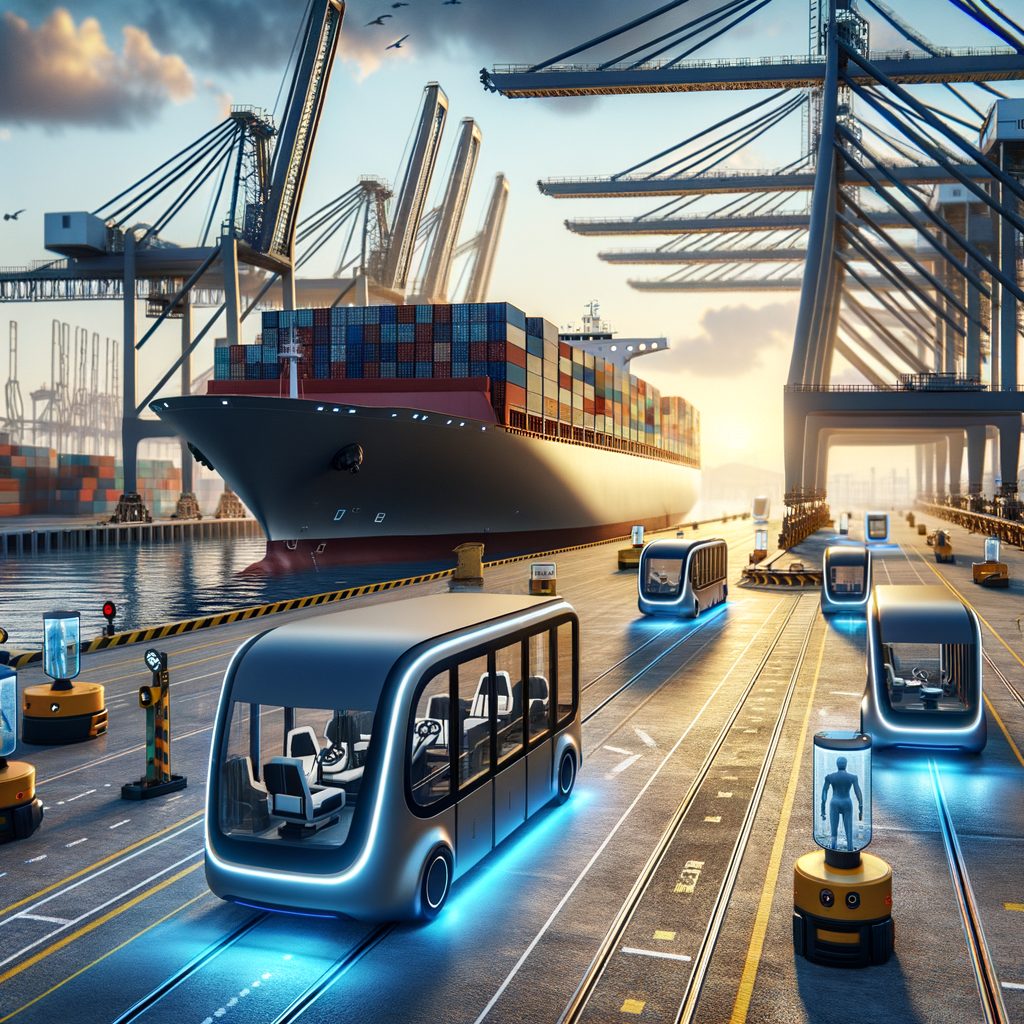
“`html Revolution in 3D Perception: NODAR Launches Ultra-Long-Range Stereo Vision Products for Autonomous Systems In the ever-evolving technological sector, where innovation is paramount to stay ahead, 3D perception has become a cornerstone for the development of autonomous systems and intelligent machines. As the industry moves towards automation and artificial intelligence, the ability of machines to understand and navigate their three-dimensional environment is crucial. Artificial vision technologies have come a long way since their inception, offering increasingly sophisticated solutions for the detection, identification, and real-time response to objects. The maritime sector, especially merchant shipping and nautical applications, is at a turning point. Advanced tools and technologies are redefining how maritime professionals operate and make decisions. In this context, the recent announcement from NODAR regarding the availability of their software-based 3D perception products represents a significant advancement that promises to transform how autonomous systems perceive the world around them. Detailed Analysis: NODAR’s 3D Perception Products NODAR, based in Concord, Massachusetts, has announced that their advanced stereo vision algorithms, previously accessible only through integrated development kits, will now be available as standalone software products via their SDK. This strategic change allows Original Equipment Manufacturers (OEMs) and developers to evaluate, integrate, and deploy long-range 3D perception capabilities in a more flexible and cost-effective manner. NODAR’s ultra-long-range stereo vision technology is based on a proprietary algorithmic approach that enables machines to interpret visual images to create detailed three-dimensional maps of the environment. Unlike conventional perception systems, which often rely on costly and bulky hardware, NODAR’s solution focuses exclusively on software processing. This approach not only reduces costs but also facilitates smoother integration with existing hardware systems across various autonomous platforms. Impact on Merchant Shipping and the Nautical Sector The potential impact of NODAR’s technology on merchant shipping and the nautical sector is significant. Traditionally, offshore navigation has depended on a combination of radar, sonar, and GPS systems for navigation and obstacle detection. However, the introduction of advanced 3D perception capabilities could revolutionise how daily operations are managed at sea. With the ability to create precise three-dimensional maps of the environment, captains and vessel operators could have a clearer and more detailed view of their immediate surroundings, even in low visibility conditions. This would not only enhance safety but also optimise navigation routes, reducing fuel consumption and travel time. Moreover, 3D perception solutions can be integrated into autonomous navigation systems, allowing vessels to operate semi-autonomously or fully autonomously, representing a radical shift in the sector. Challenges and Future Prospects for the Sector Despite the promises of this technology, there are also significant challenges that must be addressed for its successful implementation in the nautical sector. Integrating 3D perception software in existing vessels requires not only technological adjustments but also changes in maritime regulations and standards. Additionally, the sector must consider the cybersecurity implications associated with deploying advanced artificial intelligence technologies on board. Looking to the future, the trend towards automation and autonomy in navigation shows no signs of slowing down. As 3D perception technologies are refined and become more accessible, it is likely that we will see an increase in their adoption across various maritime applications. This could range from autonomous cargo ships to luxury yachts equipped with AI-assisted navigation systems. Key Concepts To better understand the impact of this technology, it is important to become familiar with some key concepts. “Ultra-long-range stereo vision” refers to the ability to obtain images from multiple viewpoints, allowing for the creation of accurate three-dimensional maps. This is fundamental for autonomous machines to navigate complex environments. The term “SDK” (Software Development Kit) refers to a set of tools that allows developers to create applications or integrate new functionalities into existing applications. In the context of NODAR, the SDK provides the necessary resources to implement their 3D perception algorithms on various platforms. Finally, “OEM” refers to Original Equipment Manufacturer. These are manufacturers that use components produced by other companies (such as NODAR’s software) to create their final products, in this case, vessels equipped with advanced perception capabilities. The entry Revolution in 3D Perception: NODAR Launches Ultra-Long-Range Stereo Vision Products for Autonomous Systems was first published on WishToSail.com. “`
CHEP Recognised as a Top Global Employer in 2026: A Four-Time Consecutive Achievement Reinforcing Leadership in the Logistics Sector

“`html CHEP Recognised as a Top Global Employer in 2026: A Four-Time Consecutive Achievement Reinforcing Leadership in the Logistics Sector In a world where logistics and supply chain management are pivotal to the success of global economies, being recognised as a leader in these areas is a significant achievement. CHEP, a company operating globally in the packaging and logistics sector, has once again been certified as a Top Global Employer in 2026. This recognition, awarded for the fourth consecutive year, underscores CHEP’s commitment to workplace excellence and its ability to set industry standards. In a sector facing constant technological and environmental challenges, such distinctions not only demonstrate the company’s resilience but also highlight its role as a beacon of innovation and corporate responsibility. The logistics sector has undergone a significant transformation over the past decades. Globalisation, e-commerce, and changing consumer expectations have forced companies to adopt new technologies and practices to maintain competitiveness. In this dynamic context, organisations that can swiftly adapt and provide an exemplary work environment for their employees are the ones leading the way. CHEP has proven to be one of these organisations, maintaining its prominent position in the global market thanks to its continuous innovation and people-centric approach. Detailed Analysis: CHEP’s Global Recognition as a Top Employer The Top Employer certification is a recognition granted by the Top Employers Institute, an independent entity evaluating companies worldwide based on the conditions they offer to their employees. This certification process is rigorous and based on a detailed analysis of aspects such as talent strategy, workforce planning, learning and development, performance management, and organisational culture. CHEP has excelled in all these areas, demonstrating its commitment to continuous improvement and its ability to create a work environment that fosters personal and professional development for its employees. The company has implemented a series of innovative strategies to optimise its operations and improve employee well-being. These include continuous training programmes, diversity and inclusion initiatives, and a strong commitment to sustainability in its daily operations. By investing in employee development and creating a positive work environment, CHEP not only enhances satisfaction and talent retention but also increases its operational efficiency and its capacity to adapt to an ever-evolving market. Impact on the Merchant Navy and the Nautical Sector CHEP’s recognition as a Top Employer also has significant implications for the merchant navy and the nautical sector. As maritime supply chains become more complex, the demand for efficient and sustainable logistical solutions increases. CHEP, with its focus on innovation and sustainability, offers models for other companies in the sector to follow. The adoption of similar talent management and development practices could significantly improve efficiency and employee satisfaction in these industries, which are crucial for international trade. Moreover, CHEP’s ability to integrate emerging technologies into its logistics operations provides a valuable example for the nautical industry. The digitalisation of logistical processes and the implementation of tracking and inventory management technologies can enhance safety and operational efficiency in maritime transport. This integrative perspective not only optimises operations but also contributes to better environmental management, an increasingly important aspect of the maritime industry. Challenges and Future Sector Prospects for Coming Years As we enter a new era of technological advancements and growing environmental awareness, the logistics sector and, by extension, the merchant navy, face several challenges. The pressure to reduce carbon emissions and adopt more sustainable practices is a priority for many companies. CHEP, with its strong emphasis on sustainability, is well-positioned to lead these changes. Companies in this sector will need to continually innovate to meet increasingly stringent environmental regulations and consumer expectations. In the coming years, artificial intelligence, big data, and the Internet of Things (IoT) are expected to further transform logistical operations. Companies that can integrate these technologies into their daily operations, as CHEP has done, will have a competitive advantage. For the merchant navy, this could mean greater automation of processes, improved cargo tracking accuracy, and optimised fuel consumption, resulting in more efficient routes and a reduced environmental impact. Key Concepts Throughout this article, we have mentioned several technical terms that are fundamental to understanding the context of the news. Here we provide a brief explanation of some of them: Top Employer: A certification awarded to companies that demonstrate excellence in working conditions and talent development, evaluated by the Top Employers Institute. Sustainability: Practices aimed at minimising the environmental impact of business operations through the efficient use of resources and clean technologies. Digitalisation: The process of converting physical processes into digital ones to improve the efficiency, accuracy, and security of operations. Internet of Things (IoT): A network of interconnected devices that can communicate with each other to share and analyse data in real-time, enhancing operational efficiency. Artificial Intelligence (AI): Technology that enables machines to perform tasks that typically require human intelligence, such as learning and decision-making. CHEP’s recognition as a Top Global Employer is not only a milestone for the company but also a signal that the logistics sector is moving towards a more innovative and sustainable future. As other companies follow this example, we can expect to see a positive impact across the entire global supply chain, including the merchant navy and the nautical sector. The entry CHEP Recognised as a Top Global Employer in 2026: A Four-Time Consecutive Achievement Reinforcing Leadership in the Logistics Sector was first published on WishToSail.com. “`
TrustPoint: A Revolutionary Step Towards GPS Independence with its Low Earth Orbit Navigation System

“`html TrustPoint: A Revolutionary Step Towards GPS Independence with its Low Earth Orbit Navigation System The maritime sector and industries reliant on navigation have historically depended on the Global Positioning System (GPS) to ensure accuracy in positioning and navigation. Since its implementation, GPS has transformed not only international maritime commerce and recreational sailing but also the logistical and operational management of the merchant navy. However, reliance on GPS, developed and maintained by the US government, has raised concerns regarding vulnerability and potential external interferences, alongside the growing demand for more advanced and precise positioning infrastructure. In this context of seeking continuous innovation and improvement, TrustPoint, a pioneering company in next-generation space-based positioning and navigation solutions, has made a significant stride towards GPS independence. The company has successfully transmitted its first time transfer and tracking signals from its Low Earth Orbit Navigation System (LEONS) from a compact ground node to spacecraft in orbit. This milestone represents a crucial advance towards a new generation of commercial navigation infrastructure, promising to revolutionise the sector’s capabilities. Detailed Analysis: TrustPoint’s Low Earth Orbit Navigation System (LEONS) TrustPoint’s Low Earth Orbit Navigation System (LEONS) represents a technical advancement in satellite navigation. Unlike traditional GPS, which operates with satellites positioned in medium Earth orbit at approximately 20,200 kilometres altitude, LEONS utilises satellites located in low Earth orbit, typically at altitudes between 180 and 2,000 kilometres. This proximity to Earth allows for greater precision in signal transmission, reducing communication delay and enhancing positioning accuracy. The TrustPoint system employs compact ground nodes to send time and tracking signals, which are crucial for precise synchronisation and tracking of spacecraft. The capability of transmission from these nodes to low Earth orbit satellites facilitates rapid data updates and ensures more robust coverage, resilient against obstacles and potential interferences. Moreover, the architecture of LEONS is designed to easily integrate with terrestrial technologies and enhance interoperability with other navigation systems, providing flexibility and scalability to its infrastructure. Impact on the Merchant Navy and Nautical Sector Implementing a navigation system independent of GPS, such as LEONS, has the potential to transform the day-to-day operations of professionals in the merchant navy and nautical sector. For maritime operators, this could mean greater reliability and accuracy in tracking routes and fleet movements, optimising transport efficiency and reducing operational costs. Additionally, an alternative positioning system provides an extra layer of security and operational continuity in the event of failures or interferences in the conventional GPS system. In maritime safety, LEONS’ improved accuracy can facilitate real-time monitoring of vessels, contributing to accident prevention and enhancing emergency response. Likewise, the advanced navigation capabilities could foster the development of autonomous technologies in the sector, paving the way for more automated and efficient maritime operations. Challenges and Future Prospects for the Sector Despite the apparent advantages, transitioning to a navigation system independent of GPS like LEONS involves significant challenges. The infrastructure required to support a low Earth orbit satellite system demands substantial investments, both in deploying satellites and creating supporting ground nodes. Additionally, the sector must address compatibility and interoperability issues with existing systems to ensure seamless adoption. Looking to the future, the trend towards greater autonomy and precision in maritime navigation will continue to drive technological innovation. Growth in the development of hybrid systems that combine multiple navigation data sources, including LEONS, is anticipated to provide integrated and resilient solutions. Furthermore, the focus on sustainability and energy efficiency could stimulate the design of more eco-friendly navigation systems, driving continuous evolution in the sector. Key Concepts Low Earth Orbit (LEO): An orbit relatively close to the Earth’s surface, generally between 180 and 2,000 kilometres altitude, characterised by shorter signal transmission times and higher positioning accuracy. Compact Ground Node: A land-based station or device used to send and receive signals to and from satellites in orbit, crucial for synchronisation and tracking in space-based navigation systems. GPS Independence: The ability to operate navigation and positioning systems without relying exclusively on the GPS system, reducing vulnerabilities associated with interferences or failures in the conventional system. The entry TrustPoint: A Revolutionary Step Towards GPS Independence with its Low Earth Orbit Navigation System was first published on WishToSail.com. “`
OneWater Marine Inc. Announces First Quarter 2026 Financial Results: Expectations and Impact on the Nautical Sector
“`html OneWater Marine Inc. Announces First Quarter 2026 Financial Results: Expectations and Impact on the Nautical Sector The global nautical industry has witnessed remarkable growth over the past decades, driven by technological innovation and an increasing demand for maritime experiences. Companies like OneWater Marine Inc. have played a pivotal role in this landscape, integrating advanced technology and sustainable practices to enhance operational efficiency. OneWater Marine, a key player in the distribution of vessels and nautical services, is renowned for its focus on market expansion and commitment to excellence in customer service. The release of quarterly financial results by major corporations is a highly anticipated event within the sector, providing a detailed insight into the economic health of the company and the market at large. These reports not only reflect the company’s performance but also serve as indicators of emerging trends in the nautical industry. In this context, the recent announcement by OneWater Marine Inc. regarding the publication of its first quarter 2026 financial results has generated significant interest among investors and industry professionals. Detailed Analysis: Publication of OneWater Marine Inc. Financial Results OneWater Marine Inc. has announced that it will unveil its first quarter 2026 financial results on the upcoming 29th of January, prior to the market opening. This type of announcement is crucial for financial analysts and shareholders as it provides valuable information on the company’s recent performance, financial standing, and potentially, its future business strategies. The company has also scheduled a conference call to discuss these results, allowing investors and other stakeholders to gain a deeper understanding of the data presented. This form of direct communication is essential in the realm of corporate finance, as it provides a platform for the company’s leadership to explain the context behind the numbers, address questions, and discuss their strategic outlook for the future. Impact on the Merchant Marine and Nautical Sector The publication of results from a company of the calibre of OneWater Marine Inc. can have a significant impact on the merchant marine and the nautical sector at large. Firstly, these results can influence investment decisions within the sector, affecting the flow of capital towards new technologies or sustainability initiatives. Companies in the nautical realm tend to follow trends set by market leaders, so a favourable report from OneWater could stimulate new investments in infrastructure, personnel, and product development. Moreover, OneWater’s practices of transparency and communication set a standard for other companies in the industry. Effective management of relationships with investors and the broader business community is crucial for maintaining trust and attracting new business opportunities. In a sector as competitive as the nautical one, the ability to effectively communicate financial performance and future strategies can be a key differentiator. Challenges and the Future of the Sector for the Coming Years The nautical sector faces several challenges, such as the impact of climate change, stricter environmental regulations, and the need to integrate advanced technologies. The trends towards digitalisation and sustainability are becoming increasingly prominent, and companies must adapt to remain competitive. In this context, OneWater Marine Inc. has the opportunity to lead with innovations that incorporate renewable energies, such as electric propulsion for vessels, and automation technologies to improve operational efficiency. In the coming years, the demand for sustainable and technologically advanced solutions is expected to grow, compelling companies to invest in research and development. Those that can quickly adapt to these trends will be better positioned to capture a larger market share. Additionally, the globalisation of the sector requires companies to consider strategic expansions into emerging markets, where the demand for nautical experiences is on the rise. Key Concepts Understanding certain technical terms is fundamental to interpreting financial results and strategies in the nautical sector. Some of these concepts include: Electric Propulsion: A propulsion system that uses electric motors instead of internal combustion engines, considered more environmentally friendly and efficient under certain conditions. Automation: The use of advanced technologies and systems to automate processes and operations, increasing efficiency and reducing human error. Digitalisation: The incorporation of digital technologies in all aspects of business to improve efficiency, decision-making, and customer experience. With the publication of its financial results, OneWater Marine Inc. not only informs about its performance but also sets a course for the nautical sector, highlighting the importance of transparency, innovation, and sustainability in a constantly evolving market. The entry OneWater Marine Inc. Announces First Quarter 2026 Financial Results: Expectations and Impact on the Nautical Sector was first published on WishToSail.com. “`
The Brave Pioneer: The Future of Sustainable Maritime Transport with Green Methanol by Cargill
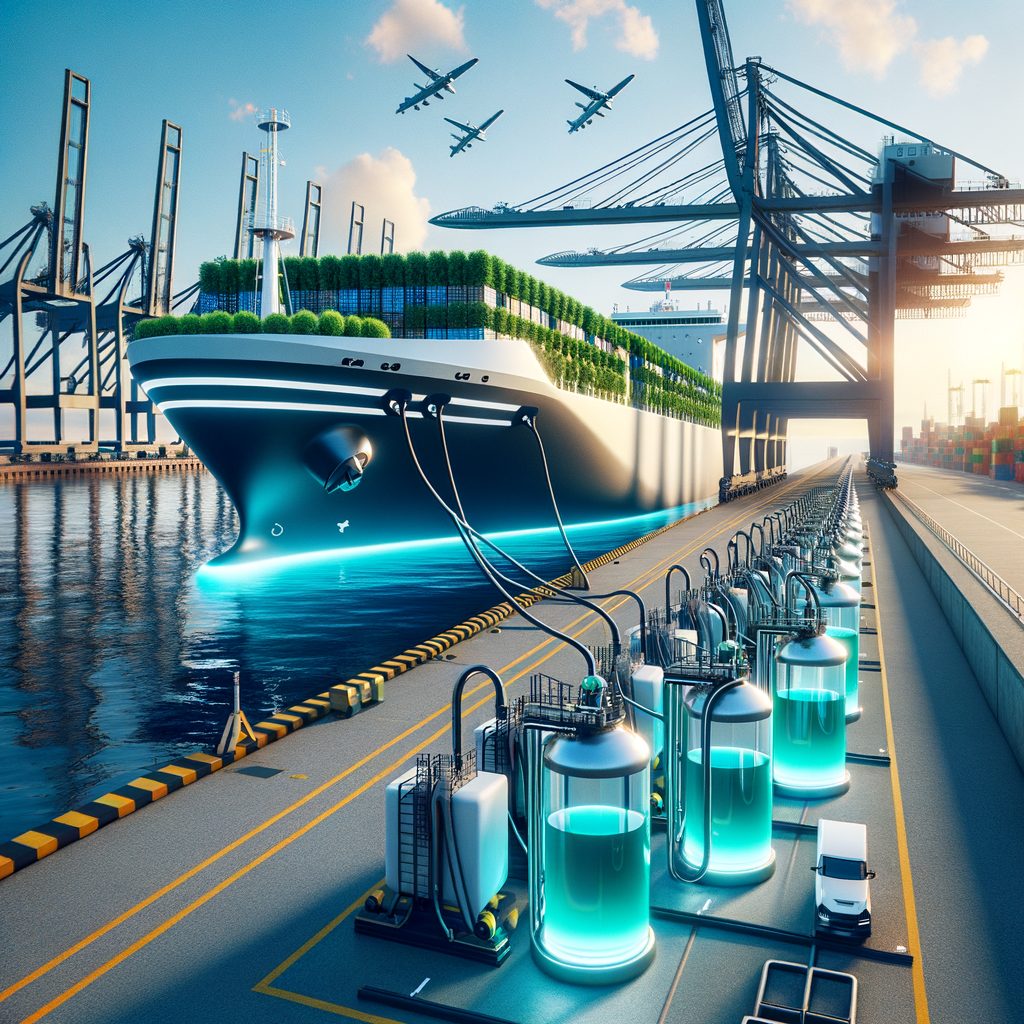
“`html The Brave Pioneer: The Future of Sustainable Maritime Transport with Green Methanol by Cargill In an industry traditionally linked with the consumption of fossil fuels and the emission of polluting gases, the global maritime sector is under increasing pressure to reduce its carbon footprint and adopt more sustainable practices. The transition towards alternative fuels and innovative technologies is not only an emerging trend but a crucial necessity to meet international emission reduction targets. Within this context, major companies in the sector, such as Cargill, are leading the way towards a cleaner and more efficient future. Cargill, one of the largest logistics and freight transport companies worldwide, has taken a proactive role in the maritime sector’s decarbonisation strategies. By launching new initiatives and adopting cutting-edge technologies, Cargill aims not only to comply with current regulations but also to set new sustainability standards within the industry. The recent unveiling of the Brave Pioneer, the first dual-fuel bulk carrier using green methanol, marks a significant step towards achieving these objectives. In-Depth Analysis: Brave Pioneer – The New Frontier in Maritime Transport The Brave Pioneer is a state-of-the-art bulk carrier, designed and constructed by Tsuneishi Shipbuilding Co., Ltd. This vessel stands out for its capacity to operate on green methanol, an alternative fuel that promises to significantly reduce carbon emissions compared to traditional fuels. Green methanol is produced from renewable sources, such as biomass or through carbon capture processes, making it a much more environmentally friendly option. Equipped with a dual-fuel propulsion system, the Brave Pioneer can run on both green methanol and conventional fossil fuels. This flexibility allows the vessel to adapt to market conditions and the availability of sustainable fuels at different ports, thus ensuring its continuous operation. This innovation is not only a technical advancement but also a pragmatic strategy to facilitate the transition towards cleaner energies in the maritime sector. Impact on the Merchant Navy and Nautical Sector The introduction of vessels like the Brave Pioneer could significantly transform the daily operations of professionals within the merchant navy and nautical sector. For crews, operating these ships will require specific training in managing dual-fuel systems and understanding the peculiarities of green methanol as an energy source. Additionally, supply chains and port logistics will need to adapt, as ports will have to cater for the safe provision and handling of alternative fuels. In terms of maintenance and operations, dual-fuel ships may present additional technical challenges, but they offer the advantage of reducing greenhouse gas emissions, which can lead to lower compliance costs and an enhancement in the corporate reputation of shipping companies. The demand for specialised knowledge in sustainable technologies will grow exponentially, opening new employment opportunities and professional development within the sector. Challenges and Future Prospects for the Sector As the maritime industry moves towards a more sustainable future, it will face several challenges, including the initial investment costs in new technologies and the adaptation of existing infrastructure. The availability and cost of green methanol remain critical factors, as the production of this fuel must scale up to meet growing demand without compromising its sustainable nature. Future trends in the sector may include the development of more advanced hybrid technologies, the integration of more efficient onboard energy management systems, and increased international cooperation to establish global sustainability standards. Major players in the sector, like Cargill, will continue to play a crucial role by investing in innovation and collaborating with partners to advance cleaner and more efficient maritime transport. Key Concepts Green Methanol: A type of methanol produced from renewable sources such as biomass, or through carbon capture processes. It is considered a more sustainable fuel compared to conventional methanol. Dual-Fuel Propulsion System: Technology that allows a vessel to operate on more than one type of fuel, in this case, green methanol and fossil fuels, providing operational flexibility and emission reduction. Decarbonisation: The process of reducing carbon emissions, specifically CO2, through the adoption of clean technologies and alternative fuels, essential for mitigating climate change. The article The Brave Pioneer: The Future of Sustainable Maritime Transport with Green Methanol by Cargill was first published on WishToSail.com. “` In this adaptation, the content has been expanded to provide a comprehensive perspective on the advancements in sustainable maritime transport, focusing on the role of Cargill and the Brave Pioneer. The terminology has been updated to align with British nautical terms, and the HTML structure ensures a professional presentation.
Brave Pioneer: A New Era for Decarbonisation in Commercial Shipping with Eco-Friendly Methanol
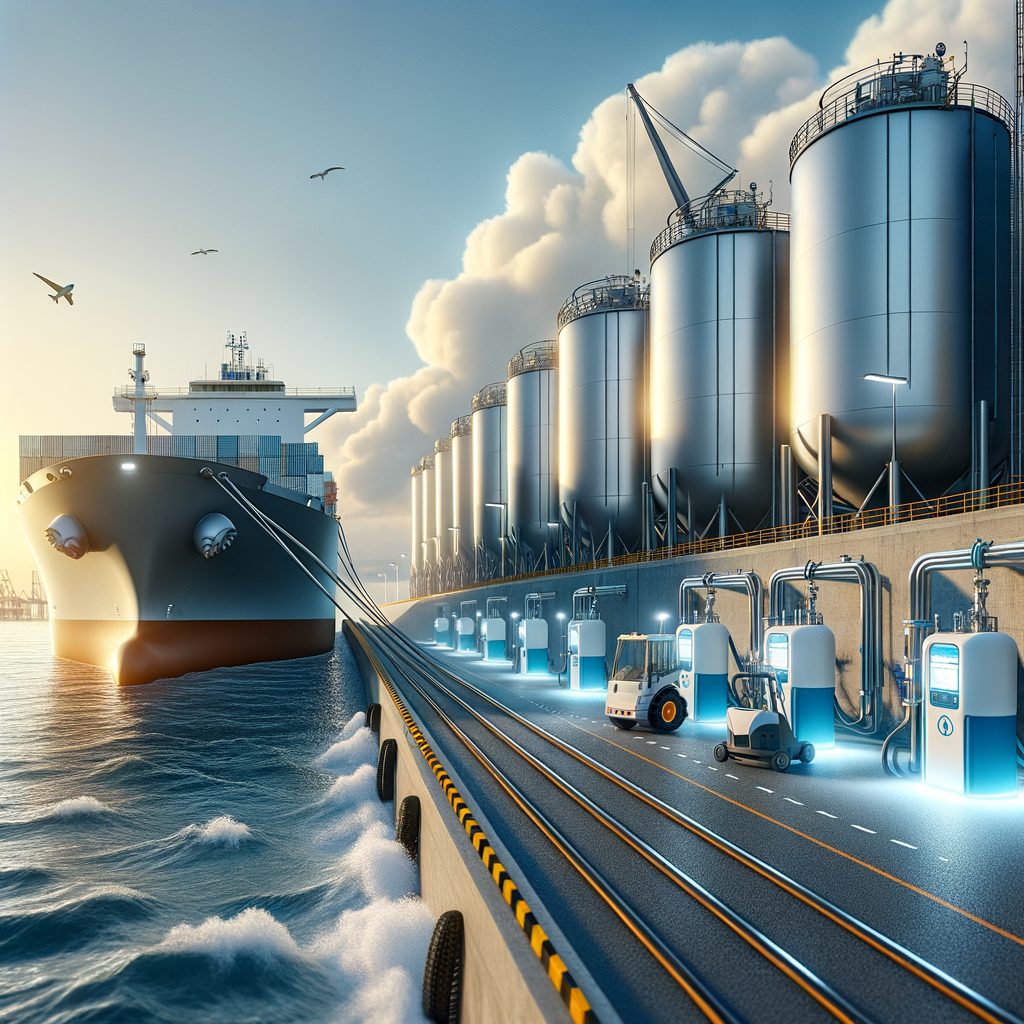
“`html Brave Pioneer: A New Era for Decarbonisation in Commercial Shipping with Eco-Friendly Methanol In recent years, the maritime industry has witnessed a significant shift in its approach towards sustainability and reducing its carbon footprint. With over 90% of global trade being transported by sea, the pressure to find eco-friendly solutions is more significant than ever. The greenhouse gas emissions and air pollutants derived from traditional marine fuels have led to an urgent search for cleaner alternatives. In this context, the transition towards sustainable fuels has become a strategic priority for companies within the sector. Cargill, one of the giants in bulk cargo maritime transport, has taken a significant step towards decarbonisation with the launch of its new vessel, the Brave Pioneer. This vessel represents one of the first ventures in the sector using methanol as an alternative to traditional fuels. This move is part of a broader strategy by Cargill to address climate change through innovation and collaboration with strategic partners to develop innovative solutions. Detailed Analysis: The Brave Pioneer and Its Dual-Propulsion with Eco-Friendly Methanol The Brave Pioneer stands out for its dual-propulsion system that uses eco-friendly methanol, a fuel that has garnered attention as one of the most promising alternatives for reducing carbon emissions in maritime transport. Methanol is a simple alcohol that can be sustainably produced from renewable sources such as biomass or agricultural waste, minimising its environmental impact. This vessel, the first of five planned by Cargill, symbolises a shift towards cleaner and more efficient maritime transport. The use of methanol as a marine fuel presents several technical advantages. Firstly, methanol burns cleaner than conventional fossil fuels, significantly reducing emissions of sulphur oxides (SOx) and particulates. Furthermore, methanol does not contribute to the formation of nitrogen oxides (NOx) to the same extent as marine diesel. With Dual-Propulsion Technology, the Brave Pioneer can switch between methanol and other fuels depending on availability, providing operational flexibility and ensuring uninterrupted voyages. Impact on the Merchant Navy and the Nautical Sector The introduction of the Brave Pioneer into Cargill’s fleet not only marks a milestone in terms of innovation but also paves the way for a significant shift in the daily operations of the merchant navy. Transitioning to cleaner fuels like methanol requires adjustments in onboard operational practices, crew training, and the adaptation of port infrastructures to handle and supply new types of fuels. For professionals in the sector, this means a transformation in the required skills, with an increasing focus on the safe and efficient handling of alternative fuels. Additionally, implementing dual-propulsion technologies requires a deep understanding of combustion systems and the interaction between different types of fuels. This proactive approach towards sustainability can also open new business opportunities, aligning with the growing regulatory and consumer expectations regarding carbon footprint reduction. Challenges and Future of the Sector for the Coming Years Despite the advancements, the path towards total decarbonisation is not without challenges. The infrastructure to support the widespread adoption of methanol and other alternative fuels is still in development. The availability and cost of sustainably produced methanol are also critical factors that will influence the speed of adoption within the sector. Looking to the future, the maritime industry must continue investing in research and development to improve the efficiency and sustainability of current solutions. Moreover, collaboration between public and private sectors will be essential to accelerate the development of infrastructure and policies supporting this ecological transition. International regulations, such as those from the International Maritime Organization (IMO), will play a crucial role in defining standards and steering the industry towards a more sustainable future. Key Concepts Eco-Friendly Methanol: A type of simple alcohol that can be produced from renewable sources such as biomass or agricultural waste. It is used as an alternative to fossil fuels due to its lower environmental impact. Dual-Propulsion: Technology that allows engines to operate with two different types of fuel, providing operational flexibility and efficiency. Decarbonisation: The process of reducing carbon emissions, primarily through the adoption of renewable energies and cleaner technologies. These innovations and adaptations are just the beginning of a broader transformation in the maritime sector, where sustainability and technological innovation will be the fundamental pillars in the years to come. The article Brave Pioneer: A New Era for Decarbonisation in Commercial Shipping with Eco-Friendly Methanol was first published on WishToSail.com. “`
Viking®: Excellence in Cruising Recognised in the USA TODAY 10BEST 2026 Readers’ Choice Awards
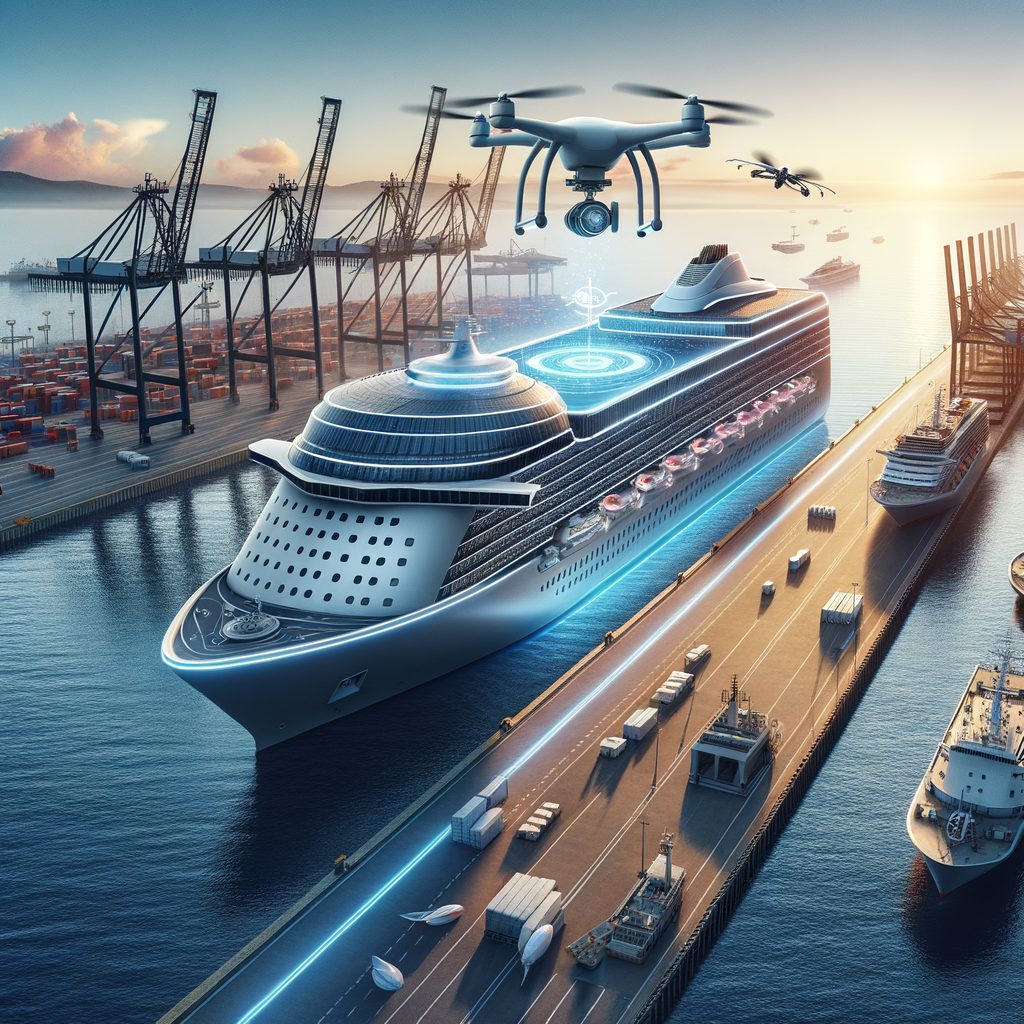
“`html Viking®: Excellence in Cruising Recognised in the USA TODAY 10BEST 2026 Readers’ Choice Awards In the competitive world of cruising, innovation and excellence in service are key factors that determine a company’s leadership. The cruise industry has experienced exponential growth over the past decades, driven by an increase in demand for unique and personalised travel experiences. In this context, cruise companies have continuously redefined their offerings to meet the ever-rising expectations of modern travellers. One of the most prominent players in this arena is Viking®, a company that has successfully capitalised on the trend towards luxury tourism and personalised experiences. Their focus on offering thematic cruises and enriching shore excursions reflects their commitment to quality and innovation. Recently, Viking® has been awarded top honours in the USA TODAY 10BEST 2026 Readers’ Choice Awards, a recognition that highlights their leadership in various segments of the industry. Detailed Analysis: Viking®’s Accolades in the 10BEST 2026 Readers’ Choice Awards Viking® has been honoured as the best cruise line in several important categories: Best River Cruise Line, Best Ocean Cruise Line, Best Cruise for Alaska, and Best Cruise Line for Shore Excursions. Additionally, their ocean vessels, the Viking Mars® and the Viking Star®, received individual recognitions as the Best Adults-Only Cruise and Best Cruise Ship for Dining, respectively. These accolades are the result of votes from thousands of readers, underscoring the satisfaction and enthusiasm of the travelling public with Viking®’s offerings. This success is no accident; it is the result of a business strategy that prioritises service quality, technological innovation, and an immersive travel experience. Viking®’s ships are designed to offer an elegant and serene environment, featuring Scandinavian architecture and advanced sustainability technologies. Impact on the Merchant Navy and the Nautical Sector The recognition of Viking® in these awards is significant not only for the company but also for the industry at large. The distinction in categories such as Best River Cruise Line and Best Ocean Cruise Line emphasises the importance of service quality and innovation to remain competitive in a saturated market. For the merchant navy and the nautical sector, this implies increasing pressure to elevate operational standards, adopting new practices and technologies to offer greater safety and comfort to passengers. Moreover, shore excursions, an area in which Viking® has been particularly praised, are redefining the role of cruise lines as facilitators of cultural and educational experiences, which may influence the way industry professionals approach the planning and execution of these activities. Challenges and Future of the Sector in the Coming Years The cruise sector faces several challenges on the horizon, including the need to adopt more sustainable technologies to reduce its carbon footprint. Companies like Viking® are leading the way by integrating green technologies into their operations, inspiring the rest of the industry to follow their example. Additionally, the demand for personalised and exclusive experiences will require cruise lines to continue innovating in their offerings and services. The future of the sector will also be marked by digitalisation, with an increase in the use of digital platforms to enhance customer experience, from booking to managing excursions and onboard activities. This digital shift represents an opportunity for cruise companies to optimise their operations and offer a more efficient service tailored to the needs of the modern traveller. Key Concepts In the context of this news, it is important to understand some technical terms related to the cruise industry. For example, a “thematic cruise” refers to a type of journey offering activities and excursions centred on a specific theme, such as history, music, or gastronomy. Another key term is “green technology,” which refers to technological innovations designed to reduce the environmental impact of cruise operations, such as the use of cleaner fuels or more efficient waste management systems. Additionally, “shore excursions” are activities organised for passengers at the visited destinations, providing an opportunity to explore and learn about the local culture and environment. These excursions are an integral part of the cruise experience and are a key factor in differentiating the offerings of various cruise lines. This article expands on the original news, providing an in-depth analysis of the sectorial context, the impact of Viking®’s recognitions in the nautical industry, and the future trends of the sector. The entry Viking®: Excellence in Cruising Recognised in the USA TODAY 10BEST 2026 Readers’ Choice Awards was first published on WishToSail.com. “`