- BIMCO has launched a new film as part of a global awareness campaign focusing on seafarer safety.
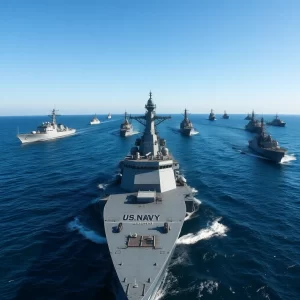
- Geopolitical risks are escalating, with increased incidents in areas like the Red Sea and Black Sea impacting maritime security.
- The campaign seeks concrete commitments from governments and stakeholders to safeguard approximately 1.5 million seafarers worldwide.
The Baltic and International Maritime Council (BIMCO), a leading international maritime association, has recently released a film to highlight urgent seafarer protection needs. This initiative emerges as geopolitical threats intensify, endangering crews responsible for moving 90% of global trade. By targeting governments and industry players, BIMCO aims to drive action in securing maritime personnel.
CONTEXT AND BACKGROUND
Seafarer safety has been a historical concern in the maritime sector. According to the International Maritime Organization (IMO), there are around 1.5 million seafarers globally, essential for transporting food, fuel, and goods. Past vulnerabilities have been exposed by events like pirate attacks, conflicts in the Red Sea and Black Sea, and the COVID-19 pandemic.
BIMCO has previously advocated for similar measures, but this campaign emphasises a more coordinated and visible response. The maritime industry depends on a stable and secure workforce for efficient operations, making this move timely.
IN-DEPTH TECHNICAL ANALYSIS
This campaign highlights the interconnection between operational safety and legal frameworks. Seafarers face risks such as kidnappings, violence, or unjust detentions in conflict zones. Technically, this necessitates reviewing onboard security protocols, including citadels (secure areas) and emergency communication systems.
Legal protection is also crucial. International conventions like the STCW (Standards of Training, Certification and Watchkeeping for Seafarers) and the MLC 2006 (Maritime Labour Convention) establish standards, but application varies. BIMCO seeks to strengthen this through political pressure and public awareness efforts.
CONCRETE OPERATIONAL IMPLICATIONS
For shipowners and operators, this may lead to higher investments in safety training and equipment. Vessels on high-risk routes might require enhanced surveillance systems or specialised insurance. While this raises initial operational costs, it reduces risks and improves crew retention.
Proactive shipping companies could benefit from lower insurance premiums and a better reputation. In contrast, those with older fleets lacking updates may face regulatory and competitive pressures.
IMPACT ON THE LABOUR MARKET
This initiative could generate job opportunities in maritime security training, risk consultancy, and compliance roles. Seafarers with advanced security certifications, such as anti-piracy courses, might experience increased demand.
Additionally, it could spur the creation of psychological support programmes for crews, opening niches in maritime welfare services. For investors, this indicates potential in security technology or specialised training firms.
MACRO CONTEXT
Geopolitically, tensions in regions like the Gulf of Aden or the Taiwan Strait directly affect shipping lanes. Global regulations, such as IMO guidelines, are evolving to address these challenges, but implementation is often slow.
Trends like digitalisation and remote monitoring offer tools to enhance security, but they require international collaboration. BIMCO’s campaign aligns with these movements, pushing for concrete actions beyond mere declarations.
OUTLOOK
In the short term, BIMCO’s film is expected to increase visibility on seafarer protection, potentially leading to political commitments at forums like the IMO. Long-term, it could foster legal reforms and improved industry practices, reducing incidents and ensuring more stable trade flows.
However, challenges persist, such as fragmented governmental responses. Effectiveness will depend on adoption by key actors and sustained awareness efforts.
FAQ
What is BIMCO and why is it relevant? BIMCO (Baltic and International Maritime Council) is an international association representing shipowners, operators, and other maritime stakeholders. It is relevant because it sets standards and advocates for policies impacting the global industry.
How does seafarer protection affect operational costs? It can increase initial costs due to investments in security equipment or training. However, over time, it reduces expenses from incidents and insurance, while improving operational efficiency by keeping crews safe and motivated.
What current geopolitical risks impact seafarers? These include attacks in the Red Sea by militant groups, tensions in the Black Sea from regional conflicts, and piracy risks in areas like the Gulf of Guinea. Such incidents can lead to route diversions, raising time and costs.
What training opportunities arise from this campaign? Opportunities emerge in specialised courses for maritime security, crisis management, and regulatory compliance. Maritime training institutions might expand programmes to meet these needs, benefiting sector professionals.
Editorial Note: This article has been professionally adapted from Spanish to British English
for the WishToSail.com international maritime audience. Original article published at
QuieroNavegar.app.