
- MGO LS index hits historic high of $1,609.79 per tonne, up $28.21 weekly.
- Global scrubber spread widens to $159.37, with Singapore peaking at $193.
- Large container ships face daily cost increases of $4,500 to $9,000 due to fuel price rises.
Global marine fuel markets saw a sharp price increase this week, fuelled by escalating Middle East tensions. Shipping operators worldwide are contending with higher bunker costs and volatility, as Marine Gas Oil Low Sulphur (MGO LS) reaches an unprecedented level. This disruption hampers operational planning and financial stability across the maritime sector.
CONTEXT AND BACKGROUND
Bunker prices have long been sensitive to instability in oil-producing regions. The Middle East serves as a vital shipping lane and major crude supplier. Any disruption there rapidly transmits to global fuel expenses. Since IMO 2020 enforced sulphur limits, the market has divided between traditional and alternative fuels, heightening fragility to external shocks.
IN-DEPTH TECHNICAL ANALYSIS
Surge in Marine Gas Oil Low Sulphur (MGO LS)
The MGO LS index, used mainly in Emission Control Areas (ECAs) for low emissions, climbed to $1,609.79 per tonne. This record stems from increased demand for secure supply amid uncertainty, with some operators opting for MGO LS to avoid availability issues with other fuels.
Pressure on Scrubber Economics
The scrubber spread, the price difference between Heavy Fuel Oil (HSFO) and Very Low Sulphur Fuel Oil (VLSFO), expanded to $159.37 globally. This spread is key for owners with exhaust gas cleaning systems (scrubbers), enabling use of cheaper HSFO. A wider spread boosts scrubber profitability, but volatility, with peaks of $193 in Singapore, challenges stable financial planning.
CONCRETE OPERATIONAL IMPLICATIONS
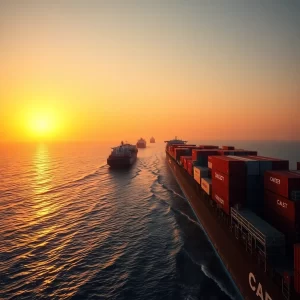
Higher fuel costs directly affect shipping companies’ profits. A large container vessel using 150 to 300 tonnes daily incurs an extra $4,500 to $9,000 in costs for every $30 per tonne MGO rise. This may force slow steaming to conserve fuel, disrupting service schedules and reliability.
Firms without scrubbers bear heavier burdens, as they must use costlier VLSFO or MGO. This intensifies pressure to retrofit fleets or adopt technical adaptations.
IMPACT ON THE LABOUR MARKET
This volatile climate raises demand for specialists in fuel risk management and route optimisation. Bridge officers and chief engineers skilled in efficient engine handling and scrubber operation see enhanced value. Opportunities also grow for trainers and consultants aiding crews and companies in managing technical and logistical complexity.
MACRO CONTEXT
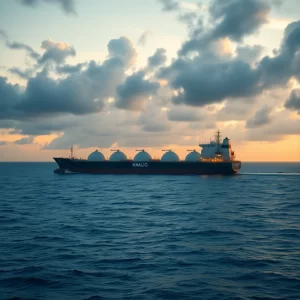
Middle East geopolitics intersects with structural maritime trends. Global environmental rules, like IMO 2020 and future decarbonisation targets, already push alternative fuels. This crisis might hasten transition to Liquefied Natural Gas (LNG) or other energies, though short-term LNG bunker prices in Sines dropped $152 per tonne, indicating a different dynamic in Europe’s gas market.
OUTLOOK
Prices are forecast to stay high and volatile short-term, driven by supply pressure and geopolitical uncertainty. Stabilisation hinges on conflict de-escalation and normalised logistic flows. Meanwhile, shipping lines and port operators must brace for more dynamic and expensive fuel management.
FAQ
What is the scrubber spread? It is the price differential between Heavy Fuel Oil (HSFO) and Very Low Sulphur Fuel Oil (VLSFO). A wider spread means vessels with scrubbers, which can use cheaper HSFO, save more on fuel costs.
Why is MGO LS particularly sensitive to geopolitical crises? MGO LS is a high-quality refined diesel fuel essential for meeting strict emission standards in certain zones. Its production and logistics are more complex, so any disruption in crude supply or refining has an immediate and amplified impact on its price.
How can shipping companies mitigate this cost impact? Strategies include route optimisation, slow steaming, bunkering hedging (forward fuel contracts), and investing in energy efficiency technologies like scrubbers or alternative propulsion. However, each carries its own costs and risks that must be evaluated case by case.
Editorial Note: This article has been professionally adapted from Spanish to British English
for the WishToSail.com international maritime audience. Original article published at
QuieroNavegar.app.