

- Hafnia invests $405 million in eight Medium-Range (MR) product tankers.
- Vessels to be constructed by Hyundai Heavy Industries in South Korea.
- Deliveries scheduled from Q3 2028 to Q2 2029.
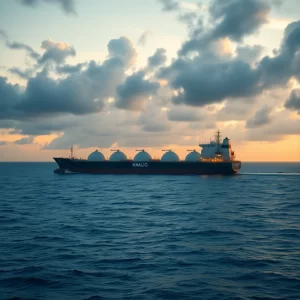
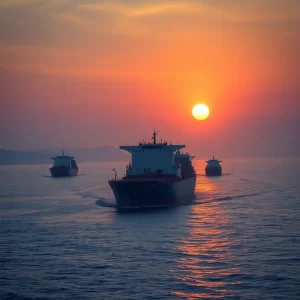
Hafnia Limited, a leading global product tanker operator listed on Oslo and NYSE exchanges, has signed a contract with Hyundai Heavy Industries to build eight MR product tankers. The total investment is $405 million, with vessels set for delivery between the third quarter of 2028 and the second quarter of 2029. This strategic move aims to modernise Hafnia’s fleet amid tightening environmental regulations and rising demand for refined petroleum transport.
Context and Background
Hafnia operates a diverse fleet including MR and LR (Long-Range) vessels, specialising in refined products. This order follows years of a challenging tanker market, marked by overcapacity and low freight rates that have curbed investments. Historically, the last major wave of MR orders occurred over a decade ago, driven by pre-IMO 2020 regulatory changes. Hyundai Heavy Industries, a South Korean shipyard, is a repeat supplier for Hafnia, reflecting a trusted partnership in naval construction.
In-Depth Technical Analysis
MR (Medium-Range) product tankers are designed for regional transport of refined petroleum products like gasoline or diesel, typically with capacities ranging from 25,000 to 55,000 tonnes of deadweight (DWT). This order likely includes advanced features such as improved tank cleaning systems and fuel-efficient engines to reduce emissions and operational costs. The implied unit cost is approximately $50.6 million per vessel, aligning with current newbuild prices for high-specification MR tankers. Compared to 2020, similar orders might have cost around 20% less, due to inflation in materials like steel and integration of green technologies.
The delivery schedule from 2028 to 2029 indicates long-term planning, anticipating a rebound in demand for refined product shipping. Factors like energy transition and refinery expansion in Asia could drive this need, though geopolitical uncertainties add risk.
Concrete Operational Implications
For Hafnia, this fleet renewal enhances operational competitiveness by cutting fuel consumption and CO2 emissions. This translates to lower operating costs and better compliance with IMO (International Maritime Organization) regulations such as the EEXI (Energy Efficiency Existing Ship Index) and CII (Carbon Intensity Indicator). The order creates opportunities for shipyards and technology suppliers, while operators with older fleets may face pressure for costly retrofits. In the short term, construction will stimulate Hyundai’s supply chain, from component manufacturers to port logistics services.
Impact on the Labour Market
This investment generates employment in shipbuilding, with roles for naval engineers, welders, and technicians in South Korea. Once delivered, the vessels will require crews certified under the STCW (Standards of Training, Certification and Watchkeeping for Seafarers) Convention, boosting demand for officers with tanker experience and environmental system knowledge. For maritime professionals, this opens training pathways in modern tanker operations and energy-efficient technologies, where ongoing education is key for career development.
Macro Context
Geopolitical tensions in critical routes like the Strait of Hormuz or South China Sea can affect freight rates and routing for product tankers. Global regulations, including IMO targets for 2030 and 2050 to reduce greenhouse gas emissions, are driving investments in cleaner vessels. Decarbonisation trends could benefit Hafnia if these MR tankers incorporate options for alternative fuels like LNG (liquefied natural gas) or ammonia, though technical details are unspecified. Post-pandemic recovery and shifting oil trade patterns also support demand for flexible transport capacity.
Outlook
This order positions Hafnia to capitalise on a potential rise in MR tanker freight rates, especially if refined product demand grows in emerging economies. Risks include future overcapacity or crude oil price fluctuations that could impact profitability. For investors, Hafnia shows confidence in its model, but maritime investments remain volatile and subject to regulatory shifts. Diversifying into efficient fleets may offer long-term competitive advantages.
FAQ
- Q: What are MR tankers and their primary use?
A: MR (Medium-Range) product tankers are medium-sized vessels, typically with 25,000 to 55,000 tonnes DWT, used to transport refined petroleum products like gasoline or aviation fuel on regional routes. They are essential in the oil derivatives supply chain. - Q: Why is the $405 million investment significant?
A: The total cost of $405 million implies a unit price of about $50.6 million per vessel, reflecting current newbuild standards with efficiency and environmental compliance features. Compared to 2020, prices have risen by approximately 20% due to inflation and advanced system integration. - Q: How does the 2028-2029 delivery schedule affect Hafnia’s strategy?
A: The staggered deliveries from Q3 2028 to Q2 2029 allow Hafnia to manage fleet renewal gradually, synchronising new vessels with potential retirements of older ships. This optimises operational capacity and reduces financial risks from market fluctuations. - Q: What labour opportunities does this investment create?
A: It generates jobs in shipbuilding, maintenance, and maritime operations, particularly for naval engineers, STCW-certified tanker crews, and technicians specialising in energy-efficient systems, offering avenues for specialised training and professional growth.
Editorial Note: This article has been professionally adapted from Spanish to British English
for the WishToSail.com international maritime audience. Original article published at
QuieroNavegar.app.