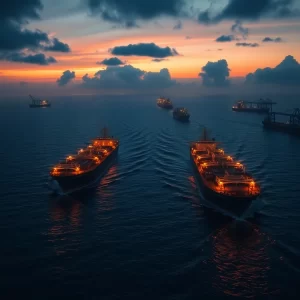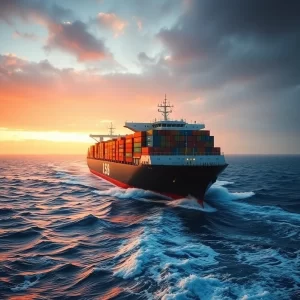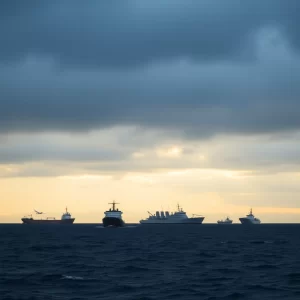

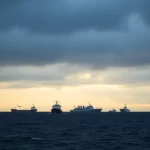


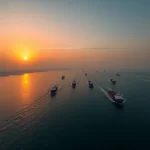
- Daily vessel transits through the Strait of Hormuz have collapsed by 95% to only 5 ships, down from over 50 in stable periods.
- This data was issued by Clarksons Research on 16 March, highlighting severe disruption from geopolitical tensions.
- The decline primarily impacts oil tankers and gas carriers, forcing longer alternative routes and soaring insurance costs.
Clarksons Research has revealed that ship movements through the Strait of Hormuz have plunged by 95% since pre-conflict levels. In an update released on 16 March, the maritime data firm reported an average of just five vessels crossing daily, a dramatic drop from dozens typically recorded. This sharp reduction underscores how escalating regional instability is crippling a critical global trade artery.
Context and Background
The Strait of Hormuz is a strategic maritime chokepoint located between Oman and Iran. It is vital for energy shipping, handling approximately 20% of global crude oil and significant volumes of liquefied natural gas (LNG).
Historically, during stable times, this route saw over 50 vessel transits per day, including VLCCs (Very Large Crude Carriers, oil tankers with capacities exceeding 200,000 tonnes). Clarksons’ historical data confirms this high activity level.
Past Middle East conflicts, such as the Gulf War, have caused similar traffic declines, though rarely as abrupt as the current 95% fall.
In-Depth Technical Analysis
The 95% decrease is measured using AIS (Automatic Identification System, a tracking technology for maritime navigation) and satellite surveillance. Clarksons monitors transits in real time, providing reliable data on global ship movements.
This decline indicates that most shipowners are avoiding the route due to security risks. Affected vessels are primarily oil tankers and gas carriers, now opting for alternatives like circumnavigating Africa, which significantly increases voyage times and costs.
Operationally, the drop to only five daily transits suggests a near-total shutdown. While typical traffic includes dry bulk and container ships, oil transport dominates, implying that companies prioritise safety over logistical efficiency.
Concrete Operational Implications
For shipping firms, this means implementing longer reroutes. A tanker avoiding the strait might add 15-20 days to its journey, raising fuel expenses by thousands of dollars.
Maritime insurance, known as war risk premiums, has surged. Policies for vessels in risk zones now include surcharges that can exceed 100% of the base premium, directly impacting freight profitability.
In ports, reduced traffic affects operations like bunkering (fuel supply) and port services. Ports in Oman and the United Arab Emirates could see decreased revenue from fewer vessel calls.
Impact on the Labour Market
For crew members, especially those on oil tankers, there are risks of temporary layoffs if ships remain idle. However, demand may rise on alternative routes, creating opportunities on vessels in the Indian Ocean or Red Sea.
Professionals with expertise in risk management and navigation in conflict zones will be more valued. Training courses in maritime safety and emergency protocols are likely to see higher enrolment.
On shore, port workers in the Persian Gulf region face job uncertainty. Long-term, if the situation persists, there could be workforce restructuring in logistics companies.
Macro Context
Geopolitically, this decline highlights the fragility of global trade routes. Middle East conflicts have historically influenced oil prices, and this reduction could pressure upward global energy costs.
Regulatory bodies like the IMO (International Maritime Organization) monitor such situations to issue safety guidelines. However, enforcement depends on coastal states and international cooperation.
Trends such as digitalisation in logistics, including AI for route optimisation, gain relevance. Companies are investing in technologies to mitigate risks in unstable areas.
Outlook
Short-term, transits are expected to stay low while tensions persist. Recovery will depend on diplomatic agreements or improvements in maritime security in the region.
From an investment perspective, this scenario might benefit shipowners with fleets diversified across alternative routes. Fuel-efficient vessels will have an advantage given higher operational costs.
For recreational sailors, staying informed about risk zones is crucial. Platforms offering real-time updates can aid in planning safe voyages.
Editorial Note: This article has been professionally adapted from Spanish to British English
for the WishToSail.com international maritime audience. Original article published at
QuieroNavegar.app.