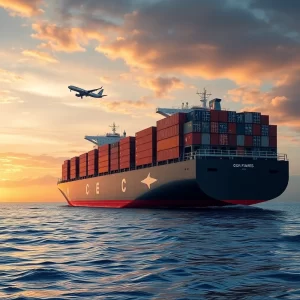
The British ferry ‘Isle of Islay’ has docked in A Coruña since 17 October due to adverse weather conditions encountered during its delivery voyage. This vessel, part of the Calmac Ferries fleet, is scheduled to commence operations in Scotland in March 2024.
Built at Cemre Shipyard in Turkey, the ‘Isle of Islay’ sought refuge in the Spanish port as strong storms threatened its journey. The ferry is expected to remain in A Coruña until 21 October before continuing its journey to join the Islay-Kenncraig route in Scotland.
Context and Background
The ‘Isle of Islay’ is the first of a series of four ferries commissioned by Calmac Ferries, a Scottish company primarily operating in the Inner and Outer Hebrides. Choosing A Coruña as a refuge highlights the strategic importance of Atlantic ports in the delivery routes for new vessels. Such stops are common when vessels face adverse weather conditions, utilising Spanish port infrastructure to ensure the safety of both the ship and its crew.
The construction of these new ferries addresses the need to modernise the Calmac Ferries fleet, which plays a crucial role in the connectivity of the Scottish islands. The new vessels are designed to enhance operational efficiency and reduce environmental impact, aligning with current maritime industry trends towards sustainability.
In-Depth Technical Analysis
Weather Challenges on Delivery Routes
Storms in the North Atlantic present significant challenges for vessels in transit. The selection of routes and refuge ports is critical for risk mitigation. The ‘Isle of Islay’ halted its journey in Almería and subsequently in A Coruña, demonstrating careful planning and the flexibility required to adapt to changing conditions.
Technical Features of the ‘Isle of Islay’
The ferry has been designed with cutting-edge technology to optimise fuel consumption and reduce emissions. Although not detailed in the report, it is likely to incorporate dual-fuel engines capable of operating on cleaner fuels, a growing trend in the sector.
Operational Implications
For industry professionals, the ‘Isle of Islay’ exemplifies how modern vessels are adapting to new environmental regulations. Crew members and officers will need to be trained in the operation of these technologies, presenting opportunities for training and specialisation.
Impact on the Labour Market
The deployment of these new ferries will increase the demand for crews specialised in green technologies. Calmac Ferries is expected to provide training programmes to ensure that its personnel are prepared to operate these state-of-the-art vessels.
Macro Context
The use of refuge ports in delivery routes underscores the importance of logistical planning in the current global context. Port congestion and extreme weather conditions are ongoing challenges that require innovative and flexible solutions.
Outlook
In the short term, the ‘Isle of Islay’ and its sister vessels will enhance the connectivity and sustainability of Scottish routes. Critical factors include the efficient management of maritime traffic in the islands and continuous adaptation to increasingly stringent environmental regulations.
FAQ
- Why did the ‘Isle of Islay’ stop in A Coruña? It sought shelter from a storm during its delivery voyage.
- When will the ‘Isle of Islay’ begin operations in Scotland? It is scheduled to enter service in March 2024.
- What technical improvements does the ‘Isle of Islay’ incorporate? While not detailed, it is expected to include technologies aimed at reducing environmental impact.
This article is based on “The British ferry ‘Isle of Islay’ finds refuge in the port of A Coruña during its delivery voyage” from Acontecer Marítimo archives » Puente de Mando, by Juan Carlos Díaz Lorenzo, available at original link.
Legal Notice: This article is an independent editorial analysis based on public information and technical knowledge of the maritime sector. It does not substitute professional advice nor constitutes specific technical, legal, regulatory, or professional guidance.
Editorial Note: This article has been professionally adapted from Spanish to British English
for the WishToSail.com international maritime audience. Original article published at
QuieroNavegar.app.