Green Future of HMM: Moving Forward with a $2.82 Billion Investment in New Constructions
Innovation Technology and Sustainability: The Pillars of HMM’s New Shipbuilding Program
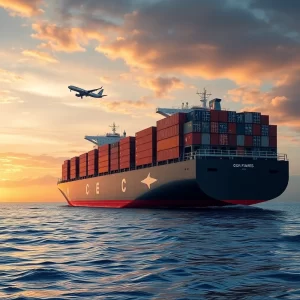
In a strategic move that strengthens its global position, HMM, the leading maritime operator in South Korea, has announced an ambitious shipbuilding program valued at $2.82 billion. This project includes the construction of 12 container ships of 13,000 TEU with dual-fuel LNG (Liquefied Natural Gas) propulsion and two VLCCs (Very Large Crude Carriers). This step represents a significant advance in the company’s commitment to sustainability and technological efficiency. The new vessels, to be built by HD Hyundai Heavy Industries and Hanwha Ocean, stand out not only for their capacity but also for their advanced technology aimed at minimizing emissions. This move underscores HMM’s response to the growing regulatory pressures to reduce greenhouse gas emissions in the maritime sector, both at the level of the IMO (International Maritime Organization) and the European Union. The choice of LNG as an alternative fuel, which dominated new construction orders in 2024 according to Clarksons Research, reinforces HMM’s vision towards a cleaner and more flexible fleet. Nearly 70% of new ship orders that year incorporated this type of fuel, which is recognized for its low environmental impact compared to traditional fuel oil.
Detailed Analysis of HMM’s New Fleet
The shipbuilding program includes a series of features that not only improve operational efficiency but also ensure environmental compliance. The new container ships are designed to optimize performance on key routes between Asia and Europe, as well as in the Transpacific. These sister vessels will be a testament to HMM’s commitment to technological innovation and sustainability. Furthermore, the two VLCCs built for global crude oil transportation will complement HMM’s bulk cargo fleet diversification. This expansion not only strengthens the company’s crude oil transportation capacity but also expands its operational flexibility in different maritime transport sectors. This significant increase in HMM’s fleet capacity and diversity is fundamental to its 2030 strategy. The company seeks a balance between competitiveness and sustainability, foreseeing an increasingly regulated and climate change-aware environment.
Strategic Vision: Preparing the Fleet for the Future
The investment in new constructions is part of HMM’s medium and long-term strategy to anticipate global market volatility, changing trade patterns, and an increasingly stringent regulatory landscape on carbon emissions. Diversification of fuel types and ship classes is key to remaining competitive in multiple maritime transport sectors. HMM’s focus on a future-ready fleet is not just a response to current market demands but a strategic bet to ensure its leadership position in the near future. With this initiative, the company not only improves its ability to respond to market fluctuations but also strengthens its commitment to environmental sustainability. This proactive approach not only benefits HMM in commercial and operational terms but also offers opportunities to industry professionals looking to develop their careers in a company that paves the way for a greener future in the maritime industry.
Opportunities and Professional Horizon: A Call to Action
For merchant navy professionals and maritime investors, HMM’s new construction program not only represents technological advancement but also a platform for job opportunities. The fleet expansion will increase the demand for highly qualified personnel in technical and operational areas, opening new paths for professional development. Furthermore, for nautical enthusiasts, witnessing this industry advancement taps into the interest in more sustainable and efficient technologies. The transition to alternative fuels and cleaner fleets is a turning point that redefines the future of maritime transport. As HMM progresses in its commitment to sustainability and innovation, it invites interested parties to be part of this impressive journey towards industry transformation. Those interested in joining the HMM team should consider sending their applications to the companies involved in this revolutionary project.
Conclusion: A New Era for HMM and the Maritime Industry
HMM’s initiative to significantly invest in new constructions not only strengthens its global footprint but also sets a precedent for the entire industry. With a focus on sustainability, innovation, and diversification, the company is well positioned to face future challenges in the maritime sector. This new construction program not only complies with current regulations but anticipates a cultural shift towards more responsible practices in the use of energy resources. Investment in advanced technology and alternative fuels gives HMM a competitive advantage, ensuring its leadership in a dynamic global market. The commitment to a more sustainable future in maritime transport is not only a necessity but an opportunity to transform the industry and foster a more inclusive and environmentally conscious environment. HMM leads this change, paving the way for innovation that many will surely follow.