Green Innovation and Sustainability in Mediterranean Cruise Navigation
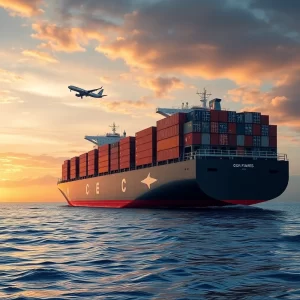
The maritime industry, known for its significant carbon footprint, is at a turning point towards more sustainable practices. In this context, the recent biofuel supply operation carried out by World Fuel Services and its partners marks a crucial milestone in the transition towards cleaner energy sources. This event took place in the port of Piraeus, Greece, where the Norwegian Viva cruise ship of Norwegian Cruise Line Holdings (NCLH) was fueled with biofuels derived from waste, breaking barriers towards decarbonization of the sector.
- Biofuels based on waste offer a double impact solution: they reduce CO2 emissions and promote the circular economy by reusing waste that would otherwise contribute to pollution.
- The collaboration with EKO, a local Greek provider, not only highlights the commitment of these companies to the environment but also sets a precedent that could influence fuel supply practices throughout the Mediterranean region.
For the maritime community, this initiative is significant for several reasons. Firstly, it demonstrates the viability of biofuels on real commercial routes, critical for green technology investors to assess profitability. Secondly, it enables shipping companies to comply with increasingly strict environmental regulations, positioning them as leaders in ecological responsibility. Lastly, this initiative opens up job opportunities in the alternative fuel sector, a growing niche that will demand specialized professionals in the coming years.
Strategic Collaboration: A Path to Immediate Results
The success of this operation lies in the strategic collaboration between World Fuel Services, NCLH, and EKO. Kimberly Westmoreland, Senior Director of Cruises and Energy Transition at World Fuel, emphasized the importance of this collaboration in providing certified alternative fuels to the cruise industry. Such partnerships are essential to turn access to low-carbon fuels into tangible progress.
The integration of biofuels into NCLH’s Sail & Sustain strategy is a clear example of how shipping companies can scale sustainable solutions across their fleets. By joining forces with providers like EKO, NCLH not only accelerates its decarbonization efforts but also extends its positive impact to new geographies.
The synergy between these companies serves as a model for other maritime industries seeking to meet international carbon reduction goals. Companies looking to replicate this success must consider not only the availability of biofuels but also the need to establish strategic partnerships to ensure a constant and efficient supply globally.
EKO: Market Preparation for the Future of Alternative Fuels
EKO, a company within the HELLENiQ ENERGY group, is an example of how local providers can play a crucial role in the transition to sustainable fuels. Since 1984, EKO has been a leading supplier of marine fuels and lubricants in Greece. Its ability to integrate biofuels into its offering demonstrates the Mediterranean market’s maturity in handling alternative fuel supplies.
Chrisanthopoulos Konstantinos, Manager of the Marine Fuels and Services Division at EKO, stated that local adoption of biofuels is an important step towards greater acceptance across the region. This case study presents an opportunity for ports and fuel providers to reinvent their operations and attract a new segment of sustainability-focused customers.
Furthermore, it underscores the importance of investing in adaptable infrastructure and cutting-edge logistics services to ensure the success of these green initiatives.
Norwegian Cruise Line’s Commitment to Sustainability
Norwegian Cruise Line Holdings Ltd. (NCLH) is a pioneer in adopting sustainable measures within the cruise industry. Their global sustainability program, Sail & Sustain, drives their commitment to a positive impact on society and the environment, focusing on efficiency, innovation, and collaboration.
- NCLH is firmly committed to achieving net-zero greenhouse gas emissions by 2050, backed by significant investments in efficiency technologies and the adoption of alternative fuels like biodiesel.
- The use of biofuels is part of NCLH’s ongoing effort to integrate low-emission solutions across its fleet, with successful biofuel operations in Europe.
For sailing professionals and enthusiasts, this commitment presents an opportunity to engage in an evolving industry at the forefront of sustainability. It encourages those interested to consider careers in companies like NCLH, leading the way towards a greener future in maritime travel.
World Fuel Services: Facilitating Global Change
World Fuel Services, a World Kinect company, stands out as a reliable provider of comprehensive fuel solutions and operational services worldwide. Based in Miami, Florida, the company acts as a critical link between producers of sustainable fuels and maritime customers committed to decarbonization.
The success of the Piraeus operation highlights World Fuel Services’ ability to connect operators with certified and sustainable fuel solutions, regardless of complexity.