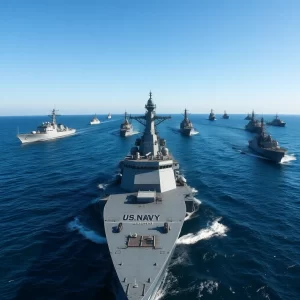
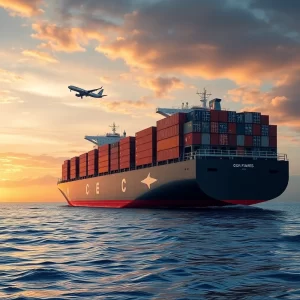
- Over 16 commercial vessels attacked since 28 February 2026, with 5 incidents on 11 March alone.
- Traffic through the Strait of Hormuz falls to 2 daily crossings, a 33% drop from the previous day.
- Alternative routes absorb diverted flows: Bab el-Mandeb up 62.5%, Suez Canal up 63%, Cape of Good Hope up 7.5%.
Commercial shipping in the Gulf region faces severe disruption after coordinated attacks began on 28 February 2026. A peak on 11 March targeted multiple vessels, forcing a major rerouting of global maritime traffic. This crisis, linked to escalating tensions between Iran and U.S.-Israeli forces, has paralysed the critical Strait of Hormuz and redirected flows to longer but safer passages.
CONTEXT AND BACKGROUND
The Strait of Hormuz is a vital chokepoint, handling around 20% of global oil shipments. Historically, interruptions here trigger immediate spikes in crude prices and shipping rates. Since late February 2026, the region has seen over 16 vessels attacked, including tankers, container ships, and bulk carriers.
This high-risk environment has led insurers to withdraw coverage for Gulf operations, worsening the shutdown. Similar disruptions in past conflicts highlight the fragility of this maritime artery.
IN-DEPTH TECHNICAL ANALYSIS
Traffic Collapse in the Strait of Hormuz
On 11 March, only two outbound crossings were recorded in the Strait of Hormuz, with no inbound traffic. This marks a 33% decrease from the previous day and starkly contrasts with historical averages. The paralysis stems from direct attacks, military engagements, and insurance withdrawal.
Operationally, shipowners must reroute vessels in real-time, increasing fuel costs and transit times. Vessels like the tanker SAFESEA VISHNU, attacked in Iraqi waters, face extreme risks.
AIS Spoofing and Signal Manipulation
Iranian tankers from Kharg Island are using AIS spoofing techniques. AIS, or Automatic Identification System, is a mandatory tracking system that transmits a vessel’s position, course, and speed.
Spoofing involves falsifying these signals to show deceptive locations, such as circular patterns in the Gulf of Oman while the ship is in port. This complicates maritime surveillance and raises collision risks.
Global Route Adaptation
As Hormuz stalls, alternative routes absorb diverted traffic. Bab el-Mandeb saw a 62.5% increase in crossings, the Suez Canal 63%, and the Cape of Good Hope 7.5%. Operators prefer longer but safer paths.
For example, rerouting via the Cape of Good Hope adds 10-15 days to Asia-Europe voyages, boosting bunker (marine fuel) demand and operational costs.
CONCRETE OPERATIONAL IMPLICATIONS
Gulf ports, such as Jebel Ali in the UAE, report massive delays with a 316.67% rise in transshipment rollovers. Outside the region, ports like Salalah in Oman see delays 343% above the weekly average.
In energy logistics, Saudi Arabia accelerates crude exports via the Petroline pipeline to the Yanbu terminal on the Red Sea, bypassing Hormuz. This reduces dependency but requires land infrastructure investment.
Iranian exports from Kharg Island have fallen 51.7%, from 2.04 million barrels per day to 0.98 million. This reduction impacts global crude markets and could push prices higher if prolonged.
IMPACT ON THE LABOUR MARKET
For crews, personal risk has escalated. Incidents like the bulk carrier MAYUREE NAREE, with an engine room fire and missing personnel, underscore the dangers. This may increase demand for life insurance and risk compensation.
Professionally, there will be greater need for maritime security experts, AIS intelligence analysts, and alternative route planners. Bridge officers and captains require training in asymmetric threat evasion protocols.
MACRO CONTEXT
Geopolitically, these attacks reflect an escalation in Iranian tactics aimed at disrupting global energy trade. Normatively, bodies like the IMO (International Maritime Organization) might strengthen guidelines for conflict zones, though enforcement is complex.
Trends show a fragmentation of global shipping routes, similar to the Red Sea vessel crisis of 2023-2024. This increases volatility in logistics costs and commodity prices.
OUTLOOK
Short-term, traffic through Hormuz is expected to remain minimal until security improves. Alternative routes will stay congested, potentially raising freight rates on key lanes like Asia-Mediterranean.
If attacks persist, we could see a permanent reconfiguration of some supply chains, with increased use of pipelines and multimodal transport. Investors in Red Sea and East African port infrastructure might find opportunities.
Any investment decisions in this sector should be based on personalised research, given the high and volatile geopolitical risks.
FAQ
Below are answers to common technical questions based on the current maritime crisis.
Editorial Note: This article has been professionally adapted from Spanish to British English
for the WishToSail.com international maritime audience. Original article published at
QuieroNavegar.app.