- HJ Shipbuilding won a contract worth 353.2 billion won (approx. €260 million) for two 11,000 TEU eco-friendly container vessels.
- The deal marks a historic resurgence for the Yeongdo shipyard in Busan after nearly 90 years of inactivity in major newbuilds.
- It is expected to generate around 500 direct jobs in South Korea and highlights mid-sized yards’ shift towards green specialisation.
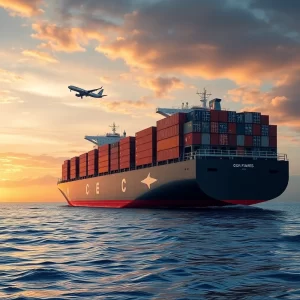
HJ Shipbuilding & Construction has recently clinched a significant contract from an undisclosed European shipping line. The order involves constructing two container ships with eco-friendly designs, each with a capacity of 11,000 TEU (twenty-foot equivalent unit, the standard container measure), valued at approximately €260 million. This achievement revitalises the historic Yeongdo shipyard in Busan, South Korea, and reflects the maritime industry’s push towards sustainable operations.
CONTEXT AND BACKGROUND
The Yeongdo shipyard in Busan has a history dating back to the 1930s, but in recent decades, it has faced intense competition from giants like Hyundai and Daewoo Shipbuilding & Marine Engineering (DSME). Traditionally, mid-sized Korean yards focused on repairs and smaller vessels, but the 2008 financial crisis prompted restructuring across the sector.
Since 2020, specialisation in eco-friendly ships has gained traction, driven by International Maritime Organization (IMO) regulations that mandate sulphur emission reductions. This trend has allowed niche players to find profitability in a crowded market.
IN-DEPTH TECHNICAL ANALYSIS
The 11,000 TEU vessels are Panamax class, designed with a maximum length of 294.1 metres and beam of 32.3 metres to transit the original Panama Canal, optimising transoceanic routes. Their eco-friendly design incorporates technologies such as low-speed engines, exhaust gas scrubbers, or the use of alternative fuels like LNG (liquefied natural gas).
These features can reduce fuel oil consumption by up to 20% compared to older models, aligning with stricter environmental standards. The contract value of 353.2 billion won places the unit cost at around €130 million per ship, a competitive price for vessels of this size.
Despite a 15% drop in container freight rates in 2023, demand for efficient ships remains high due to long-term operational cost savings. This underscores the market’s focus on lifecycle economics rather than short-term fluctuations.
CONCRETE OPERATIONAL IMPLICATIONS
For HJ Shipbuilding, this order means reactivating production lines at the Yeongdo facility, requiring upgrades in robotic welding and quality control systems. Operationally, eco-friendly vessels can reduce port time by complying faster with environmental regulations, benefiting shipping lines operating in emission control areas like Northern Europe.
This development may encourage other mid-sized shipyards to invest in green technologies. Conversely, owners of older fleets built before 2020 could face higher adaptation costs, such as increased maintenance expenses to meet new standards.
IMPACT ON THE LABOUR MARKET
The contract is projected to create about 500 direct jobs in South Korea, specialised in naval engineering, maritime electronics, and advanced welding. At a training level, an increase in STCW (Standards of Training, Certification and Watchkeeping) courses focused on eco-systems is anticipated.
For seafarers, this creates opportunities in roles like engineering officers with knowledge in LNG and energy efficiency, while captains will need to adapt to new monitoring interfaces. Salaries in these niches could rise by 10-15% due to heightened demand.
MACRO CONTEXT
Geopolitically, South Korea competes with China and Japan in shipbuilding, where government subsidies rose by 10% in 2023. Globally, regulations like the IMO’s Energy Efficiency Existing Ship Index (EEXI) require a 40% reduction in carbon intensity by 2030, spurring orders for efficient vessels.
Industry trends show overcapacity in the container sector, with the global fleet growing at 3% annually. However, eco-friendly ships now represent 30% of new orders, according to data from Clarksons, highlighting a shift towards sustainability.
OUTLOOK
HJ Shipbuilding could attract more orders from European lines seeking to comply with the EU Green Deal. In the short term, other mid-sized yards in countries like Turkey or Vietnam may emulate this specialisation strategy.
Risks include fluctuations in steel prices, which have increased by 5% this year, potentially affecting profitability. Investors should monitor indices like the Baltic Dry Index, which fell by 20% in 2023, indicating pressure on freight rates.
FAQ
Editorial Note: This article has been professionally adapted from Spanish to British English
for the WishToSail.com international maritime audience. Original article published at
QuieroNavegar.app.