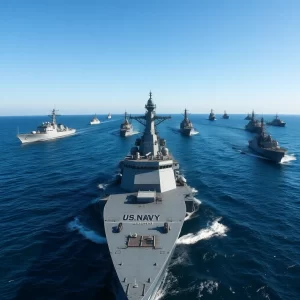
Piracy and armed robbery continue to pose significant threats to global maritime security, as highlighted by a recent report. These illegal activities, clearly differentiated by the United Nations Convention on the Law of the Sea (UNCLOS), demand a sustained and coordinated approach for their mitigation.
Context and Background
The resurgence of piracy in critical regions such as the Gulf of Guinea and Southeast Asia has underscored the urgent need for effective maritime security strategies. Piracy, as defined by UNCLOS, encompasses any illegal act of violence or detention on the high seas and has evolved over the years, adapting to new technologies and security tactics. Historically, spikes in pirate activity have coincided with regional political and economic instability, highlighting the importance of a coordinated and multifaceted approach.
In-Depth Technical Analysis
Key Definitions and Distinctions
It is essential to differentiate between piracy and armed robbery, as each presents different legal and operational challenges. Piracy occurs on the high seas and is subject to international law, while armed robbery typically occurs in territorial waters and falls under the jurisdiction of the coastal state. Understanding these differences is crucial for designing appropriate response strategies.
Sustainable Approaches in the Fight Against Piracy
A sustainable approach involves international cooperation, strengthening local capacities, and employing advanced technology. The implementation of maritime surveillance systems, the use of armed escorts, and crew training are measures that have proven effective. Furthermore, building capacities in coastal states to manage their own territorial waters is essential for a long-term solution.
Concrete Operational Implications
What Changes for Industry Professionals
For captains and crews, this translates into an increased need for training in security and incident response protocols. Shipowners must consider investments in security technology and potentially higher insurance costs. Port operators need to enhance their security procedures to mitigate onshore risks.
Impact on the Job Market
This context raises the demand for professionals with skills in maritime security, such as vessel protection officers. Additionally, private security companies may see an uptick in demand for their services, creating job opportunities in this sector.
Geopolitical and Macro-Environmental Layer
Global trade is affected by piracy, as shipping routes must be adjusted to avoid high-risk areas, which can increase transportation costs and impact supply chain efficiency. International cooperation and initiatives such as the Djibouti Code of Conduct are essential for effectively addressing these threats.
Outlook
In the short term, implementing stricter security measures is crucial for reducing the incidence of attacks. In the long term, the focus should include developing local capacities and international cooperation to address the underlying causes of piracy, such as poverty and lack of effective governance.
FAQ
- What is the difference between piracy and armed robbery? Piracy occurs on the high seas and is governed by international law, while armed robbery takes place in territorial waters under the jurisdiction of the coastal state.
- What measures can shipowners take to protect their vessels? Shipowners can invest in security technology, hire armed escorts, and train their crews in incident response protocols.
- How does piracy affect global trade? It increases transportation costs by necessitating longer routes and higher insurance premiums, thereby affecting supply chain efficiency.
This article is based on “A Sustainable Approach to Counter Piracy and Armed Robbery?” from the Center for International Maritime Security, accessible via the original link.
Legal Notice: This article is an independent editorial analysis based on public information and technical knowledge of the maritime sector. It does not substitute for consultation with qualified professionals and does not constitute specific technical, legal, regulatory, or professional advice.
Editorial Note: This article has been professionally adapted from Spanish to British English
for the WishToSail.com international maritime audience. Original article published at
QuieroNavegar.app.