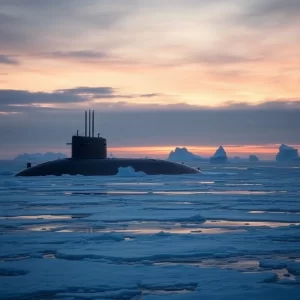


- Russian citizen detained in St. Petersburg in April 2026 for attempting to smuggle engine parts for Project 636.3 Varshavyanka submarines.
- Charged under Article 189 of the Russian Penal Code with a potential prison sentence of 3 to 7 years.
- Varshavyanka submarines, known as Improved Kilo, are operated by Russia, China, Algeria, and Vietnam for their stealth capabilities.
In April 2026, Russian authorities in St. Petersburg arrested a local citizen for trying to illegally export engine components for elite Varshavyanka submarines to a foreign entity. This case highlights persistent threats to naval technological security and efforts to safeguard critical military secrets during tense geopolitical times.
Context and Background
The Project 636.3 Varshavyanka submarines, designated as Improved Kilo by NATO, are diesel-electric vessels (powered by diesel engines on surface and batteries underwater) designed by the Central Design Bureau MT Rubin. They are famed for acoustic stealth, making detection challenging and operations valuable.
This incident follows a precedent in March 2026, when a Russian engineer received a three-year prison term for transferring technical documentation on similar submarine parts abroad.
These submarines see widespread use by the Russian Navy and other nations like China, Algeria, and Vietnam, boosting external interest in their advanced technology.
In-Depth Technical Analysis
Engine parts are vital for diesel-electric submarines such as the Varshavyanka. Illegal export risks compromising propulsion systems, reducing efficiency, and directly impairing stealth.
These engines often include advanced silencing technologies that minimise acoustic signatures. Loss of such secrets could weaken Russia’s edge in undersea warfare.
From a naval engineering view, part integrity is crucial for regular maintenance, involving dry dock inspections and performance tests to ensure operational readiness.
Concrete Operational Implications
Russia is likely to tighten security at ports and shipyards handling naval repairs. Access to restricted areas may become more controlled.
For navies operating Varshavyanka submarines, like Vietnam’s, genuine part shortages could slow missions if legal supply chains are interrupted.
Port operators and agents in Russian-influenced regions must boost vigilance over sensitive cargo, adapting to stricter rules and compliance measures.
Impact on the Labour Market
Naval engineers and maintenance technicians may face tougher background checks and mandatory security training. This heightens scrutiny on personnel in defence-linked roles.
Opportunities arise in audit and compliance jobs within the maritime sector, particularly for firms working with military projects.
However, legal uncertainties might deter talent from entering military technology fields, potentially skewing the labour pool.
Macro Context
Geopolitically, this reflects naval tech rivalry, with Western powers seeking Russian advances to counter them. It underscores ongoing strategic competition.
Global export control regimes, such as the Wassenaar Arrangement, restrict dual-use tech transfer, but incidents reveal enforcement gaps needing address.
Trends like port digitalisation could integrate traceability systems to curb smuggling, though adding costs to logistics and operations.
Outlook
Short-term, expect more Russian investigations and possible law changes to stiffen penalties for illegal exports, aiming to deter future breaches.
Investors might eye firms developing security solutions, such as port monitoring sensors, as demand for anti-smuggling tech grows.
Long-term, submarine innovation may accelerate with designs more resistant to reverse engineering, but this requires significant research and carries inherent risks.
FAQ
Editorial Note: This article has been professionally adapted from Spanish to British English
for the WishToSail.com international maritime audience. Original article published at
QuieroNavegar.app.