Sustainable Innovation in Bunkering: First Deliveries of B100 Biofuel in Singapore
Introduction to a Necessary Change
The maritime industry is facing one of its greatest challenges: reducing carbon emissions and transitioning to more sustainable fuels. In this context, the recent delivery of B100 biofuel by Golden Island to two Maersk vessels in Singapore marks a significant milestone. These operations not only underscore the viability of biofuels in the maritime sector but also position Singapore as a leader in low-carbon bunkering.
Golden Island, known for its innovation in marine fuel supply, has completed the first large-scale deliveries of B100 biofuel in Asia. This fuel, derived entirely from used cooking oil, represents a sustainable alternative that does not require modifications to ship engines. This article explores how these deliveries can transform the future of bunkering, highlighting the key role of strategic collaborations and the importance of adopting alternative fuels. In addition, it considers the implications for maritime professionals, investors, and enthusiasts looking to understand emerging opportunities in this field.
A Decisive Step: Strategic Collaboration
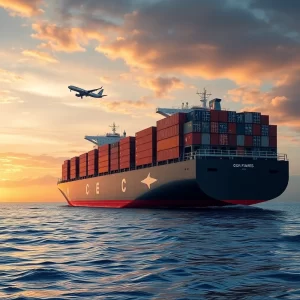
The partnership between Golden Island and Maersk has enabled these initial deliveries to be carried out successfully. This strategic collaboration demonstrates how the joint efforts of ship operators and fuel providers can accelerate emissions reduction in the maritime sector. For Maersk, the adoption of waste-based biofuels is a crucial part of its strategy to immediately reduce emissions. This aligns with its goal of diversifying its portfolio of alternative fuels, including methanol and ammonia. Golden Island has highlighted the importance of these partnerships, emphasizing that only through collaboration can global sustainability challenges be addressed. The successful delivery of 900 and 2,900 metric tons of biofuel to the ESTELLE MAERSK and MAERSK AMAZON vessels, respectively, represents a significant advancement on this path.
B100 Biofuel: A Waste-Based Solution
The B100 biofuel used in these operations is derived entirely from used cooking oil. This type of biofuel, known as UCOME (Used Cooking Oil Methyl Ester), offers a significant reduction in greenhouse gas emissions during its lifecycle. As a marine fuel “drop-in,” B100 allows operators like Maersk to apply emissions reductions immediately. This makes it complementary to longer-term transitions to other emerging fuels such as methanol and bio-methanol. The ability to supply certified and sustainable biofuels on a large scale highlights Golden Island’s readiness to support the transition to a low-carbon future, backed by expanding technical and operational capabilities.
Singapore’s Role as a Multi-Fuel Hub
The successful deliveries of B100 reinforce Singapore’s ambition to establish itself as a multi-fuel bunkering hub. This approach will enable the offering of a full range of low-carbon alternatives, including biofuels, methanol, and future fuels. Golden Island has emphasized that these operations are part of a broader roadmap to expand the availability of biofuels and strengthen Singapore’s position as a global leader in cleaner bunkering solutions. This effort is aligned with Singapore’s vision to become a global center for sustainable energy supply, thus promoting energy transition and reducing the global carbon footprint.
Capacity Expansion for a Low-Carbon Future
Golden Island’s achievement is preceded by continuous investments in assets ready for alternative fuels and strategies to support its customers’ decarbonization commitments. As more global operators increase demand for waste-based biofuels, Golden Island’s ability to handle, certify, and deliver products like B100 will be crucial in the next phase of Singapore’s energy transition. The company plans to continue strengthening its supply chain resilience, certification capabilities, and operational readiness to meet the growing demand for sustainable fuels in Asia’s largest marine energy market. These actions not only support the decarbonization goals of its partners and customers but also ensure that Singapore maintains its competitive advantage in the global maritime sector.
Golden Island: A Tradition of Innovation in the Market
Since its founding in 1982, Golden Island has been a pioneer in fuel transitions in the world’s largest bunkering port. In 2019, the company was the first provider in Singapore to offer low-sulfur content fuel, ahead of the IMO 2020 deadline. With ISCC EU certification, Golden Island is setting the pace for the transition to a low-carbon future, ensuring a secure, compliant, and scalable supply of methanol along with conventional and biofuels. The ability to anticipate legislative and market changes has been key to adopting innovative solutions, positioning Golden Island as a global leader in sustainable bunkering.
Conclusion: Opportunities and Reflections for the Maritime Sector
The delivery of B100 biofuel to Maersk vessels by Golden Island represents not only a significant technical advancement but also offers multiple opportunities for maritime professionals. This development is a call to action for all those interested in being part of the sustainable bunkering revolution. For investors, this innovation in marine fuel supply underlines the growth potential in the renewable energy sector and the opportunity to position themselves in an expanding market. Moreover, for sailors and enthusiasts, it opens the door to a future of sustainable navigation, actively contributing to the protection of the marine environment. Those interested in exploring more about these opportunities may consider joining companies like Maersk or Golden Island, who are at the forefront of this change. Submitting a resume or seeking collaborations could be the first step towards a professional future in low-carbon bunkering. Thus, the transition towards