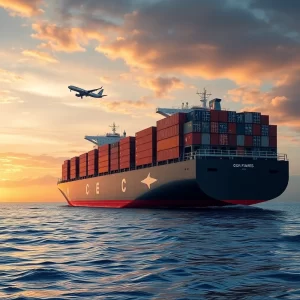
The Future of the Maritime Access Systems Market: Innovations and Job Opportunities until 2034
In a world where the maritime sector is increasingly crucial for global trade and resource transportation, the maritime access systems market is emerging as an area of growing interest. According to the report “Marine Access Systems Market Size, Share, Trends, Analysis, and Forecast 2025-2034,” the market, which is currently valued at 3.13 billion dollars in 2025, is projected to reach 4.69 billion dollars by 2034. This growth reflects a significant compound annual growth rate (CAGR) of 6%.
Technological Innovations in Maritime Access Systems
Technological innovations in the field of maritime access systems are transforming the way offshore platforms, vessels, and ports are operated and managed. One of the standout areas is the development of automatic gangways and advanced mooring systems. These systems not only improve efficiency in loading and unloading operations but also enhance the safety of onboard personnel by minimizing the risk of accidents during access and disembarkation.
- Automatic gangways and advanced mooring systems are revolutionizing maritime access.
- New technologies are enhancing operational efficiency and safety.
The rise of automation and the use of artificial intelligence in these systems represent a paradigm shift. The latest developments allow for seamless communication between vessels and port structures, automatically adjusting positions based on weather conditions and currents. This not only improves operational efficiency but also significantly reduces waiting time in port, a critical factor for maritime carriers and offshore platform operators. Additionally, access systems are becoming more sustainable through the use of eco-friendly materials and efficient energy solutions.
Opportunities for Industry Professionals
The growth of the maritime access systems market not only signifies industrial expansion but also a significant opportunity for industry professionals. The demand for engineers specializing in new access technologies, such as artificial intelligence and big data, is on the rise. Moreover, operators and technicians with experience in automatic and sustainable systems will be increasingly sought after.
- Industry professionals are in high demand in the growing maritime access sector.
- Companies like Rolls Royce Marine and Wartsila are leading the way in technology development.
For those looking to transition into this expanding area, now is the ideal time to acquire new skills. Many industry leaders, recognizing the gap in advanced technological skills, are implementing training and professional development programs to attract and equip the right talent. This not only offers opportunities for professional growth but also ensures that the workforce is well-prepared to face future challenges.
Impact on Global Trade and Maritime Transport
The enhanced efficiency and safety of maritime access systems have a direct impact on global trade and maritime transport. More agile operations reduce the time needed for goods movement, resulting in lower operating costs and higher profit margins for transport companies. This, in turn, can lead to more competitive prices for end consumers.
- Efficient maritime access systems lead to lower operational costs and increased profitability.
- Improved systems benefit offshore drilling and production platforms by reducing downtime.
The ability to manage loads more efficiently is also crucial for offshore drilling and production platforms. By reducing downtime due to access issues, companies can increase production, which is particularly relevant in remote areas or adverse climates where every minute counts. Finally, the improvement in access systems contributes to greater sustainability in the maritime sector. By optimizing resource use and reducing energy consumption, the environmental impact is minimized, aligning with international regulations promoting eco-friendly practices in maritime transport.
Relevance to Our Readers
This technological advancement offers a direct opportunity for professional growth for engineers, technicians, and operators looking to specialize in these new technologies. For maritime investors, the maritime access systems market represents a sector with high profit potential due to its projected growth and widespread adoption of advanced technology. Lastly, for sailors and nautical enthusiasts, these systems offer improvements in safety and efficiency that can positively impact their sailing experiences.
In conclusion, the maritime access systems market is on an exciting growth trajectory, driven by technological innovations and an increase in global demand. This is an ideal time for professionals, investors, and sector enthusiasts to explore the opportunities offered by this evolving market. For those interested in delving deeper into this topic and finding new opportunities, the evolution of these systems promises to continue offering notable advances in the years to come.