The Green Milestone: U-Ming Marine Transport Leads the Way in Maritime Sustainability with First B24 Biofuel Bunkering in Singapore
The maritime industry, traditionally one of the largest carbon emitters, is embarking on significant changes to mitigate its environmental impact. An exemplary effort in reducing carbon emissions is the recent initiative by U-Ming Marine Transport Corporation, a key bulk carrier operator in Asia and a part of Taiwan’s Far Eastern Group. This transition is not only essential to meet global sustainability goals but also represents a milestone in the journey towards greener maritime transportation.
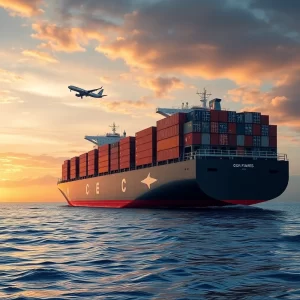
- On July 24, 2025, the MV Asian Progress, a 64,000-ton deadweight vessel owned by U-Ming, completed its first biofuel B24 bunkering in the port of Singapore.
- This achievement underscores the company’s commitment to sustainable innovation and signifies a pivotal move towards a more eco-friendly maritime sector.
- Collaborating with TFG MARINE PTE LTD, U-Ming received 300 metric tons of biofuel B24, highlighting the increasing trend of industry partnerships to adopt cleaner and more sustainable technologies.
Biofuel B24: A Practical Solution for Decarbonization
Biofuel B24 consists of 24% fatty acid methyl ester (FAME) biodiesel blended with conventional marine diesel. This renewable fuel significantly reduces carbon emissions throughout its lifecycle, offering a 20% decrease in emissions from production to consumption. The ease of adoption, with minimal modifications required for existing ship engines or fuel systems, makes biofuel B24 a practical and immediate solution for decarbonization in the maritime sector.
U-Ming’s strategic shift towards biofuels aligns with its ambitious goals, aiming for a substantial increase in low-carbon fuel usage by 2030 and achieving net-zero emissions by 2050. Recognizing the practical limitations of other technologies like liquefied natural gas (LNG), especially for smaller vessels, U-Ming’s experimentation with biofuels on ultra-flexible ships paves the way for scalable and efficient decarbonization.
Technical Details of the MV Asian Progress
The MV Asian Progress, a state-of-the-art Ultramax bulk carrier, was launched on March 10, 2025, and constructed by New Ocean Shipbuilding Co., Ltd. Designed to surpass the Energy Efficiency Design Index (EEDI) standards set by the International Maritime Organization (IMO), the vessel leads in efficiency and sustainability.
- The hull coating technology Hempel X8 reduces marine fouling and fuel consumption by 5% to 8%.
- The Fleet Safety Management (FSM) system developed by U-Ming provides real-time data transmission for energy performance monitoring.
- The vessel holds the “LNG-Ready” classification, ensuring fuel flexibility for long-term use.
These technological innovations not only enhance the vessel’s operational efficiency but also set a new benchmark for sustainable maritime transport.
Benefits and Relevance for Industry Professionals
U-Ming’s adoption of biofuel B24 offers significant benefits and relevance to various segments of the maritime industry:
- For merchant navy professionals, this advancement presents an opportunity to gain expertise in emerging technologies shaping the sector and opens doors to new career prospects.
- For maritime investors, U-Ming’s sustainability commitment signals industry trends and prepares for future environmental regulations, enhancing long-term investment prospects.
- For nautical enthusiasts, biofuel usage signifies progress towards a cleaner, sustainable maritime future, crucial for ocean preservation and climate change mitigation.
The Future of Global Maritime Transport: Towards a Greener Model
The successful biofuel B24 bunkering on the MV Asian Progress exemplifies the maritime sector’s evolution to address current environmental challenges. This milestone not only underscores U-Ming’s dedication but also urges the global maritime industry to embrace more sustainable solutions.
As U-Ming expands its green fleet, a rise in low-carbon fuel usage and innovative technologies will promote cleaner and more efficient operations. This transition not only benefits the environment but also enhances competitiveness and resilience against future regulations.
The journey towards sustainability in maritime transport is challenging yet imperative. Investments in clean technologies and eco-friendly practices are crucial for a future where maritime transport remains viable, efficient, and environmentally friendly. The industry stands at a turning point, urging all stakeholders to collaborate and advocate for lasting positive change.