The Green Revolution in Maritime Industry
In a bold step towards decarbonizing the maritime industry, Mitsui O.S.K. Lines, Ltd. (MOL), one of the world’s largest shipping companies, has signed a Memorandum of Understanding (MoU) with NH3 Clean Energy Limited and Oceania Marine Energy. This strategic collaboration aims to establish the first large-scale ammonia bunkering center in the Pilbara region, Western Australia. This innovative project seeks to revolutionize the supply of clean maritime fuels, marking a milestone in oceanic navigation history.
Ammonia, known for its potential as a carbon-free fuel, is gaining ground as a viable alternative for the global shipping industry seeking to reduce its greenhouse gas emissions. The choice of Pilbara as the strategic location for this hub is no coincidence. Pilbara is renowned for its deep iron ore export ports, which play a crucial role in energy trade with Asia. The integration of ammonia into the bunkering operations of this region has the potential to transform its port value chain. This effort not only positions MOL at the forefront of maritime innovation but also strengthens Western Australia’s emerging leadership in clean energy.
The Pilbara region is thus positioned as a key node in the global renewable energy network, promoting a transition towards more sustainable practices in the maritime sector.
Expanding Horizons: The First Ammonia Bunkering Project
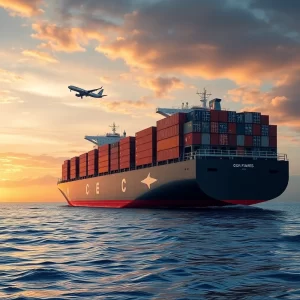
This tripartite agreement sets a precedent in the maritime industry, being the first formal involvement of a shipping company in an ammonia-based project. The Pilbara Clean Fuels Bunkering Hub, an initiative conceived by the Pilbara Ports Authority, aims to supply low-carbon ammonia as marine fuel, thereby promoting emissions reduction throughout the iron ore export chain. The strategic importance of Pilbara lies in its Dampier and Port Hedland ports, considered vital for bulk carriers transporting iron ore to Asian markets.
By integrating ammonia fuel into its bunkering infrastructure, the region not only reduces its emissions but also aligns with the decarbonization goals of the International Maritime Organization (IMO). This innovative project represents a significant job opportunity for professionals in the maritime and renewable energy sectors.
- MOL is partnering with NH3 Clean Energy Limited
- The project aims to revolutionize maritime fuel supply
- Pilbara’s strategic ports play a crucial role in the initiative
A Powerful Alliance: NH3, Oceania, and MOL
The signing of the MoU in the presence of key industry figures, such as Kazuhiro Takahashi from MOL and Charles Whitfield from NH3, symbolizes the power of international collaboration to achieve a decarbonized future. The confluence of expertise in clean ammonia production, bunkering infrastructure, and maritime operations aims to develop a safe and commercially viable ammonia bunkering ecosystem by 2030.
Oceania Marine Energy plays a crucial role in the operational implementation of this infrastructure. Their vessel, the Oceania α, specially designed, will facilitate the supply of low-carbon ammonia to ships operating in the Australia-Asia maritime corridor.
This integrated approach will enable Australian iron ore exporters and international shipowners to align with IMO’s net-zero emissions ambitions.
The WAH2 Project: Driving Energy Transition in Asia
NH3 Clean Energy, with its flagship WAH2 project, aims to supply low-emission ammonia to the Asia-Pacific markets. Utilizing renewable energy sources wherever possible, the WAH2 project aims to be a key supplier for Japan and South Korea in the growing market for clean maritime fuels.
These types of projects are not only relevant to the naval industry but also offer enormous opportunities for experts in renewable energy and clean technology. Participation in such initiatives can be a significant professional springboard for those looking to become pioneers in global energy transition.
Safety, Innovation, and Environmental Commitment
Safety in handling ammonia, given its toxicity and volatility, is a priority for the project’s success. The companies involved have agreed to work together on the development of rigorous safety protocols, essential to secure regulatory approvals and stakeholder trust.
MOL’s commitment to sustainability aligns with its corporate strategies, including providing value through secure transportation infrastructure, preserving the global marine ecosystem, and advancing technological development in navigation. This project represents a fundamental shift in the future operation of global maritime transportation.
Conclusion: A Promising Future for Maritime Fuel
The coalition between MOL, NH3 Clean Energy, and Oceania Marine Energy not only sets a historic precedent but also places the Pilbara region and Australia at the forefront of the shift towards more sustainable fuels in the maritime industry. This advancement represents an unprecedented opportunity for