The Rise of Piracy in the Gulf of Guinea: A Challenge for International Maritime Security
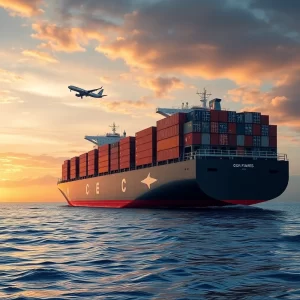
The recent attack on the LPG tanker CGAS Saturn, a vessel under the flag of Madeira and owned by the shipping company Christiania Gas, has once again highlighted the growing threat of piracy in the Gulf of Guinea. The incident, which took place on December 3, about 50 miles south of Mbini (Equatorial Guinea), resulted in the kidnapping of nine sailors and one injured crew member. This event underscores the vulnerability of maritime routes in a region that, despite its natural resources, is plagued by insecurity.
The tactics employed by the pirates in this assault highlight a concerning level of organization and audacity. According to reports from several maritime security companies, the attackers, after boarding the CGAS Saturn, gathered the crew and stole their personal belongings before fleeing with the hostages. The quick and well-coordinated action of the pirates left the second and third officers, a deck officer, and a mechanic on board, who managed to take the ship to safer waters. Christiania Gas, through a statement, expressed deep concern for the safety of its sailors. While the relevant authorities coordinate a rescue plan, the company maintains constant contact with the families of the kidnapped to provide support in these critical times. This dedicated response reveals the importance of crisis management in high-risk environments, and the need for effective protocols to safeguard the well-being of crews.
The Increase of Piracy in the Gulf of Guinea: A Recurring Problem
Statistics from the International Maritime Bureau (IMB) reveal a troubling increase in piracy incidents in the Gulf of Guinea, rising from 12 incidents between January and September 2024 to 15 in the same period of 2025. This 25% increase reflects a worrying trend that requires urgent attention from the international community, as it is a key global trade route. Of the 15 incidents recorded, 10 occurred in territorial waters and were classified as armed robberies, while five were explicitly defined as acts of piracy. These acts not only threaten the safety of crews but also undermine global trade and the local economy.
Maritime companies face a dual dilemma: ensuring the security of their operations without incurring prohibitive costs associated with additional security measures. In this context, it is imperative that stakeholders in the maritime sector, including shipping companies, operators, and governments, implement joint strategies to combat this scourge. The creation of secure transit corridors, international cooperation, and the improvement of response capabilities to maritime incidents are crucial measures to mitigate the impact of piracy.
Innovation in Maritime Security: An Opportunity Amid Crisis
Facing the growing threat, technological innovations emerge as a valuable resource to enhance security on maritime routes. The use of drones for aerial surveillance, early warning systems, and secure communication networks are some of the technological solutions that shipping companies are evaluating to protect their crews and cargo. These technologies not only offer significant potential to increase security but also open up new job opportunities in the maritime sector. Cybersecurity specialists, drone operators, and data analysts are increasingly in demand by shipping companies looking to strengthen their defenses against piracy.
Companies like Christiania Gas could benefit from these innovations, not only improving the security of their operations but also embracing a proactive approach that could be decisive in protecting personnel and assets. Investing in security technology can also mean a competitive advantage in a market increasingly concerned about security.
Implications for the Maritime Community: A Call to Action
The attack on the CGAS Saturn illustrates the reality of the dangers that maritime professionals face daily. Despite the risks, the courage and dedication of the maritime community are commendable. However, it is essential that conflicts in the Gulf of Guinea receive the necessary attention and resources to prevent the region from falling into a state of chronic insecurity. For sailors and professionals in merchant marine, being aware of best security practices and staying informed about the situation in dangerous areas is crucial.
Participating in ongoing training on security and crisis management can be a valuable asset for any professional in the sector. Finally, as shipping companies continue to seek solutions to protect their crews, joint efforts from governments, maritime organizations, and investment in advanced technology will be vital to restore security and confidence in one of the world’s most important maritime routes.
Conclusion: Facing the Challenge of the Maritime Future
The challenge presented by maritime security in the Gulf of Guinea is not simply a regional problem but a matter of global importance that requires a concerted and definitive response. The maritime community must come together in a coordinated effort to implement effective and sustainable solutions that safeguard human life and protect international trade. As piracy incidents continue, the nautical industry is called to evolve and adapt to this new reality.
Investing in technology, improving response capabilities, and strengthening international partnerships are essential steps towards a safer future for all navigating these waters. For professionals in the maritime sector, this moment represents an opportunity to innovate and lead the way towards safer operational practices. By facing these challenges with determination and collaboration, the maritime industry can ensure a future where piracy is a threat of the past, thus contributing to growth and prosperity in the affected regions.