The Role of Ammonia Logistics in Maritime Decarbonization
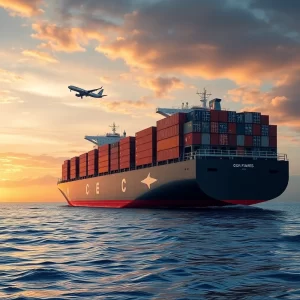
The maritime sector is moving towards a more sustainable future, and the recent successful ship-to-ship (STS) transfer of liquefied ammonia near Ceuta represents a significant milestone. Led by NYK Line, this initiative marks a crucial advance in the logistics of this emerging fuel, with the potential to revolutionize the industry by reducing emissions. The transfer operation, which took place last September, involved the Berlian Ekuator and Eco Enchanted vessels and was carried out under strict international safety protocols. This achievement highlights the versatility of the STS method, providing more flexible alternatives to traditional port infrastructures, which is essential in regions without specialized ammonia terminals. Not only does this success reinforce NYK Line’s position in the maritime sector, but it also underscores the growing interest in ammonia as a green fuel. This innovation opens up a range of job and business opportunities for industry professionals, who can contribute to the development of new routes and logistics techniques.
- Ammonia: The Fuel of the Maritime Future
The choice of ammonia as a marine fuel stems from its ability to offer carbon-free combustion, making it a key player in decarbonization strategies. As the industry looks for viable alternatives to fossil fuels, ammonia emerges as a promising option, especially for long ocean voyages where space and weight are critical considerations. Ammonia is particularly attractive due to the abundance of its raw material and the technological advances that facilitate its production and transportation. Furthermore, when considering the entire fuel life cycle — from production to final use — ammonia offers significant advantages in terms of greenhouse gas emissions. This development is relevant for maritime investors, who see ammonia as a sustainable investment opportunity. Additionally, advances in its logistics allow for expanding its applications in different maritime scenarios, promoting a greener and more conscious ecosystem.
- Technology and Safety in Ammonia Transfer
The key to success in ammonia transfer lies in technological and operational collaboration. In this operation, industry leaders such as Mitsui & Co. and Trammo, Inc. played fundamental roles in commercial coordination and operational supervision, respectively. Safety management was supported by International Fender Providers Ltd., ensuring that each step was carried out without incidents. The implementation of advanced technologies allows for safe and efficient STS operations. Safety management systems and specialized equipment for these transfers ensure that strict protocols are followed, minimizing risks for both personnel and the environment. For merchant mariners, these developments offer new avenues for specialization and training. Understanding the technology behind these operations is crucial to improving safety and efficiency in future implementations.
- Next Steps and Future Opportunities
Looking towards the future reveals a landscape of ongoing innovations in the field of maritime ammonia. NYK Line, with its rich experience and commitment to sustainability, plans to leverage the knowledge gained to further perfect its capabilities in handling next-generation fuels. The success in Ceuta lays the groundwork for future ammonia transfer operations, fostering the creation of a global network of flexible and efficient supply. This expansion is key to meeting the growing demand for clean fuel and could be a long-term solution for emissions reduction in maritime transport. Finally, for those interested in being part of this transformation, the companies involved in these operations are open to receiving resumes. As the industry adapts to this new era of green fuels, job and innovation opportunities are waiting to be explored.
- Conclusion: The Relevance of Innovation in the Maritime Sector
This advancement in ammonia logistics is an inspiring example of how innovation and collaboration can drive significant transformations in the maritime sector. The use of ammonia not only represents a viable solution for decarbonization but also poses new economic and professional opportunities. For sailors and nautical enthusiasts, adopting ammonia as a fuel offers an exciting way to participate in a movement towards a more sustainable maritime future. Additionally, merchant marine professionals and maritime investors are facing a unique opportunity to lead the change towards more ecological practices. In summary, the transition to cleaner maritime transport is inevitable, and the ammonia transfer operation near Ceuta is a clear example of the direction the industry is taking. Now more than ever, it is time to get involved and contribute to this transformative change.