The Success of Singapore in Validating TR 129 Standard for Methanol Bunkering: A Revolutionary Advancement in the Maritime Sector
Introduction to the TR 129 Standard: A New Horizon for Methanol Bunkering
On the 28th of November 2025, a significant milestone was achieved in the maritime industry as the Maritime and Port Authority of Singapore (MPA) successfully completed the validation of the TR 129 standard for methanol bunkering. This technical standard is a set of rigorous norms designed to ensure safety and efficiency in methanol bunkering operations, a fuel that is gaining popularity as a sustainable alternative to traditional fossil fuels. The port of Singapore, known for its innovation and leadership in the bunkering sector, aimed to establish TR 129 as a benchmark for the safe supply of methanol. This step is crucial not only for the global adoption of methanol but also to position Singapore as a key hub for multifaceted and sustainable fuels. The successful validation of TR 129 focused on four key areas: safety procedures, custody transfer requirements, operational and safety protocols, and personnel competencies. Each of these aspects was verified during the test, providing confidence to shipowners and suppliers looking to adopt methanol on a large scale.
Validation of the Mass Flow Metering (MFM) System: A Crucial Technical Step
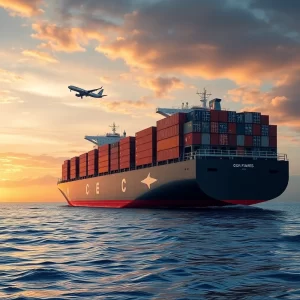
The TR 129 standard trial included the validation of the Mass Flow Metering (MFM) System, a key technological innovation to ensure accuracy and transparency in the measurement of supplied fuels. During the operation, 3,012 metric tons of methanol were transferred from the bunkering tanker MT Kara to the container ship Antonio Maersk. The MFM, considered the cornerstone of bunkering integrity in Singapore, underwent rigorous testing to verify its accuracy. This technology not only allows for precise measurements but also provides greater peace of mind to all parties involved in the complex bunkering operations. The methanol bunkering operation was carried out even beyond daylight hours, demonstrating the feasibility of safe and continuous 24-hour operations, reinforcing the flexibility and effectiveness of the TR 129 standard in variable and demanding conditions.
Strengthening Singapore’s Ambition as a Hub for Multifaceted Fuels
The validation of the TR 129 standard aligns with the MPA’s decision to grant three methanol bunkering licenses, effective from 1st January 2026, further consolidating Singapore’s position as a regulated center for alternative fuels. The port is thus preparing to lead the transition towards a more sustainable maritime sector, expanding its options for eco-friendly fuels. This initiative not only represents a step in the right direction for the sustainability of the maritime sector but also opens up new job and research opportunities for professionals in the field. Companies like Global Energy Trading Pte Ltd (GET) and Stellar Shipmanagement Services Pte Ltd have already demonstrated their commitment and expertise in implementing these new standards. Singapore’s focus on developing a robust and adaptable infrastructure for different fuels illustrates its future vision, backed by its track record as a leader in innovation in the global maritime industry.
The Methanol Bunkering Experience of Global Energy Trading
Global Energy Trading Pte Ltd (GET) is a pioneering company in the methanol bunkering sector and has been one of the first to secure a methanol bunkering license in Singapore. GET, along with its parent company Global Energy Group, has positioned itself as a comprehensive provider of marine services, contributing to the shift in naval energy paradigms. The company not only offers methanol supply services but also provides advice on sustainable practices and regulatory compliance. These capabilities place it in a unique position to lead the change towards cleaner fuels in the global maritime transportation industry. The deployment of dedicated methanol bunkering vessels reinforces GET’s commitment to sustainability and highlights its ability to adapt to changes in energy demand within the maritime sector.
The Strategic Role of Stellar Shipmanagement Services
Stellar Shipmanagement Services Pte Ltd plays a vital role in the technical management of tankers dedicated to methanol bunkering operations. With a strong experience since 1992, Stellar has maintained high standards of operation and safety, adapting to changing regulations like the TR 129 standard. The company specializes in managing highly skilled crews and ensuring that its vessels comply with the requirements of major oil companies, positioning them at the forefront of ship management in the evolving bunkering landscape. Stellar’s commitment to quality and safety in its operations reinforces the confidence of maritime operators in adopting new technologies and alternative fuels, ensuring a more sustainable future for the sector.
Conclusion: Opportunities and Challenges of Methanol Bunkering
The validation of the TR 129 standard for methanol bunkering in Singapore represents a significant step towards the adoption of sustainable marine fuels. This standard not only ensures safe and efficient operations but also establishes a reference framework for other global ports looking to integrate methanol into their operations. For investors and professionals in the maritime sector, this innovation offers significant opportunities, from the development of new infrastructures to job creation in specific areas of bunkering and fuel management. Additionally, the adoption of technologies like the MFM ensures unprecedented transparency and operational efficiency. Singapore has once again demonstrated its leadership in the transition towards a more sustainable maritime future. Professionals and companies in the sector are invited to join this wave of innovation, exploring new ways to actively participate in this change. Investing in knowledge and technology is key to being at the forefront of sustainable maritime practices.