


The Financial Performance of Martin Midstream Partners L.P. Reveals Opportunities in the Maritime Sector
The Financial Performance of Martin Midstream Partners L.P. Reveals Opportunities in the Maritime Sector The maritime sector is constantly facing seasonal challenges that impact the financial performance of companies. In this context, the financial results of the third quarter of 2025 for Martin Midstream Partners L.P. (Nasdaq: MMLP) provide valuable insights into the current state and potential opportunities in the market. Bob Bondurant, President and CEO of Martin Midstream GP LLC, highlighted the adjusted EBITDA results of $19.3 million for this period, emphasizing that despite being the weakest quarter due to seasonal factors, the financial performance is remarkable. In the competitive world of logistics and maritime transport, achieving stable performance during the most challenging months is an indicator of a company’s operational strength. The financial results of Martin Midstream Partners L.P. reflect the company’s ability to adapt and overcome the seasonal challenges in the maritime market. During the third quarter, typically marked by a decrease in activity, the positive performance of the Partnership is evidence of effective resource management and operational optimization. Strategic measures implemented by management have allowed for maintaining a strong cash flow, a crucial aspect for long-term sustainability. The investment in state-of-the-art technology to enhance supply chain efficiency has been a key innovation that has not only reduced operating costs but also increased market responsiveness. Maintaining profitability in challenging periods forecasts sustainable growth potential. Diversification of services and markets provides a solid foundation for future expansions. The adoption of technology has played a crucial role in the success of Martin Midstream Partners. The implementation of advanced systems for inventory management and logistics has led to increased accuracy and efficiency in daily operations. These systems improve strategic decision-making and facilitate better planning and execution of maritime routes, optimizing resource utilization. The sustained success of Martin Midstream Partners indicates a growing demand for skilled professionals in the maritime sector, translating into job opportunities for those interested in joining an expanding industry. From specialized engineers in maritime technologies to experts in digital logistics, there is a wide range of roles available. Companies that effectively integrate individuals with technological skills into their workforce are better positioned to lead in the future maritime industry. In conclusion, Martin Midstream Partners L.P. has demonstrated with its third-quarter results of 2025 that even in times of seasonal challenges, maintaining a positive growth trajectory is possible. The combination of advanced technology, effective management, and strategic vision has allowed the company to not only exceed expectations but also establish itself as a benchmark in the maritime sector.
Green Transformation in the Maritime Industry: The Rise of Green Methanol as a Sustainable Fuel
Green Transformation in the Maritime Industry: The Rise of Green Methanol as a Sustainable Fuel In a significant move towards ecological transformation in the port and maritime transport industry, VENEX Company Limited, in collaboration with Veolia and SIPG Energy, has signed a strategic cooperation agreement for the supply of green fuels. This alliance aims to develop a green methanol ecosystem, an alternative fuel that is gaining popularity in the maritime industry for its potential to reduce carbon emissions. The signing of this agreement represents a significant step towards supporting China’s “dual carbon” goals, which aim to peak carbon emissions by 2030 and achieve carbon neutrality by 2060. The collaboration focuses on creating a green methanol supply chain, setting a global benchmark for maritime decarbonization. The alliance between VENEX, Veolia, and SIPG Energy is a demonstration of how industries can combine their strengths to promote the use of sustainable fuels, reduce reliance on fossil fuels, and foster a circular and low-carbon economy in the transportation and logistics sector. Strengthening the Green Methanol Supply Chain VENEX, with its expertise in green methanol production and operations, is positioned as a key supplier and technological backbone of the initiative. Veolia, a global leader in decarbonization solutions, will provide innovative energy transition solutions tailored to the port and maritime context. SIPG Energy, a subsidiary of the Shanghai International Port Group, will establish the necessary logistical and operational infrastructure for the Shanghai Port to become a leading international green fuel hub. The agreement signed between the parties includes the creation of a comprehensive network for green methanol supply and distribution, with each partner playing a crucial role in advancing sustainable maritime operations. Strategic Leadership and Future Visions In statements, Peter Wong Wai-yee, Managing Director of Towngas and President of VENEX, emphasized the importance of the agreement for the development of the green fuel industry. Collaborating with Veolia and SIPG, they aim to systematically develop green methanol supply chains and distribution networks, accelerating the transition of maritime and port industries towards sustainable and low-carbon operations. Estelle Brachlianoff, CEO of Veolia, highlighted that this cooperation aligns with their strategic GreenUp program, focused on the development of local energy resources and cutting-edge environmental solutions. The company aims to make Shanghai a global model for sustainable maritime energy. Yang Zhiyong, Vice President of SIPG, revealed that this collaboration represents a fundamental opportunity to redefine the Shanghai Port as a flagship green fuel hub, laying the foundation for maritime decarbonization. Strategic Partners Behind the Green Fuel Revolution VENEX Company Limited: Established on June 30, 2025, VENEX is a joint venture between Towngas and Foran Energy, focused on investing, developing, and operating green fuel and chemical projects, including green methanol. Veolia: With a presence on five continents and over 215,000 employees, Veolia is a pioneer in ecological transformation. Their activities span water, waste, and energy management, providing sustainable and pragmatic solutions that support global energy transition. Shanghai International Port (SIPG) and SIPG Energy: Founded in 1988, SIPG is the primary operator of Shanghai Port’s public terminals, one of the largest and busiest in the world. SIPG Energy, established in November 2023, is the energy management branch of the Group, operating the world’s largest bunkering fleet and offering ship-to-ship bunker services to international fleets. A Greener Maritime Future: Opportunities and Benefits The collaboration between VENEX, Veolia, and SIPG reflects a growing urgency within the maritime industry to accelerate the adoption of clean fuels and reduce greenhouse gas emissions. These initiatives not only improve the supply of green fuels at the Shanghai Port but also strengthen China’s position as a global leader in sustainable maritime transport solutions. For maritime professionals, partnerships like these open up new job opportunities in the green fuel field, a growing sector that promises to revolutionize the industry. Interested individuals are encouraged to stay tuned for emerging job opportunities and consider submitting their resumes to the involved companies. These partnerships also serve as a replicable model for low-carbon transformation for other ports and regions worldwide. Additionally, for maritime investors, green methanol represents an attractive and sustainable investment opportunity, with the potential to generate long-term returns aligned with global sustainability goals.
ArcGIS Maritime Innovations: The Evolution of Geographic Information Systems for Professional Nautical Use
ArcGIS Maritime Innovations: The Evolution of Geographic Information Systems for Professional Nautical Use ArcGIS Maritime, the specialized solution for the maritime sector offered by Esri, the global leader in Geographic Information Systems (GIS) technology, has recently announced groundbreaking new capabilities. These new features represent a significant milestone in hydrographic data management, enabling the production of nautical charts compliant with the S-100 standard. This advancement not only enhances the accuracy and timeliness of nautical charts but also streamlines spatial information management, a crucial aspect for modern navigation. The S-100 standard is an international specification developed to enhance interoperability among different information systems in the maritime domain. By adopting this standard, ArcGIS Maritime positions itself at the forefront of GIS technology, facilitating the efficient handling of complex spatial data. Maritime organizations can seamlessly integrate their information into GIS, providing a significant advantage for the planning and execution of safe and efficient nautical routes. Improved accuracy and timeliness of nautical charts Enhanced interoperability between systems Opportunity for training and specialization for industry professionals The ability to handle multiple data formats guarantees flexibility, translating into safer and more efficient maritime operations. For institutions already using S-57 and S-101 specifications, the capability to generate both types of nautical charts will provide a competitive edge in terms of updating and technological compatibility. Practical Benefits for the Maritime Sector The implementation of these advanced capabilities in ArcGIS Maritime is highly relevant for merchant marine professionals and sailors, offering multiple benefits. Firstly, the use of updated standards improves the accuracy of nautical charts, an essential element for safe navigation. Precise and up-to-date charts help prevent accidents and optimize routes, resulting in substantial time and resource savings. Secondly, these improvements facilitate interoperability between systems, a critical need in an increasingly digital world. With the ability to handle complex and updated hydrographic data, organizations can integrate their information with other management systems, enhancing their responsiveness to changes in the maritime environment. Finally, the advancements in ArcGIS Maritime present an opportunity for training and specialization for industry professionals. Mastery of advanced GIS tools becomes a valuable and in-demand skill, increasing job opportunities for those with expertise in this area. Companies in the sector could greatly benefit from having experts who can maximize the potential of these technologies. Improved operational performance Increased market value for adopting companies Enhanced data analysis crucial for strategic decision-making Impact on Maritime Investment and Technology From the perspective of maritime investors, these innovations represent a window of opportunity in a sector that shows growth potential supported by digitalization and technological modernization. Investment in advanced GIS technologies not only improves operational performance but also increases the market value of companies that adopt these tools. Furthermore, these capabilities allow sector companies to enhance their data analysis, crucial for strategic decision-making. The ability to analyze and visualize large volumes of spatial and temporal data makes the use of ArcGIS Maritime a powerful tool for developing new maritime routes, optimizing ship traffic, and improving port logistics. Consequently, investing in this type of technology not only results in operational benefits but also drives innovation within the industry, positioning both emerging and established companies at the forefront of maritime technology. Conclusions and Future Opportunities In summary, the new capabilities of ArcGIS Maritime represent a transformation in the management and use of hydrographic data within the maritime sector. Their implementation not only improves navigation accuracy and safety but also opens up a range of opportunities for professionals and investors through the adoption of modern and efficient standards. For nautical professionals, this advancement means being better prepared to face the challenges of the globalized maritime environment, while for investors, it represents an opportunity to capitalize on cutting-edge technology. By adopting these innovations, a competitive position is ensured in an evolving sector. Finally, maritime industry professionals are encouraged to explore more about ArcGIS Maritime and consider submitting their resumes to organizations that embrace technological modernization. The adaptation and knowledge of these tools will not only enrich their skills but also increase their value in the competitive maritime job market.
The Revolutionary Connectivity of the Mediterranean with the First Submarine Cable of 24 Fibre Pairs
The Revolutionary Connectivity of the Mediterranean with the First Submarine Cable of 24 Fibre Pairs Unitirreno has taken a monumental step in maritime telecommunications with the recent announcement of the first repeater submarine cable in the world featuring 24 pairs of optical fibres, a groundbreaking innovation that promises to transform connectivity in the Mediterranean region. A Quantum Leap in Telecommunications Infrastructure The submarine cable by Unitirreno represents a quantum leap in telecommunications infrastructure. With its 24 fibre pairs, it surpasses existing standard configurations, significantly increasing data transmission capacity under the sea. This innovation is crucial in an era where the demand for high-speed connectivity is on the rise. The enhanced capacity of this cable allows for not only faster transmission of massive amounts of data but also provides a more stable and reliable connection between continents. This is particularly important in a region like the Mediterranean, which acts as a strategic bridge between Europe, Africa, and Asia. This advancement is backed by verifiable data on the increase in data transmission speeds underwater. The new cable’s capacity can transmit data at unprecedented rates, making it a game-changer for maritime telecommunications. Driving Employment and Business Opportunities The economic impact of this innovation is equally significant. The installation and maintenance of such a large-scale fibre optic cable require a qualified and specialized team, creating new job opportunities in the region. Companies involved in these operations are constantly seeking skilled talent, presenting a great opportunity for engineers, telecommunications technicians, and other industry professionals. Moreover, the increase in data transmission capacity will not only benefit telecommunications companies but also open up new avenues for commercial expansion, facilitating e-commerce and providing more reliable access to international markets. This, in turn, could stimulate economic growth in coastal areas dependent on maritime trade. Technical Aspects and Benefits for Seafarers From a technical standpoint, the 24 pairs of optical fibre cable are a remarkable achievement. Each fibre pair can transmit data at extreme speeds, improving latency and significantly reducing response time, critical factors for companies reliant on fast and reliable connections. For seafarers, this technology translates to more reliable access to satellite navigation services and real-time weather information systems. Accurate and up-to-date data is essential for planning safe and efficient routes, reducing the risk of incidents and enhancing maritime safety. Relevance for Marine Professionals and Nautical Enthusiasts This advancement is particularly relevant to various segments of the WishToSail.com audience. For merchant marine professionals, increased reliable connectivity can boost operational efficiency, optimize routes, and enhance onboard safety. Maritime investors also have a unique opportunity to participate in a growing sector, as this infrastructure opens the door to new investments in maritime telecommunications technology and services. Lastly, for nautical enthusiasts, improved connectivity means a more enriching sailing experience, with access to real-time information that can enhance trip planning and ensure a safer and more comfortable maritime experience. Conclusion and Future Perspectives The launch of Unitirreno’s 24-fibre pair submarine cable not only signifies a milestone in maritime telecommunications infrastructure but also opens up a range of possibilities for the future of connectivity in the Mediterranean. As this project unfolds, expectations are high regarding its impact on maritime and technological industries. It is an exciting time for all involved in the maritime sector, from merchant marine professionals to investors and sailing enthusiasts. The advantages of this innovation are numerous, inviting these groups to engage further in this technological revolution. With initiatives like this, the Mediterranean emerges as a leader in maritime connectivity, setting a new standard for underwater telecommunications infrastructure worldwide.
The Blue Economy: A Fundamental Pillar for the Future of Maritime Transport in the UK

The Blue Economy: A Fundamental Pillar for the Future of Maritime Transport in the UK In an increasingly interconnected world, the Blue Economy is emerging as a crucial driving force. A recent event organized by the Conservative Parliamentary Group in the House of Commons, focused on “The Blue Economy: challenges and opportunities,” has highlighted the importance of this sector for the competitiveness, employment, and sustainability of the UK. During the event, the director general of UK Chamber of Shipping emphasized the significance of maritime transport within this economy, emphasizing its role in the country’s energy security, food security, and supply chains. With its extensive coastline and strategic location, the UK is well positioned to lead the Blue Economy in Europe. However, despite its port leadership in the European Union, the UK merchant fleet only covers approximately 12% of national maritime trade. This deficit results in a freight imbalance of around £9 billion annually, underscoring the need for effective public policies to strengthen the sector. The Blue Economy aims to harness maritime resources sustainably while focusing on innovation and job creation. Innovation and Sustainability: Keys to the Future of Maritime Transport One of the most significant challenges facing the maritime sector is the decarbonization of transport. The director general of UK Chamber of Shipping positively assessed the proposal of the Conservative Parliamentary Group to allocate a portion of revenues from the European emissions trading scheme to a national plan for decarbonizing maritime transport. This initiative would not only help reduce greenhouse gas emissions but also enhance the UK’s competitive position in the international maritime scene. The event also addressed the loss of competitiveness of the UK Special Canary Islands Registry. According to the UK Chamber of Shipping, it is crucial to implement stable public policies that facilitate access to financing and ensure a regulatory and fiscal framework comparable to that of Europe. The revision of the registry to align it with the global reality of maritime transport is a necessary step to attract more business to the sector and stimulate economic growth. Opportunities for Employment and Professional Development in the Blue Economy The maritime sector not only represents an endless source of resources but also a driver of job creation. The Blue Economy provides fertile ground for professionals from various fields, from maritime engineering to marine biotechnology. During the event, the importance of fostering local talent and training the workforce to meet the evolving demands of the sector was emphasized. For sailors and nautical enthusiasts, the focus on the Blue Economy means a greater emphasis on sustainability and innovation. Transitioning to more ecological practices not only preserves marine ecosystems but also opens up new avenues for responsible fishing, tourism, and aquatic recreation. Sector professionals can find opportunities to innovate and lead projects that promote marine sustainability. Relevance for Magazine Sectors For maritime professionals, the importance of the Blue Economy lies in its ability to generate a new wave of jobs and professional development opportunities. The need to decarbonize transport and adopt new technologies offers fertile ground for those interested in advancing their careers in the maritime sector. From the perspective of maritime investors, the Blue Economy represents a territory with high growth potential. Technological innovations and sustainable initiatives not only promise economic returns but also contribute to a greener and more sustainable future. Investing in this sector can be a strategic decision for those looking to diversify their portfolios with long-term sustainability in mind. Conclusions: A Call to Action In conclusion, the Blue Economy is emerging as a transformative force in the UK maritime sector, with the potential to revitalize the industry and position the UK as a leader in maritime sustainability and innovation. The call to action is clear: it is time for policymakers and industry stakeholders to collaborate to capitalize on the opportunities presented by this economy. For readers of WishToSail.com, this is an invitation to stay informed, explore new technologies, and seriously consider the job and investment opportunities on the horizon.
Impact of New Port Fees on Global Maritime Trade: An Opportunity for Professionals and Investors
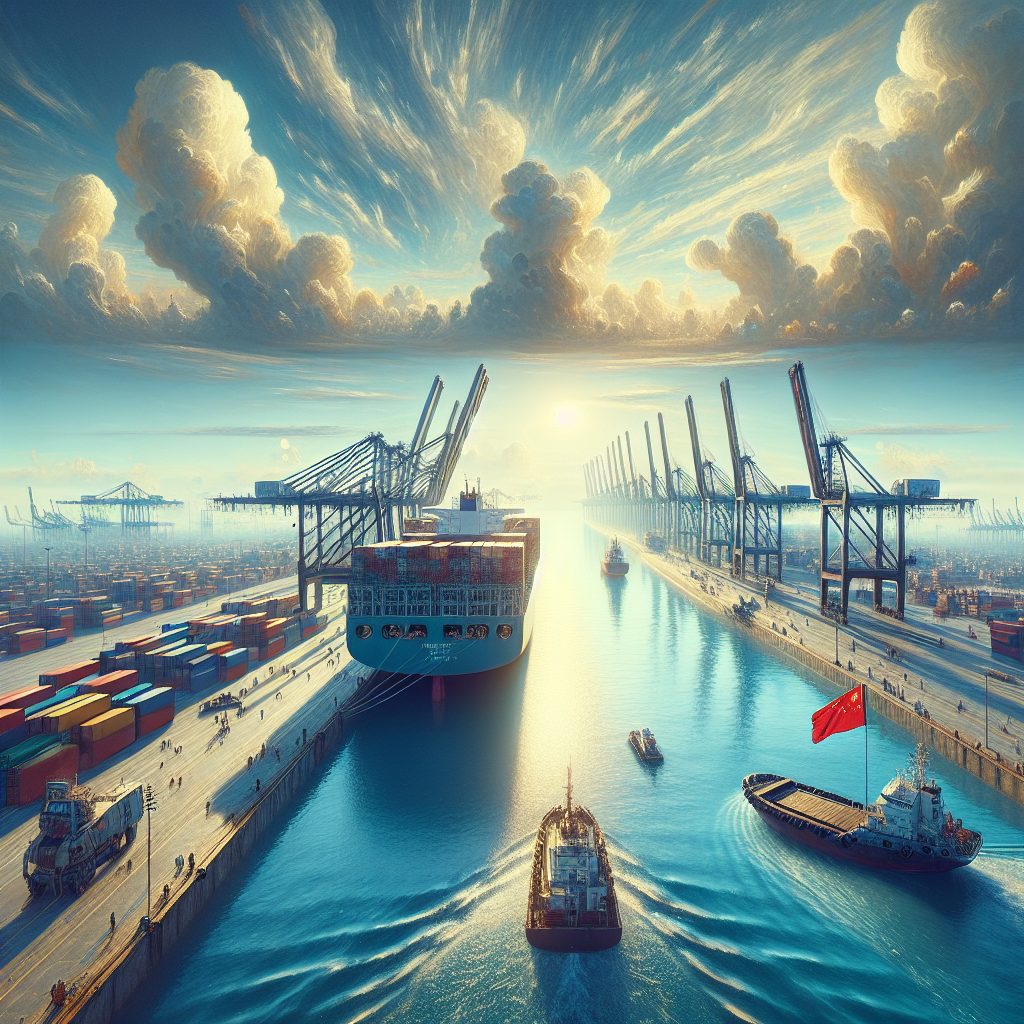
Impact of New Port Fees on Global Maritime Trade: An Opportunity for Professionals and Investors The recent decision by the United States to impose port fees on Chinese vessels has sparked a reciprocal response from the Chinese government, escalating trade tensions between the two nations. These measures, which came into effect on October 14, affect vessels with Chinese involvement in ownership, construction, or operation, and are part of a broader investigation into the Chinese shipbuilding industry. This move clearly aims to disrupt commercial dynamics in international maritime traffic. The fees imposed by the United States amount to an initial charge of $50 per net ton, with a progressive increase to $140 by April 2028. This represents a significant increase in operating costs for Chinese operators, which may result in tariff adjustments and changes to traditional trade routes. Additionally, vessels built in China but operated by non-Chinese companies are also subject to specific fee schedules, reflecting the complexity and reach of these regulations. The Chinese response was swift. On the same day as the announcement, Beijing introduced a phased annual port fee policy, starting at 400 RMB per net ton for U.S. vessels. This is a clear reflection of the deteriorating trade relations and a warning about the potential global repercussions. The trans-Pacific and vehicle traffic segments between Asia and North America are particularly exposed, marking a new chapter in this trade war. Business and Employment Opportunities in the Maritime Sector The recent measures pose multiple challenges but also open the door to new opportunities. For professionals in the merchant navy and maritime investors, this shift in the commercial landscape can be a window for innovation and technological improvement. Shipping companies are called to optimize their operations and seek less costly alternative routes, which could increase the demand for logistics and commercial strategy experts. Beyond the challenges, the new fees could incentivize shipping companies to invest in more efficient vessels and sustainable technologies to reduce costs. Engineers and specialists in renewable energies could find a fertile field to apply their knowledge and develop tailored solutions. Investors with a vision for clean technologies may find opportunities to fund projects that could redefine the sector. The restructuring of routes and the quest for efficiency could increase the demand for professionals in logistical planning and port operations management. Those interested in exploring new job opportunities should keep an eye out for offers in these emerging areas. Who knows if sending your CV to the right companies at this time could make a difference in your career. Future Perspectives: Innovation and Sustainability As trade tensions challenge existing structures, the maritime sector faces an imminent transformation. The increase in fees and tariffs could be the catalyst for a broader adoption of advanced technologies such as smart cargo tracking and automation in ports. These innovations not only optimize operation time but could also reduce the carbon footprint of maritime transport, enhancing global competitiveness. The rise in operational costs could drive companies to consider more efficient naval designs and alternative fuels such as liquefied natural gas (LNG) or even hydrogen. Initiatives like these are essential to meeting international emission reduction goals and position the maritime sector at the forefront of necessary change. This transformation also offers exciting prospects for nautical enthusiasts. The possibility of embarking on adventures through less-traveled routes could become a more accessible reality, promoting a more conscious and responsible type of nautical tourism. Relevance of New Port Fees for Various Audiences For professionals in the merchant navy, staying abreast of regulatory and political changes is essential. The implementation of these fees suggests an urgent need for updating and adaptation to ensure operational continuity and efficiency in the services they provide. Moreover, the change in established routes could mean identifying new business opportunities that could redefine the market. Maritime investors have the opportunity to anticipate trends and realign their portfolios towards businesses that promote sustainability and innovation. Investing in technologies that reduce dependence on fossil fuels is not only ethical but also represents a long-term competitive advantage. This challenging overview can serve as a stimulus for those looking to diversify their investments in the maritime sector. Finally, for nautical enthusiasts, the new fees could herald a renaissance of interest in alternative routes and destinations. These moments of change are ideal for exploring new facets of navigation and fostering a more sustainable and environmentally friendly environment. Conclusions and Call to Action In conclusion, the trade tensions between the United States and China are reshaping the global maritime trade landscape. While these measures pose significant challenges, they also present opportunities for innovation and growth. Until 2028, professionals and investors in the maritime sector will have the challenge of adapting and leading in a changing world. The invitation is open to all those interested in being part of this change. From optimizing logistical processes to investing in cutting-edge technologies, the time to act is now.