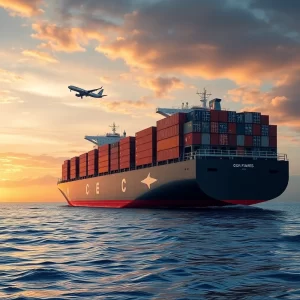
The Blue Economy: A Fundamental Pillar for the Future of Maritime Transport in the UK
In an increasingly interconnected world, the Blue Economy is emerging as a crucial driving force. A recent event organized by the Conservative Parliamentary Group in the House of Commons, focused on “The Blue Economy: challenges and opportunities,” has highlighted the importance of this sector for the competitiveness, employment, and sustainability of the UK. During the event, the director general of UK Chamber of Shipping emphasized the significance of maritime transport within this economy, emphasizing its role in the country’s energy security, food security, and supply chains. With its extensive coastline and strategic location, the UK is well positioned to lead the Blue Economy in Europe. However, despite its port leadership in the European Union, the UK merchant fleet only covers approximately 12% of national maritime trade. This deficit results in a freight imbalance of around £9 billion annually, underscoring the need for effective public policies to strengthen the sector.
- The Blue Economy aims to harness maritime resources sustainably while focusing on innovation and job creation.
- Innovation and Sustainability: Keys to the Future of Maritime Transport
One of the most significant challenges facing the maritime sector is the decarbonization of transport. The director general of UK Chamber of Shipping positively assessed the proposal of the Conservative Parliamentary Group to allocate a portion of revenues from the European emissions trading scheme to a national plan for decarbonizing maritime transport. This initiative would not only help reduce greenhouse gas emissions but also enhance the UK’s competitive position in the international maritime scene. The event also addressed the loss of competitiveness of the UK Special Canary Islands Registry. According to the UK Chamber of Shipping, it is crucial to implement stable public policies that facilitate access to financing and ensure a regulatory and fiscal framework comparable to that of Europe. The revision of the registry to align it with the global reality of maritime transport is a necessary step to attract more business to the sector and stimulate economic growth.
- Opportunities for Employment and Professional Development in the Blue Economy
The maritime sector not only represents an endless source of resources but also a driver of job creation. The Blue Economy provides fertile ground for professionals from various fields, from maritime engineering to marine biotechnology. During the event, the importance of fostering local talent and training the workforce to meet the evolving demands of the sector was emphasized. For sailors and nautical enthusiasts, the focus on the Blue Economy means a greater emphasis on sustainability and innovation. Transitioning to more ecological practices not only preserves marine ecosystems but also opens up new avenues for responsible fishing, tourism, and aquatic recreation. Sector professionals can find opportunities to innovate and lead projects that promote marine sustainability.
- Relevance for Magazine Sectors
For maritime professionals, the importance of the Blue Economy lies in its ability to generate a new wave of jobs and professional development opportunities. The need to decarbonize transport and adopt new technologies offers fertile ground for those interested in advancing their careers in the maritime sector. From the perspective of maritime investors, the Blue Economy represents a territory with high growth potential. Technological innovations and sustainable initiatives not only promise economic returns but also contribute to a greener and more sustainable future. Investing in this sector can be a strategic decision for those looking to diversify their portfolios with long-term sustainability in mind.
Conclusions: A Call to Action
In conclusion, the Blue Economy is emerging as a transformative force in the UK maritime sector, with the potential to revitalize the industry and position the UK as a leader in maritime sustainability and innovation. The call to action is clear: it is time for policymakers and industry stakeholders to collaborate to capitalize on the opportunities presented by this economy. For readers of WishToSail.com, this is an invitation to stay informed, explore new technologies, and seriously consider the job and investment opportunities on the horizon.