The Strategic Alliance between Wallenius Sol and Gasum: A Decisive Step towards Maritime Sustainability in Europe
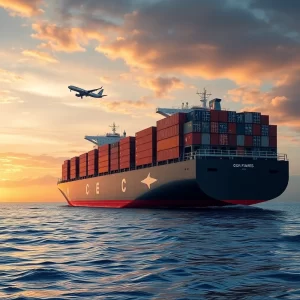
In a significant advancement for the European maritime industry, the renowned shipping company Wallenius Sol has joined forces with Gasum, a prominent player in the Nordic energy sector. This collaboration marks a turning point as Wallenius Sol’s dual-fuel ships have officially entered Gasum’s FuelEU Maritime Pool as key compliance generators.
The Context of Innovation: Bio-LNG and Regulatory Compliance
The inclusion of Wallenius Sol’s ships in Gasum’s pool comes at a crucial time, just as the FuelEU Maritime regulation, which demands a 2% reduction in carbon intensity, comes into force in 2025. Wallenius Sol’s vessels operate using bio-LNG, a renewable fuel that plays a crucial role in generating regulatory surplus. This new compliance model not only benefits Wallenius Sol but also offers a viable solution for other shipowners facing the strict emissions regulations of the European Union.
- Bio-LNG is a low-carbon fuel that provides a significant reduction in greenhouse gas emissions, meeting the most stringent sustainability standards.
- It presents an opportunity for maritime companies to improve their environmental profile while maintaining operability with existing infrastructure.
According to Jacob Granqvist, Vice President of Maritime at Gasum, this partnership “opens up more regulatory capacity at a crucial time.” The use of bio-LNG aligns with the latest environmental targets.
Wallenius Sol and Gasum: An Efficient Collaboration Model
The partnership between Wallenius Sol and Gasum exemplifies how working together can accelerate the transition to more sustainable practices in the maritime industry. By utilizing the FuelEU Maritime Pooling system, Gasum manages the pool, ensuring that shipowners can benefit from the surpluses generated by Wallenius Sol’s sustainable practices.
- This pooling approach helps avoid substantial penalties for regulatory non-compliance.
- Gasum’s management guarantees that all the necessary bio-LNG capacity is available to maintain pool balance.
- Third-party verification by DNV ensures transparency, enhancing regulatory compliance and financial stability for the involved companies.
Impact and Opportunities for the Maritime Industry
The Gasum and Wallenius Sol collaboration brings a range of opportunities and direct benefits for the maritime industry. It significantly reduces barriers to regulatory compliance, providing a clear and financially viable path for those yet to adopt cleaner fuels. This collaborative model could serve as a catalyst for other industry players looking to implement sustainable practices without high initial costs.
- Joining a pool and benefiting from established bio-LNG capacity is an accessible solution for many companies.
- This alliance also creates new job opportunities, with a growing demand for professionals skilled in sustainable technologies and regulatory compliance management.
The Value of Bio-LNG in the Energy Transition
Amidst the current energy landscape, bio-LNG stands out as a promising solution for reducing emissions in maritime transport. This renewable fuel can replace fossil LNG without requiring infrastructure adaptations, making adoption easier. Bio-LNG not only contributes to a 90% reduction in greenhouse gas emissions compared to traditional fossil fuels but also supports long-term sustainability goals by using certified organic waste from Europe and the Nordic countries.
- Bio-LNG aligns perfectly with the International Maritime Organization’s 2030 and 2050 emission reduction targets, providing a clear path for the maritime industry to meet global emission reduction standards.
Final Thoughts: Leading the Change towards Sustainability
The alliance between Wallenius Sol and Gasum showcases how innovation and collaboration can drive sustainability in the maritime industry. By adopting bio-LNG and participating in the FuelEU Maritime Pool, these companies not only comply with current regulations but also set a standard for others to follow. This progress is not only critical for the planet’s health but also offers a viable business model for companies looking to lead in sustainability.
Professionals in the sector are encouraged to get involved, as this change impacts not just how we sail but also how we work and adapt to future demands. In conclusion, the cooperation between Wallenius Sol and Gasum is an inspiration for the industry and a reminder that change is possible when innovation and sustainability become shared priorities.
For more information on these companies and their sustainability initiatives, it is recommended to visit their official websites and follow their latest updates on the topic.