Impact of New US Rates on China-Linked Ships: An Uncertain Future for Maritime Trade
The maritime sector is facing a new challenge following the announcement by the Office of the United States Trade Representative (USTR) to impose new rates on a significant portion of the global fleet. This change, which will come into effect on October 14, could potentially affect up to 35% of bulk carriers, tankers, and container ships, raising questions about its impact on global trade. These measures are part of a broader strategy by the US government to reduce the maritime sector’s dependence on China, a country that has firmly established its influence in the global logistics chain. While the impact on maritime freight rates may seem limited according to BIMCO, the scope of this change is significant, affecting both operators and shipowners on an international scale.
Affected Market Segments
- Bulk carriers are the most vulnerable segment, with 45% of ships potentially affected by the new rates.
- Tankers and container ships, albeit to a lesser extent, will also see an impact, with 30% and 19% of their fleets affected, respectively.
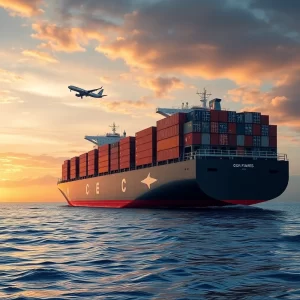
Companies like COSCO Shipping Lines and OOCL, which own the majority of affected container ships, have stated that they will not impose additional charges on customers. This decision aims to maintain competitiveness in the US market, which accounts for only between 9% and 19% of global demand for maritime transport in these sectors.
In response to these rates, it is anticipated that affected bulk carriers and tankers will redirect their activities towards other international traffic. This adjustment is crucial to avoiding profit losses and ensuring that the impact on maritime rates is minimal, thus strengthening the sector’s resilience to sudden regulatory changes.
Global Outlook: Strategies and Opportunities
Despite initial concerns about these new rates, BIMCO foresees a limited global impact. The US market’s exposure within the global maritime trade remains relatively small, suggesting that the rates’ repercussions will be moderate. However, this situation presents an opportunity to diversify and explore new trade routes. Adaptations to new regulations can pave the way for technological and operational innovations, promoting efficiency in alternative routes.
Maritime sector companies may be motivated to invest in technologies that optimize fleet management and fuel consumption, thereby reducing costs and increasing sustainability. For merchant navy professionals and nautical enthusiasts, this is a time to watch for job opportunities that may arise as a result of these changes. Companies will seek skilled talent to implement and manage these new strategies effectively.
Relevance in the Current Context
The impact of these measures is relevant for several reasons. Firstly, it represents a shift in the maritime trade landscape, forcing companies to reassess their strategic positioning. Secondly, it encourages innovation in maritime technology and sustainability, areas of growing importance in the international context. Finally, it offers employment and professional development opportunities, inviting those interested to consider careers in companies leading these changes.
For maritime investors, this moment offers a dynamic scenario that could lead to long-term benefits. Initial market fluctuations can be a gateway to strategic positions that result in significant returns. With these changes underway, it is crucial for industry stakeholders to stay informed and adapt proactively. Forecasting and adaptation capabilities will be essential to capitalize on opportunities and mitigate risks associated with these new regulations.
Conclusion: A Call to Action
As we approach October 14, the global maritime community watches with interest and some apprehension the impact of the new rates imposed by the United States. However, beyond the challenges, this is a time for innovation and growth. Companies that manage to adapt their strategies and optimize their operations will have a competitive advantage in this new environment. We invite readers of WishToSail.com to explore these opportunities and stay updated on the latest developments in the sector. This is a crucial moment to present innovative proposals, explore new markets, and, above all, for maritime sector professionals to demonstrate their adaptability and resilience. Be part of the change and actively contribute to shaping the future of maritime trade. Opportunities are there, waiting to be seized by those willing to sail towards new frontiers.