


The Expansion Strategy of Molgas: A Decisive Step towards Sustainability in the Maritime Sector
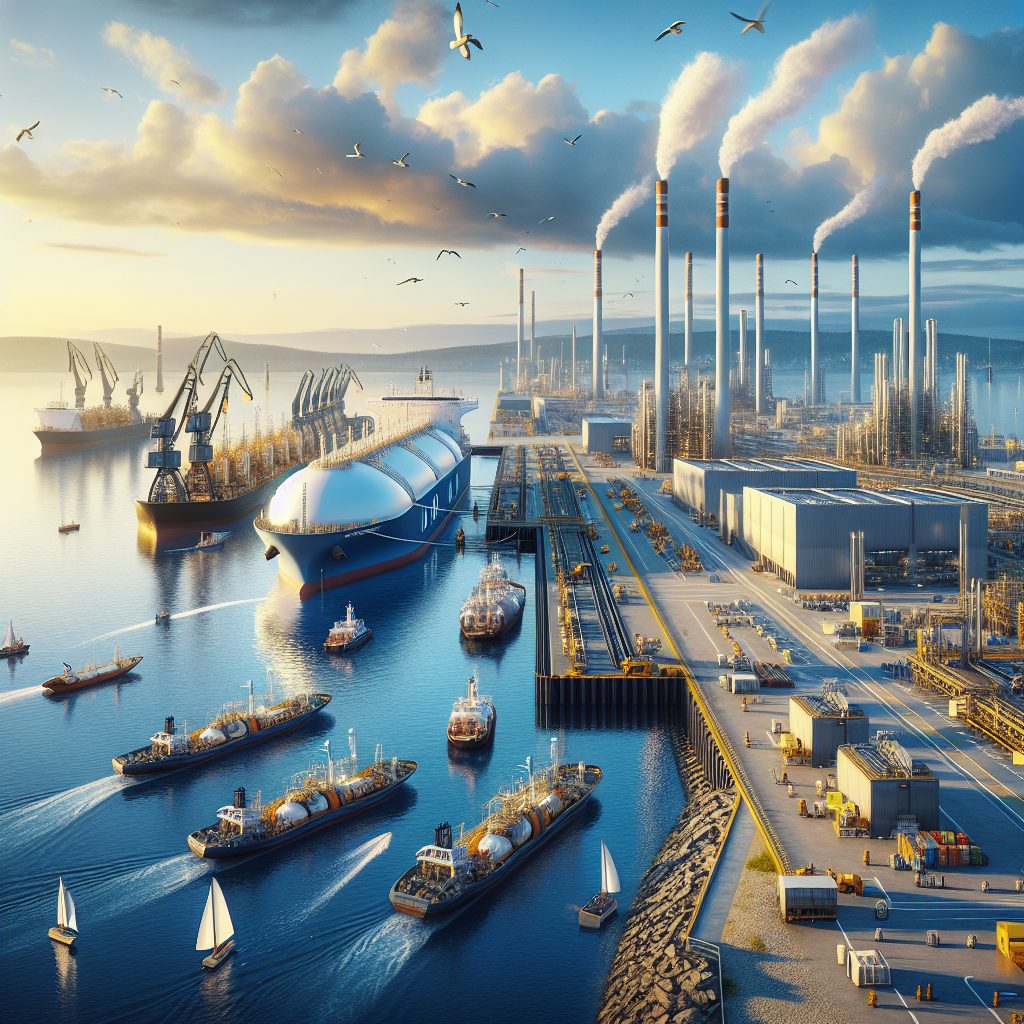
The Expansion Strategy of Molgas: A Decisive Step towards Sustainability in the Maritime Sector Molgas Energy has taken a significant step forward in its expansion strategy by acquiring 100% of Titan Energy Holding, a Dutch company known for its innovative approach to clean fuels. Backed by InfraVia Capital Partners, an infrastructure fund based in Paris, this move not only solidifies Molgas’ position as a leader in supplying liquefied natural gas (LNG) and liquefied biomethane (bio-LNG) but also strengthens its commitment to energy transition in Europe. The acquisition was not just a stock exchange but a complete integration that will allow Molgas to expand its presence in the European market. With operations already including an extensive network of road service stations and a fleet of supply vessels, Molgas is now positioned to offer sustainable energy solutions in both maritime and land transportation. Molgas acquired 100% of Titan Energy Holding, a Dutch company known for its innovative approach to clean fuels. The acquisition was backed by InfraVia Capital Partners, a Paris-based infrastructure fund. Molgas is now a leader in supplying LNG and bio-LNG, strengthening its commitment to energy transition in Europe. The move towards alternative fuels highlights the global trend in the maritime industry towards sustainability. It is a step that not only benefits the environment by reducing carbon emissions but also offers maritime operators a real opportunity to adapt to stricter regulations and ultimately ensure long-term economic viability. Expanding Capabilities: From the Netherlands to All of Europe With its headquarters in the Netherlands, Titan is one of the most prominent independent suppliers of LNG and bio-LNG for maritime and industrial customers. Titan’s ability to operate a fleet of small-scale supply vessels has been crucial to its success in Northwest Europe, laying the groundwork for Molgas to expand its reach to Norway and other European regions. The union of Molgas and Titan Green Fuels will enable the expansion of ship-to-ship (STS) and truck-to-ship (TTS) supply services. This integration in the business model means that customers in Europe, from maritime operators to large industries, will have access to a wider range of clean fuel options. Titan is a leading supplier of LNG and bio-LNG in Europe, particularly in the Northwest region. Molgas and Titan’s integration will expand STS and TTS supply services for maritime and industrial customers. This partnership will provide a wider range of clean fuel options for European customers. It is crucial to understand that these innovations not only represent an evolution in energy supply technology but also respond to a growing demand for sustainable energy solutions. Thus, Molgas ensures a central role in the new era of clean energy, with the potential to transform the fuel supply landscape in Europe. Strategic Implications and Employment Opportunities The current CEO of Titan, Niels den Nijs, will assume the role of Executive Vice President of Molgas’ maritime division. This transition not only ensures continuity in leadership but also brings vital experience to help guide the group’s operations in a sector that is transitioning to cleaner energies. For professionals in the sector, this growth and unification represent tangible opportunities for employment and professional development. The expansion of the fleet of vessels and service station network creates a demand for new talents in areas such as engineering, logistics, and project management, inviting interested individuals to submit their resumes to be part of this energy revolution. The CEO of Titan will become the Executive VP of Molgas’ maritime division, ensuring continuity in leadership. This integration creates opportunities for employment in areas such as engineering, logistics, and project management. Professionals can contribute to the energy revolution by joining Molgas in its sustainable energy initiatives. Such strategic partnerships indicate the path that many other companies in the maritime industry could follow. The consolidation of capabilities allows for significant operational efficiencies and cost reductions, which can translate into more competitive rates for customers. For investors, Molgas’ strong position in the alternative fuels market represents an attractive investment opportunity in an evolving industry. Direct Benefits for the Maritime and Industrial Sectors Molgas’ ability to offer LNG and bio-LNG is crucial at a time when many European nations are implementing stricter emissions regulations. By providing cleaner energy solutions, companies can ensure regulatory compliance, avoiding penalties and, at the same time, reducing their carbon footprint. In practical terms, the availability of LNG and bio-LNG reduces operating costs for vessels, as these alternative fuels are often more cost-effective than traditional fossil fuels. This undoubtedly improves profitability for maritime operators and allows them to invest in more efficient and sustainable technologies. For the industrial sector, access to these fuels offers stability and predictability in energy supply, crucial for long-term planning. Furthermore, by aligning with sustainability goals, companies can enhance their corporate image and social acceptance, an increasingly relevant factor for consumers and business partners. Driving towards a Sustainable Energy Future The acquisition of Titan by Molgas is not just a business milestone; it is a reflection of a broader shift in the industry towards cleaner energies. In an era marked by environmental awareness, the actors leading this change are the ones best positioned to thrive in the future. For sailing enthusiasts and maritime professionals, this evolution represents a promise of a cleaner and more sustainable future where the sea is not just a trade route but also a terrain of energy innovation. The opportunities to participate in this change are open, and the time to act is now. In conclusion, the integration of Molgas and Titan is a significant step towards a more sustainable energy model and a bold move towards transforming the fuel supply in Europe. For investors, professionals, and maritime sector enthusiasts, this news not only highlights an evolution in energy infrastructure but also offers concrete possibilities for growth and development in a transitioning world.
Impact of New US Rates on China-Linked Ships: An Uncertain Future for Maritime Trade
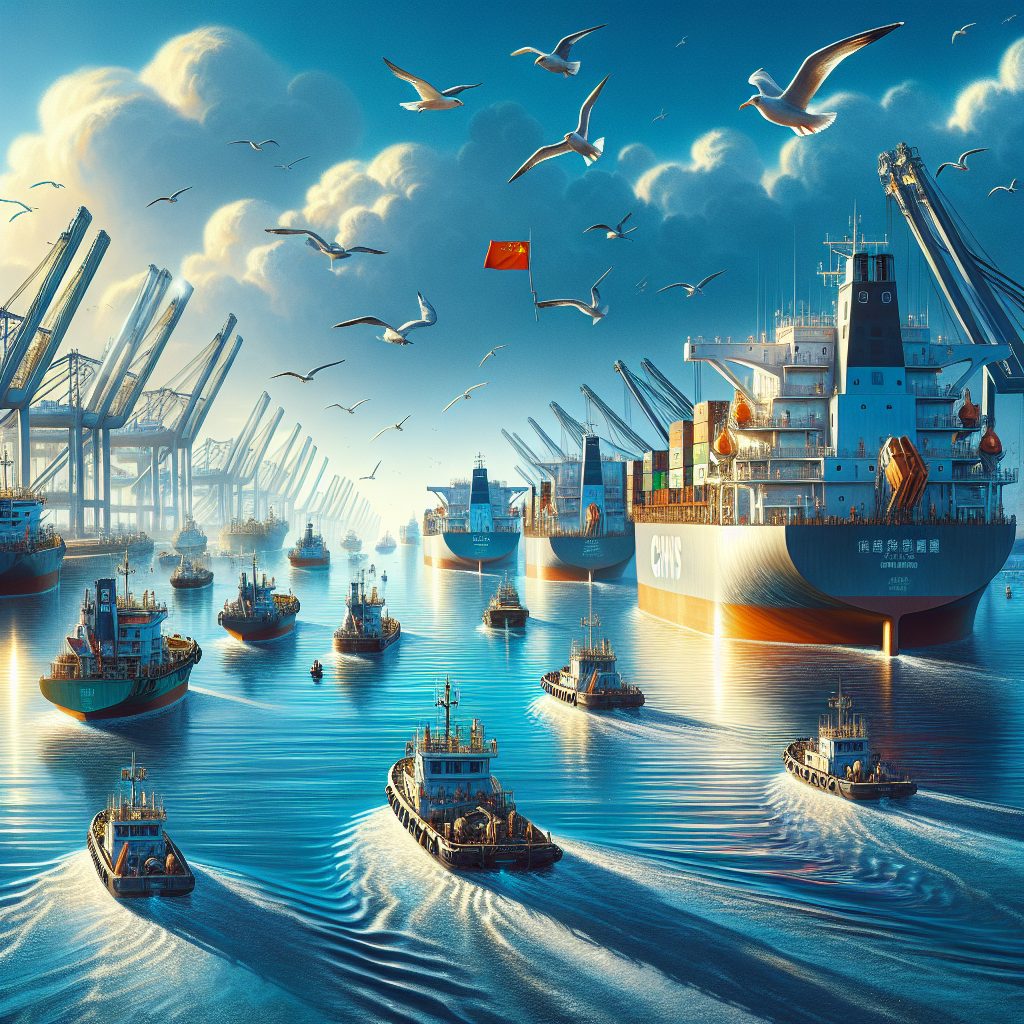
Impact of New US Rates on China-Linked Ships: An Uncertain Future for Maritime Trade Impact of New US Rates on China-Linked Ships: An Uncertain Future for Maritime Trade The maritime sector is facing a new challenge following the announcement by the Office of the United States Trade Representative (USTR) to impose new rates on a significant portion of the global fleet. This change, which will come into effect on October 14, could potentially affect up to 35% of bulk carriers, tankers, and container ships, raising questions about its impact on global trade. These measures are part of a broader strategy by the US government to reduce the maritime sector’s dependence on China, a country that has firmly established its influence in the global logistics chain. While the impact on maritime freight rates may seem limited according to BIMCO, the scope of this change is significant, affecting both operators and shipowners on an international scale. Affected Market Segments Bulk carriers are the most vulnerable segment, with 45% of ships potentially affected by the new rates. Tankers and container ships, albeit to a lesser extent, will also see an impact, with 30% and 19% of their fleets affected, respectively. Companies like COSCO Shipping Lines and OOCL, which own the majority of affected container ships, have stated that they will not impose additional charges on customers. This decision aims to maintain competitiveness in the US market, which accounts for only between 9% and 19% of global demand for maritime transport in these sectors. In response to these rates, it is anticipated that affected bulk carriers and tankers will redirect their activities towards other international traffic. This adjustment is crucial to avoiding profit losses and ensuring that the impact on maritime rates is minimal, thus strengthening the sector’s resilience to sudden regulatory changes. Global Outlook: Strategies and Opportunities Despite initial concerns about these new rates, BIMCO foresees a limited global impact. The US market’s exposure within the global maritime trade remains relatively small, suggesting that the rates’ repercussions will be moderate. However, this situation presents an opportunity to diversify and explore new trade routes. Adaptations to new regulations can pave the way for technological and operational innovations, promoting efficiency in alternative routes. Maritime sector companies may be motivated to invest in technologies that optimize fleet management and fuel consumption, thereby reducing costs and increasing sustainability. For merchant navy professionals and nautical enthusiasts, this is a time to watch for job opportunities that may arise as a result of these changes. Companies will seek skilled talent to implement and manage these new strategies effectively. Relevance in the Current Context The impact of these measures is relevant for several reasons. Firstly, it represents a shift in the maritime trade landscape, forcing companies to reassess their strategic positioning. Secondly, it encourages innovation in maritime technology and sustainability, areas of growing importance in the international context. Finally, it offers employment and professional development opportunities, inviting those interested to consider careers in companies leading these changes. For maritime investors, this moment offers a dynamic scenario that could lead to long-term benefits. Initial market fluctuations can be a gateway to strategic positions that result in significant returns. With these changes underway, it is crucial for industry stakeholders to stay informed and adapt proactively. Forecasting and adaptation capabilities will be essential to capitalize on opportunities and mitigate risks associated with these new regulations. Conclusion: A Call to Action As we approach October 14, the global maritime community watches with interest and some apprehension the impact of the new rates imposed by the United States. However, beyond the challenges, this is a time for innovation and growth. Companies that manage to adapt their strategies and optimize their operations will have a competitive advantage in this new environment. We invite readers of WishToSail.com to explore these opportunities and stay updated on the latest developments in the sector. This is a crucial moment to present innovative proposals, explore new markets, and, above all, for maritime sector professionals to demonstrate their adaptability and resilience. Be part of the change and actively contribute to shaping the future of maritime trade. Opportunities are there, waiting to be seized by those willing to sail towards new frontiers.
The Strategic Alliance between Wallenius Sol and Gasum: A Decisive Step towards Maritime Sustainability in Europe
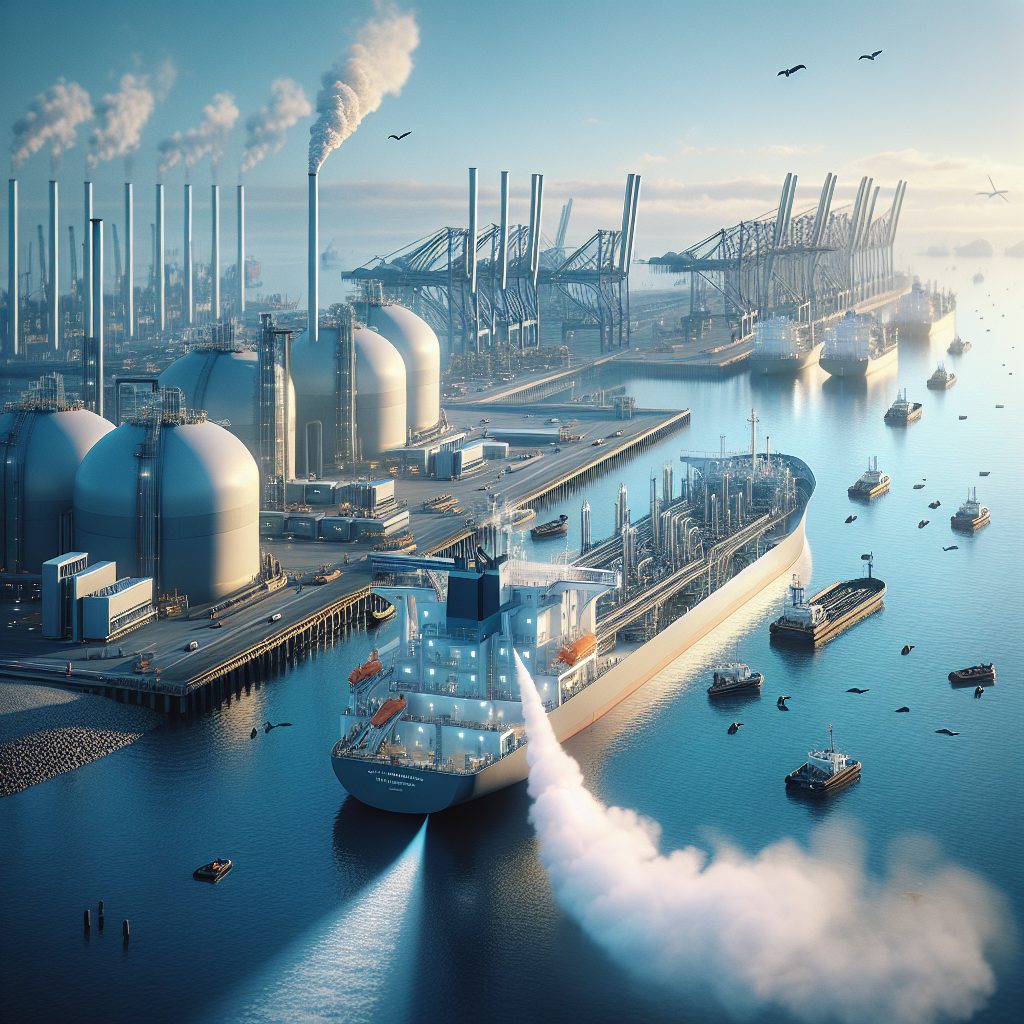
The Strategic Alliance between Wallenius Sol and Gasum: A Decisive Step towards Maritime Sustainability in Europe In a significant advancement for the European maritime industry, the renowned shipping company Wallenius Sol has joined forces with Gasum, a prominent player in the Nordic energy sector. This collaboration marks a turning point as Wallenius Sol’s dual-fuel ships have officially entered Gasum’s FuelEU Maritime Pool as key compliance generators. The Context of Innovation: Bio-LNG and Regulatory Compliance The inclusion of Wallenius Sol’s ships in Gasum’s pool comes at a crucial time, just as the FuelEU Maritime regulation, which demands a 2% reduction in carbon intensity, comes into force in 2025. Wallenius Sol’s vessels operate using bio-LNG, a renewable fuel that plays a crucial role in generating regulatory surplus. This new compliance model not only benefits Wallenius Sol but also offers a viable solution for other shipowners facing the strict emissions regulations of the European Union. Bio-LNG is a low-carbon fuel that provides a significant reduction in greenhouse gas emissions, meeting the most stringent sustainability standards. It presents an opportunity for maritime companies to improve their environmental profile while maintaining operability with existing infrastructure. According to Jacob Granqvist, Vice President of Maritime at Gasum, this partnership “opens up more regulatory capacity at a crucial time.” The use of bio-LNG aligns with the latest environmental targets. Wallenius Sol and Gasum: An Efficient Collaboration Model The partnership between Wallenius Sol and Gasum exemplifies how working together can accelerate the transition to more sustainable practices in the maritime industry. By utilizing the FuelEU Maritime Pooling system, Gasum manages the pool, ensuring that shipowners can benefit from the surpluses generated by Wallenius Sol’s sustainable practices. This pooling approach helps avoid substantial penalties for regulatory non-compliance. Gasum’s management guarantees that all the necessary bio-LNG capacity is available to maintain pool balance. Third-party verification by DNV ensures transparency, enhancing regulatory compliance and financial stability for the involved companies. Impact and Opportunities for the Maritime Industry The Gasum and Wallenius Sol collaboration brings a range of opportunities and direct benefits for the maritime industry. It significantly reduces barriers to regulatory compliance, providing a clear and financially viable path for those yet to adopt cleaner fuels. This collaborative model could serve as a catalyst for other industry players looking to implement sustainable practices without high initial costs. Joining a pool and benefiting from established bio-LNG capacity is an accessible solution for many companies. This alliance also creates new job opportunities, with a growing demand for professionals skilled in sustainable technologies and regulatory compliance management. The Value of Bio-LNG in the Energy Transition Amidst the current energy landscape, bio-LNG stands out as a promising solution for reducing emissions in maritime transport. This renewable fuel can replace fossil LNG without requiring infrastructure adaptations, making adoption easier. Bio-LNG not only contributes to a 90% reduction in greenhouse gas emissions compared to traditional fossil fuels but also supports long-term sustainability goals by using certified organic waste from Europe and the Nordic countries. Bio-LNG aligns perfectly with the International Maritime Organization’s 2030 and 2050 emission reduction targets, providing a clear path for the maritime industry to meet global emission reduction standards. Final Thoughts: Leading the Change towards Sustainability The alliance between Wallenius Sol and Gasum showcases how innovation and collaboration can drive sustainability in the maritime industry. By adopting bio-LNG and participating in the FuelEU Maritime Pool, these companies not only comply with current regulations but also set a standard for others to follow. This progress is not only critical for the planet’s health but also offers a viable business model for companies looking to lead in sustainability. Professionals in the sector are encouraged to get involved, as this change impacts not just how we sail but also how we work and adapt to future demands. In conclusion, the cooperation between Wallenius Sol and Gasum is an inspiration for the industry and a reminder that change is possible when innovation and sustainability become shared priorities. For more information on these companies and their sustainability initiatives, it is recommended to visit their official websites and follow their latest updates on the topic.
The Digital Revolution in Maritime Fuel and Emissions Management
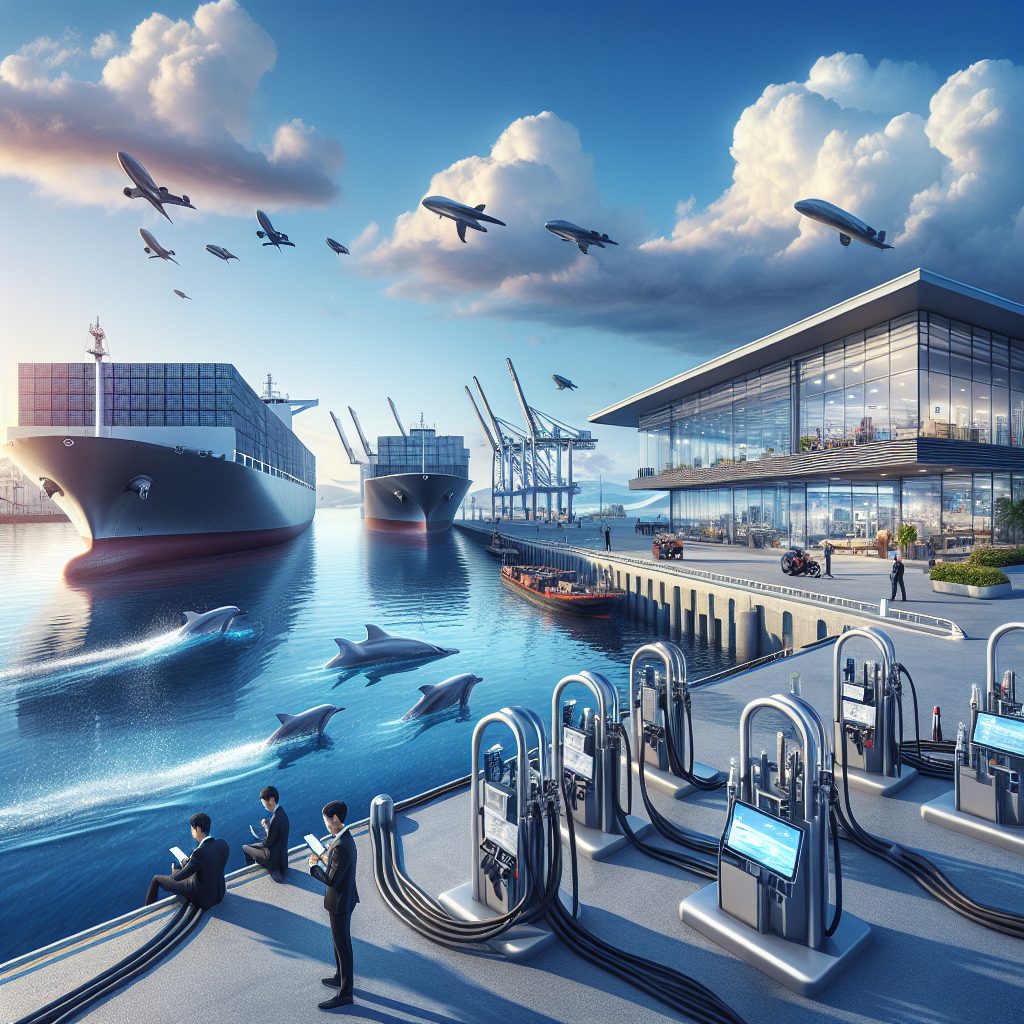
The Digital Revolution in Maritime Fuel and Emissions Management In a world where efficiency and sustainability take precedence, Veritas Petroleum Services (VPS) has taken a crucial step towards the future with the launch of VeriSphere. This digital platform promises to transform maritime fuel and emissions management, offering an integrated ecosystem that connects software, hardware, data, and artificial intelligence tools in a unique intelligent environment. A Platform for Maritime Energy Transition The maritime sector is at a crossroads, facing pressures from both the market and regulatory frameworks to digitize operations and reduce emissions. In this context, VeriSphere emerges as a strategic solution, acting as a digital marketplace and an ecosystem hub. The platform integrates VPS’s own solutions and partner offerings to optimize multiple aspects of maritime operations. Key functionalities of VeriSphere include bunker fuel supply chain management, efficiency in lubricants and fuel consumption, fleet and engine performance analytics, MRV compliance, and strategic decarbonization planning. Bunker fuel supply chain management Efficiency in lubricants and fuel consumption Fleet and engine performance analytics MRV compliance Strategic decarbonization planning This integration helps users handle complex operations more efficiently, promoting compliance with emission targets set by the IMO for 2030 and 2050. For investors and companies within the maritime sector, the ability to comply with regulations without sacrificing operational efficiency is crucial. VeriSphere not only simplifies daily management but also affirms VPS’s commitment to creating value through technology, highlighting its expertise in marine fuel and state-of-the-art digital infrastructure. Enhancing User Experience with Modular Design One of the highlights of VeriSphere is its modular architecture and persistent identity management. This design allows users to navigate between applications and tools without the need for multiple logins or disparate systems. Easy access to predictive analytics tools, AI-driven procurements, and MRV-ready emissions control panels is essential for reducing operational complexity. This user-centric approach is particularly beneficial for ship owners, charterers, fuel buyers, and emission officers. The platform provides access to actionable data from a single interface, enabling data-driven decisions critical for maintaining efficiency and regulatory compliance. Simplifying the user experience is central in VeriSphere, reducing the frustration of managing multiple interfaces and allowing maritime professionals to focus on efficiently executing their missions. This approach not only improves daily operations but also fosters a more satisfying and productive work environment. Innovation and Operational Efficiency Within Reach In a time when the maritime industry must quickly adapt to market fluctuations and increasingly stringent regulations, VeriSphere emerges as a vital tool. VPS positions its platform as a key enabler supporting compliance with FuelEU Maritime regulations and other environmental commitments while also backing the industry’s digital transformation. The platform reflects a broader strategy of VPS to drive value creation through technology. Combining decades of experience in marine fuel with next-generation digital infrastructure, it offers a reliable resource for the industry seeking to minimize risks and maximize operational efficiency. For maritime industry companies, VeriSphere not only provides an advanced digital solution but also offers a leadership opportunity in transitioning towards a more sustainable future. With the ability to address the challenges of energy transition and digital transformation, the platform stands at the forefront of innovation in fuel and emissions management. Impact on the Maritime Sector and Future Opportunities For merchant navy professionals, VeriSphere represents a tool with the potential to transform daily fuel and emissions management. By integrating multiple systems into a cohesive platform, the solution allows for time and resource savings while ensuring regulatory compliance. This operational efficiency can translate into significant financial savings and competitiveness in the global market. For nautical enthusiasts and recreational sailors, the platform also offers a promise of simplification in managing their vessels. Access to data and analytical tools from a single interface makes day-to-day operations management much more manageable, ensuring smoother and more reliable navigation. Moreover, for those interested in job opportunities in the maritime sector, the expansion of platforms like VeriSphere can open up new vacancies. VPS and similar companies are likely to need qualified personnel to manage and optimize these emerging technologies, offering a field of opportunities at the forefront of maritime innovation. Conclusion: A Promising Future for Fuel and Emissions Management The launch of VeriSphere by VPS marks a significant milestone in the digitalization of the maritime sector. With its focus on integration, efficiency, and sustainability, the platform promises not only to meet current industry expectations but to exceed them. By providing a unified and user-friendly environment, VeriSphere becomes an essential tool for both daily operational management and long-term environmental goal compliance. For those interested in exploring more about this innovative platform, VPS offers demos and assistance to better understand how VeriSphere can benefit their operations. In a world where change is constant, having tools that facilitate that transition is more relevant than ever. VeriSphere promises to be an invaluable ally on the journey towards a more efficient and sustainable maritime future.
The Milestone of Sustainable Maritime Decarbonization
The Milestone of Sustainable Maritime Decarbonization The maritime sector is undergoing a transformation towards a more sustainable future. This article explores a historic milestone in this transformation: the first verified transfer of Sustainable Marine Fuel (SMF) Certificates led by Hapag-Lloyd, the Zero Emission Maritime Buyers Alliance (ZEMBA), and the digital platform Katalist. This advancement represents a crucial step in global maritime transport decarbonization, providing professionals and investors with insights into the innovations reshaping the industry. An Innovative Milestone in Maritime History For the first time in history, the verified transfer of Sustainable Marine Fuel Certificates has been achieved. This achievement, using a ‘book & claim’ system, allows for the independent verification and allocation of emission reductions regardless of the physical use of the fuel. This approach not only sets a scalable and traceable precedent for global maritime transport decarbonization but also opens new opportunities for companies and industry professionals. The collaboration between Hapag-Lloyd, ZEMBA, and Katalist demonstrates the significant emission reductions possible through the use of certified biomethane from waste. This verified system offers real and measurable emission reductions, rather than offsets, representing a real advancement towards corporate decarbonization goals. For industry professionals, this development is not just a technological advancement but also an opportunity for employment and specialization in a growing area. The possibility of submitting resumes to the companies involved can open doors to innovative projects focused on maritime sustainability. The Role of Hapag-Lloyd, ZEMBA, and Katalist Hapag-Lloyd, with its operational capacity, has been instrumental in this achievement, using certified biomethane on selected voyages. ZEMBA, a coalition of environmentally committed cargo owners, has ensured the demand for sustainable shipping services, while Katalist has provided the digital infrastructure to validate, record, and distribute emission savings through a reliable ‘book & claim’ system. Transparency and verification are key elements of this initiative, allowing cargo owners to confidently claim emission reductions within a system built for trust and clarity. As a result, 17 ZEMBA members are collectively avoiding over 82,000 metric tons of CO₂e emissions in two years of low-emission shipping. This is not just a pilot; it is a functional large-scale system with third-party verification, designed for global replication. The Importance of this Breakthrough for the Future of Maritime Transport The maritime transport industry accounts for nearly 3% of global emissions, and decarbonizing this sector is one of the greatest environmental challenges. The introduction of clean fuels and a verified system to link fuel use with cargo owners’ demand represents a significant advancement in this challenge. This achievement is not only a symbol of progress but also offers a scalable model for carriers to offer low-carbon services. It allows cargo owners to credibly meet their emission reduction goals, driving the market towards cleaner and contractual supply chains. With tightening regulations and increasing sustainability expectations, this approach could become the norm, offering a scalable pathway to zero-emission maritime transport that benefits both operators and their customers. Future Perspectives: A Model to Follow Following the successful initial transfer, the maritime industry has crossed a significant threshold, not only in ambition but also in execution. The reality of clean fuels, verified emissions, and value delivered to those leading the change is now in sight. This model is not only applicable to large corporations but can also benefit small and medium-sized enterprises looking to stand out on the path to corporate sustainability. The opportunities to reduce carbon footprint and actively participate in initiatives prioritizing the environment are increasingly accessible to all industry players. We invite readers to explore more about these innovations and consider how they can integrate them into their work or investment practices. Conclusions: The Value of Innovation and Collaboration This advancement in decarbonizing maritime transport highlights the importance of innovation and collaboration in the industry. For maritime professionals, sailors, and maritime investors, understanding and engaging in these innovations is crucial to staying relevant in an evolving market. The job and investment opportunities in the maritime sector are increasingly focused on sustainability. The technologies and business model introduced by Hapag-Lloyd, ZEMBA, and Katalist not only meet environmental goals but also offer a competitive advantage in a global market that increasingly values responsible business practices. As more industry players adopt these models, the maritime sector will not only reduce its environmental impact but also open new avenues for business and growth. This is an exciting time to be part of a transformation that promises to redefine the future of global maritime transport.
The Maersk Innovation: Towards Sustainable Maritime Transport with E-Methanol and Ethanol Blends
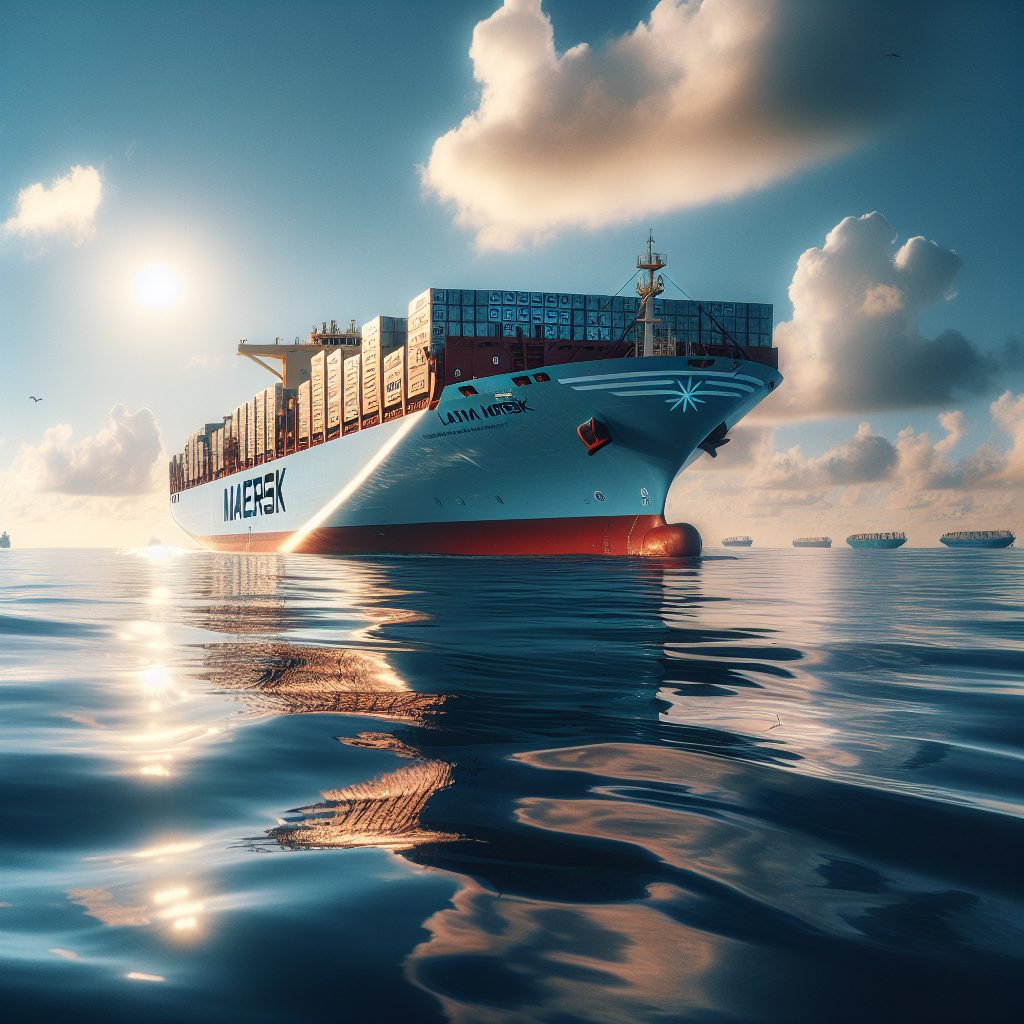
The Maersk Innovation: Towards Sustainable Maritime Transport with E-Methanol and Ethanol Blends In the growing effort to decarbonize maritime transport, Maersk is taking a step forward by converting the Laura Mærsk ship into a floating laboratory to test next-generation sustainable fuels. Born from a historic commitment to operate with methanol in 2023, Maersk is now leading the way in innovation by testing a cutting-edge blend of e-methanol with 10% ethanol, known as E10. The use of E10 aims to diversify fuel options, allowing Maersk to assess crucial performance parameters such as ignition quality, combustion behavior, lubrication, and emissions, including nitrogen oxides (NOx). E-methanol, produced from renewable electricity and biogenic CO₂, along with ethanol, offers a low-carbon alternative that aligns with long-term sustainability goals. From a logistical standpoint, the addition of ethanol improves fuel availability and supply chain resilience, key factors as Maersk increases the adoption of green fuels in its fleet. The interest of Maersk in ethanol coincides with the global consideration of this fuel as a low-carbon solution. According to 2022 data, over 200 biorefineries in the US have the capacity to produce more than 17 billion gallons of ethanol annually, reducing greenhouse gas emissions by almost 50% compared to gasoline. In addition to its application in road transport, ethanol is being explored for use in aviation, heavy equipment, and even power generation. This trial reflects the maritime sector’s interest in harnessing this abundant, proven, and scalable fuel source, unlocking synergies with global producers. At the heart of this test is methanol, Maersk’s fundamental green marine fuel. Known for its clean combustion, methanol reduces sulfur oxides (SOx) by 99%, nitrogen oxides (NOx) by up to 60%, and particulate matter by 95%. These characteristics make it ideal for meeting IMO emission standards and an effective option for the transition. Methanol is currently mainly produced from natural gas but can also be synthesized from renewable sources such as biomass, waste, and captured CO₂. This versatility allows Maersk to adopt e-methanol today while preparing its fleet for a truly net-zero future. With a well-established safety record, methanol is one of the most transported chemicals in the world, contributing to its availability and ease of handling in port operations. The E10 mixture used in the Laura Mærsk consists of 90% e-methanol and 10% ethanol. This precise combination is being consumed for several weeks, during which the ship’s dual-fuel engines are closely monitored to detect any differences compared to using pure methanol. Key aspects include assessing ignition and combustion efficiency influenced by ethanol, understanding potential impacts on engine wear and fuel system integrity, and measuring the environmental footprint, especially in NOx emissions. This test provides Maersk with valuable data on E10 performance in real operating conditions, allowing adjustments and improvements in the large-scale implementation of alternative fuels in its fleet. Beyond being a cargo ship, the Laura Mærsk acts as a dynamic platform where theoretical concepts meet practical application. This approach ensures that any new fuel solution is both innovative and reliable and scalable. In addition to large-scale tests, Maersk uses its smaller research vessel, the Lower MK, to conduct preliminary experiments with alternative fuels. This multi-level testing strategy accelerates the adoption of sustainable fuels across Maersk’s extensive fleet. With a capacity of 2,100 TEU, the Laura Mærsk is an effective testing platform for technologies that could one day power the industry’s larger vessels. This E10 trial is not just a scientific study but a strategic maneuver integrated into Maersk’s decarbonization roadmap, with the bold aim of achieving net-zero emissions by 2040. If successful, ethanol could become a permanent component of Maersk’s green fuel portfolio, unlocking a broader spectrum of supply options and reducing dependence on any single raw material. As trials on the Laura Mærsk progress, the maritime world eagerly awaits advances that could shape the future fuel landscape. This experiment epitomizes Maersk’s commitment to pioneering solutions that balance operational efficiency with environmental responsibility. The initiative not only represents an opportunity for technical development and technological innovation but also a potential opening of job opportunities for professionals interested in being part of a global effort towards sustainable maritime transport.