



The Challenge of Maritime Transport in the Face of Increased CO₂ Emissions in 2024
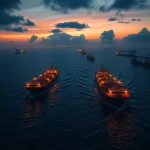
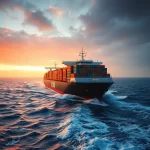
The maritime transport sector, a backbone of global trade, faced a significant increase in CO₂ emissions in 2024. The reported figures reveal a 9.6% rise, reaching a total of 140.5 million tonnes. This upturn contrasts with the reduction seen in 2023, placing the sector at a crossroads regarding its environmental impact.
The geopolitical tensions in the Red Sea have been a decisive factor in this increase. As a result of these conflicts, many ships were forced to divert their routes, circumnavigating the African continent, resulting in longer journeys and increased fuel consumption. This circumstance highlights the sector’s vulnerability to global political instabilities.
In addition to route extensions, the maritime sector is under increasing pressure to comply with stricter emissions restrictions, driven by global initiatives to combat climate change. For merchant navy professionals, this situation represents not only a technical challenge but also an opportunity to lead the way towards more sustainable practices.
The European MRV System and its Financial Impact
The European monitoring, reporting, and verification (MRV) system imposes strict monitoring on ships of 5,000 GT or more. In 2024, the emissions recorded in this system amounted to 83.7 million tonnes, reflecting the significant financial impact these emission levels have on the industry.
The total cost associated with emission rights under the European ETS (Emissions Trading System) regime was approximately €2.2 billion for the sector in 2024. This figure illustrates the economic implications of environmental policies for shipping companies, which must balance their operations with regulatory compliance.
The forecast for 2025 is that this cost will increase, as shipping companies will have to surrender rights for 70% of their emissions, compared to the 40% required in 2024. Furthermore, the 11.4% increase in the average price of emission rights in the first half of 2025 suggests that the economic impact will be even greater.
Technological Innovations: A Light at the End of the Tunnel
The current situation has sparked interest in innovative technologies that could revolutionize the sector. From more efficient engines to the use of alternative fuels such as hydrogen and ammonia, investments in R&D are crucial to mitigate emissions and reduce environmental impact.
The development of more sustainable navigation technologies also presents job opportunities for maritime engineers and specialized technicians. Companies are seeking talent that can lead projects integrating these innovations, offering new employment perspectives.
Furthermore, these technologies not only promise environmental benefits but also economic benefits by potentially reducing long-term operating costs. Commitment to sustainability could be a key differentiator for companies looking to stand out in an increasingly eco-conscious market.
Opportunities and Challenges for the Merchant Navy
The current context offers three key reasons why changes in maritime transport are relevant to the audience of WishToSail.com. Firstly, the sector is undergoing a transformation that requires continuous adaptation and learning about new regulations and technologies.
Secondly, geopolitical tensions and altered routes underline the need for strategic planning and flexibility on the part of shipping companies. These skills are essential for professionals looking to stand out and advance in their careers within the sector.
Finally, investments in sustainability and technology represent an opportunity for maritime investors looking to support initiatives with long-term growth potential. The successful integration of green solutions can offer significant returns while contributing to a more sustainable future for the industry.
Looking to the Future of Maritime Transport
The path to a more sustainable maritime transport is challenging but also full of opportunities. Companies and professionals embracing change, investing in innovation, and working collaboratively to overcome obstacles will be better positioned to lead the sector’s transformation.
The global maritime community is uniquely positioned to influence change, and the potential for a positive environmental impact should not be underestimated. This process requires a concerted and coordinated effort involving all stakeholders from regulators to operators.
For the readers of WishToSail.com, this is a call to action to actively engage in technological development, strategic planning, or investment in sustainability. The future of the oceans and maritime transport depends on how we respond to these challenges today.


