


Inauguration of the New Ecological Era in Navigation: The Brands Hatch Tanker Ship by Union Maritime with WindWings®
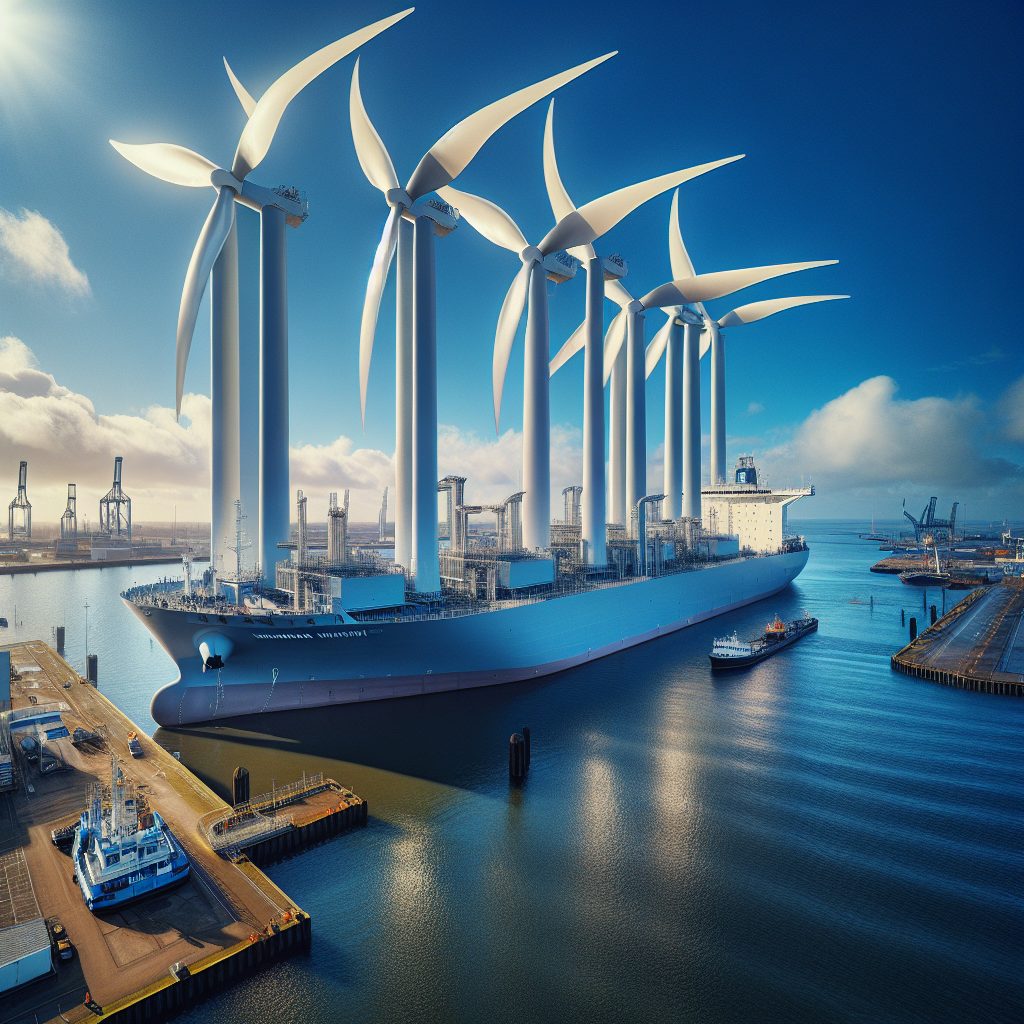
Inauguration of the New Ecological Era in Navigation: The Brands Hatch Tanker Ship by Union Maritime with WindWings® Inauguration of the New Ecological Era in Navigation: The Brands Hatch Tanker Ship by Union Maritime with WindWings® On September 11, 2025, Union Maritime marked a significant milestone in maritime sustainability with the arrival of the Brands Hatch in Europe. This tanker ship, the first of its kind built with the innovative WindWings® wind propulsion system by BAR Technologies, made its first port call in Rotterdam on September 8. This event not only redefines wind-assisted navigation but also demonstrates the commercial viability of next-generation green technologies at sea. The WindWings® technology is a revolutionary wind propulsion system aimed at significantly reducing fuel consumption on ships. During its maiden voyage, the Brands Hatch managed to derive over a third of its propulsion energy solely from the wind, even at full capacity. This achievement highlights the potential of WindWings® not only to enhance performance but also to ensure sustained fuel savings on long oceanic voyages. WindWings® technology reduces fuel consumption by an average of 5-20%. Wind-assisted ships can save up to 20% on fuel costs per trip. Union Maritime, in collaboration with its charterers, employed a wind-based route planning system provided by Ascenz Marorka. This allowed for route optimization beyond conventional methods and generated significant fuel savings: within just 24 hours, the three WindWings® of the Brands Hatch replaced 12.8 tonnes of fuel, equivalent to 4.3 tonnes per wing. The CO2 emissions reduction reached approximately 13 tonnes per WindWing® per day, highlighting the positive impact of wind-assisted propulsion on a commercial scale. The Future of Sustainability in Maritime Transport The Brands Hatch is just the beginning of Union Maritime’s ambitious fleet expansion. The company plans to implement a fleet of wind-assisted tanker ships, which will be the largest of its kind worldwide. The goal is to outfit a significant portion of this fleet with BAR Technologies’ WindWings® technology, enabling the company to comply with strict international environmental regulations through 2030 and beyond. To achieve this transformation, Union Maritime has spearheaded the AeroPower Project, a collaborative initiative with Anglo-Eastern, Synergy, Atlantas Ship Management, and BAR Technologies. This project focuses on the safe, efficient, and scalable integration of wind propulsion technologies into global maritime operations. The success of this project not only demonstrates Union Maritime’s commitment to sustainability but also sets new standards for efficiency, regulatory compliance, and corporate responsibility within the industry. Industry Leaders’ Perspectives Laurent Cadji, CEO of Union Maritime, expressed pride in this historic achievement. According to Cadji, the Brands Hatch’s maiden voyage confirms Union Maritime’s leadership in advancing sustainable maritime solutions. The initial operational data validates the real benefits of wind-assisted propulsion, demonstrating both environmental and commercial value on a large scale. John Cooper, CEO of BAR Technologies, highlighted the arrival of the Brands Hatch as a pivotal moment for wind propulsion and maritime decarbonization. This is the first ship built specifically with WindWings® to complete a full oceanic journey, showcasing the technology’s readiness for widespread commercial adoption. The project’s success is a testament to the strong collaboration between BAR Technologies, Union Maritime, and their partners. About WindWings® The WindWings® system by BAR Technologies consists of three-element wings that offer up to 2.5 times more lift than conventional single-element wings. Unlike other wind propulsion systems, WindWings® operate without the need for continuous power for suction fans or mechanical spins, automatically adjusting their curvature and angle of attack to maximize efficiency across a range of wind speeds and angles. These wings have been shown to generate fuel savings of 1.5 tonnes per wing per day on typical routes. WindWings® wings have a length of 37.5 meters, leading the market in wind-assisted propulsion in performance and scalability. WindWings® technology offers a practical and effective solution to reduce emissions in maritime transport, contributing to a more sustainable marine industry. About Union Maritime Union Maritime is a leading provider of smart navigation solutions, specializing in the transport of crude oil, chemicals, and refined petroleum products. With a modern fleet of over 100 ships, Union Maritime operates on key commercial routes worldwide, combining operational excellence with industry-leading decarbonization efforts to shape the future of sustainable navigation. Mariners and merchant navy professionals interested in being part of this revolution in maritime transport have a unique opportunity to submit their resumes to Union Maritime, joining a company that is at the forefront of sustainability and offers exciting prospects for professional development. Innovation and Opportunities in the Maritime Sector The advancement of WindWings® and Union Maritime’s strategy are relevant not only to industry professionals but also to maritime investors and nautical enthusiasts. This development presents an opportunity for investment in clean technologies, an area that is rapidly growing in response to global environmental challenges.
Kawasaki Heavy Industries and Amber Kinetics: Energy Storage Innovation for Electrical Grid Stability
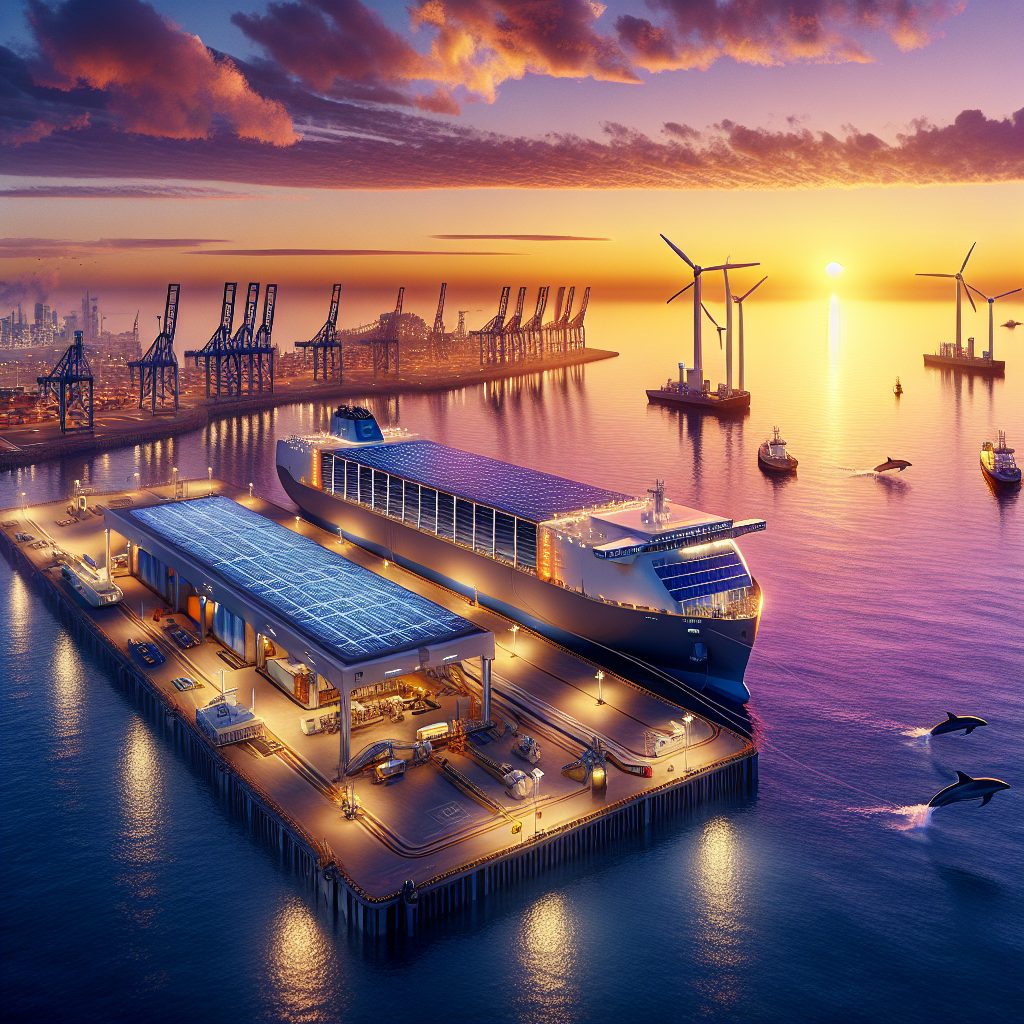
Kawasaki Heavy Industries and Amber Kinetics: Energy Storage Innovation for Electrical Grid Stability In an increasingly renewable energy-driven world, the stability and reliability of electrical grids are becoming critical factors. Kawasaki Heavy Industries, Ltd. (KHI) and Amber Kinetics (AK) have taken a significant step towards addressing these challenges by signing a Memorandum of Understanding (MOU) on May 20, 2025. This partnership aims to promote KHI’s Virtual Synchronous Generator (iVSG) technology, in combination with AK’s Flywheel Energy Storage System (FESS). A Strategic Alliance for Robust Electrical Grids The recently signed MOU reinforces the collaboration between KHI and AK to offer concrete solutions to grid instabilities caused by the integration of renewable energy sources. As renewable energies like solar and wind are increasingly integrated into the global energy matrix, the variability in generation can lead to fluctuations that challenge grid operators. The iVSG technology from KHI simulates the behavior of a traditional synchronous generator, providing a quick response to grid fluctuations. Combined with Amber Kinetics’ innovative FESS, which efficiently and sustainably stores kinetic energy, this collaboration promises to enhance the resilience and stability of electrical grids. The advantage of FESS over other storage systems lies in its ability to offer a long lifespan and low maintenance, making it a preferable option for industries seeking sustainable and cost-effective energy solutions. Innovations Impacting the Maritime Industry The impact of this partnership on the maritime industry is significant. Energy stability is essential for operations at sea, where disruptions can have significant consequences. The implementation of technologies like Amber Kinetics’ FESS on offshore platforms, merchant ships, and ports can ensure a constant energy supply, even in adverse conditions. With the rise of smart ports and the increasing use of renewable energies in port facilities, the ability to effectively manage stored energy becomes a competitive factor. The combined technology of KHI and AK could revolutionize how ports manage their energy consumption, reducing their carbon footprint and improving operational efficiency. Maritime shipping professionals and infrastructure investors will find interesting opportunities in this technological innovation. The adoption of these technologies not only represents an improvement in operational efficiency but also a reduction in long-term operating costs, a crucial aspect in the competitive maritime industry. Employment and Investment Opportunities With the growth of iVSG and FESS technology, new employment and investment opportunities are also emerging. Companies specializing in the implementation and maintenance of these technologies will be seeking trained personnel in the coming years. This opens up a range of possibilities for electrical engineers, maintenance technicians, and renewable energy specialists looking to advance their careers in a growing sector. Additionally, maritime investors have a unique opportunity to participate in an emerging field that promises solid returns. The stability of energy is an essential component of any efficient and sustainable maritime operation, and the solutions offered by KHI and AK are a crucial step towards a greener and safer future. Why This Collaboration is Relevant For maritime professionals, this collaboration offers a path to more efficient and sustainable operations. Downtime reduction due to energy issues can translate into a significant increase in productivity, which is essential in such a competitive market. For maritime investors, the incorporation of these technologies represents an opportunity to diversify and strengthen their investment portfolios in the energy sector. The growing demand for sustainable and efficient solutions makes this alliance an attractive and potentially lucrative proposition. Finally, for nautical enthusiasts, a commitment to technologies that promote sustainability positively impacts the marine environment, a key aspect for ocean conservation and marine biodiversity. The Future of Energy Stability in the Maritime Sector The alliance between Kawasaki Heavy Industries and Amber Kinetics is more than a business agreement; it is a crucial step towards a future where energy stability and sustainability are top priorities. The integration of these technologies will not only improve the operational efficiency of electrical grids but also enhance the sustainability of maritime operations. Stronger and more reliable electrical grids are essential for economic and technological progress, and this collaboration lays the foundation for a paradigm shift in energy management. Professionals in the sector must stay alert to these developments as they represent a path towards a more efficient and ecological future. In conclusion, the innovation and collaboration between KHI and AK promise to be a driving force for the energy and maritime industry, providing stability where it is most needed. The successful implementation of these technologies paves the way for a more resilient maritime sector that is in tune with current environmental needs.
The Green Revolution in the Strait of Gibraltar: The New Electric Ferries by Baleària
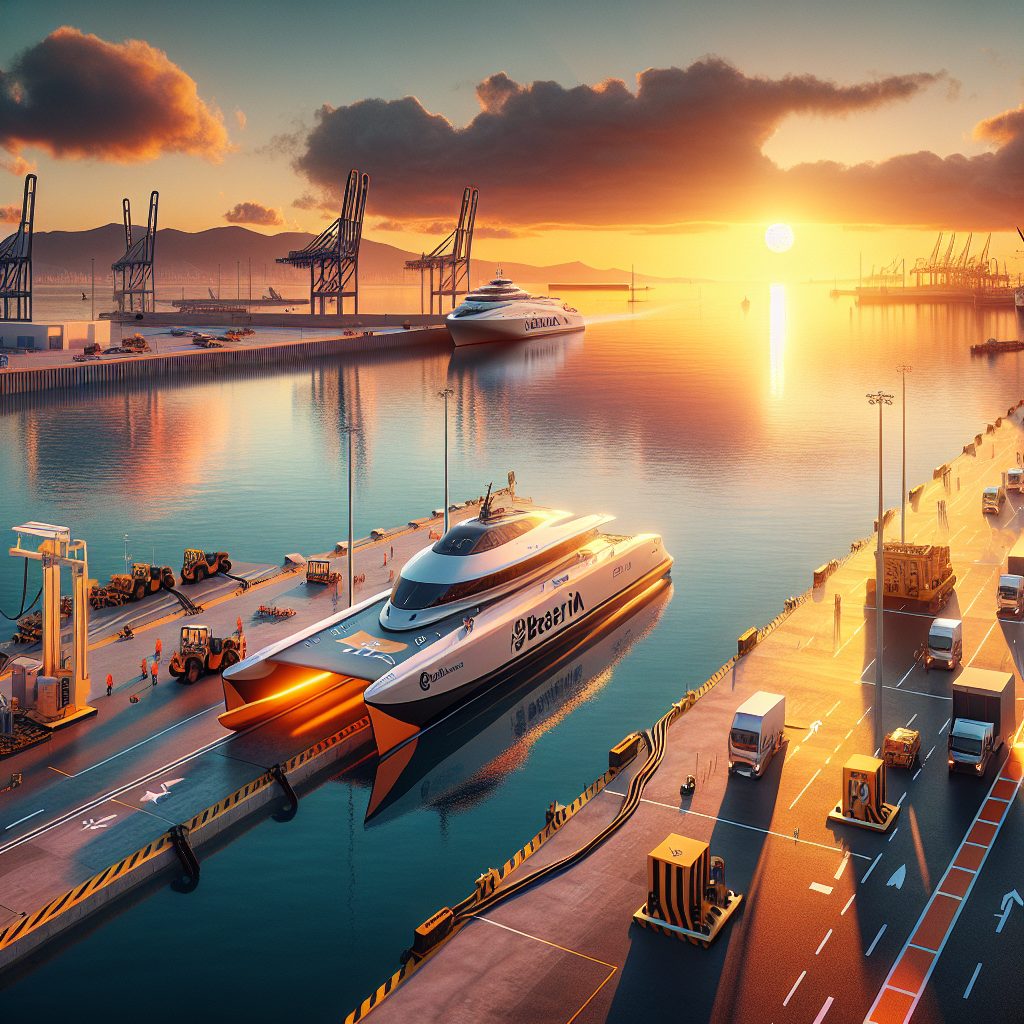
The Green Revolution in the Strait of Gibraltar: The New Electric Ferries by Baleària Baleària has recently begun the construction of two high-speed catamarans with fully electric propulsion at the Armón shipyards in Gijón. These innovative vessels will mark a milestone in maritime connectivity between Spain and Morocco, linking the ports of Tarifa in Cádiz and Tanger Ville. With their expected entry into service in 2027, the first green maritime corridor between the two countries will be established. Each of these catamarans will be equipped with a 16 MW electric propulsion system, powered by 13 MWh batteries. These features will allow the vessels to travel the 18 miles between the ports of Tarifa and Tanger without generating emissions, representing a significant advancement in reducing carbon footprint in the maritime sector. The maximum speed these ferries will reach is 26 knots, and they will have fast charging systems installed at both ports. This system will enable the vessels to be replenished in approximately 40 minutes, ensuring their operational efficiency and minimizing downtime. The new Baleària catamarans will feature multiple innovations aimed at optimizing their operations. These include a T-Foil system, which will enhance navigation by providing stability and reducing the vessel’s roll, essential for ensuring a comfortable and safe journey for passengers. Additionally, they will have two bow thrusters, two stern thrusters, and four rudders, giving them excellent maneuverability in the port. The integration of winglets on the bridge with all controls centralized will allow for more efficient and safe operation. Regarding loading and unloading logistics, the catamarans will have two large capacity ramps at the stern. These ramps will facilitate and streamline operations, allowing the boarding of up to 804 passengers and 225 vehicles per trip. Furthermore, Baleària’s project goes beyond the construction of these state-of-the-art vessels; it also includes the electrification of the ports of Tarifa and Tanger Ville. For this purpose, storage systems with 8 MWh batteries connected to the land electrical grid will be installed, ensuring sustained and clean energy supply. The charging systems at the ports will be automated with robotic arms that will connect to the vessels during stops. This technology not only improves the efficiency of the recharging process but also minimizes the risk of human error, increasing operational safety. The implementation of these infrastructures reaffirms Baleària’s commitment to energy transition. The company has already integrated the use of natural gas in eleven of its vessels and plans to continue this line with new projects, such as the Cap de Barbaria and the Rusadir, which are already operating with clean technologies. The launch of these electric ferries is a milestone not only for Baleària but for the entire maritime sector. The company reported a 10% reduction in carbon footprint per passenger transported in 2024 and expects the new vessels to significantly contribute to achieving the decarbonization goals set by the European Union and the International Maritime Organization (IMO). This project represents a fantastic opportunity for maritime professionals, as the incorporation of cutting-edge technology in the vessels requires highly trained personnel in electrical systems and automation. Baleària invites interested individuals to submit their resumes, highlighting the opportunity to be part of a pioneering team in the industry. For maritime investors, this development is a reminder of the growing trend towards sustainability in the sector, presenting new investment opportunities in green technology and renewable energy. Likewise, nautical enthusiasts will find in these advances a source of inspiration to continue supporting initiatives that protect the marine environment. In conclusion, the construction of Baleària’s new electric ferries is more than a technological advancement; it is a statement of intent towards a more sustainable future. The implementation of cutting-edge technology in their design and operation will not only improve the efficiency and performance of the vessels but also set a precedent on the path to decarbonizing maritime transport. This project will not only drive innovation and economic growth in the region but also strengthen connectivity between Spain and Morocco, facilitating trade and tourism in a more sustainable manner. For sector professionals, it represents an opportunity to join a pioneering initiative that sets the course towards cleaner and more efficient maritime transport. Ultimately, the technological advancements and commitment to sustainability in the design of these ferries reflect a firm commitment to environmental protection. It is the perfect time for professionals, investors, and nautical enthusiasts to engage and support these initiatives that will transform the future of the sector.
Revolutionizing Emissions: The Future of LNG with Brittany Ferries
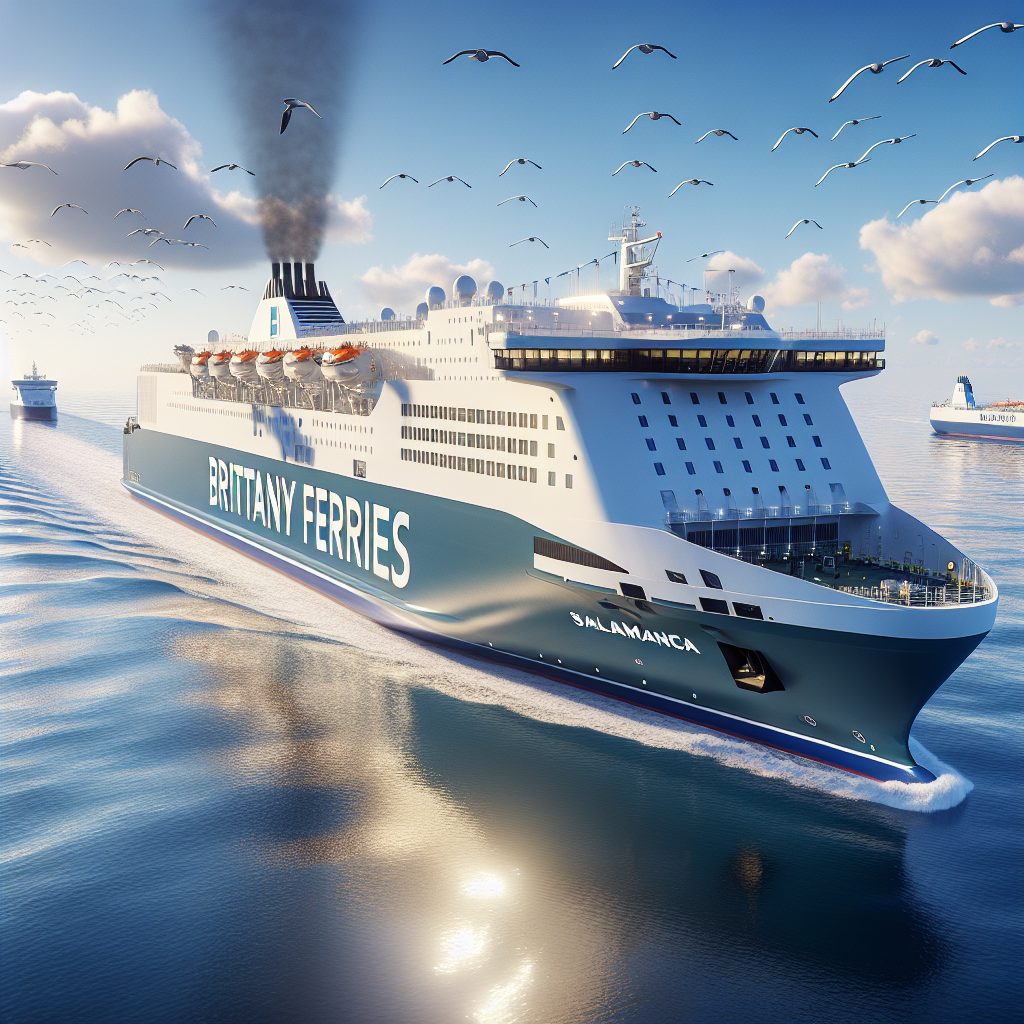
Revolutionizing Emissions: The Future of LNG with Brittany Ferries In a groundbreaking move that is reshaping the landscape of maritime emissions in Europe, Brittany Ferries has unveiled the results of a 12-month independent study revealing that methane emissions from its LNG-powered vessel Salamanca are 50% lower than estimated by current regulations. This finding, a result of collaboration with French scientists and the national ecological agency ADEME, challenges long-held assumptions about LNG emissions and encourages a new perspective on how innovation in energy transition should be acknowledged. The study, led by Benoît Sagot, a researcher at ESTACA, focused on real-time monitoring of emissions from the Salamanca, one of Brittany Ferries’ four LNG-powered vessels. The research spanned a full year of operations on the Rosslare–Bilbao and Rosslare–Cherbourg routes, observing methane leakage, i.e., unburned methane released during combustion. The results, published in the Journal of Marine Science and Engineering, show that methane leakage was recorded at 1.57%, significantly below the default value of 3.5% used in European Union regulations under the FuelEU Maritime framework and the Emissions Trading System (ETS). Implications for Regulation and Sustainability Christophe Mathieu, CEO of Brittany Ferries, has openly discussed the broader implications of these findings, especially regarding regulatory equity and innovation. Mathieu emphasizes the need for regulations to reflect operational reality to avoid penalties for “ghost emissions.” He argues that the data obtained shows that actual emissions from their LNG-powered vessels are significantly lower than initially feared and should be integrated into regulatory declarations. This data-driven approach could form the basis of future European and international policies. Penalties based on outdated data pose a serious problem for many shipowners. Regulations should be updated to reflect actual vessel performance improvements. Brittany Ferries’ significant investment in LNG as a cleaner fuel should be properly recognized in the regulatory framework. LNG as a Transition Fuel Liquefied Natural Gas (LNG) has been touted as a transitional fuel for the maritime sector, offering a cleaner alternative to conventional heavy oils. However, methane leakage has been a central concern due to methane’s higher global warming potential. This new set of data reinforces confidence in modern LNG technologies, showing that designs of newer vessels can perform significantly better than historical averages. This breakthrough not only provides a new basis for policies and taxation but also reaffirms the role of LNG as a legitimate bridge on the path to decarbonization. A Call for Science-Based Regulation As the shipping industry works to comply with stricter European environmental regulations, the accuracy of emission data becomes increasingly important. Default emission factors, while useful for standardization, may not reflect advances in actual vessel performance. Brittany Ferries’ message is clear: regulation based on data can support both climate goals and ongoing investment in low-emission technologies. The company is open to hosting follow-up studies using their LNG-powered vessels, marking a collaborative path forward. Relevance for the Maritime Sector This breakthrough is significant for all stakeholders in the maritime sector, from fuel providers to ship operators and policymakers. The findings validate what many in the LNG space have long claimed: modern LNG vessels can, and indeed do, perform much better than assumed. The relevance of this discovery is clear for merchant marine professionals and maritime investors. The study results offer a new benchmark for emissions regulation based on real operational data, support the role of LNG as a low-carbon fuel, and fairly acknowledge sustainability innovation in the political landscape. The study results offer a new benchmark for emissions regulation based on real operational data. Support the role of LNG as a low-carbon fuel. Acknowledge sustainability innovation in the political landscape. Final Thoughts Brittany Ferries’ leadership in supporting research sets an important precedent. As maritime transport navigates the complexities of climate compliance, the way forward must be based on verified performance, technological progress, and a shared commitment to transparency. Achieving the goal of net-zero emissions will require not only better fuels but also better regulatory frameworks. This begins by ensuring that those investing in cleaner maritime transport technologies are assessed based on the emissions they actually produce, not estimates from a decade ago.
The Future of LNG Infrastructure: A Paradigm Shift Towards Floating Solutions
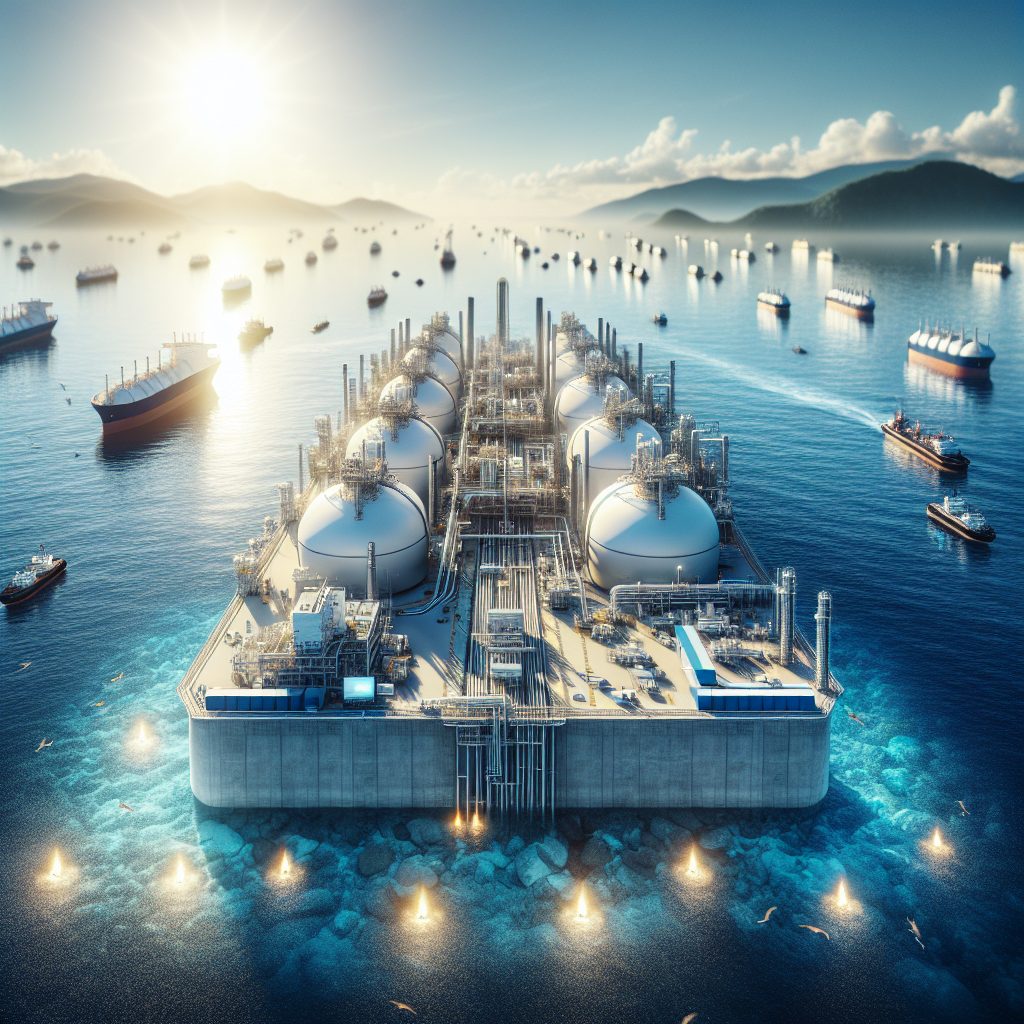
The Future of LNG Infrastructure: A Paradigm Shift Towards Floating Solutions The maritime world is constantly evolving, with LNG (Liquefied Natural Gas) becoming a crucial component in the transition towards cleaner energy. The recent partnership between Stena Bulk and Seasystems promises to revolutionize the way LNG infrastructure is handled by introducing technologies that eliminate the need for fixed docks, emphasizing flexibility and efficiency. Breaking Down the Innovation In a strategic move from Gothenburg, Sweden, Stena Bulk has appointed Seasystems AS as its exclusive global partner for the implementation of innovative floating LNG transfer technologies. This decision grants Seasystems exclusive rights to market and deliver Stena Bulk’s patented systems, while the latter retains full ownership of the technologies. The internally developed technology enables the storage and transfer of LNG without the need for fixed infrastructure, making it suitable for use in remote or limited access locations. This advancement promises to be a game-changer, offering significant cost, scalability, and safety advantages. Introducing Floating Terminal Without Dock (JFT) System The JFT, or Floating Terminal Without Dock, is a self-contained unit equipped with everything necessary for LNG unloading. This system allows for LNG transfer from Floating Storage Units (FSU) and Floating Storage and Regasification Units (FSRU) without the need for fixed dock infrastructure. Its modular design enables quick installation and adaptation to different environmental conditions. The JFT is a plug-and-play solution that enables project developers and LNG importers to establish LNG handling capabilities in locations where conventional infrastructure is scarce. This presents an opportunity to expand LNG access in emerging markets. Extended Mooring System for FSU/FSRU (EFM) The EFM is an advanced mooring system that securely anchors floating LNG units. Designed to operate in a wide range of marine environments, the EFM ensures safe and stable operation, even in adverse conditions, allowing for Ship-to-Ship (STS) transfer configurations. This system not only enhances operational safety but also increases efficiency in LNG transfer, significantly reducing downtime and operations. Global Impact and Market Opportunities The collaboration between Stena Bulk and Seasystems not only increases the global availability of floating LNG solutions but also reflects the growing demand for flexible infrastructures in the energy sector. Seasystems, with its extensive experience in offshore systems integration, will be instrumental in expanding these innovations to new markets. The significance of this technology lies in its ability to provide cost-effective and sustainable solutions, especially in a context where many nations are looking to reduce their dependence on traditional fossil fuels in favor of LNG. For maritime industry professionals and investors, these technologies represent a unique opportunity to participate in advancing cleaner and more flexible infrastructures. Companies in the sector are invited to submit their CVs to Stena Bulk and Seasystems, exploring job opportunities in the implementation of these systems. Strategic Advantages of Floating LNG The elimination of the need for fixed infrastructure offers several strategic benefits. Firstly, significant CAPEX reduction is achieved by avoiding the high costs associated with building permanent docks and other onshore infrastructures. This can be an attractive incentive for investors looking to minimize financial risks. Secondly, rapid deployment is another critical advantage. Floating terminals can be manufactured, tested, and deployed in a much shorter timeframe than conventional facilities, which is crucial for responding to fluctuating market demands and projects in remote regions. Lastly, flexible location allows these technologies to be installed in hard-to-reach areas, expanding the reach of LNG to previously deemed unfeasible regions. This, coupled with enhanced operational safety, makes these technologies a comprehensive solution for the LNG industry. Relevance for Supply Chain and Global Bunkering The ability to quickly establish LNG import/export capacity has direct implications for various key players within the industry. Emerging LNG markets, for example, can greatly benefit from reducing their dependence on traditional fossil fuels due to the improved accessibility offered by these technologies. Likewise, bunker suppliers looking to deliver LNG to small-scale customers or in hard-to-reach locations will find these innovations invaluable. By removing financial and logistical barriers, Stena Bulk’s dockless solutions enable a more agile approach to LNG distribution. Additionally, for policy and infrastructure planners, these technologies offer an opportunity to accelerate LNG adoption with reduced environmental impact, tangibly supporting global decarbonization efforts. Conclusion: A Flexible Future for LNG The alliance between Stena Bulk and Seasystems marks a new chapter in the evolution of LNG infrastructure, highlighting a shift towards smarter and more sustainable solutions. This innovation not only has the potential to transform how we store and transfer LNG but also redefines the possibilities for its use in the context of a global economy transitioning towards cleaner energies. Written for WishToSail.com, this article underscores the importance and opportunities that dockless LNG technologies offer to professionals, investors, and maritime enthusiasts. In an increasingly environmentally conscious world, the future of LNG and its flexible infrastructure emerges as a cornerstone in the transition towards a greener economy.
Sustainable Innovation in Coastal Protection in the Netherlands: Van Oord Leads with Dredger Using Bio-LNG

Sustainable Innovation in Coastal Protection in the Netherlands: Van Oord Leads with Dredger Using Bio-LNG In September 2025, the maritime construction company Van Oord, commissioned by Rijkswaterstaat, has embarked on an ambitious coastal maintenance operation on the Banjaard beach in Noord-Beveland, Netherlands. This project represents a significant milestone in sustainable coastal management by using one million cubic meters of sand to reinforce the coastline, for the first time employing Bio-LNG as the main fuel for a hopper suction dredger. The use of Bio-LNG, a sustainable marine fuel, is a clear statement of Van Oord’s commitment to reducing the environmental impact of its operations. This step is part of a series of contracts awarded to Van Oord to complement the Dutch government’s Coast Care program, aimed at protecting the country’s coasts from erosion and sea-level rise. This action will put Van Oord at the forefront of sustainability in the maritime industry. For industry professionals and maritime investors, this project not only sets an example of best practices but also provides an opportunity to evaluate and potentially adopt these innovations in future similar developments. The transition to more sustainable fuels is a growing trend that can provide competitive and regulatory compliance advantages. Advantages of Bio-LNG: A Sustainable Fuel for the Future Bio-LNG is derived from biodegradable organic materials such as household and agricultural waste. It has been certified under the ISCC EU system, ensuring compliance with strict sustainability criteria in Europe. The implementation of Bio-LNG in the Noord-Beveland project illustrates its potential to immediately reduce the carbon intensity of dredging operations. In addition to its compatibility with vessels already using LNG, Bio-LNG offers additional benefits. When used with updated engine technology, it reduces methane slip and improves regulatory compliance, especially in projects linked to the European Union. This represents a strategic step towards decarbonizing large-scale maritime operations. For sailors and vessel operators, the transition to alternative fuels like Bio-LNG provides improvements in operational and environmental efficiency. This technology not only contributes to emission reduction but can also result in long-term economic savings due to increasing regulatory pressure and sustainability demands. Van Oord’s Shield Against Climate Change The project in Noord-Beveland is part of Van Oord’s decarbonization roadmap, based on goals approved by the SBTi, aligned with the Paris Agreement to limit global warming to less than 1.5°C. Key pillars of this strategy include fleet modernization, introduction of zero-emission equipment, and promotion of sustainable supply chains. Fleet modernization involves incorporating more energy-efficient vessels and transitioning to alternative fuels. Investments in electric and hybrid construction technologies reflect a commitment not only to the environment but also to the future of sustainable maritime construction. For maritime investors, these initiatives not only present business opportunities but also a competitive advantage in a global market that increasingly values sustainability. By collaborating with clients, subcontractors, and suppliers through their Sustainable Supply Chain Program, Van Oord is redefining how to approach maritime infrastructure projects with an ecological focus. Boost for Industry Professionals The involvement of Bio-LNG in marine infrastructure projects offers multiple benefits for merchant navy professionals and sailors. Firstly, it shows a viable path towards cleaner and more efficient operations. Secondly, it encourages organizations to consider adopting similar technologies to comply with increasingly stringent environmental regulations. Furthermore, the collaboration between Van Oord and Rijkswaterstaat highlights the importance of working closely with government authorities and other stakeholders to develop sustainable solutions. Such collaborations are essential for implementing structural changes in the maritime sector, and professionals must be prepared to adapt and actively contribute to these efforts. Lastly, and not least importantly, this project emerges as a job opportunity for those interested in participating in sustainable and technologically advanced maritime operations. Van Oord, at the forefront of these practices, can be an attractive destination for talents who want to be part of an organization leading the way towards a more sustainable future in the maritime industry. Conclusion and Call to Action Van Oord’s project in Noord-Beveland is not just a coastal maintenance initiative but a tangible example of how innovative technologies and sustainable fuels can be integrated into large infrastructure projects. As the maritime sector continues to face environmental and regulatory challenges, the adoption of sustainable practices will be essential to ensure its long-term viability. We invite all industry professionals to consider how these innovations can be applied in their own fields of work and encourage those interested to submit their resumes to Van Oord or other companies involved in similar projects. The future of the maritime sector belongs to those willing to lead with innovation and sustainability.