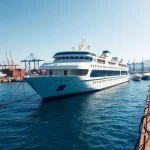


The Green Revolution in the Strait of Gibraltar: The New Electric Ferries by Baleària
Baleària has recently begun the construction of two high-speed catamarans with fully electric propulsion at the Armón shipyards in Gijón. These innovative vessels will mark a milestone in maritime connectivity between Spain and Morocco, linking the ports of Tarifa in Cádiz and Tanger Ville. With their expected entry into service in 2027, the first green maritime corridor between the two countries will be established. Each of these catamarans will be equipped with a 16 MW electric propulsion system, powered by 13 MWh batteries. These features will allow the vessels to travel the 18 miles between the ports of Tarifa and Tanger without generating emissions, representing a significant advancement in reducing carbon footprint in the maritime sector. The maximum speed these ferries will reach is 26 knots, and they will have fast charging systems installed at both ports. This system will enable the vessels to be replenished in approximately 40 minutes, ensuring their operational efficiency and minimizing downtime.
The new Baleària catamarans will feature multiple innovations aimed at optimizing their operations. These include a T-Foil system, which will enhance navigation by providing stability and reducing the vessel’s roll, essential for ensuring a comfortable and safe journey for passengers. Additionally, they will have two bow thrusters, two stern thrusters, and four rudders, giving them excellent maneuverability in the port. The integration of winglets on the bridge with all controls centralized will allow for more efficient and safe operation. Regarding loading and unloading logistics, the catamarans will have two large capacity ramps at the stern. These ramps will facilitate and streamline operations, allowing the boarding of up to 804 passengers and 225 vehicles per trip.
Furthermore, Baleària’s project goes beyond the construction of these state-of-the-art vessels; it also includes the electrification of the ports of Tarifa and Tanger Ville. For this purpose, storage systems with 8 MWh batteries connected to the land electrical grid will be installed, ensuring sustained and clean energy supply. The charging systems at the ports will be automated with robotic arms that will connect to the vessels during stops. This technology not only improves the efficiency of the recharging process but also minimizes the risk of human error, increasing operational safety.
The implementation of these infrastructures reaffirms Baleària’s commitment to energy transition. The company has already integrated the use of natural gas in eleven of its vessels and plans to continue this line with new projects, such as the Cap de Barbaria and the Rusadir, which are already operating with clean technologies.
The launch of these electric ferries is a milestone not only for Baleària but for the entire maritime sector. The company reported a 10% reduction in carbon footprint per passenger transported in 2024 and expects the new vessels to significantly contribute to achieving the decarbonization goals set by the European Union and the International Maritime Organization (IMO). This project represents a fantastic opportunity for maritime professionals, as the incorporation of cutting-edge technology in the vessels requires highly trained personnel in electrical systems and automation. Baleària invites interested individuals to submit their resumes, highlighting the opportunity to be part of a pioneering team in the industry.
For maritime investors, this development is a reminder of the growing trend towards sustainability in the sector, presenting new investment opportunities in green technology and renewable energy. Likewise, nautical enthusiasts will find in these advances a source of inspiration to continue supporting initiatives that protect the marine environment.
In conclusion, the construction of Baleària’s new electric ferries is more than a technological advancement; it is a statement of intent towards a more sustainable future. The implementation of cutting-edge technology in their design and operation will not only improve the efficiency and performance of the vessels but also set a precedent on the path to decarbonizing maritime transport. This project will not only drive innovation and economic growth in the region but also strengthen connectivity between Spain and Morocco, facilitating trade and tourism in a more sustainable manner. For sector professionals, it represents an opportunity to join a pioneering initiative that sets the course towards cleaner and more efficient maritime transport. Ultimately, the technological advancements and commitment to sustainability in the design of these ferries reflect a firm commitment to environmental protection. It is the perfect time for professionals, investors, and nautical enthusiasts to engage and support these initiatives that will transform the future of the sector.