- Strait of Hormuz handles approximately 20% of global seaborne oil, facing increased instability.
- Insurance premiums for vessels in the area have risen by up to 50%, prompting route reassessments.
- Europe and Japan are preparing to support maritime security efforts as tanker traffic resumes selectively.
The Strait of Hormuz, a vital chokepoint for oil shipments, has seen growing tensions that threaten global energy supplies. In response, European and Japanese authorities have signalled their readiness to bolster maritime security in the region. This move comes as a cautious and selective resumption of tanker traffic begins, following recent incidents that disrupted operations.
Context and Background
The Strait of Hormuz is a narrow maritime passage linking the Persian Gulf with the Gulf of Oman. It serves as a critical artery for oil exports, with about one-fifth of the world’s seaborne crude passing through annually.
Historically, this area has been prone to conflicts, such as the tanker attacks in 2019 and 2020. These events led to spikes in insurance costs and forced changes in shipping routes, highlighting the vulnerability of maritime supply chains.
In-Depth Technical Analysis
Current disruptions directly affect energy flows, increasing volatility in crude oil prices. This impacts import-reliant economies, including those in Europe and Japan, which are now actively seeking to stabilise the region.
Operationally, the selective resumption means that only certain tankers—likely those with enhanced security measures or alternative routes—are operating. Shipowners must balance transport needs with crew and cargo safety through rigorous risk assessments.
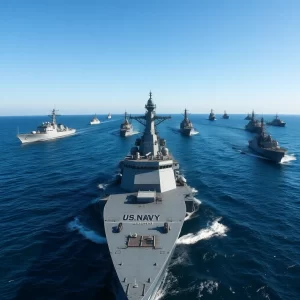
The support from Europe and Japan may involve joint naval patrols or technical aid for surveillance. In the maritime sector, this aligns with the ISPS Code (International Ship and Port Facility Security Code), which mandates security protocols for ports and vessels.
Concrete Operational Implications
For captains and officers, navigating the strait now requires extra planning. Options include arranging naval escorts or diverting to longer routes like the Cape of Good Hope, adding days to voyages and increasing fuel consumption.
Shipowners face higher costs, with insurance premiums potentially rising by 50% in high-risk zones. Older or less-equipped vessels may be excluded, favouring modern fleets with passive defence systems.
Consignees and port operators must adapt logistics to manage delays and ensure compliance with safety regulations, which could slow operations at transit ports.
Impact on the Labour Market
This situation creates opportunities in specialised fields such as maritime security experts, risk analysts, and surveillance technicians. Demand for training in crisis management and ISPS protocols is likely to increase among crew and port staff.
For naval engineers, there is growing interest in designing ships with improved defence capabilities. This could drive retrofit projects or new constructions focused on security enhancements.
Macro Context
Geopolitically, tensions with Iran are crucial, as the strait lies within its territorial waters. Any escalation could lead to blockades or wider conflicts, affecting regional and global stability.
Globally, trends like the energy transition still depend on oil for maritime transport, making Hormuz security critical in the short to medium term. International regulations, such as those from the IMO (International Maritime Organization), might be strengthened to address risks in conflict zones.
Outlook
In the short term, traffic through Hormuz is expected to remain irregular, with fluctuations in freight rates and operational costs. International collaboration could help stabilise the area, but this depends on the evolution of the conflict.
For investors, opportunities exist in companies specialising in maritime security, surveillance technologies, and resilient shipping fleets. However, investments in this sector carry geopolitical and market risks, necessitating thorough research.
FAQ
What is the Strait of Hormuz and why is it critical for maritime transport?
The Strait of Hormuz is a narrow sea passage between Iran and Oman, through which approximately 20% of global seaborne oil passes. It is the primary export route for Persian Gulf producers, connecting them to international markets.
How do tensions in Hormuz affect tanker operational costs?
Tensions raise insurance premiums, which can increase by up to 50% in high-risk areas. Additionally, route diversions, such as using the Cape of Good Hope, add days to voyages, increasing fuel consumption and logistical expenses.
What security measures are shipping companies implementing in response?
Shipping companies are adopting measures like enhanced onboard surveillance, coordination with naval forces for escorts, and use of real-time tracking technologies. They are also reviewing protocols under the ISPS Code to ensure security in ports and during navigation.
Are there alternative routes for oil transport from the Persian Gulf?
Yes, alternatives include the East-West Pipeline in Saudi Arabia, which partially avoids the strait, or maritime diversions like the Cape of Good Hope in Africa. However, these options are more costly and less efficient, limiting their large-scale use.
Editorial Note: This article has been professionally adapted from Spanish to British English
for the WishToSail.com international maritime audience. Original article published at
QuieroNavegar.app.